Grand Pass
- Saltwater
- Pass
Grand Pass
- Saltwater
- Pass
- Sq. miles
- 1.4
- Boat Ramps
- 0
- Access Points
- 0
- Species
- 3
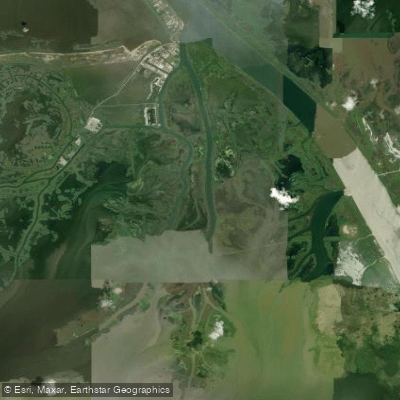
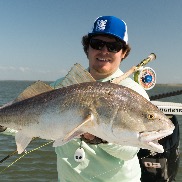
Grand Pass is a major tidal pass and estuary located in Plaquemines Parish, along the coast of South-central Louisiana. It serves as a large four-way intersection separating Lake Mechant to the west from Caillou Lake, locally known as Sister Lake, to the east. This is a deep, dynamic saltwater environment characterized by strong tidal currents flowing over an oyster-laden bottom, with depths reaching 40 to 50 feet in the main channel. The water is typically stained but holds a prolific and year-round population of large bull redfish and black drum, making it a renowned and consistent destination for serious inshore and nearshore anglers.
Species & education
Learn what type of fish are at Grand Pass and what's needed to catch them.
Find which waters have the species you want to catch

Black Drum
Pogonias cromis

Blue Catfish
Ictalurus furcatus

Redfish
Sciaenops ocellatus
Fishing spots, boat ramps & amenities
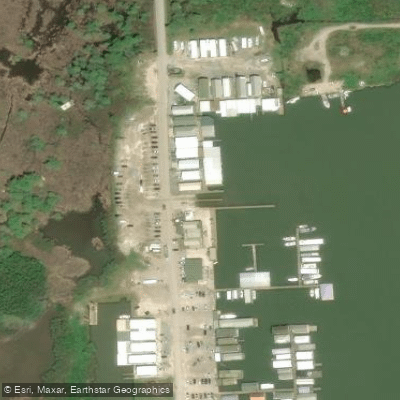
Learn how to get on Grand Pass. Uncover great fishing access points, boat ramps, and all the facilities you need for an unforgettable day on the water. Some locations shown may border or include private property. Always check property boundaries and applicable regulations before visiting. onWater's Public & Private Land layer can help you plan your access with confidence.
Know where you can legally fish on Grand Pass
See public and private land boundaries along the water, turn on private parcels with owner details to know where permission is required, and find land-trust parcels that offer permitted fishing access.
Louisiana licenses and regulations
Louisiana Boating Regulations
When using any type of watercraft to access a body of water, it is important to follow all federal, state, and local rules and regulations. These rules and regulations include boat permitting and licensing, invasive species inspections and stamps, life jacket and PFD rules, motor size and horsepower restrictions, noise limitations, restrictions on personal watercraft, and many more. Visit the web link below for the most current rules and regulations for this body of water.
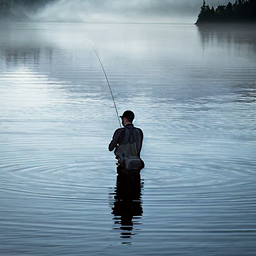
Louisiana Coastal & Inland Waters
Louisiana law draws a saltwater line running roughly along the Intracoastal Waterway from the Texas border to the Mississippi border, dividing the state into freshwater areas to the north and saltwater areas to the south. If you are fishing for or possessing saltwater species south of that line, you need a Saltwater License in addition to a Basic Fishing License. Because fresh and saltwater species often overlap near the line, the Louisiana Department of Wildlife and Fisheries recommends carrying both licenses whenever you fish in south Louisiana.
Louisiana Federal Waters & Offshore Rules
Once you move beyond Louisiana state waters, NOAA Fisheries and the Gulf Council manage the fishery under federal rules, and those rules can differ from state rules. To possess offshore species such as tunas, billfish, swordfish, amberjacks, snappers, and groupers, recreational anglers must obtain a Recreational Offshore Landing Permit from LDWF, and vessels fishing for Atlantic highly migratory species must carry a federal Atlantic HMS Angling or Charter permit issued by NOAA Fisheries. Check NOAA Fisheries for current federal seasons and any additional requirements before heading offshore.
Louisiana Saltwater Fishing License
Anyone age 18 or older must have both a Basic Fishing License and a Saltwater Fishing License to fish recreationally in Louisiana saltwater. The Louisiana Department of Wildlife and Fisheries issues these licenses, and anglers under 18 are exempt. Reduced-rate licenses exist for seniors, military members, students, and people with disabilities, and a Free Fishing Weekend lets everyone fish without a license on designated days.

Louisiana Saltwater Size & Bag Limits
Size and bag limits apply to every saltwater species and can vary by season, so check the current table before you head out. The Louisiana Department of Wildlife and Fisheries sets these rules for species including red snapper, cobia, speckled trout, and flounder. The full creel and size limit chart is maintained on the LDWF recreational saltwater finfish page.
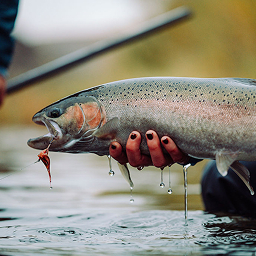
Louisiana Shellfish Closures & Advisories
Recreational oyster harvesting requires a license from the Louisiana Department of Wildlife and Fisheries, and specific combination licenses also cover this privilege. Harvest areas can close at any time due to oil spills, heavy rainfall, or other contamination concerns, and the Louisiana Department of Health manages those closures and posts current shellfish harvest area classifications and consumption advisories. Always check the LDH Molluscan Shellfish Program before harvesting to confirm your area is open.
Take Grand Pass with you
The onWater Fish app keeps this water's access points, species and conditions in your pocket, with the tools you use once you're there.
Use the map without signal
Download the map around Grand Pass to use it offline when coverage drops.
Log your catches here
Keep a private fishing journal for Grand Pass to find where and when fish are biting for you.
Get the onWater Fish app
Free on iOS and Android
Tides, wind & water conditions (10 day forecast)
On open water, wind and tide matter as much as the weather. See the best times to fish Grand Pass and check the marine forecast before you launch.
Loading tide predictions…
Grand Pass fishing guides
Book a trip with a local fishing guide through Guidesly.

Fishing near Grand Pass
Pearl River
Lake Borgne
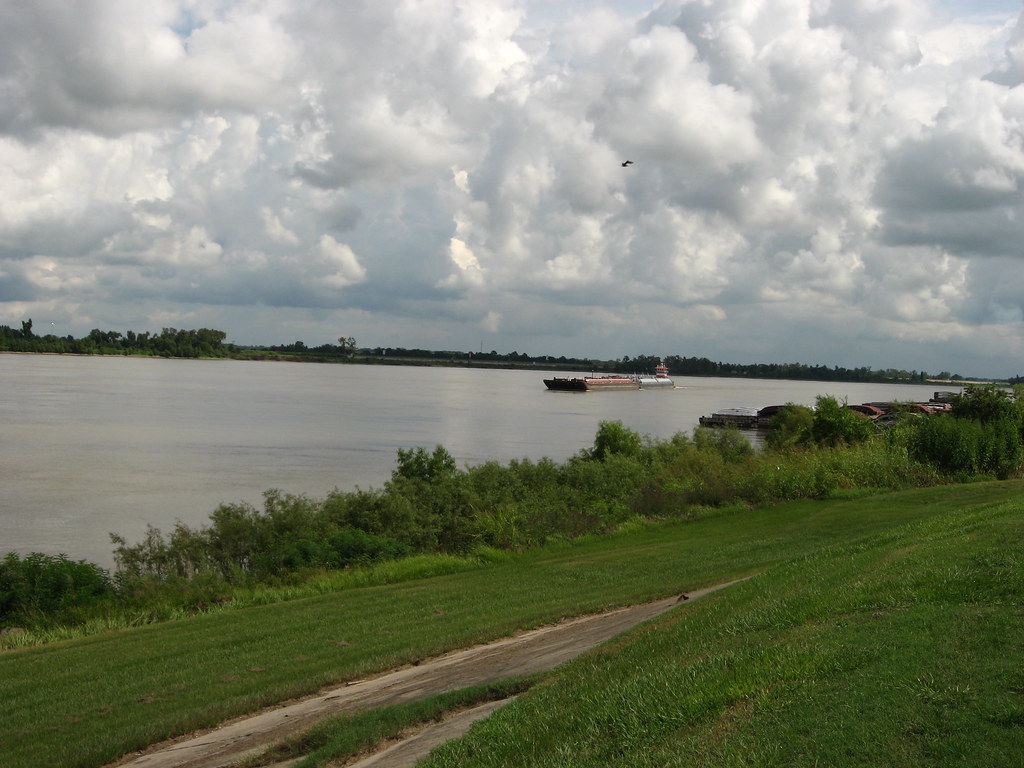
Mississippi River
West Pearl River
Mississippi River-Gulf Outlet Canal
Mississippi River
Tchefuncte River
Alligator Bend
Grand Lagoon
Explore Louisiana waters
Top fishing waters
Popular Cities
Loading popular cities...
Explore near Grand Pass

Smarter Fishing Starts in the App.
onWater Fish gives you everything you need to plan smarter, fish better, and own every trip from first cast to last.