Fishing near Junction City, KS
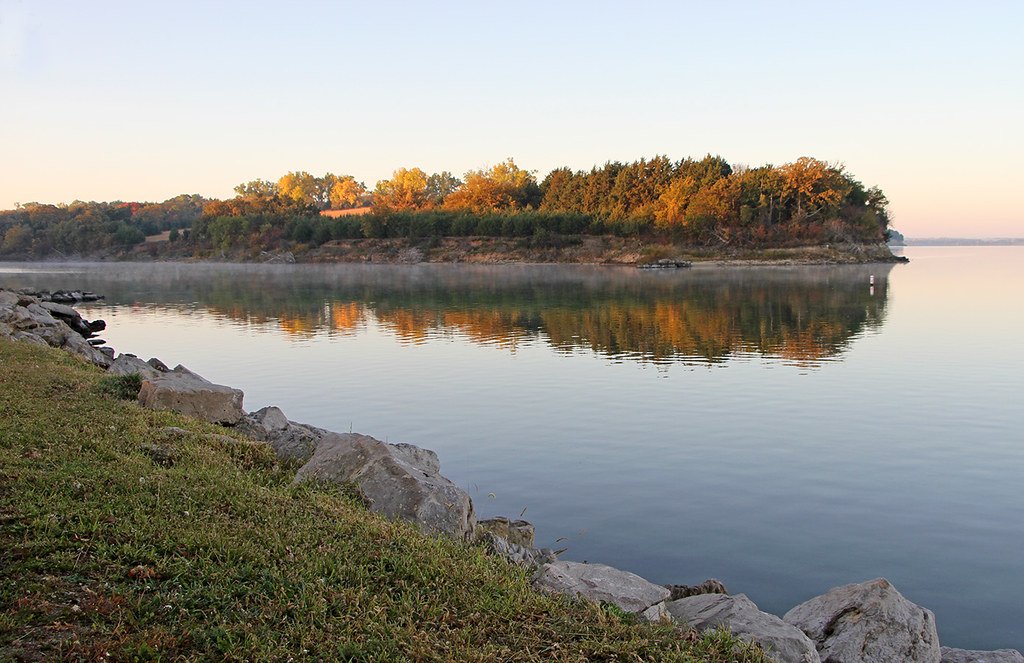
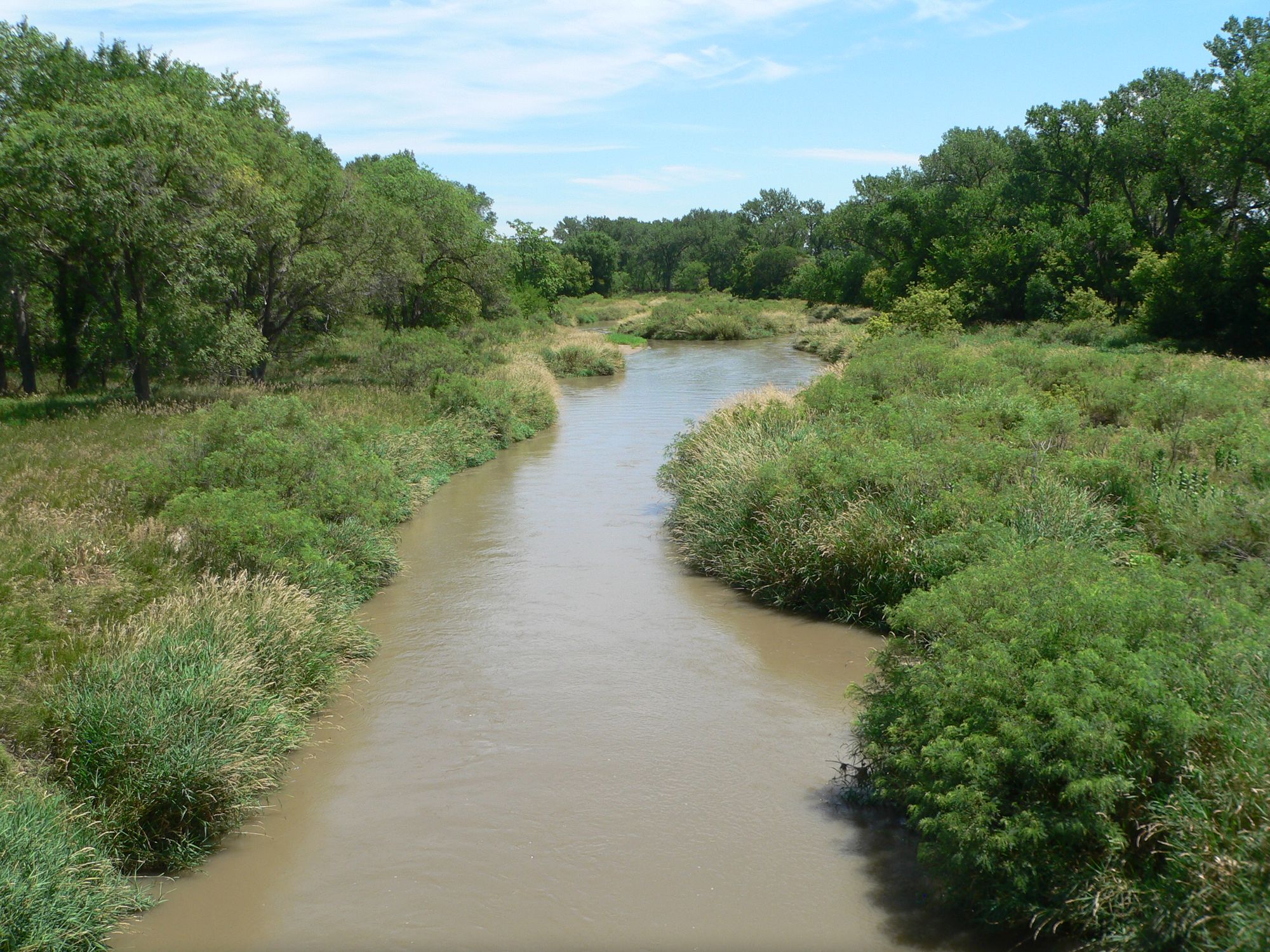
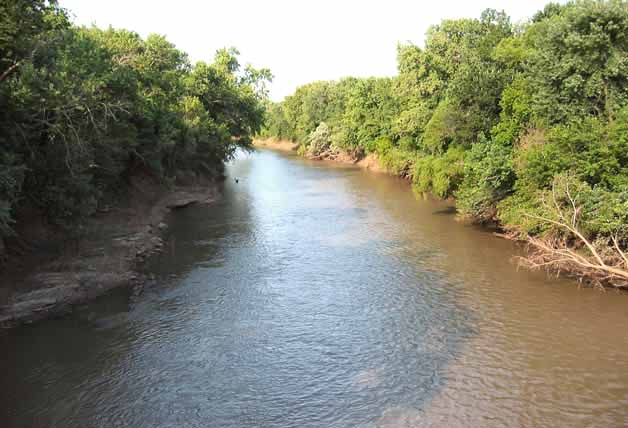
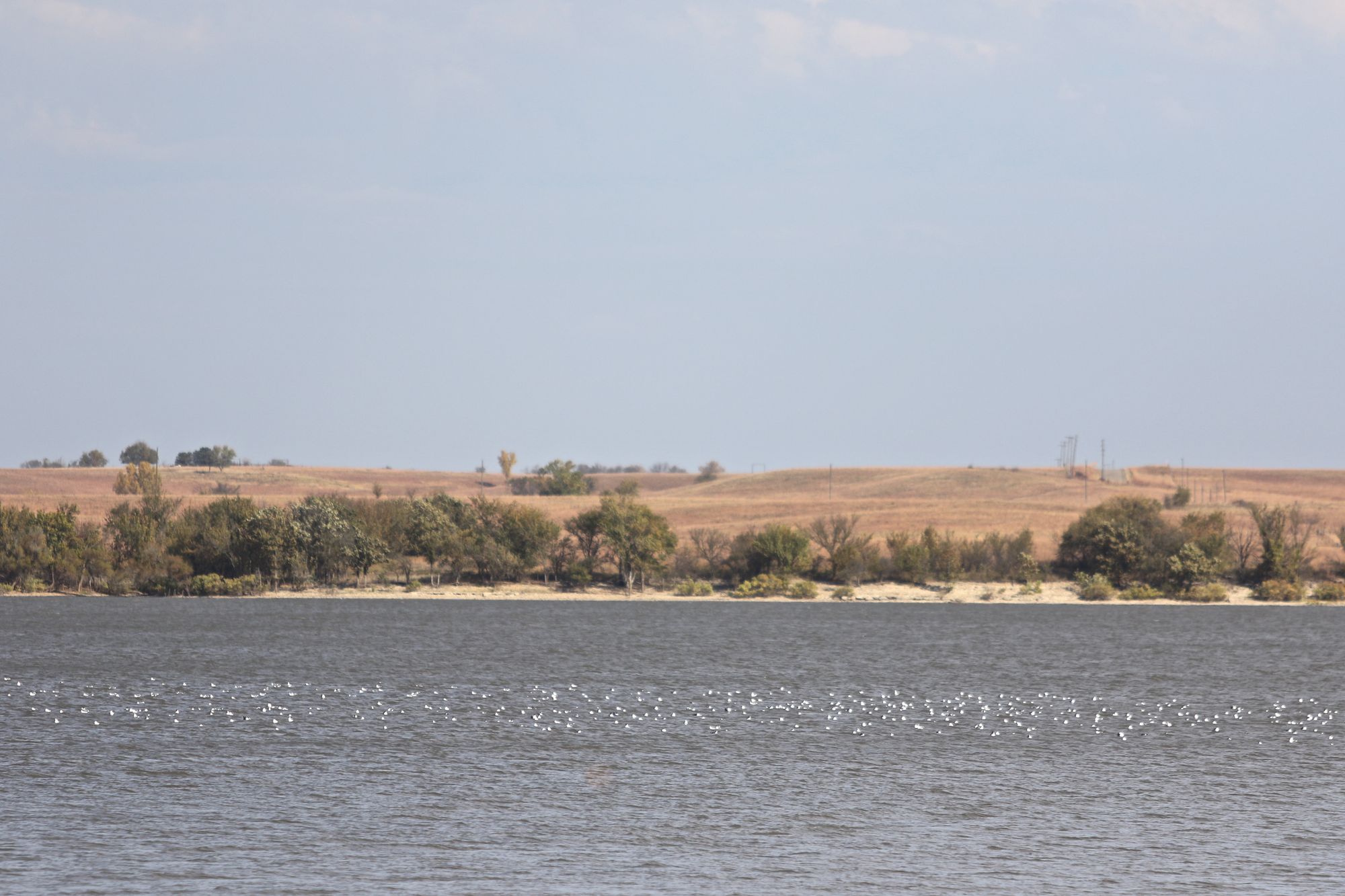
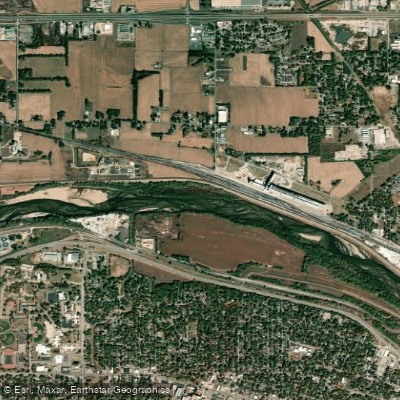
Junction City sits in Geary County at the confluence of the Smoky Hill and Republican Rivers, where the two join to form the Kansas River (Kaw). Just west lies Milford Lake, the largest lake in Kansas at roughly 15,700 acres and widely called the state's fishing capital, with Tuttle Creek and Council Grove reservoirs within easy reach.
Species & education
Learn what type of fish are in Junction City, Kansas and what's needed to catch them.

Find which waters have the species you want to catch

Bigmouth Buffalo
Ictiobus cyprinellus

Black Crappie
Pomoxis nigromaculatus

Blue Catfish
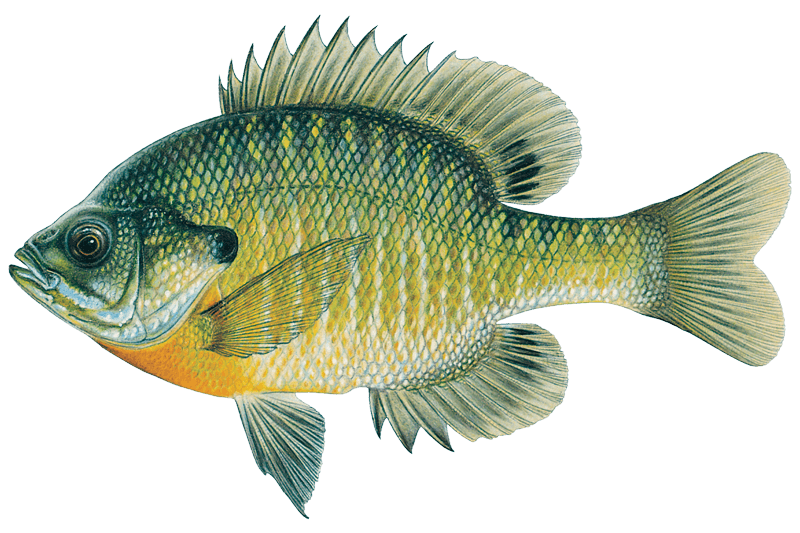
Bluegill
Lepomis macrochirus

Channel Catfish
Ictalurus punctatus

Flathead Catfish
Pylodictis olivaris

Freshwater Drum
Aplodinotus grunniens

Green Sunfish
Lepomis cyanellus

Largemouth Bass
Micropterus salmoides

Longnose Gar
Lepisosteus osseus

Quillback Carpsucker
Carpiodes cyprinus
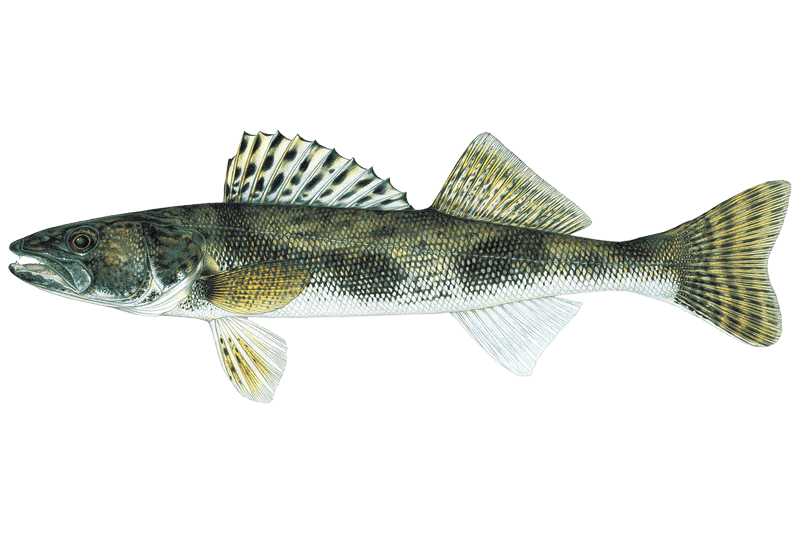
Sauger
Sander canadensis
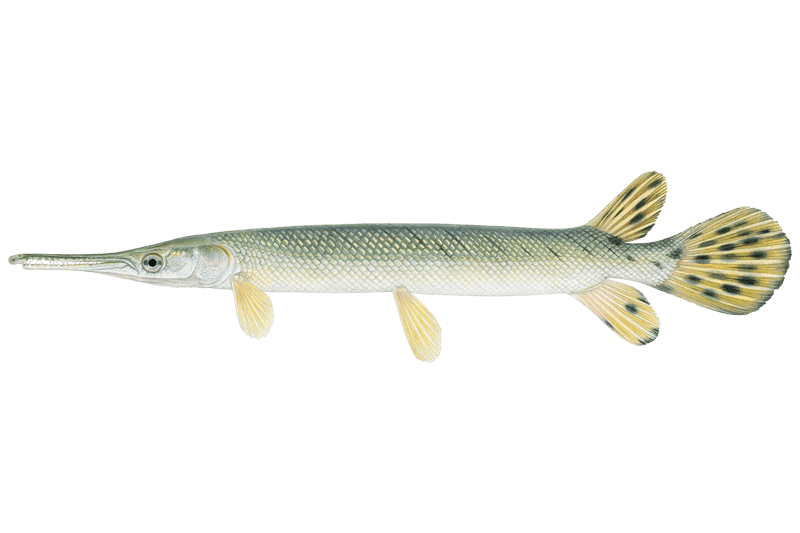
Shortnose Gar
Lepisosteus platostomus

Smallmouth Bass
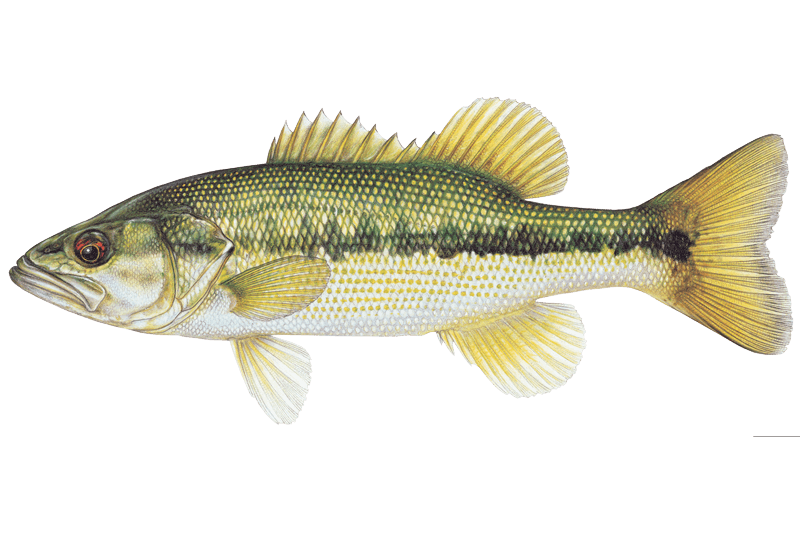
Spotted Bass
Micropterus punctulatus
Fishing guides near Junction City
Book a trip with a local fishing guide through Guidesly.

Fish smarter with real-time insights
Whether you're en route and conditions shift or you're looking for the best spot based on current flows, we enable you to make informed decisions on the fly.







Kansas licenses and regulations

Kansas Boating Regulations
When using any type of watercraft to access a body of water, it is important to follow all federal, state, and local rules and regulations. These rules and regulations include boat permitting and licensing, invasive species inspections and stamps, life jacket and PFD rules, motor size and horsepower restrictions, noise limitations, restrictions on personal watercraft, and many more. Visit the web link below for the most current rules and regulations for this body of water.

Kansas Fishing License
Anglers age 16 through 74, who have been bona fide residents of the state for 60 days immediately prior to buying a license, must have a resident license in possession while fishing in Kansas. All nonresidents 16 and older must have a valid nonresident license to fish in Kansas (unless fishing on a private pond not leased for public fishing). All licenses expire 365 days from the date of purchase, except for multi-year, five-day, lifetime, and one-day fishing licenses.

Kansas Fishing Regulations
This river has a variety of species and regulations, including potential floating and/or watercraft restrictions. Because this river is specially managed for species, seasons, angling methods, and watercraft, it is strongly encouraged you check all federal, state, and local regulations before fishing. Visit any of the links below, inquire locally, or contact a local fly shop to learn current regulations and restrictions.

Kansas Stream Access Laws
Most streams and rivers in Kansas are privately owned. The public rivers are the Kansas, Arkansas and Missouri. They are open to the public between the ordinary high water marks on each bank. This is the line that can be seen where high water has left debris, sand, and gravel during its ordinary annual cycle. When these rivers flow through private land, permission is needed from adjacent landowners to access the rivers as well as when picnicking, camping, portaging or engaging in any other activity on the adjacent private lands. Except where they pass through the legal limits of a government entity, the rest of our streams and rivers are privately owned, and permission is needed from the landowners to access and use the streams and adjacent lands for any purpose.
Smarter Fishing Starts in the App.
onWater Fish gives you everything you need to plan smarter, fish better, and own every trip from first cast to last.