Waccasassa Bay
- Saltwater
- Bay
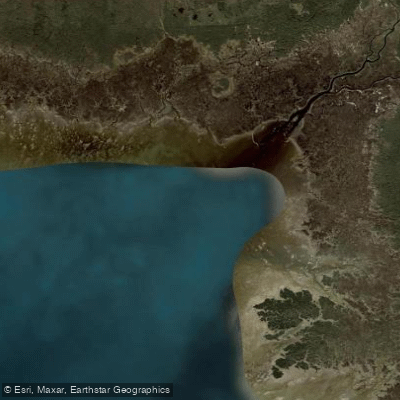
Waccasassa Bay
- Saltwater
- Bay
- Sq. miles
- 19
- Boat Ramps
- 0
- Access Points
- 0
- Species
- 13
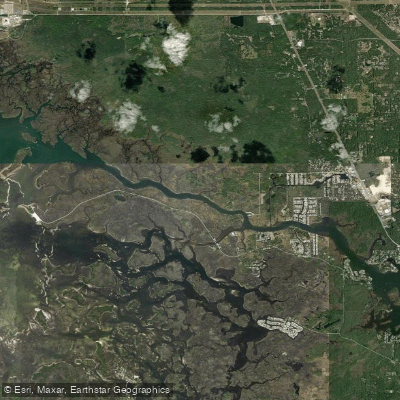
Waccasassa Bay is a pristine and often overlooked estuary on Florida's Nature Coast, nestled between the more populated ports of Yankeetown to the south and Cedar Key to the north. This expansive bay system, fed by the Waccasassa and Withlacoochee rivers along with numerous feeder creeks, encompasses over 31,000 acres of protected water and undisturbed coastal wilderness within the Waccasassa Bay Preserve State Park. The landscape is a rugged snapshot of Old Florida, characterized by extensive oyster-encrusted shorelines, vast shallow flats, and natural limestone formations. Its remote location and limited development contribute to lighter fishing pressure compared to neighboring areas, offering a sense of solitude and a rich, uncrowded fishery primarily for classic Gulf Coast inshore species. The bay is notoriously shallow, with much of its area averaging around 3 feet deep, making it ideal for shallow-draft boats, skiffs, and kayaks, but requiring careful navigation.
Species & education
Learn what type of fish are at Waccasassa Bay and what's needed to catch them.
Find which waters have the species you want to catch

Atlantic Croaker
Micropogonias undulatus

Atlantic Sharpnose Shark
Rhizoprionodon terraenovae

Black Drum
Pogonias cromis

Cobia
Rachycentron canadum

Crevalle Jack
Caranx hippos

King Mackerel
Scomberomorus cavalla

Mangrove Snapper
Lutjanus griseus

Pinfish
Lagodon rhomboides

Redfish
Sciaenops ocellatus

Southern Kingfish
Menticirrhus americanus

Spotted Seatrout
Cynoscion nebulosus

Tarpon
Megalops atlanticus

Tripletail
Lobotes surinamensis
Fishing spots, boat ramps & amenities
Learn how to get on Waccasassa Bay. Uncover great fishing access points, boat ramps, and all the facilities you need for an unforgettable day on the water. Some locations shown may border or include private property. Always check property boundaries and applicable regulations before visiting. onWater's Public & Private Land layer can help you plan your access with confidence.
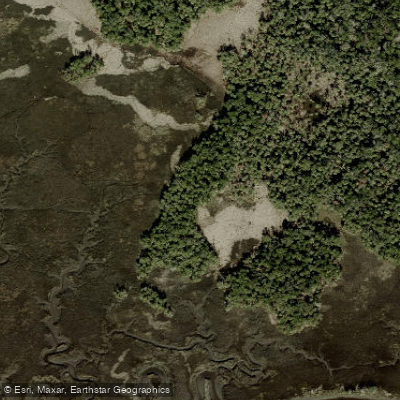
Know where you can legally fish on Waccasassa Bay
See public and private land boundaries along the water, turn on private parcels with owner details to know where permission is required, and find land-trust parcels that offer permitted fishing access.
Florida licenses and regulations
Florida Boating Regulations
When using any type of watercraft to access a body of water, it is important to follow all federal, state, and local rules and regulations. These rules and regulations include boat permitting and licensing, invasive species inspections and stamps, life jacket and PFD rules, motor size and horsepower restrictions, noise limitations, restrictions on personal watercraft, and many more. Visit the web link below for the most current rules and regulations for this body of water.

Florida Coastal & Inland Waters
Florida state waters extend 3 nautical miles from shore on the Atlantic coast and 9 nautical miles on the Gulf coast, making Florida unique in that the boundary shifts by coast. FWC regulations apply throughout state waters, and a saltwater fishing license is required to fish anywhere in them. Beyond those limits, federal waters begin and federal rules take over.
Florida Federal Waters & Offshore Rules
Once you pass the state water boundary, NOAA Fisheries and the regional fishery management councils, including the Gulf Council and the South Atlantic Fishery Management Council, set the rules. No separate federal recreational license is required to fish federal waters, but anglers must follow all applicable federal regulations alongside any state license already held. Species such as tuna, billfish, sharks, and swordfish are managed as Atlantic highly migratory species under NOAA Fisheries, which may carry additional federal permit requirements.
Florida Saltwater Fishing License
Florida residents and non-residents ages 16 through 64 need a saltwater fishing license to take or attempt to take saltwater fish, crabs, clams, or other saltwater organisms. The Florida Fish and Wildlife Conservation Commission issues the license, and it is required whether you fish in state or federal waters as long as you land fish in Florida. Exemptions include anglers under 16, Florida residents 65 and older, and passengers on for-hire vessels whose captain holds a vessel license.
Florida Saltwater Size & Bag Limits
Size and bag limits apply per species and can change throughout the year, and the Florida Fish and Wildlife Conservation Commission sets and maintains the current rules. Popular species with active regulations include snook, redfish, grouper, snapper, and flounder. Always check the FWC regulations page before you head out, since limits and seasons are updated regularly.
Florida Shellfish Closures & Advisories
Harvesting oysters and clams recreationally requires a standard saltwater fishing license, and certain areas such as Apalachicola Bay require an additional permit. Shellfish harvesting areas are opened and closed by the Florida Department of Agriculture and Consumer Services based on water quality, red tide, rainfall, and public health guidelines, and those closures apply to everyone. Current open and closed status maps for all coastal regions are posted by the Florida Department of Agriculture and Consumer Services at their shellfish harvesting area classification page.
Take Waccasassa Bay with you
The onWater Fish app keeps this water's access points, species and conditions in your pocket, with the tools you use once you're there.
Use the map without signal
Download the map around Waccasassa Bay to use it offline when coverage drops.
Log your catches here
Keep a private fishing journal for Waccasassa Bay to find where and when fish are biting for you.
Get the onWater Fish app
Free on iOS and Android
Tides, wind & water conditions (10 day forecast)
On open water, wind and tide matter as much as the weather. See the best times to fish Waccasassa Bay and check the marine forecast before you launch.
Loading tide predictions…
Waccasassa Bay fishing guides
Book a trip with a local fishing guide through Guidesly.


Fishing near Waccasassa Bay
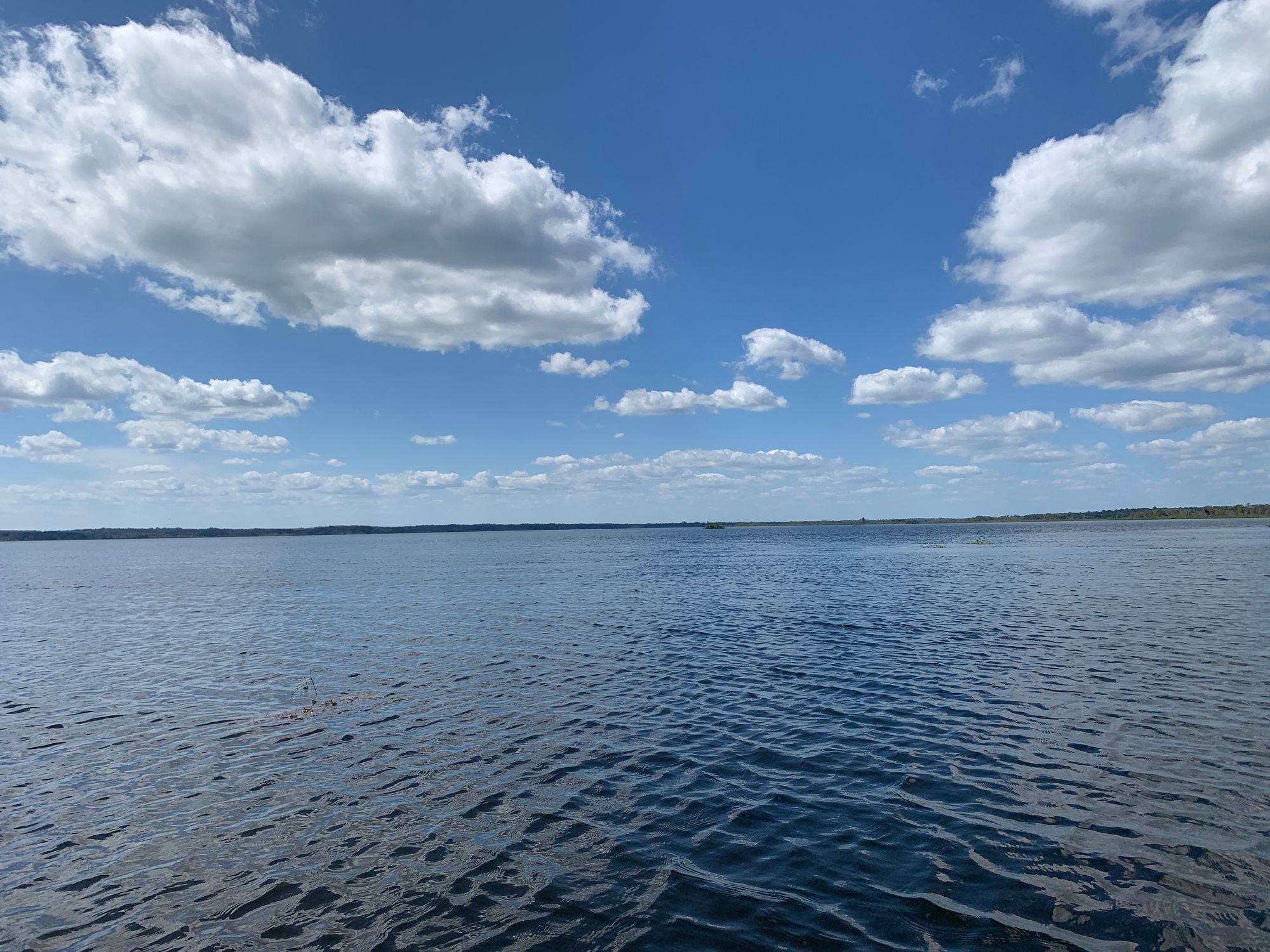
Orange Lake
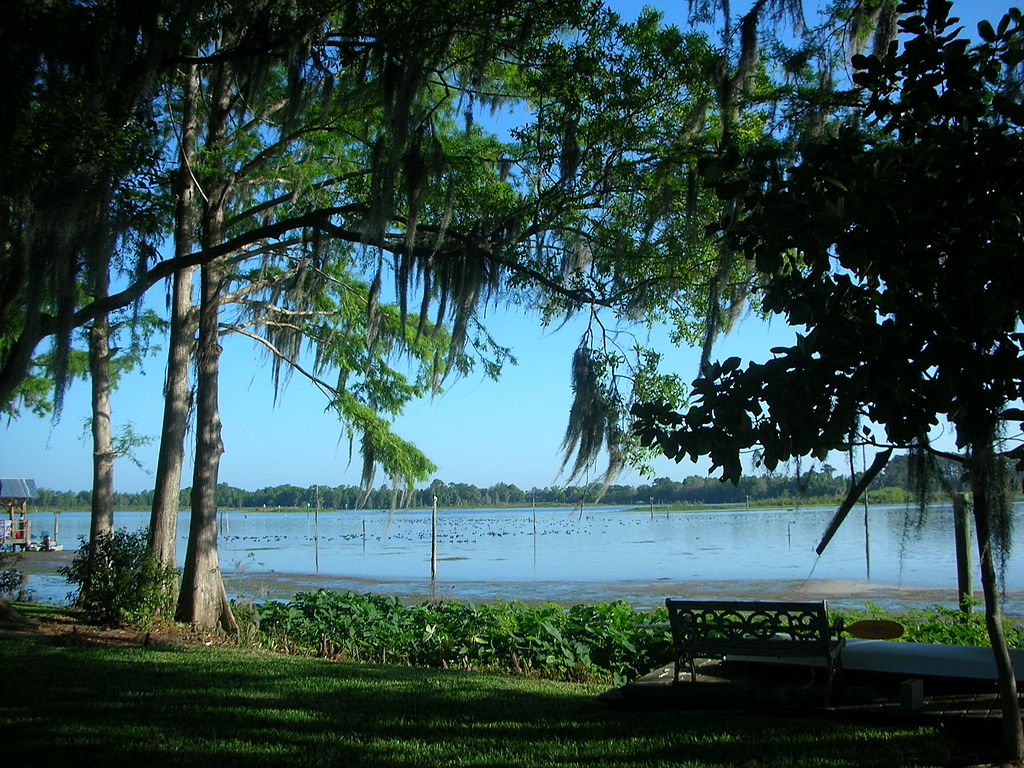
Lake Rousseau
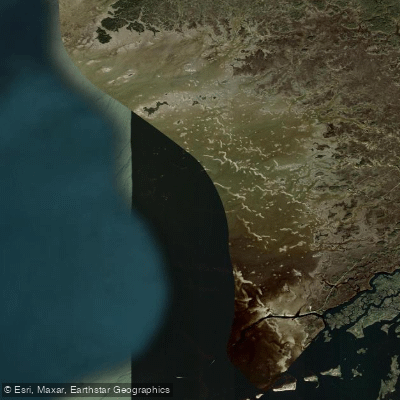
Withlacoochee Bay
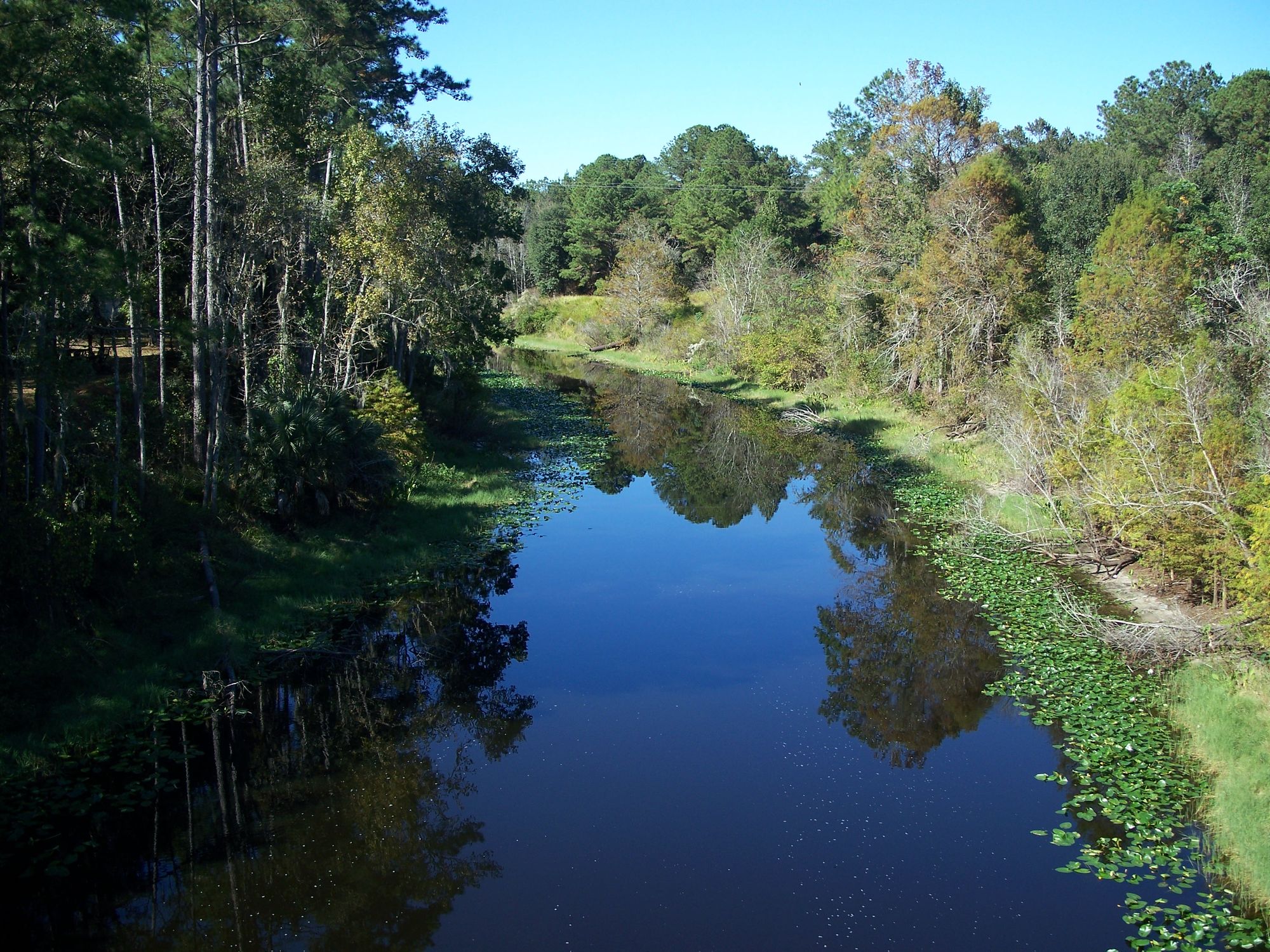
Ocklawaha River
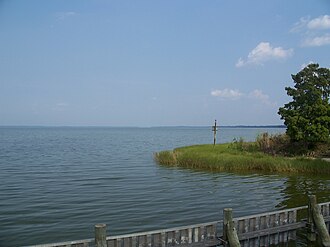
Lake Harris
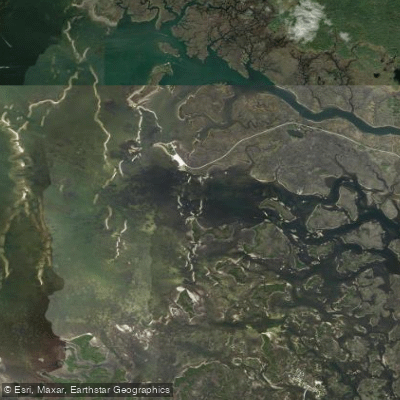
Crystal Bay
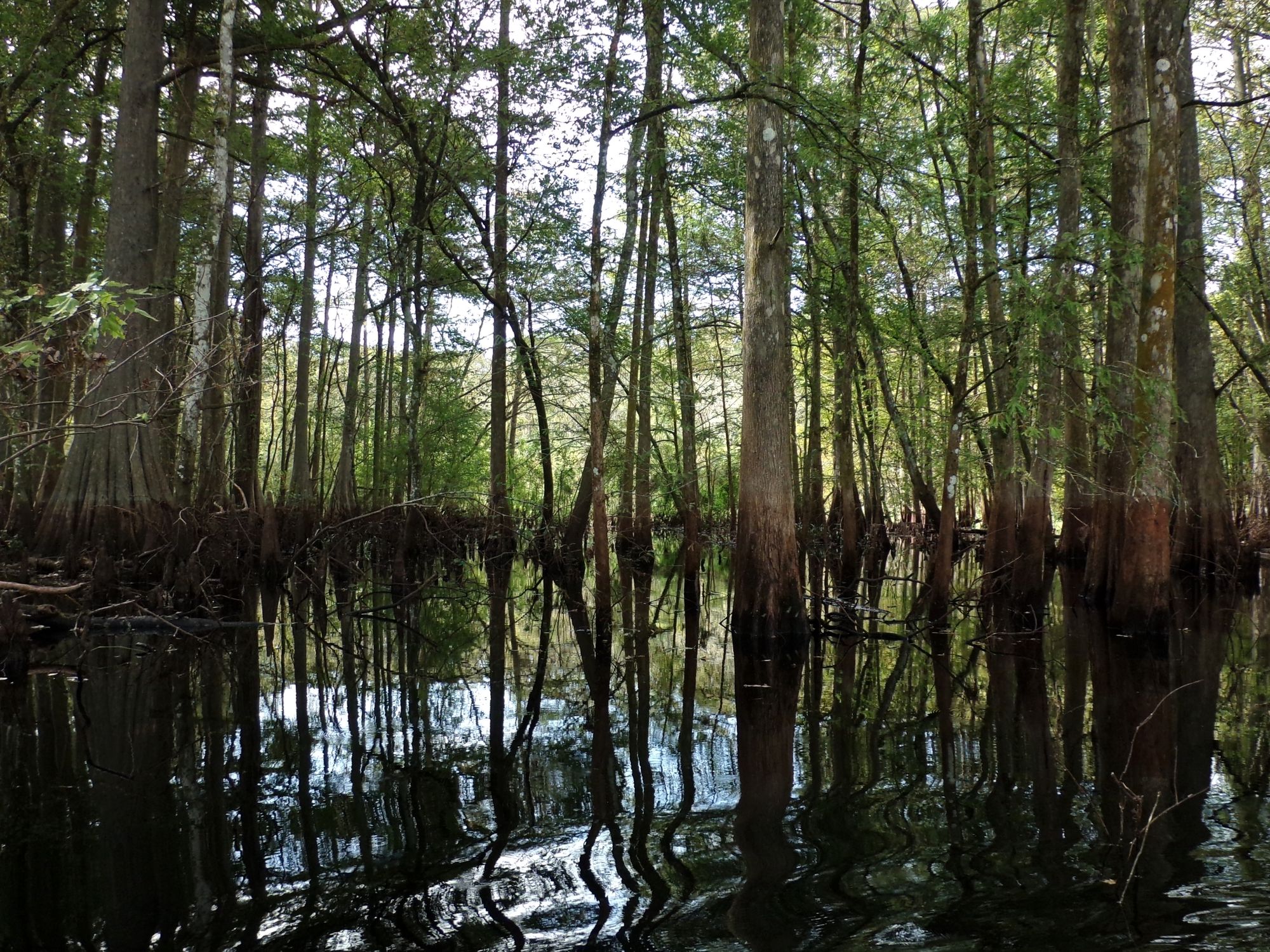
Withlacoochee River
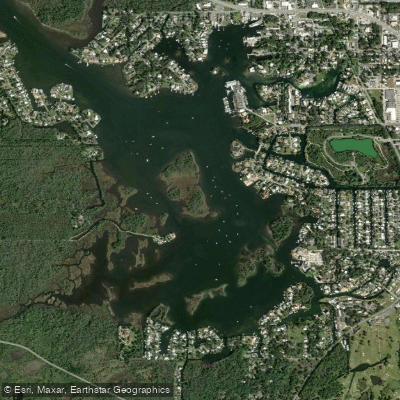
Kings Bay
Crystal River
Lake Eustis
Explore Florida waters
Top fishing waters
Popular Cities
Loading popular cities...
Explore near Waccasassa Bay
Fish species
Nearby waters
More in Florida

Smarter Fishing Starts in the App.
onWater Fish gives you everything you need to plan smarter, fish better, and own every trip from first cast to last.