Carysfort Reef
- Saltwater
- Bay
- Saltwater
- Bay
- Sq. miles
- 5
- Boat Ramps
- 0
- Access Points
- 0
- Species
- 45
Carysfort Reef is a premier offshore coral reef system located approximately 7 miles off the coast of Key Largo in the Upper Florida Keys. It is marked by the historic 112-foot-tall Carysfort Reef Lighthouse, built in 1853. The reef itself is a shallow, expansive structure characterized by coral spurs, sand and rubble grooves, and numerous undercut ledges. It sits at the northern boundary of the Florida Keys reef tract and is one of the closest reefs to the Gulf Stream, creating a dynamic marine environment with depths ranging from very shallow areas of 5-15 feet to deeper sections reaching around 75 feet. The area is part of the Florida Keys National Marine Sanctuary, and its vibrant coral formations attract a diverse array of fish species, making it a renowned destination for anglers, divers, and snorkelers alike.
Species & education
Learn what type of fish are at Carysfort Reef and what's needed to catch them.

Find which waters have the species you want to catch

African Pompano
Alectis ciliaris

Almaco Jack
Seriola rivoliana

Atlantic Spadefish
Chaetodipterus faber

Black Grouper
Mycteroperca bonaci

Black Sea Bass
Centropristis striata

Blackfin Tuna
Thunnus atlanticus

Blacktip Shark
Carcharhinus limbatus

Blue Runner
Caranx crysos

Bonefish
Albula vulpes

Bonnethead
Sphyrna tiburo

Bull Shark
Carcharhinus leucas

Cero
Scomberomorus regalis

Crevalle Jack
Caranx hippos

Cubera Snapper
Lutjanus cyanopterus

Gag Grouper
Mycteroperca microlepis

Goliath Grouper
Epinephelus itajara

Gray Triggerfish
Balistes capriscus

Great Barracuda
Sphyraena barracuda

Greater Amberjack
Seriola dumerili

Gulf Flounder
Paralichthys albigutta

Hogfish
Lachnolaimus maximus

King Mackerel
Scomberomorus cavalla

Ladyfish
Elops saurus

Lane Snapper
Lutjanus synagris

Little Tunny
Euthynnus alletteratus

Lookdown
Selene vomer

Mahi-Mahi
Coryphaena hippurus

Mangrove Snapper
Lutjanus griseus

Mutton Snapper
Lutjanus analis

Permit
Trachinotus falcatus

Pigfish
Orthopristis chrysoptera

Rainbow Runner
Elagatis bipinnulata

Red Grouper
Epinephelus morio

Red Snapper
Lutjanus campechanus

Sandbar Shark
Carcharhinus plumbeus

Scamp
Mycteroperca phenax

Sheepshead
Archosargus probatocephalus

Snook
Centropomus undecimalis

Snowy Grouper
Hyporthodus niveatus

Spanish Mackerel
Scomberomorus maculatus
Fishing spots, boat ramps & amenities
Learn how to get on Carysfort Reef. Uncover great fishing access points, boat ramps, and all the facilities you need for an unforgettable day on the water. Some locations shown may border or include private property. Always check property boundaries and applicable regulations before visiting. onWater's Public & Private Land layer can help you plan your access with confidence.
Wreck

Wreck

Wreck

Wreck

Wreck
Wreck

Wreck
Know where you can legally fish on Carysfort Reef
See public and private land boundaries along the water, turn on private parcels with owner details to know where permission is required, and find land-trust parcels that offer permitted fishing access.
Florida licenses and regulations

Florida Boating Regulations
When using any type of watercraft to access a body of water, it is important to follow all federal, state, and local rules and regulations. These rules and regulations include boat permitting and licensing, invasive species inspections and stamps, life jacket and PFD rules, motor size and horsepower restrictions, noise limitations, restrictions on personal watercraft, and many more. Visit the web link below for the most current rules and regulations for this body of water.

Florida Coastal & Inland Waters
Florida state waters extend 3 nautical miles from shore on the Atlantic coast and 9 nautical miles on the Gulf coast, making Florida unique in that the boundary shifts by coast. FWC regulations apply throughout state waters, and a saltwater fishing license is required to fish anywhere in them. Beyond those limits, federal waters begin and federal rules take over.

Florida Federal Waters & Offshore Rules
Once you pass the state water boundary, NOAA Fisheries and the regional fishery management councils, including the Gulf Council and the South Atlantic Fishery Management Council, set the rules. No separate federal recreational license is required to fish federal waters, but anglers must follow all applicable federal regulations alongside any state license already held. Species such as tuna, billfish, sharks, and swordfish are managed as Atlantic highly migratory species under NOAA Fisheries, which may carry additional federal permit requirements.

Florida Saltwater Fishing License
Florida residents and non-residents ages 16 through 64 need a saltwater fishing license to take or attempt to take saltwater fish, crabs, clams, or other saltwater organisms. The Florida Fish and Wildlife Conservation Commission issues the license, and it is required whether you fish in state or federal waters as long as you land fish in Florida. Exemptions include anglers under 16, Florida residents 65 and older, and passengers on for-hire vessels whose captain holds a vessel license.

Florida Saltwater Size & Bag Limits
Size and bag limits apply per species and can change throughout the year, and the Florida Fish and Wildlife Conservation Commission sets and maintains the current rules. Popular species with active regulations include snook, redfish, grouper, snapper, and flounder. Always check the FWC regulations page before you head out, since limits and seasons are updated regularly.

Florida Shellfish Closures & Advisories
Harvesting oysters and clams recreationally requires a standard saltwater fishing license, and certain areas such as Apalachicola Bay require an additional permit. Shellfish harvesting areas are opened and closed by the Florida Department of Agriculture and Consumer Services based on water quality, red tide, rainfall, and public health guidelines, and those closures apply to everyone. Current open and closed status maps for all coastal regions are posted by the Florida Department of Agriculture and Consumer Services at their shellfish harvesting area classification page.
Take Carysfort Reef with you
The onWater Fish app keeps this water's access points, species and conditions in your pocket, with the tools you use once you're there.
Use the map without signal
Download the map around Carysfort Reef to use it offline when coverage drops.
Log your catches here
Keep a private fishing journal for Carysfort Reef to find where and when fish are biting for you.
Get the onWater Fish app
Free on iOS and Android
Tides, wind & water conditions (10 day forecast)
On open water, wind and tide matter as much as the weather. See the best times to fish Carysfort Reef and check the marine forecast before you launch.
Loading tide predictions…
Carysfort Reef fishing guides
Book a trip with a local fishing guide through Guidesly.

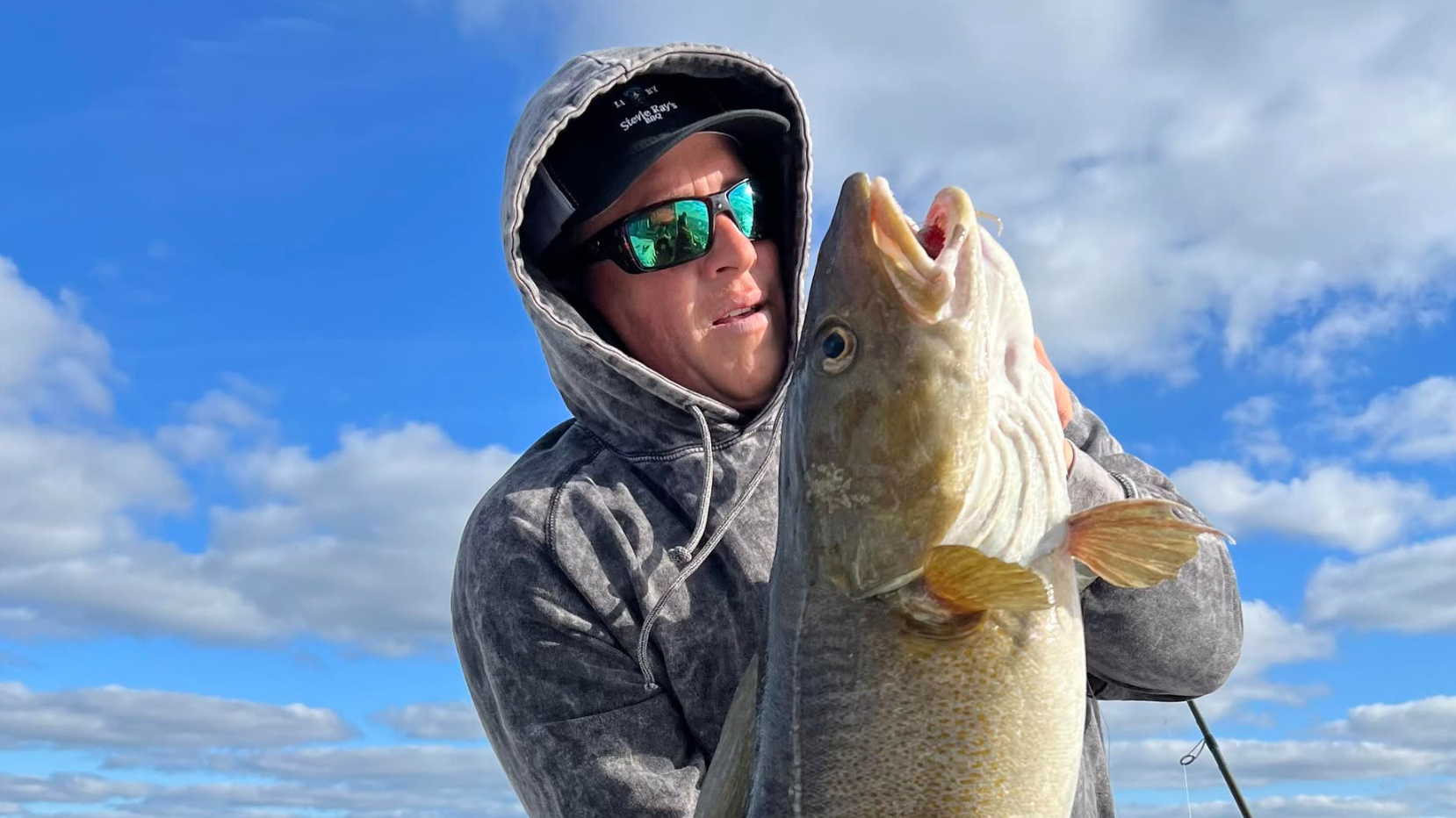
Fishing near Carysfort Reef
Explore Florida waters
Explore near Carysfort Reef
Fish species
Nearby waters
More in Florida
Smarter Fishing Starts in the App.
onWater Fish gives you everything you need to plan smarter, fish better, and own every trip from first cast to last.