Bluebill Creek
- Saltwater
- Bay
- Saltwater
- Bay
- Sq. miles
- 0.1
- Boat Ramps
- 0
- Access Points
- 0
- Species
- 2
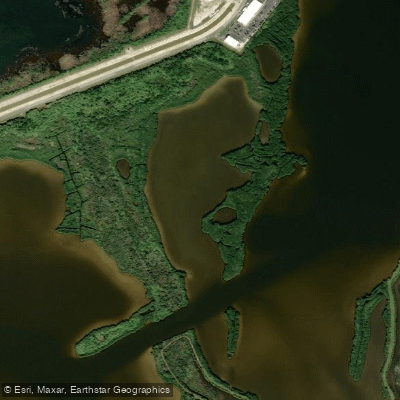
Bluebill Creek is a tidal inlet located within the expansive Indian River Lagoon system near Cape Canaveral, Florida. This saltwater creek flows into Pintail Creek and is part of a complex network of marshes, coves, and tidal waterways that define this ecologically rich region of the state's central east coast. The area is characterized by its protected, shallow-water habitats, mangrove shorelines, and proximity to both the lagoon and the Atlantic Ocean, offering diverse inshore angling opportunities.
Species & education
Learn what type of fish are at Bluebill Creek and what's needed to catch them.

Find which waters have the species you want to catch

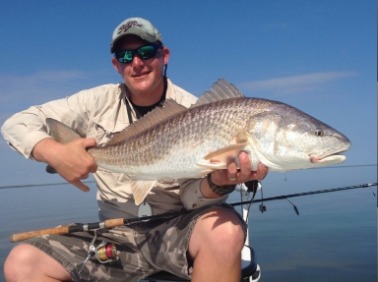
Redfish
Sciaenops ocellatus

Sheepshead
Archosargus probatocephalus
Fishing spots, boat ramps & amenities
Learn how to get on Bluebill Creek. Uncover great fishing access points, boat ramps, and all the facilities you need for an unforgettable day on the water. Some locations shown may border or include private property. Always check property boundaries and applicable regulations before visiting. onWater's Public & Private Land layer can help you plan your access with confidence.
Key fishing locations include the mouth of Bluebill Creek where it meets Pintail Creek, as the deeper channel and current seam attract predators. The mangrove-lined banks throughout the creek provide excellent ambush points. Adjacent structures like the nearby "Gator Hole" and the broader flats of the Indian River Lagoon are all within easy poling or short motor distance. Focus on areas where oyster bars create current breaks and where deeper holes interrupt the otherwise shallow flat.
Know where you can legally fish on Bluebill Creek
See public and private land boundaries along the water, turn on private parcels with owner details to know where permission is required, and find land-trust parcels that offer permitted fishing access.
Florida licenses and regulations

Florida Boating Regulations
When using any type of watercraft to access a body of water, it is important to follow all federal, state, and local rules and regulations. These rules and regulations include boat permitting and licensing, invasive species inspections and stamps, life jacket and PFD rules, motor size and horsepower restrictions, noise limitations, restrictions on personal watercraft, and many more. Visit the web link below for the most current rules and regulations for this body of water.

Florida Coastal & Inland Waters
Florida state waters extend 3 nautical miles from shore on the Atlantic coast and 9 nautical miles on the Gulf coast, making Florida unique in that the boundary shifts by coast. FWC regulations apply throughout state waters, and a saltwater fishing license is required to fish anywhere in them. Beyond those limits, federal waters begin and federal rules take over.
Florida Federal Waters & Offshore Rules
Once you pass the state water boundary, NOAA Fisheries and the regional fishery management councils, including the Gulf Council and the South Atlantic Fishery Management Council, set the rules. No separate federal recreational license is required to fish federal waters, but anglers must follow all applicable federal regulations alongside any state license already held. Species such as tuna, billfish, sharks, and swordfish are managed as Atlantic highly migratory species under NOAA Fisheries, which may carry additional federal permit requirements.
Florida Saltwater Fishing License
Florida residents and non-residents ages 16 through 64 need a saltwater fishing license to take or attempt to take saltwater fish, crabs, clams, or other saltwater organisms. The Florida Fish and Wildlife Conservation Commission issues the license, and it is required whether you fish in state or federal waters as long as you land fish in Florida. Exemptions include anglers under 16, Florida residents 65 and older, and passengers on for-hire vessels whose captain holds a vessel license.

Florida Saltwater Size & Bag Limits
Size and bag limits apply per species and can change throughout the year, and the Florida Fish and Wildlife Conservation Commission sets and maintains the current rules. Popular species with active regulations include snook, redfish, grouper, snapper, and flounder. Always check the FWC regulations page before you head out, since limits and seasons are updated regularly.

Florida Shellfish Closures & Advisories
Harvesting oysters and clams recreationally requires a standard saltwater fishing license, and certain areas such as Apalachicola Bay require an additional permit. Shellfish harvesting areas are opened and closed by the Florida Department of Agriculture and Consumer Services based on water quality, red tide, rainfall, and public health guidelines, and those closures apply to everyone. Current open and closed status maps for all coastal regions are posted by the Florida Department of Agriculture and Consumer Services at their shellfish harvesting area classification page.
Take Bluebill Creek with you
The onWater Fish app keeps this water's access points, species and conditions in your pocket, with the tools you use once you're there.
Use the map without signal
Download the map around Bluebill Creek to use it offline when coverage drops.
Log your catches here
Keep a private fishing journal for Bluebill Creek to find where and when fish are biting for you.
Get the onWater Fish app
Free on iOS and Android
Tides, wind & water conditions (10 day forecast)
On open water, wind and tide matter as much as the weather. See the best times to fish Bluebill Creek and check the marine forecast before you launch.
Loading tide predictions…
Bluebill Creek fishing guides
Book a trip with a local fishing guide through Guidesly.

Fishing near Bluebill Creek
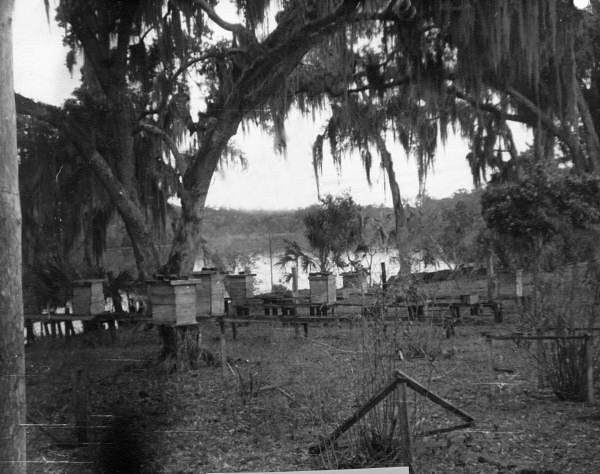
Saint Johns River
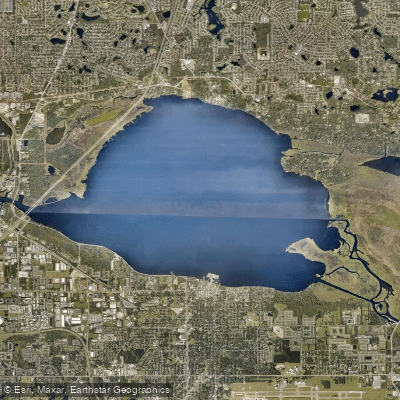
Lake Monroe
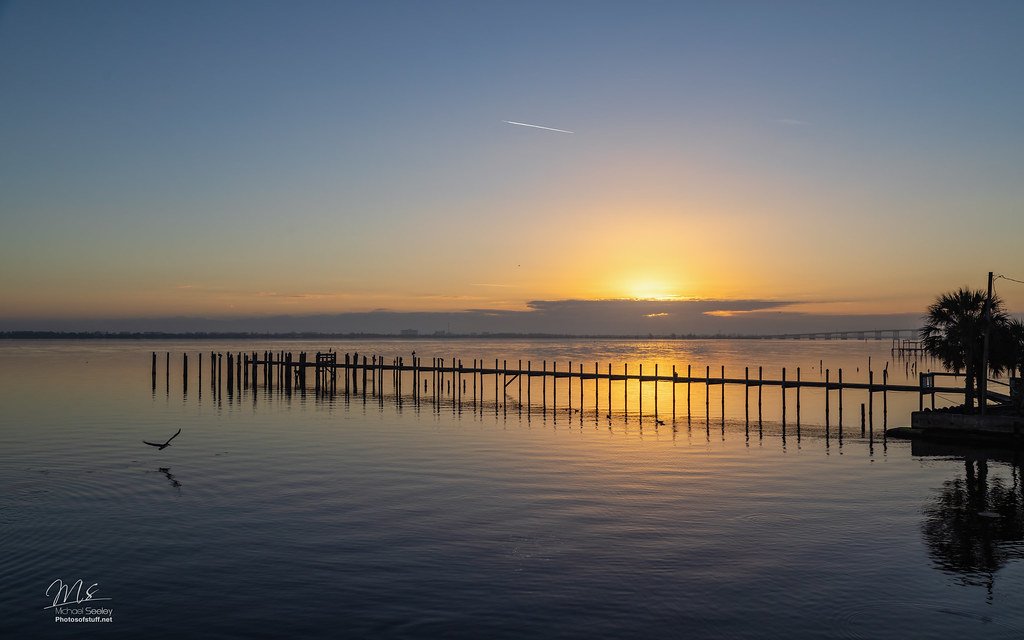
Indian River Lagoon
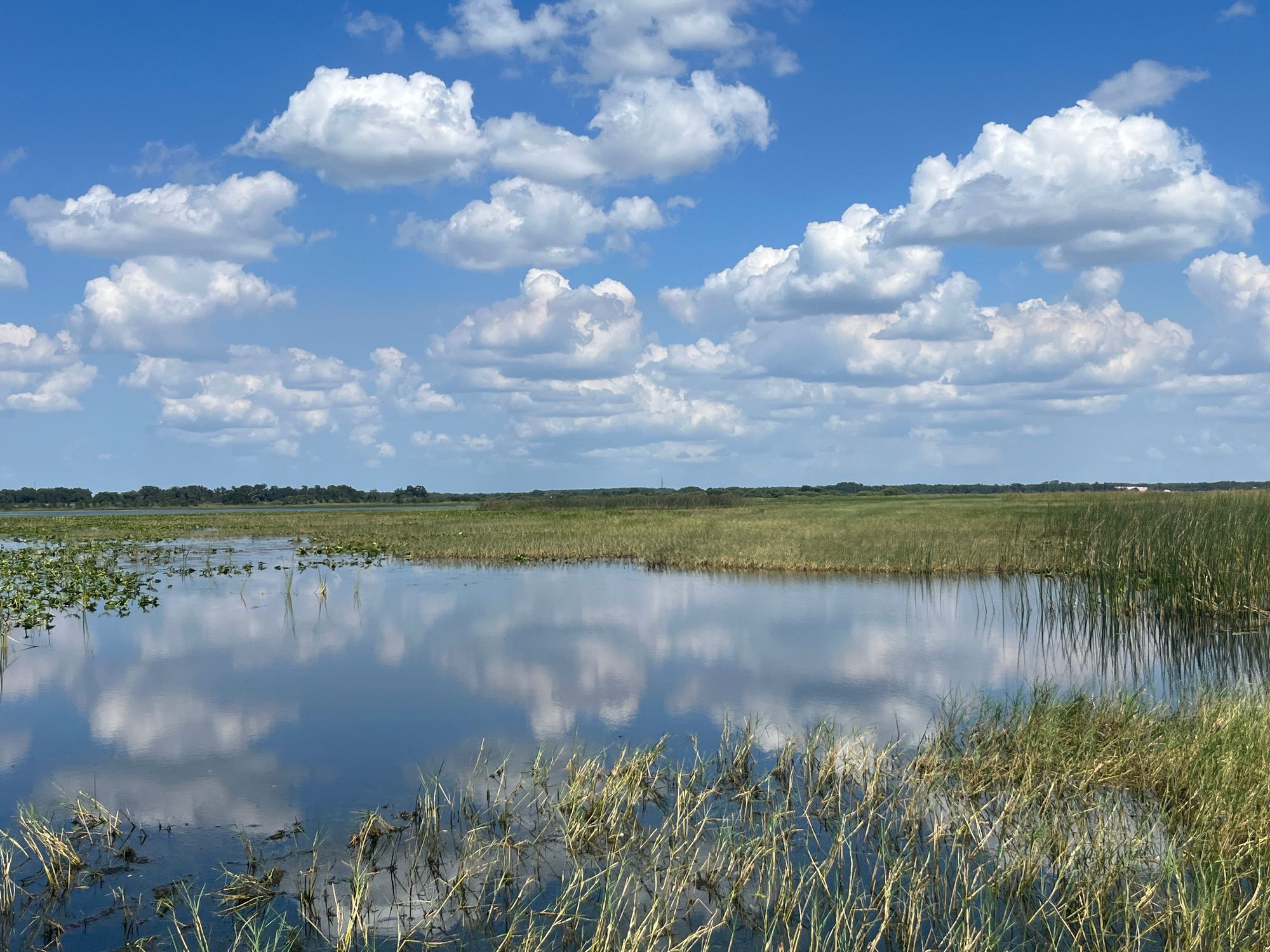
Lake Tohopekaliga
Lake Kissimmee
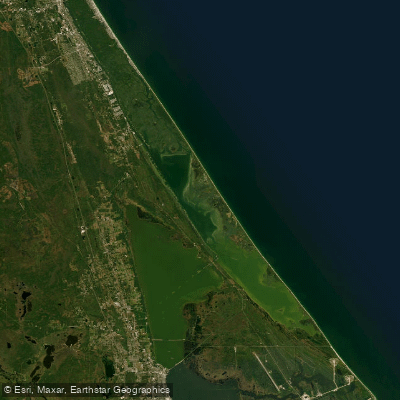
Mosquito Lagoon
Halifax River
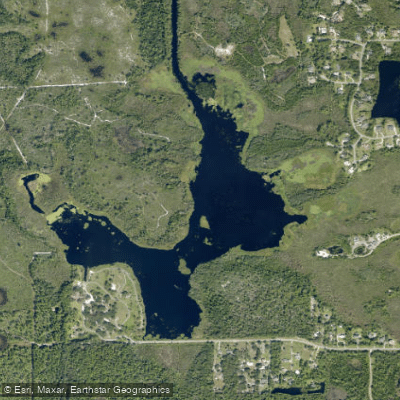
Fox Lake
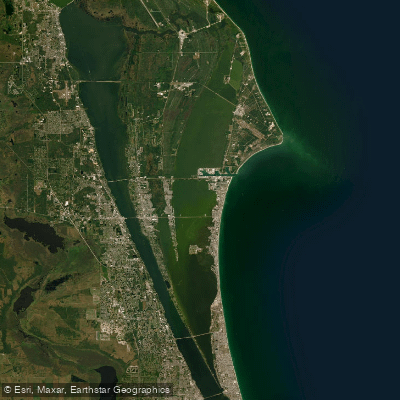
Banana River
Indian River
Explore Florida waters
Explore near Bluebill Creek
Smarter Fishing Starts in the App.
onWater Fish gives you everything you need to plan smarter, fish better, and own every trip from first cast to last.