Fishing near Apopka, FL
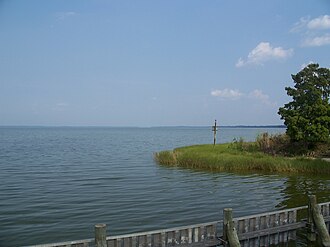
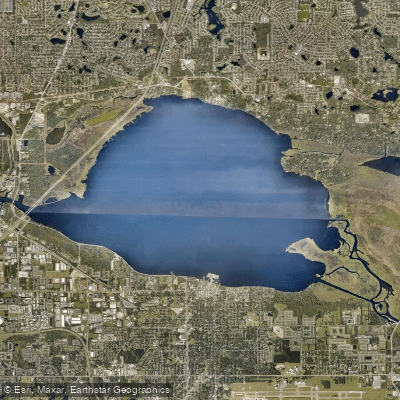
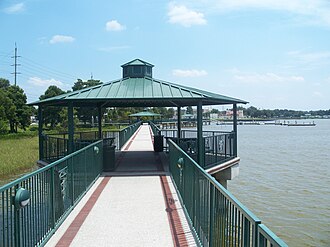
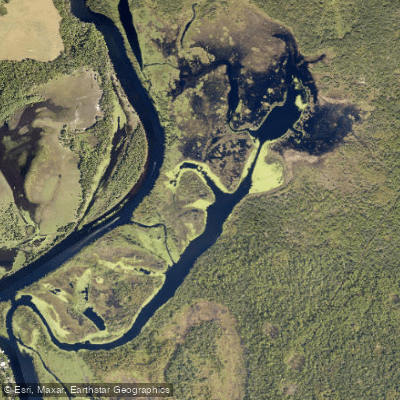
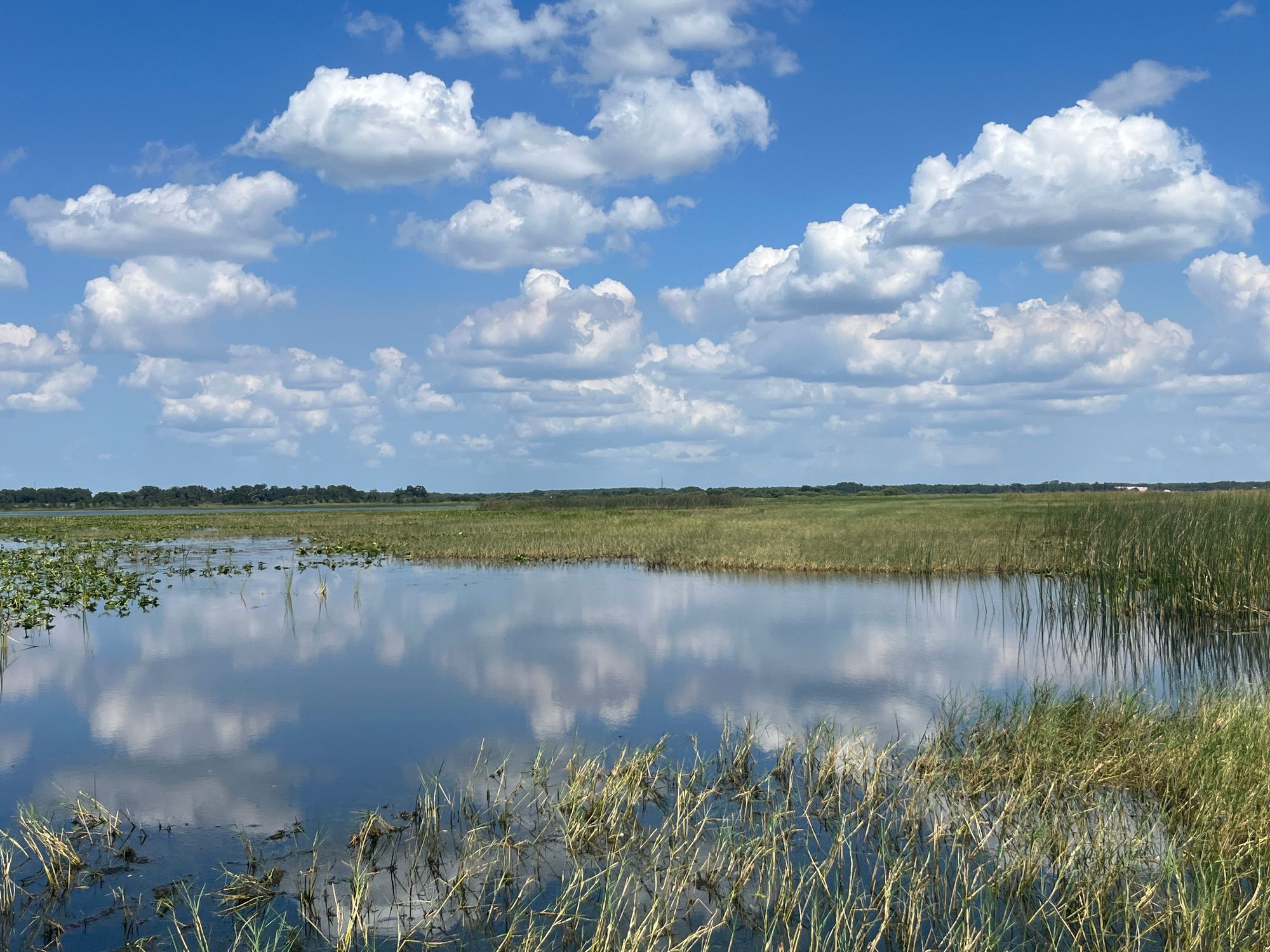
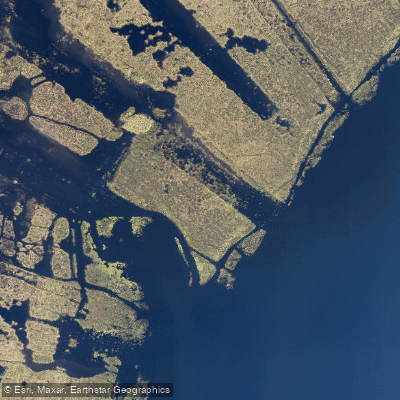
Sitting in Orange County at the northwest edge of metro Orlando, Apopka opens directly onto Lake Apopka, Florida's fourth-largest lake at over 30,000 acres and the headwaters of the Harris Chain of Lakes and Ocklawaha River. Once a collapsed trophy-bass fishery, the lake is rebounding under restoration, while the roughly 75,000-acre Harris Chain northwest of town anchors the regional scene for bass, crappie, and bream.
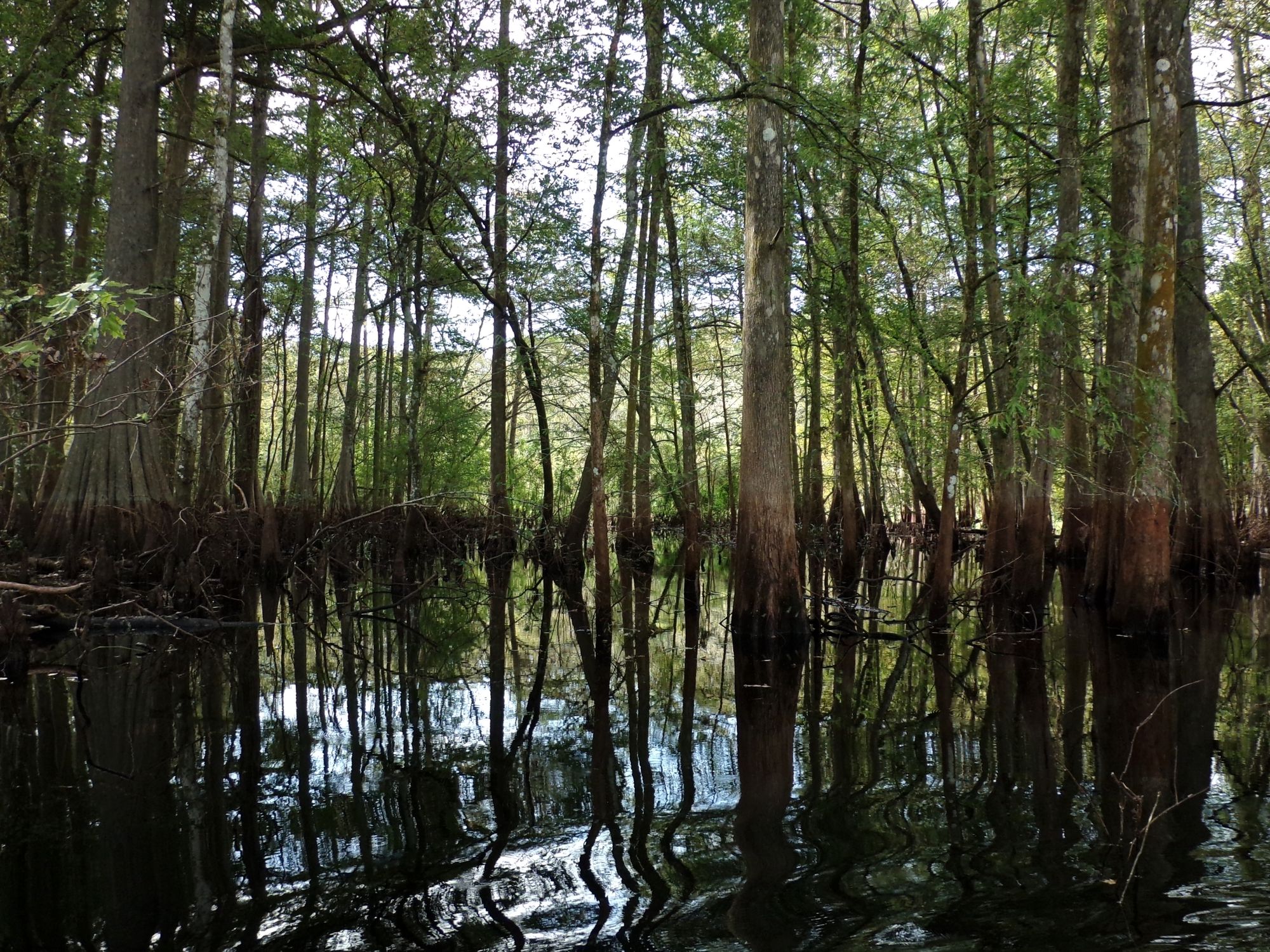
Species & education
Learn what type of fish are in Apopka, Florida and what's needed to catch them.

Find which waters have the species you want to catch
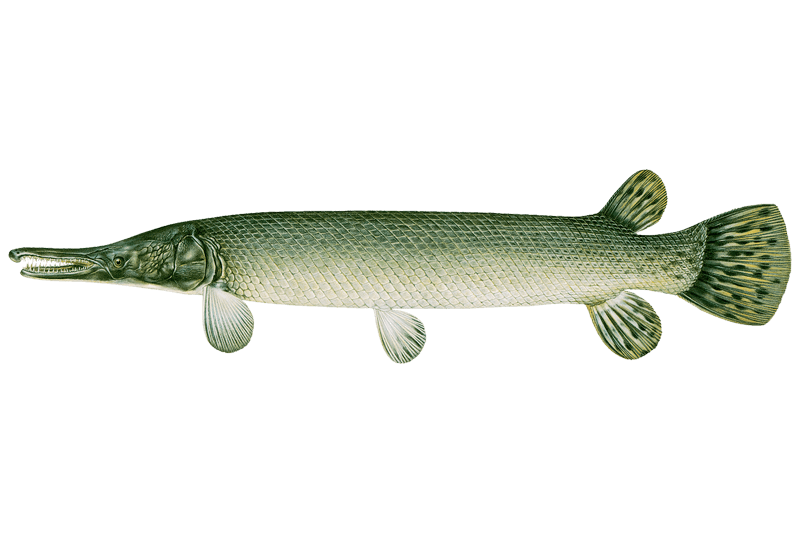
Alligator Gar
Atractosteus spatula

Black Crappie
Pomoxis nigromaculatus
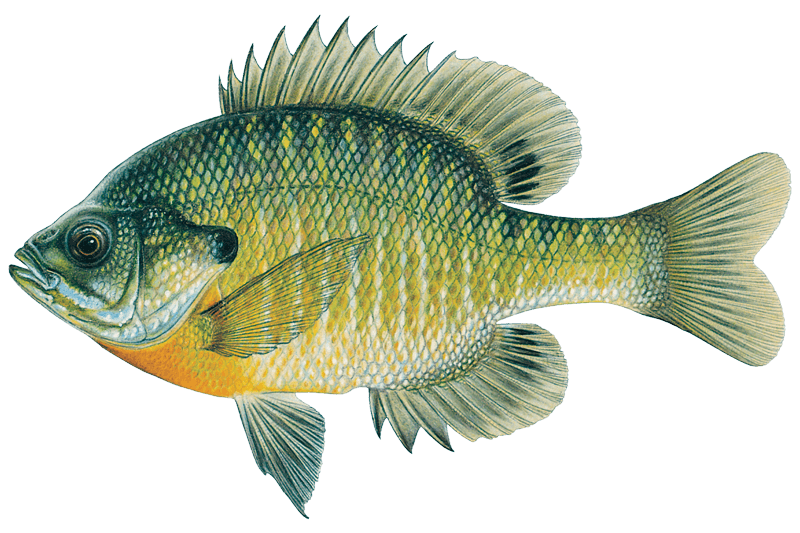
Bluegill
Lepomis macrochirus
Bluegill Sunfish
Lepomis macrochirus

Blue Tilapia
Oreochromis aureus

Bowfin
Amia calva

Brown Bullhead
Ameiurus nebulosus

Chain Pickerel
Esox niger

Channel Catfish
Ictalurus punctatus
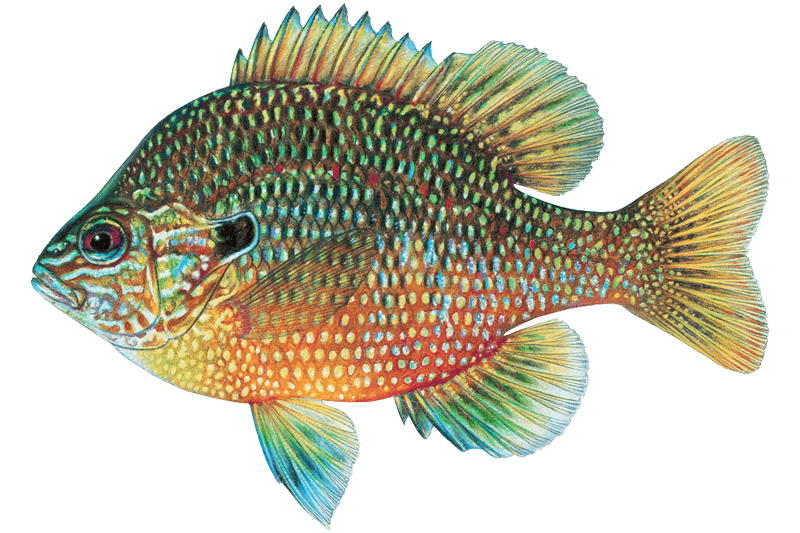
Dollar Sunfish
Lepomis marginatus

Eastern Mosquitofish
Gambusia holbrooki

Florida Gar
Lepisosteus platyrhincus

Gizzard Shad
Dorosoma cepedianum

Lake Chubsucker
Erimyzon sucetta

Largemouth Bass
Micropterus salmoides floridanus
Fishing guides near Apopka
Book a trip with a local fishing guide through Guidesly.

David Pechacek
David Paycheck Fishing Guide Service
5.0 (33 reviews)
FL Bass Fishing with David “Paycheck” Pechacek
Book on Guidesly, opens in new tab
Christian Ortiz
Jus Chillin Charters
5.0 (21 reviews)
Unforgettable Fishing Adventures in Daytona Beach!
Book on Guidesly, opens in new tab
Justin Makin
Makin Big Bass Memories
4.9 (12 reviews)
Windermere, FL premier & world class bass fishing!
Book on Guidesly, opens in new tab
Ronnie Taylor
Taylor's Pokin' Fun Airboat Adventures & Fishing Charters
5.0 (11 reviews)
Best Central Florida Charter in Cedar Key, FL
Book on Guidesly, opens in new tab
John Kyp
Reel-Axing Fishing Charters
5.0 (10 reviews)
Reel in big fishes with Reel-Axing Fishing Charter
Book on Guidesly, opens in new tab
Mike Davis
Jettie Rocks Fishing Charters
4.9 (8 reviews)
Jettie Rocks Port Orange Fishing Charters
Book on Guidesly, opens in new tab
Fish smarter with real-time insights
Whether you're en route and conditions shift or you're looking for the best spot based on current flows, we enable you to make informed decisions on the fly.







Florida licenses and regulations

Florida Boating Regulations
When using any type of watercraft to access a body of water, it is important to follow all federal, state, and local rules and regulations. These rules and regulations include boat permitting and licensing, invasive species inspections and stamps, life jacket and PFD rules, motor size and horsepower restrictions, noise limitations, restrictions on personal watercraft, and many more. Visit the web link below for the most current rules and regulations for this body of water.

Florida Fishing License
Youth under the age of 16 do not need a fishing license, although they must abide by all other fishing regulations such as gear type, bag and size limits. They may, however, be asked to provide proof of age.

Florida Fishing Regulations
This river has a variety of species and regulations, including potential floating and/or watercraft restrictions. Because this river is specially managed for species, seasons, angling methods, and watercraft, it is strongly encouraged you check all federal, state, and local regulations before fishing. Visit any of the links below, inquire locally, or contact a local fly shop to learn current regulations and restrictions.

Florida Stream Access Laws
Florida access law holds pretty close to the federal definition of navigability, but some state cases suggest that it’s a bit more lenient, and recognizes recreation as a determinant of what’s navigable. The public may use navigable waters up to the high water mark so long as they access through public lands. There are, however, some exceptions where submerged land was either granted into private control before statehood, or sold by the state into private hands.
Smarter Fishing Starts in the App.
onWater Fish gives you everything you need to plan smarter, fish better, and own every trip from first cast to last.