Kwikpak Pass
- Saltwater
- Pass
- Saltwater
- Pass
- Sq. miles
- 9.7
- Boat Ramps
- 0
- Access Points
- 0
- Species
- 2
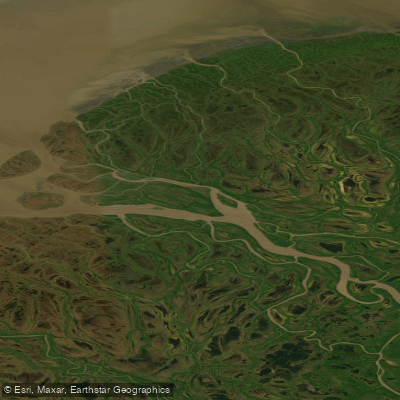
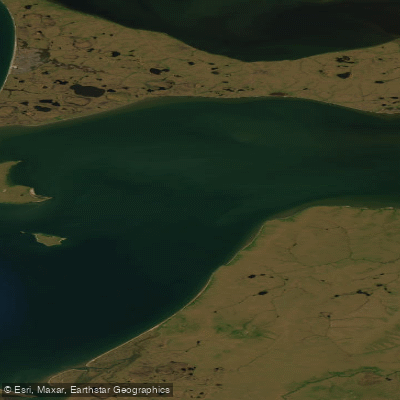
Kwikpak Pass is a significant tidal distributary channel within the Yukon River Delta, flowing into the Bering Sea. It is one of the three main year-round passes—alongside Kwikluak Pass and Apoon Pass—that form the expansive river delta. This is a dynamic saltwater and tidal environment characterized by shifting channels, mudflats, and a landscape heavily influenced by the mighty Yukon River's outflow. The area has deep historical roots as a site for trading posts and has long supported both commercial and subsistence fisheries. Fishing here is governed by the powerful interplay of tides, seasonal salmon runs, and the unique geography of the delta.
Species & education
Learn what type of fish are at Kwikpak Pass and what's needed to catch them.

Find which waters have the species you want to catch
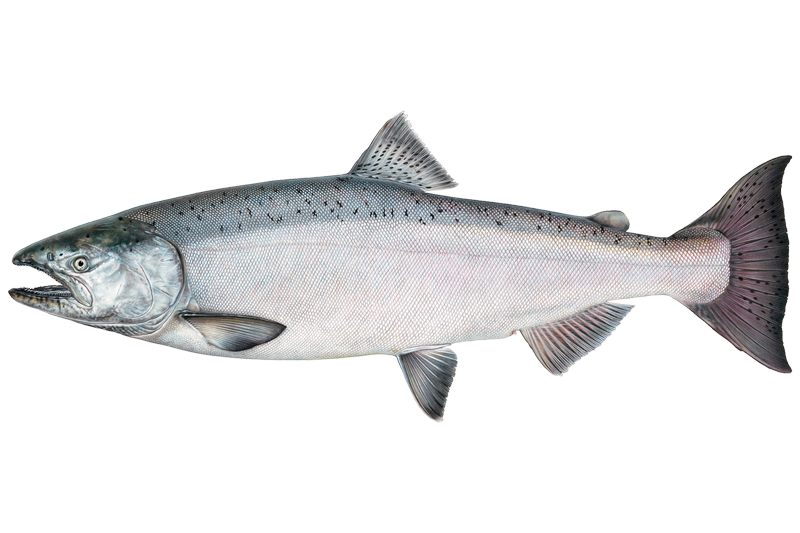
Chinook Salmon
Oncorhynchus tshawytscha
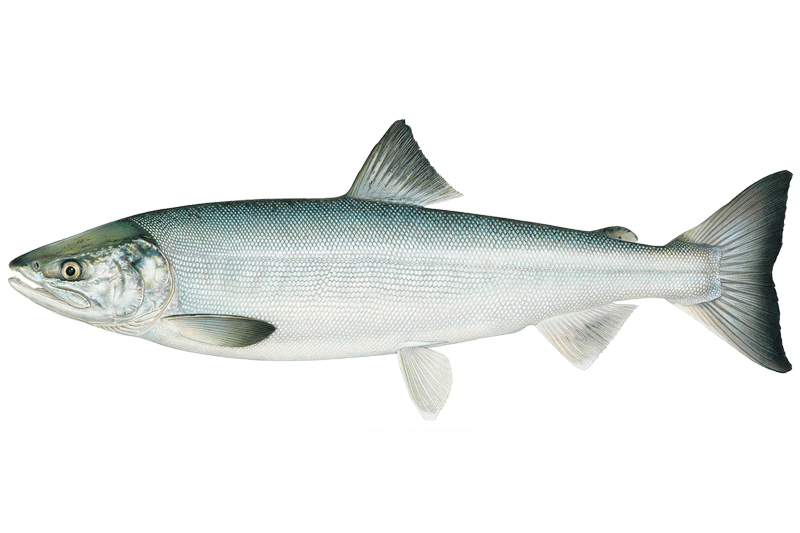
Chum Salmon
Oncorhynchus keta
Fishing spots, boat ramps & amenities
Learn how to get on Kwikpak Pass. Uncover great fishing access points, boat ramps, and all the facilities you need for an unforgettable day on the water. Some locations shown may border or include private property. Always check property boundaries and applicable regulations before visiting. onWater's Public & Private Land layer can help you plan your access with confidence.
Productive fishing occurs along the edges of the main channel where tidal currents create seams and eddies. The area approximately one mile downstream of a designated Station 2 on the east bank has been used as a test fishing site, indicating known fish travel corridors. The confluence areas where other sloughs and passes meet can also concentrate fish. Underwater structure consists primarily of the deep, sculpted channels of the pass itself, which can be 0.5 to 3 meters deep, bordered by extensive shallow mudflats and grassland banks.
Know where you can legally fish on Kwikpak Pass
See public and private land boundaries along the water, turn on private parcels with owner details to know where permission is required, and find land-trust parcels that offer permitted fishing access.
Alaska licenses and regulations

Alaska Boating Regulations
When using any type of watercraft to access a body of water, it is important to follow all federal, state, and local rules and regulations. These rules and regulations include boat permitting and licensing, invasive species inspections and stamps, life jacket and PFD rules, motor size and horsepower restrictions, noise limitations, restrictions on personal watercraft, and many more. Visit the web link below for the most current rules and regulations for this body of water.

Alaska Coastal & Inland Waters
A single Alaska sport fishing licence covers both freshwater and marine coastal waters under state jurisdiction, so no separate saltwater licence is needed. The Alaska Department of Fish and Game manages state waters and publishes region-specific regulations for areas including Southeast, Southcentral, Southwest, and Northern Alaska. When fishing in waters that fall under federal jurisdiction beyond the state boundary, federal rules apply instead.

Alaska Federal Waters & Offshore Rules
Once you fish beyond state waters, NOAA Fisheries and the North Pacific Fishery Management Council set the rules. Federal regulations govern species such as tuna, sharks, swordfish, and billfish in those offshore waters. Check NOAA Fisheries for any federal permits or reporting requirements that apply to the species and gear you plan to use.

Alaska Saltwater Fishing License
Alaska residents 18 and older and nonresidents 16 and older must have a sport fishing licence to fish in both fresh and marine waters. The Alaska Department of Fish and Game issues licences, and resident seniors 60 and older plus qualifying disabled veterans use a free ADF&G Identification Card instead. Resident anglers under 18 and nonresidents under 16 are exempt from the licence requirement, and a separate king salmon stamp is required for anyone targeting king salmon.

Alaska Saltwater Size & Bag Limits
Size and bag limits apply per species and can shift throughout the year, and emergency orders can change them at any time. The Alaska Department of Fish and Game sets these rules for species including king salmon, silver salmon, halibut, rockfish, and lingcod. Check the current regulations for the region where you plan to fish before heading out, and always look for active emergency orders.

Alaska Shellfish Closures & Advisories
Recreational shellfish harvesting in Alaska is subject to closures that can be issued at any time due to biotoxins, paralytic shellfish poisoning, or other public health concerns. The Alaska Department of Environmental Conservation monitors biotoxin levels and posts current closure and advisory information. Check those advisories before harvesting clams, oysters, crab, or other shellfish, as affected areas can change quickly and contaminated shellfish show no visible signs of toxicity.
Take Kwikpak Pass with you
The onWater Fish app keeps this water's access points, species and conditions in your pocket, with the tools you use once you're there.
Use the map without signal
Download the map around Kwikpak Pass to use it offline when coverage drops.
Log your catches here
Keep a private fishing journal for Kwikpak Pass to find where and when fish are biting for you.
Get the onWater Fish app
Free on iOS and Android
Tides, wind & water conditions (10 day forecast)
On open water, wind and tide matter as much as the weather. See the best times to fish Kwikpak Pass and check the marine forecast before you launch.
Loading tide predictions…
Explore Alaska waters
Explore near Kwikpak Pass
Fish species
Nearby waters
More in Alaska
Smarter Fishing Starts in the App.
onWater Fish gives you everything you need to plan smarter, fish better, and own every trip from first cast to last.