Fishing in Lake District National Park
- National Park
- Lakes
- 128
- Rivers
- 866
- Access
- 18
- Boat Ramps
- 1
- Shops
- 0
- Species
- 15
The Lake District sits in Cumbria, in the northwest of England, and holds one of the most varied collections of freshwater in Britain: deep glacial lakes, mountain tarns, and rivers that drain west and east off the fells.
The national park contains 16 major lakes and tarns, and the fishing reflects that variety — wild brown trout and Arctic char in the lakes, salmon and sea trout in the connecting rivers, and pike and perch running to serious sizes in the larger waters.
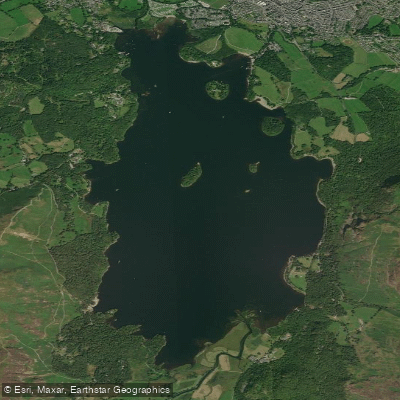
Windermere is the natural starting point. At 14. 8 km long, it holds pike, perch, bream, trout, char, and occasional salmon and sea trout. Lure fishing for pike and perch is productive year-round, particularly from a boat working structure and drop-offs.
Summer bream fishing with a large feeder and groundbait can be exceptional, and the Strawberry Gardens area is a known mark. Day-ticket access is available from Bowness-on-Windermere.
Coniston Water is the place to target Arctic char — a glacial relict species found in only a handful of English lakes — alongside pike. Ullswater holds big brown trout and the Schelly, a lake-strain fish found in very few waters.
Both Coniston and Ullswater are free to fish with an Environment Agency rod licence.
Bassenthwaite is different: the national park authority issues its own fishing permit here, required for shore and boat fishing, and anglers should check the current rules and permit structure directly with the park.
The lake also has designated no-boating zones, and the park asks all anglers to follow check, clean, dry biosecurity procedures to prevent the spread of invasive species — a practice worth taking seriously on every water you visit here.
On the rivers, the Derwent carries salmon and sea trout runs in autumn. The rivers Esk, Brathay, Cocker, and Eamont all hold brown trout, with many beats managed by local angling associations offering day tickets.
The Windermere, Ambleside and District Angling Association manages several stocked trout waters in the southern part of the park. Brown trout season on most Cumbrian waters runs from mid-March to the end of September.
Char fishing peaks in late spring and early summer when fish move into accessible thermoclines. Pike come into their own from October onward, once the trout season closes on managed lakes. The park is well-fished and well-watched.
Permits, access arrangements, and byelaws vary by water — the right move before any trip is to confirm current rules with the relevant association or the park authority directly.
Top waters to fish near Lake District National Park

Species & education
Learn what type of fish are in Lake District National Park and what's needed to catch them.
Find which waters have the species you want to catch

Atlantic Cod
Gadus morhua

Blonde Ray
Raja brachyura

Bull Huss
Scyliorhinus stellaris

Common Sole
Solea solea

Cuckoo Ray
Leucoraja naevus

European Eel
Anguilla anguilla

European Flounder
Platichthys flesus

European Plaice
Pleuronectes platessa

Grey Gurnard
Eutrigla gurnardus

Lesser Spotted Dogfish
Scyliorhinus canicula

Lesser Weever
Echiichthys vipera

Sea Trout
Salmo trutta

Spotted Ray
Raja montagui

Thornback Ray
Raja clavata

Tub Gurnard
Chelidonichthys lucerna
Water and weather conditions (10 day forecast)
See the best times to fish Lake District National Park and check the forecast before you go.
No forecast data available.
Fish smarter with real-time insights
Whether you're en route and conditions shift or you're looking for the best spot based on current flows, we enable you to make informed decisions on the fly.




Fishing near Lake District National Park
Loading...
Gateway towns
Where to base yourself for fishing in Lake District National Park.
- AmblesideCumbria
The most central base in the park, with gear shops, guides, hostels, hotels, and easy access to major fells and lakes.
- KeswickCumbria
Main hub for the northern Lakes, offering adventure outfitters, guided walks, and access to Skiddaw and Derwentwater.
- WindermereCumbria
Primary rail gateway into the park, with lodging, boat launches on England's largest lake, and visitor services.
- GrasmereCumbria
Popular village base in the heart of the park, well-placed for fell walks and with a good range of accommodation.
- ConistonCumbria
Southern base for Coniston Water and the Old Man of Coniston, with boat hire and walking guides on hand.
Explore Lake District National Park
Top fishing waters
Popular Cities
Loading popular cities...

Smarter Fishing Starts in the App.
onWater Fish gives you everything you need to plan smarter, fish better, and own every trip from first cast to last.