Great Deep
- Saltwater
- Bay
- Saltwater
- Bay
- Sq. miles
- 0.1
- Boat Ramps
- 0
- Access Points
- 0
- Species
- 0
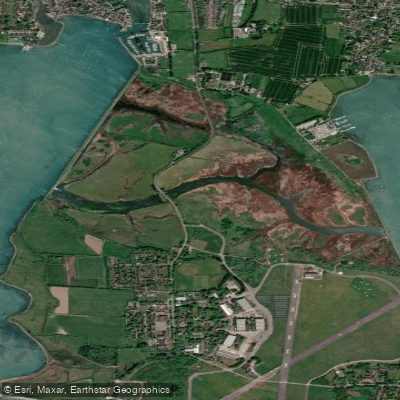
Great Deep is a narrow, tidal channel that effectively separates Thorney Island from the mainland of West Sussex, forming a key part of the Chichester Harbour system. It is a broad sweep of rushing saltwater that slices through the landscape, acting as a natural moat. The channel is characterized by significant tidal movement, with water rushing through gaps in the sea walls to fill with each high tide, exposing surrounding mudflats and silt banks as the tide recedes. The area is part of a larger estuarine environment of marshes, sandbanks, and lagoons, with the southern tip of Thorney Island designated as an RSPB nature reserve. The geography is flat, with the channel bordered by reclaimed land, sea walls, and grazing marshes.
Species & education
Learn what type of fish are at Great Deep and what's needed to catch them.
No species information available.
Fishing spots, boat ramps & amenities
Learn how to get on Great Deep. Uncover great fishing access points, boat ramps, and all the facilities you need for an unforgettable day on the water. Some locations shown may border or include private property. Always check property boundaries and applicable regulations before visiting. onWater's Public & Private Land layer can help you plan your access with confidence.
The key structure is the channel itself—the "Great Deep." The areas where the channel constricts under the footbridges and gaps in the sea walls are natural focal points, as accelerating current funnels baitfish. The edges where the deep channel meets the shallow mudflats and sandbanks are prime ambush points. The mouth of the channel at either end, where it meets the broader Emsworth Channel and harbour, are also likely holding areas for fish transitioning between habitats.
Know where you can legally fish on Great Deep
See public and private land boundaries along the water, turn on private parcels with owner details to know where permission is required, and find land-trust parcels that offer permitted fishing access.
England licenses and regulations
England Boating Regulations
Canal & River Trust is the navigation authority for most inland canals and rivers in England and Wales, covering boat licences, registration, and rules of navigation. For coastal/sea boating the national Maritime & Coastguard Agency guidance applies instead.

England Fishing License
An Environment Agency rod fishing licence is required to fish for salmon, trout, freshwater fish, smelt or eel in England. Buy a short-term or annual licence online via GOV.UK; junior licences are free but must be registered.
England Fishing Regulations
The official Environment Agency freshwater rod-fishing byelaws for England: close seasons, size and catch limits, permitted baits and methods, and rod limits. These apply in addition to holding a rod licence.

England Stream Access Laws
Closest official page on public access to land and water in England. Note there is no general public right to fish - fishing rights are privately owned, so you need the owner's or club's permission or a permit even where access on foot exists.
Take Great Deep with you
The onWater Fish app keeps this water's access points, species and conditions in your pocket, with the tools you use once you're there.
Use the map without signal
Download the map around Great Deep to use it offline when coverage drops.
Log your catches here
Keep a private fishing journal for Great Deep to find where and when fish are biting for you.
Get the onWater Fish app
Free on iOS and Android
Tides, wind & water conditions (10 day forecast)
On open water, wind and tide matter as much as the weather. See the best times to fish Great Deep and check the marine forecast before you launch.
Loading tide predictions…
Fishing near Great Deep
River Thames
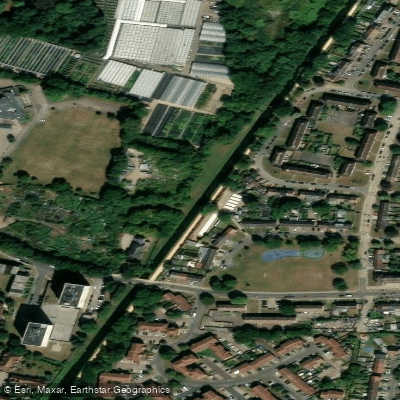
New River
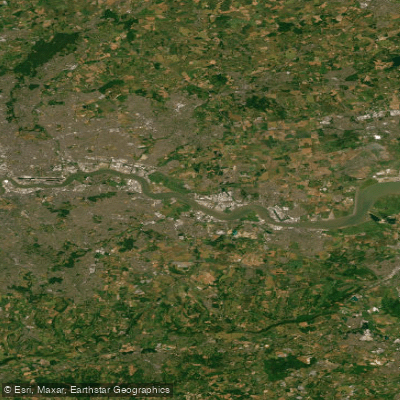
THAMES MIDDLE
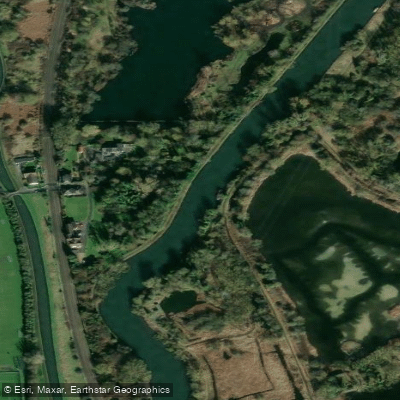
River Lea
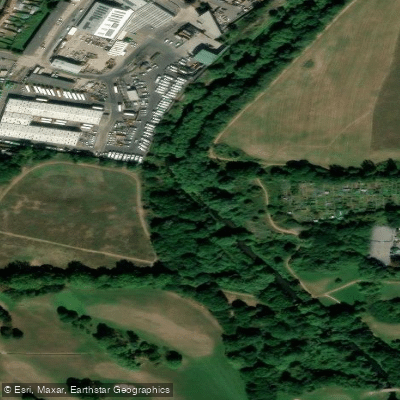
River Brent
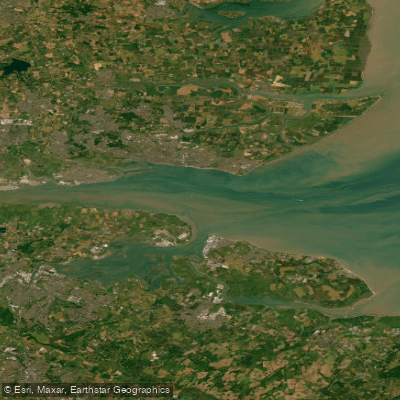
THAMES LOWER
River Roding
River Mole
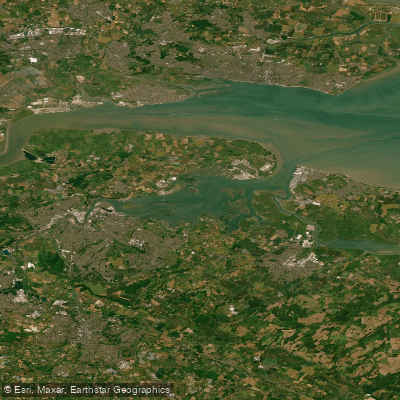
MEDWAY
Pymme's Brook
Explore England waters
Top fishing waters
No waters available right now.
Explore near Great Deep

Smarter Fishing Starts in the App.
onWater Fish gives you everything you need to plan smarter, fish better, and own every trip from first cast to last.