Fishing in Parque Nacional Queulat
- National Park
- Lakes
- 6
- Rivers
- 2
- Access
- 2
- Boat Ramps
- 0
- Shops
- 0
Parque Nacional Queulat sits in the Aysén Region of Chilean Patagonia, roughly midway between Chaitén and Coyhaique along the Carretera Austral.
Its 154,093 hectares take in steep Andean cordillera, dense temperate rainforest, fjords, and the glacially carved valleys that feed the park's rivers and lakes.
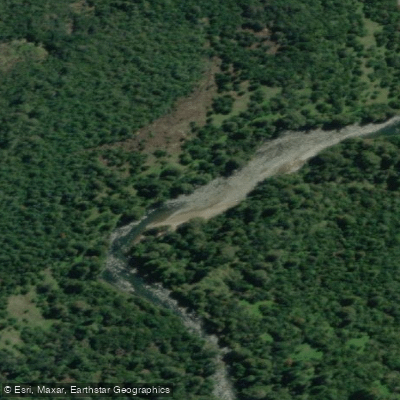
The landscape is defined by water — fast rivers, cold lagoons, and the kind of persistent rainfall that keeps everything saturated year-round. The Río Ventisquero runs through the most-visited sector of the park, near the hanging glacier.
It's a short, powerful river fed directly by glacial melt, and it passes close to the main trail infrastructure.
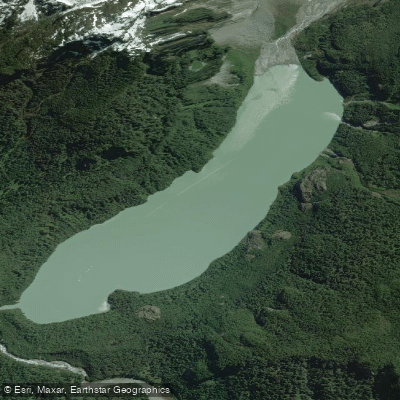
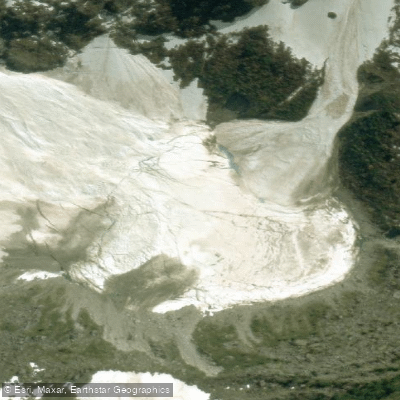
Laguna Los Témpanos sits at the base of the Ventisquero Colgante and is accessible in summer by inflatable dinghy — the water here is cold and the setting is dominated by the glacier face above.
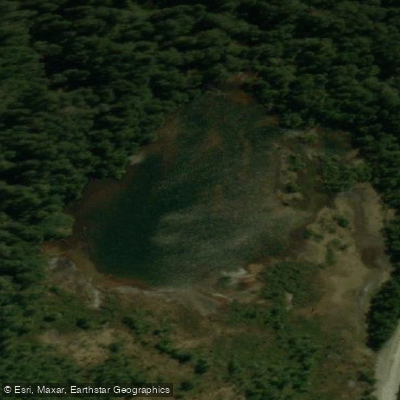
Laguna Los Pumas is reached by a longer trail that climbs through forest from the Lago Risopatrón shoreline; it's a more remote piece of water and sees far fewer visitors.
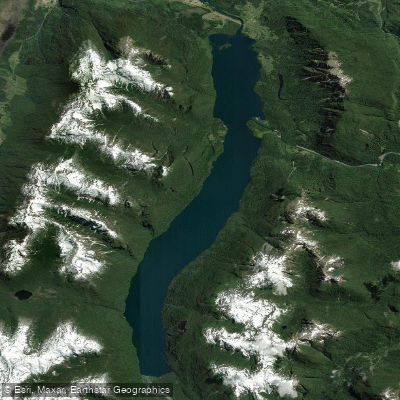
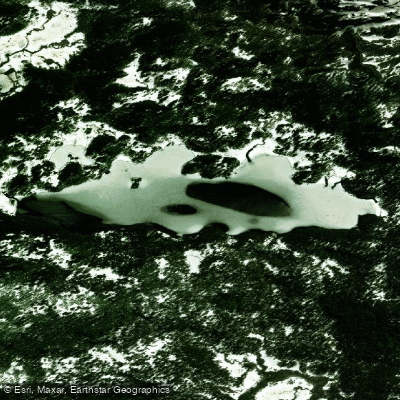
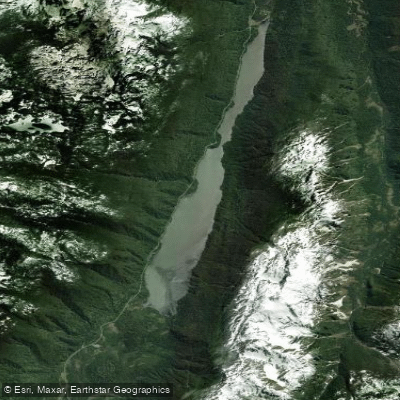
Lago Risopatrón itself borders the park near Puyuhuapi and sits alongside the Carretera Austral, making it one of the more accessible waters in the area.
Lago Rosselot, listed among nearby waters, lies outside the immediate park core but within the broader protected landscape of the region. The park is administered by CONAF, and entry requires advance booking through PasesParques. cl.
The first source consulted notes that sport fishing is not permitted inside a protected wilderness area — and Queulat carries that same designation.
Anglers looking to fish the surrounding waters, including the Río Cisnes drainage and the lakes near Puerto Cisnes and Villa Amengual, will find that fishing is permitted in the areas surrounding the park rather than within its boundaries.
Check directly with CONAF for current regulations before making the trip. Access from Puyuhuapi is straightforward — a bus runs Tuesday through Sunday, departing at 08:30 and returning at 15:00, with a minimum passenger requirement.
The park is closed Mondays and closes to new entries at 13:30 on visiting days. This is not easy country. Rain is the baseline, not the exception, and the rivers run cold and fast from glacial and snowmelt.
The fishing in the surrounding region is serious — the Río Cisnes in particular draws fly anglers — but inside the park boundaries, the water is protected.
Come to understand what a Patagonian watershed looks like before it's been touched, and plan your fishing for the waters just beyond the park's edge.
Top waters to fish near Parque Nacional Queulat
Species & education
Learn what type of fish are in Parque Nacional Queulat and what's needed to catch them.
No species information available.
Water and weather conditions (10 day forecast)
See the best times to fish Parque Nacional Queulat and check the forecast before you go.
No forecast data available.
Fish smarter with real-time insights
Whether you're en route and conditions shift or you're looking for the best spot based on current flows, we enable you to make informed decisions on the fly.




Fishing near Parque Nacional Queulat
Loading...
Gateway towns
Where to base yourself for fishing in Parque Nacional Queulat.
- PuyuhuapiAysén
Closest town to the park's main Ventisquero Colgante sector, with lodging, hot springs, and the starting point for most visitor itineraries.
- Puerto CisnesAysén
Coastal town serving the park's western access, with bus connections that pass through the Queulat area along the Carretera Austral.
- La JuntaAysén
Northern gateway town along the Carretera Austral with lodging and services for visitors approaching the park from the north.
- Villa AmengualAysén
Small Carretera Austral settlement near the park's southern reaches, used as a base by visitors exploring that end of the park.
Explore Parque Nacional Queulat
Top fishing waters
Popular Cities
Loading popular cities...

Smarter Fishing Starts in the App.
onWater Fish gives you everything you need to plan smarter, fish better, and own every trip from first cast to last.