Bluegill
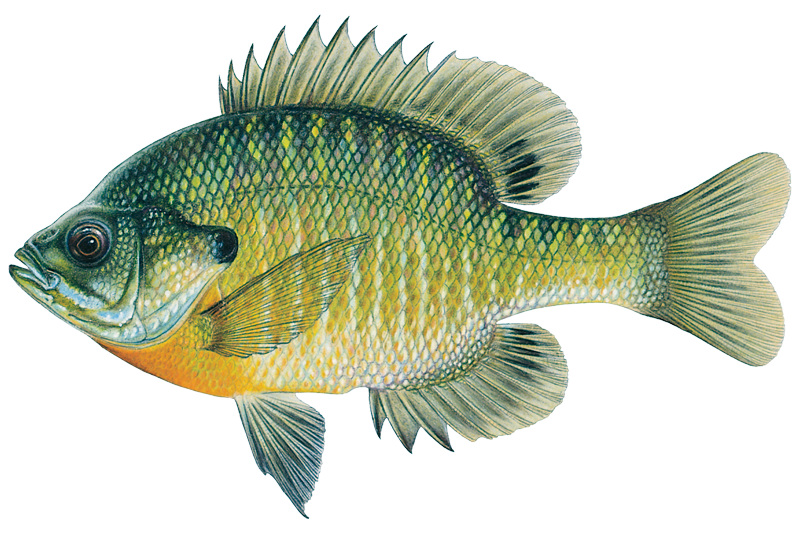
Bluegill are native to Arkansas waters and thrive in the state's abundant lakes, rivers, and streams east of the Rocky Mountains. These deep-bodied panfish are highly social fish, typically found in schools ranging from 6-10 fish to hundreds.
Scientific Name: Lepomis macrochirus
- These deep-bodied panfish are easily identified by their distinctive blue coloration on the lower jaw and gill covers, dark olive bands down their sides, and characteristic black 'ear' spot on the gill cover.
- Arkansas bluegill typically range from 4-12 inches, with exceptional specimens reaching 16 inches and over 4 pounds.
Fishing in Arkansas
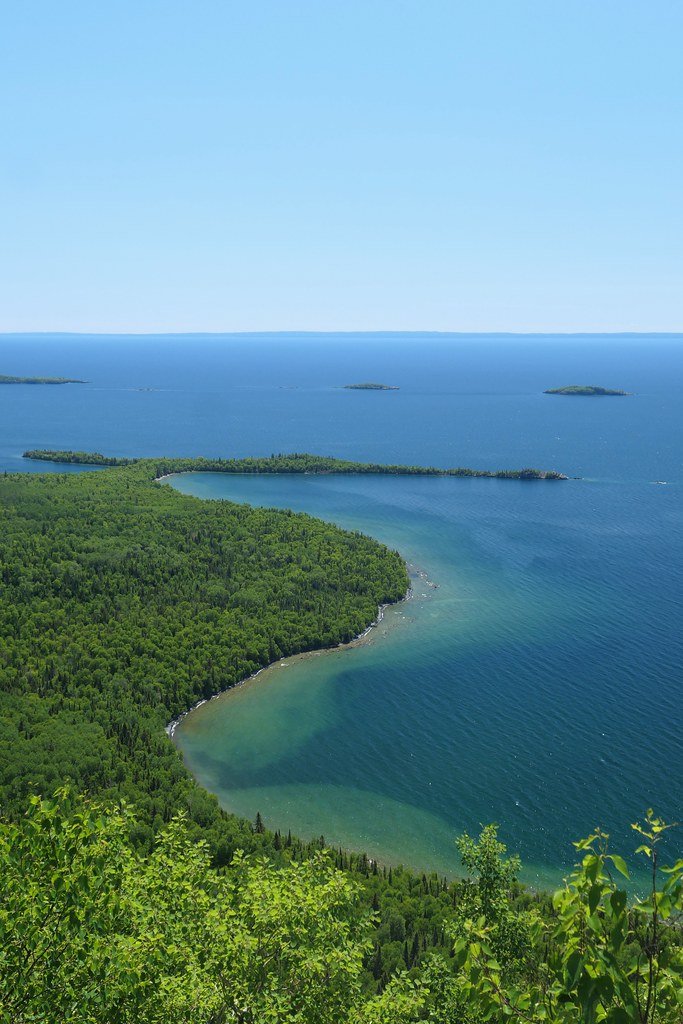
Lac Supérieur
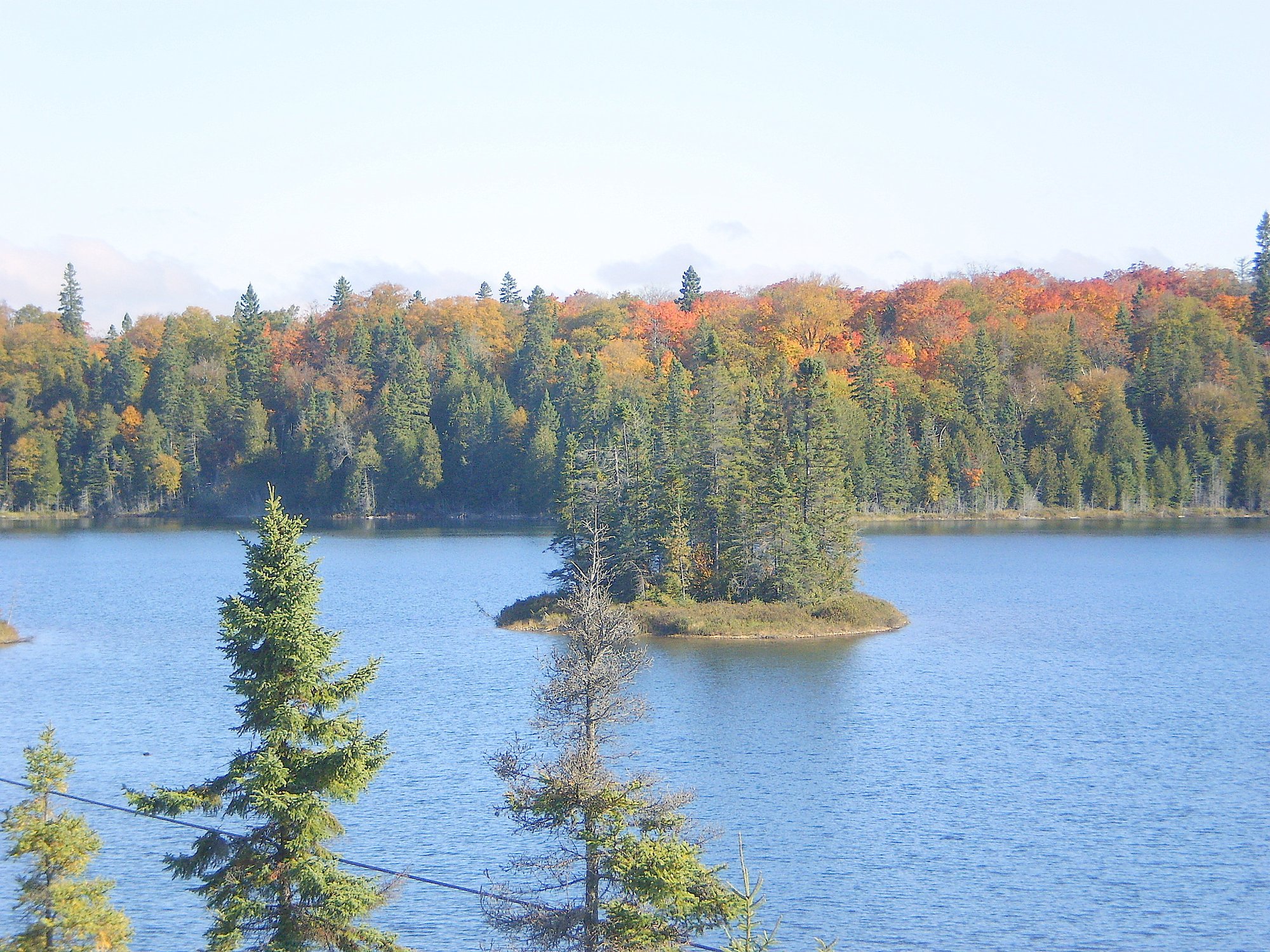
Lac des Bois
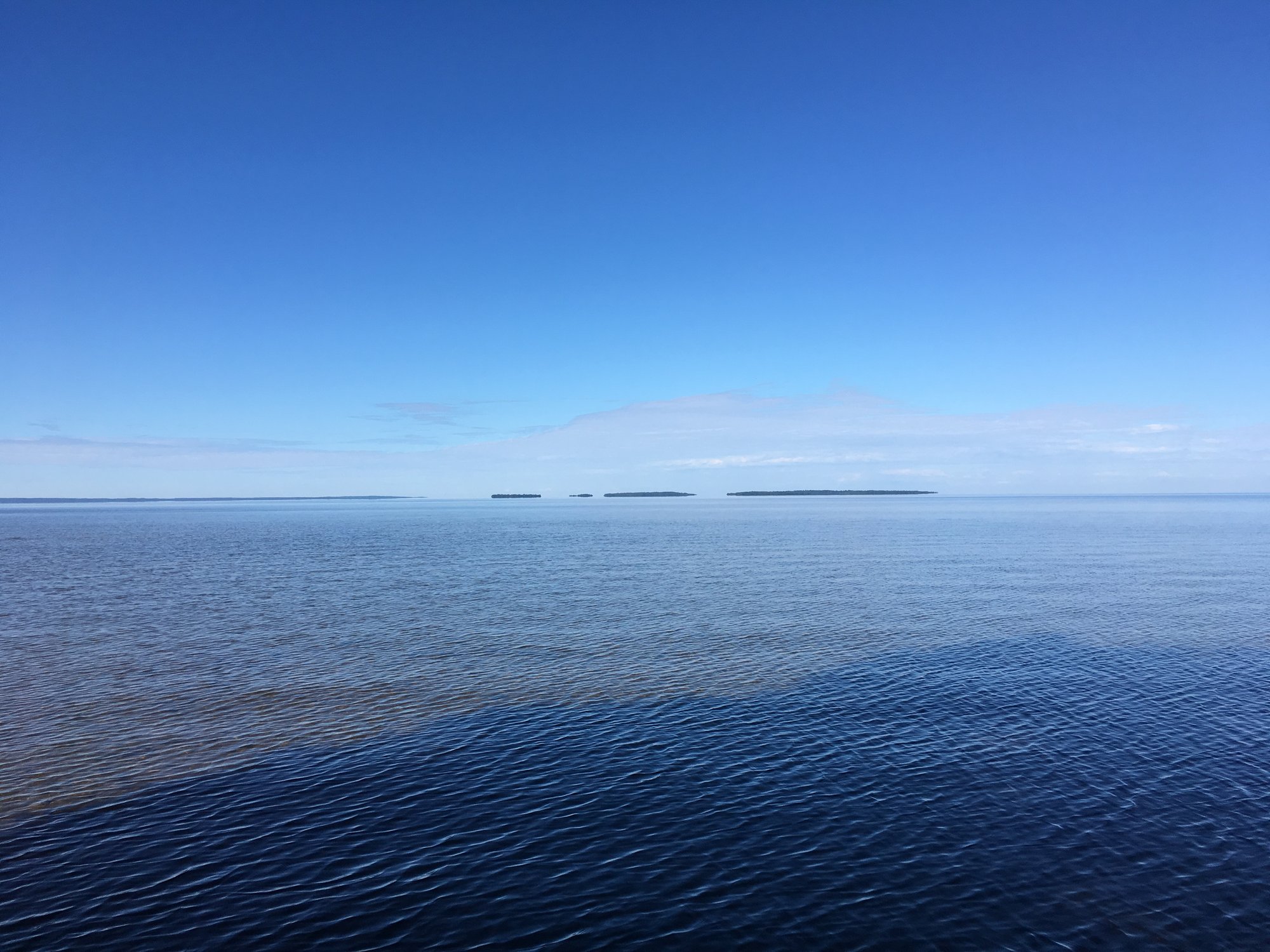
Lac Nipissing
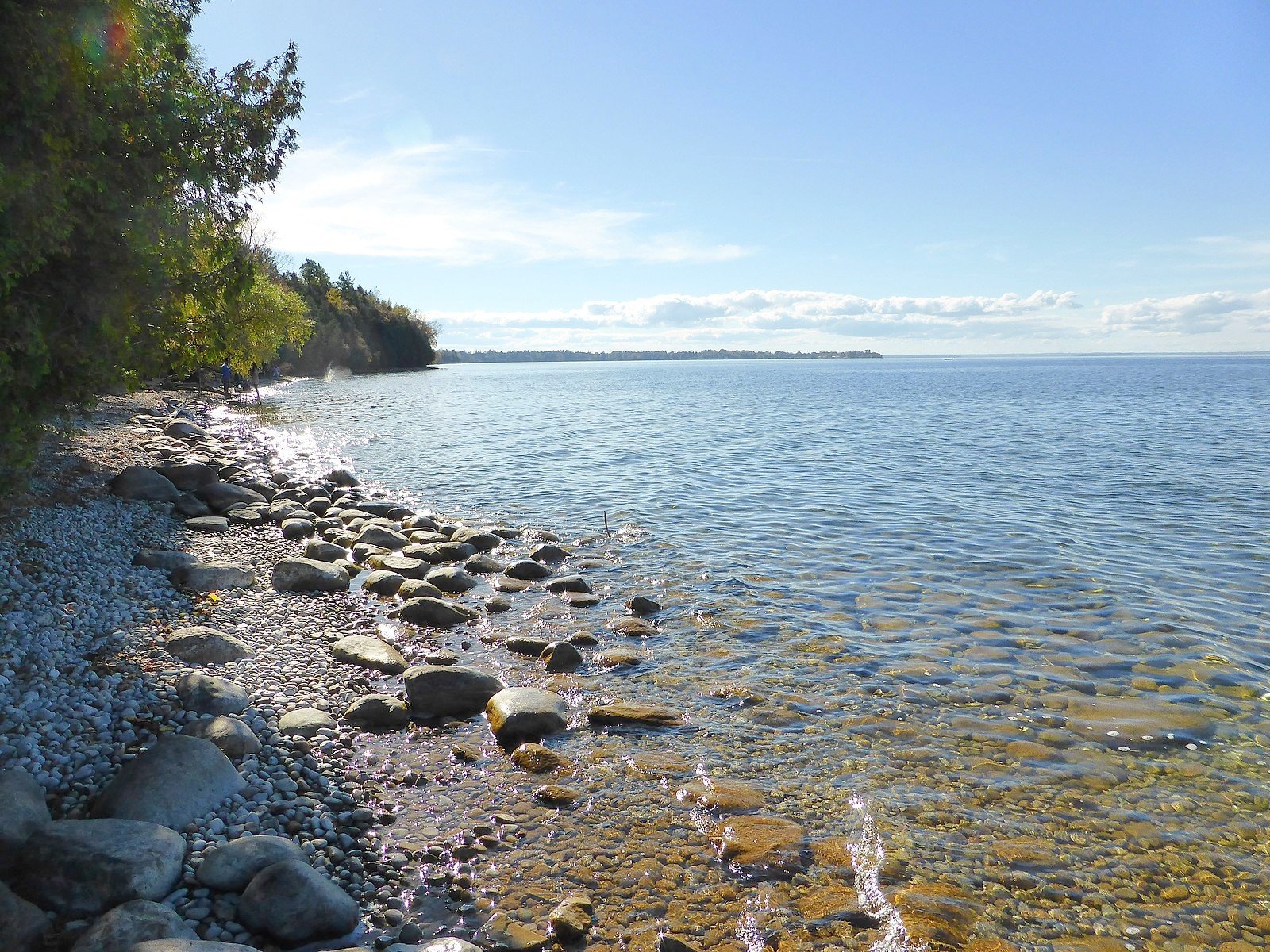
Lake Simcoe

Big Trout Lake
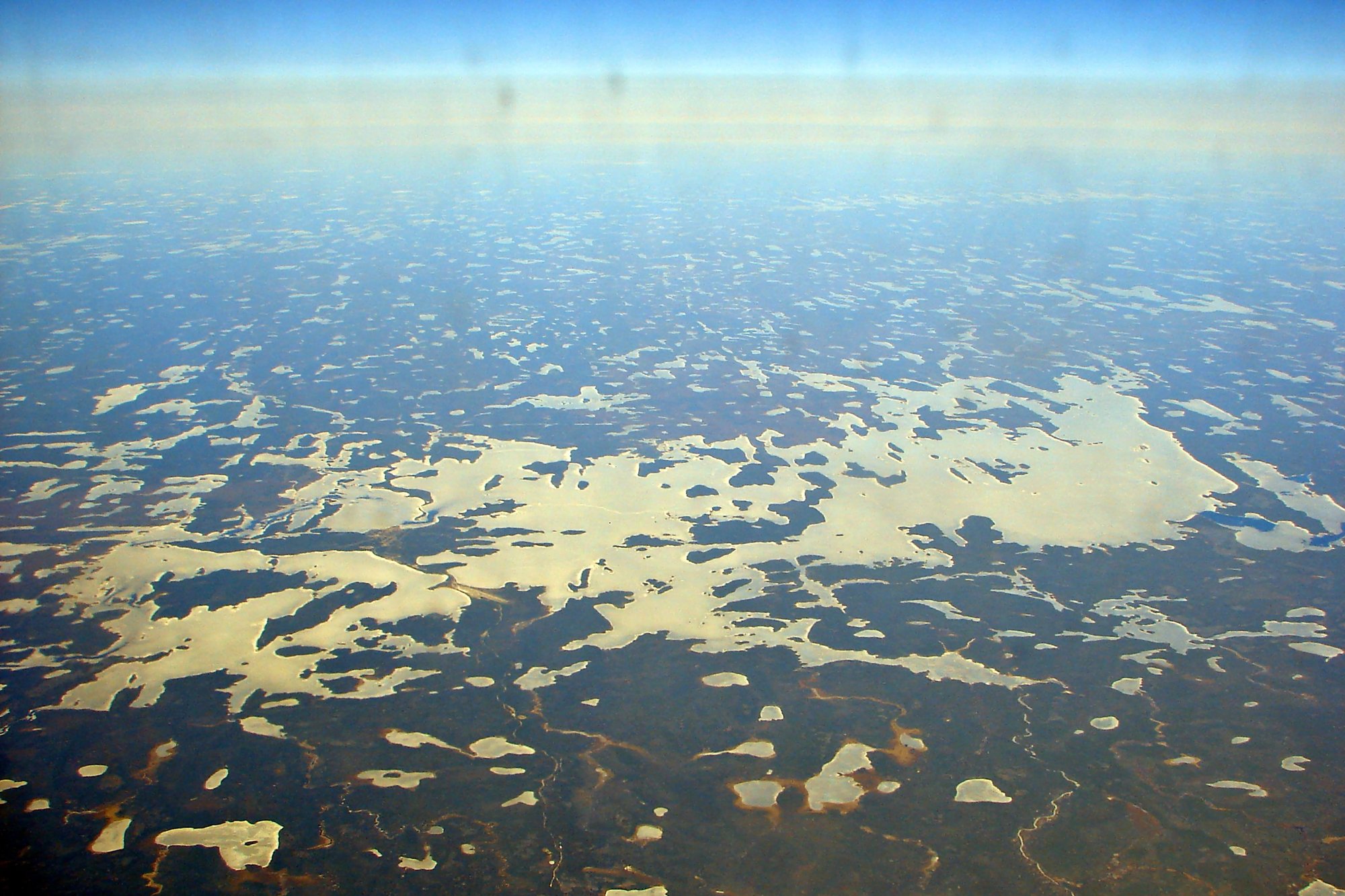
Wunnummin Lake
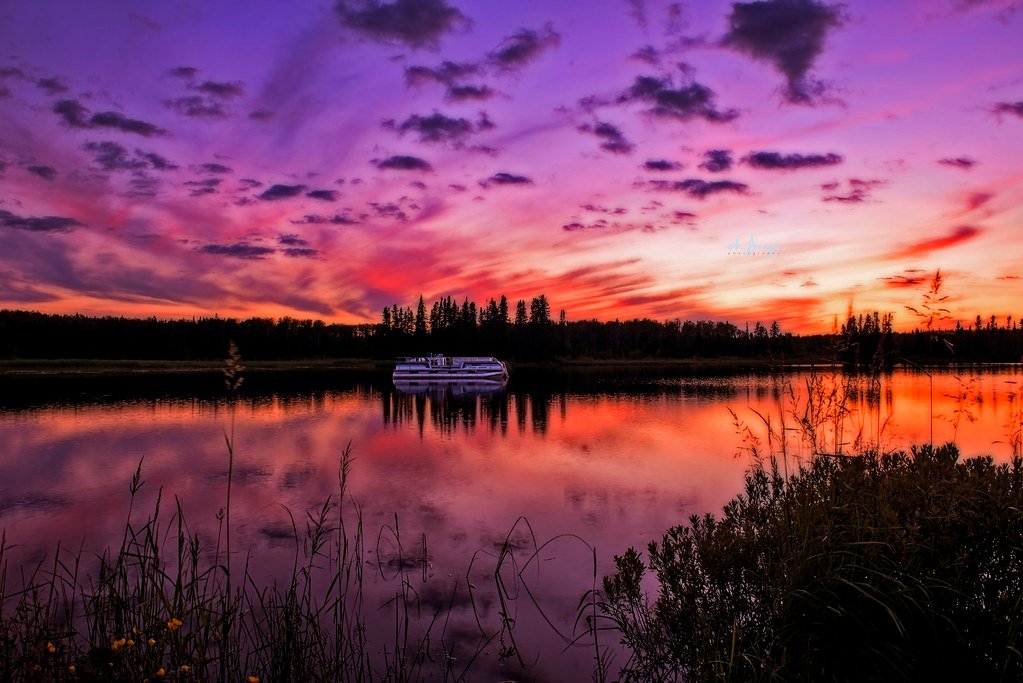
Sturgeon Lake
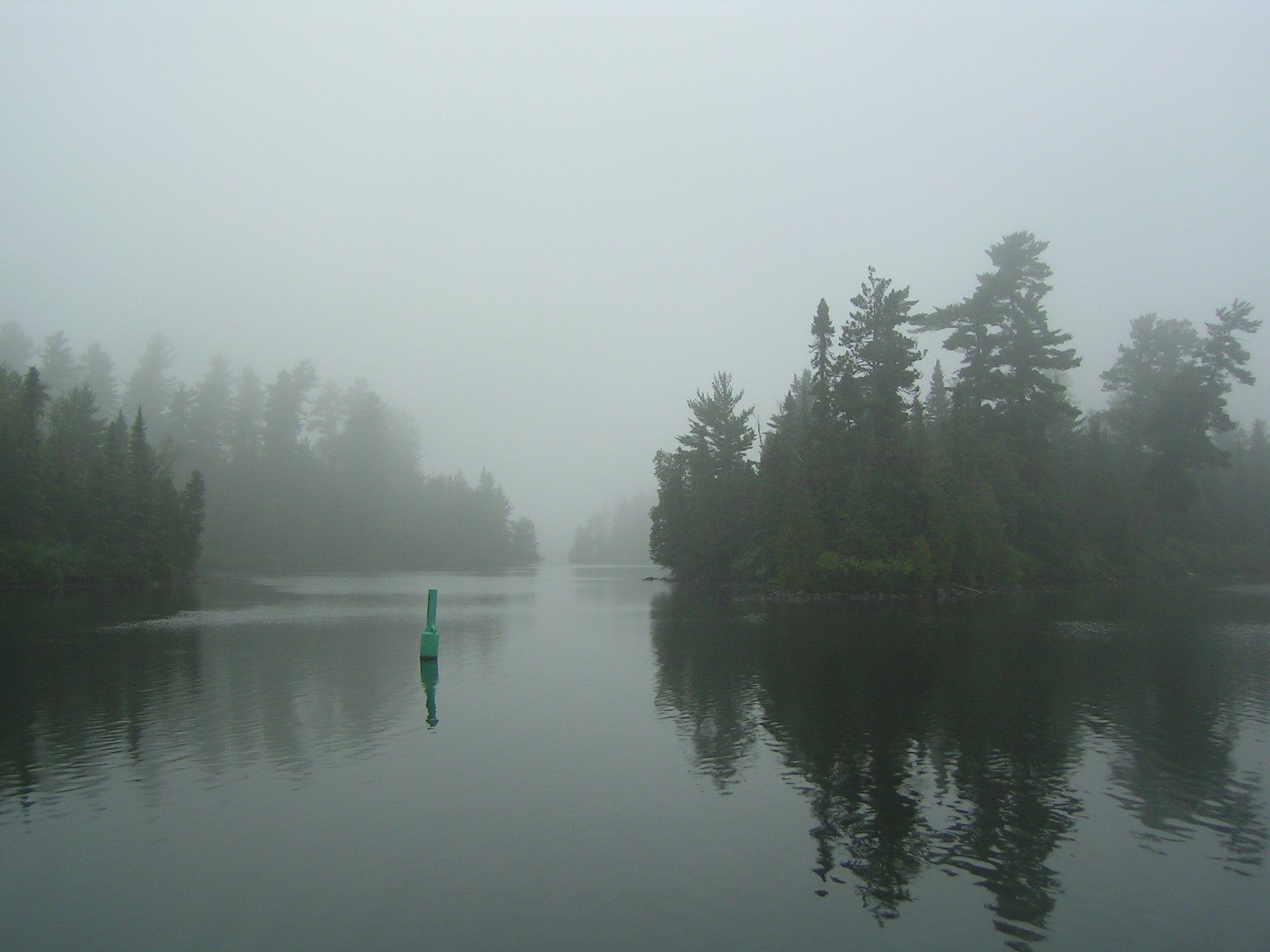
Lake Temagami
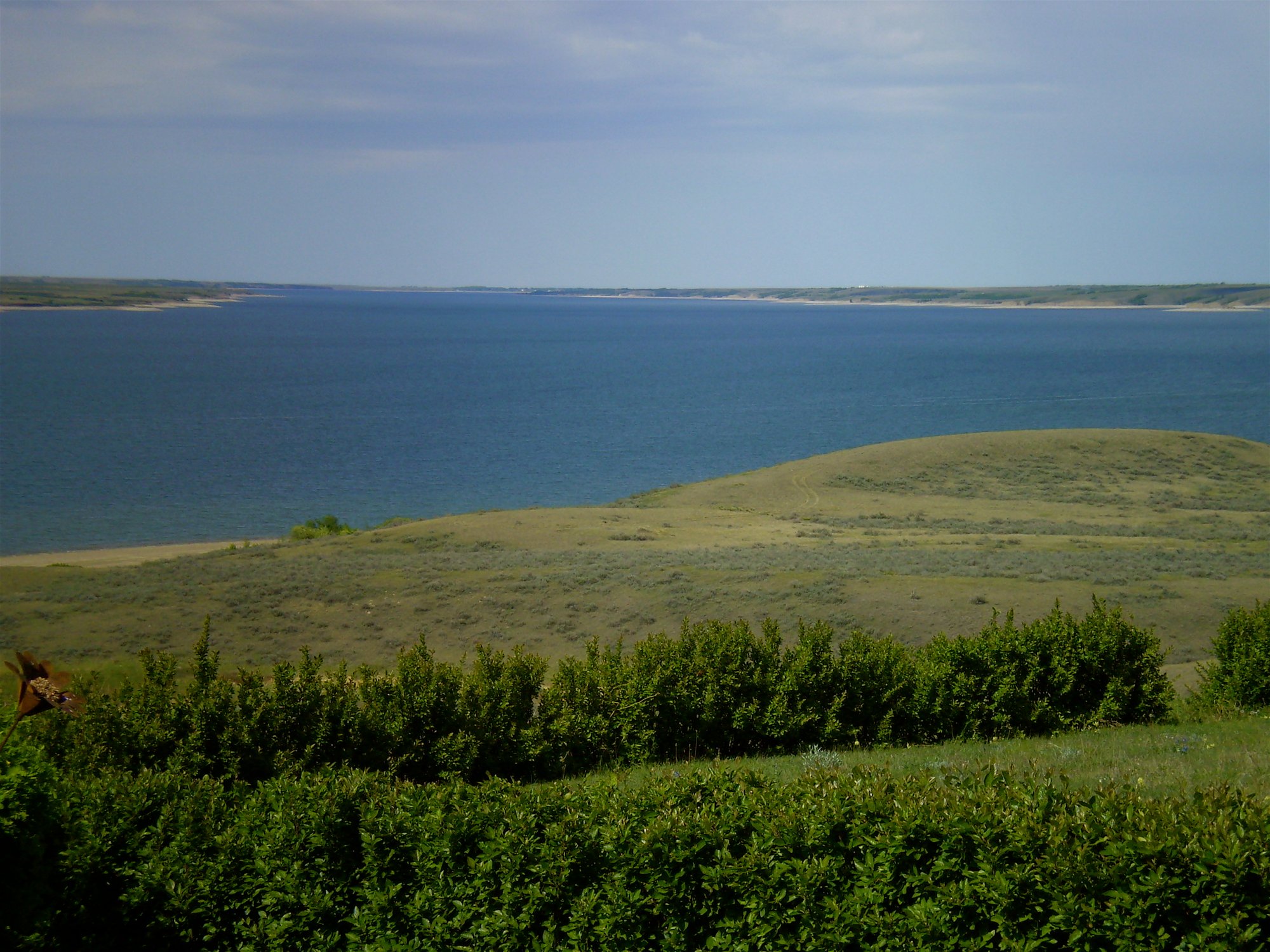
Lake Diefenbaker
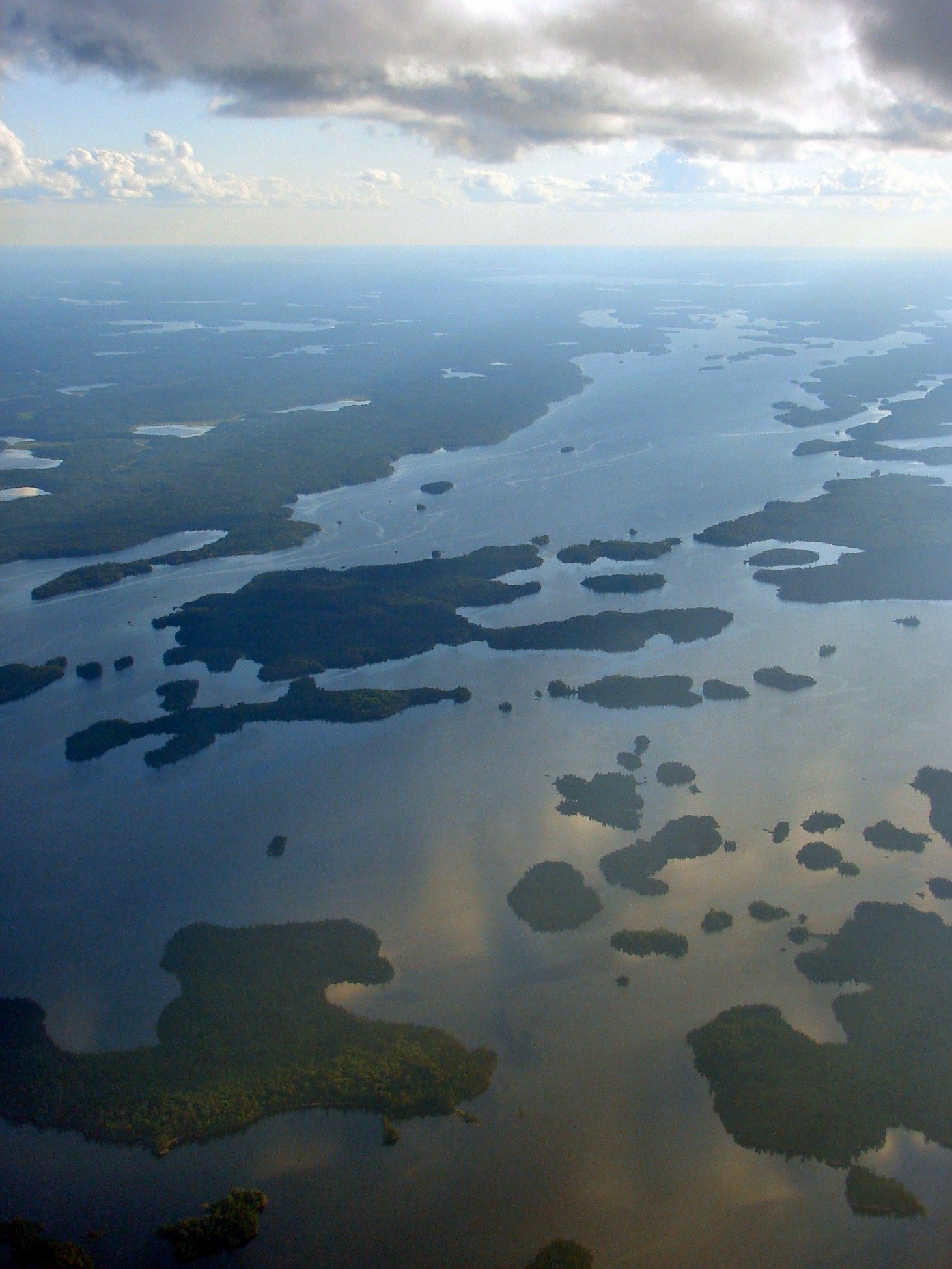
Minnitaki Lake
What to know
Habitat Distribution
- They inhabit slow-moving to stagnant waters with abundant cover including rock, aquatic vegetation, and dense structure throughout Arkansas's 600,000+ acres of lakes and 90,000 miles of rivers and streams.
Key Locations
- Arkansas waters like Lake Ouachita, Greers Ferry Lake, Lake Conway, and numerous oxbow lakes in the White River National Wildlife Refuge provide exceptional bluegill habitat.
- Arkansas's public fishing areas, Family and Community Fishing Program ponds, and major lakes like Conway, Maumelle, Ouachita, and Greers Ferry all offer quality bluegill fishing opportunities throughout the state.
Specific Spots
- Target around docks, overhanging trees, brush piles, and vegetation edges.
- Winter concentrations around deep cover in 20-50 feet of water.
Bluegill FAQ
Answers from onWater's species guide.
What are the best lures and bait for Bluegill in Arkansas?
Red worms or crickets. Small 1/32-ounce jigs with 1-inch grubs, spiders, or curl-tail plastics work excellently, especially when tipped with live bait or Berkley Crappie Nibbles for scent. Colors that consistently produce include chartreuse/white, black/green, green pumpkin, natural, and bison (gold/black).
What flies work for Bluegill in Arkansas?
Effective fly patterns include size 8-14 Triangle Bugs, soft hackles, small poppers, foam spiders, Woolly Worms, damselfly and dragonfly nymphs.
When is the best time to fish for Bluegill in Arkansas?
Spring and summer offer the best bluegill fishing. Fall fishing around shallow brush piles can be excellent before fish move to deep winter structure. Winter concentrations around deep cover in 20-50 feet of water can provide exceptional action when located.
How do you catch Bluegill in Arkansas?
Target shallow areas with cover during comfortable water temperatures. In summer heat, focus on deeper water and shaded areas.
What do Bluegill eat?
These omnivorous fish primarily feed on aquatic and terrestrial insects, zooplankton, small crustaceans, crawfish, and occasionally small fish, with their diet shifting seasonally. Juvenile bluegill start with plankton and zooplankton before transitioning to insect larvae and larger prey as adults.
Fish smarter with real-time insights
Whether you're en route and conditions shift or you're looking for the best spot based on current flows, we enable you to make informed decisions on the fly.




See it in the app
Most maps show you water.
onWater shows you Bluegill.



- 01 · Species map filter
Map every Bluegill water
Pick Bluegill and the map zeroes in on the waters they call home. No more guessing which lake holds them.
- 02 · Waterbody species
Tap any water. See what lives there.
Species, behavior and seasonal patterns for every lake, river and pond, before you leave the driveway.
- 03 · Angler Intelligence
Ask how to catch Bluegill
Tactics, gear and timing from onWater's AI fishing guide, tuned to the species and the water you're on.
Stop guessing where Bluegill are.
Open the map, filter by Bluegill, and head to water that holds them. Download onWater and plan your next trip in minutes.
- Species map filter
- Angler Intelligence
- Fishing journal
Explore other species
Trout, bass, salmon, panfish and everything in between. Each guide unpacks the behavior, seasons, and tactics that put fish in the net.
No species information available.
Arkansas licenses and regulations
Explore nearby waters
Explore Arkansas waters
Top fishing waters
Popular Cities
Loading popular cities...
Smarter Fishing Starts in the App.
onWater Fish gives you everything you need to plan smarter, fish better, and own every trip from first cast to last.