Bluegill
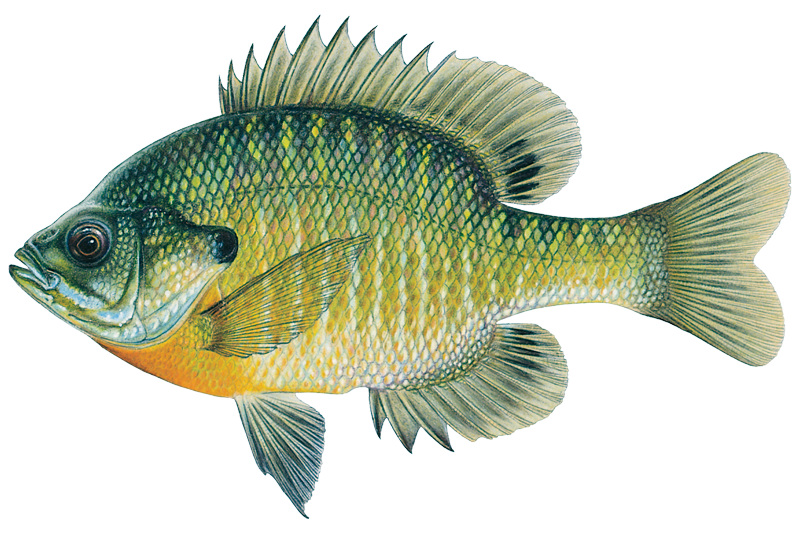
Bluegill are abundant throughout Alabama's freshwaters, occurring in springs, small streams, large rivers, reservoirs, swamps, and private ponds. They are routinely stocked as forage for largemouth bass.
Scientific Name: Lepomis macrochirus
- These slab-sided fish typically measure 6-10 inches and are characterized by their small mouth, long pointed pectoral fins, and distinctive black ear flap.
- They display light olive to gray coloration with darker vertical bands, and breeding males develop purple backs and sides.
Fishing in Alabama
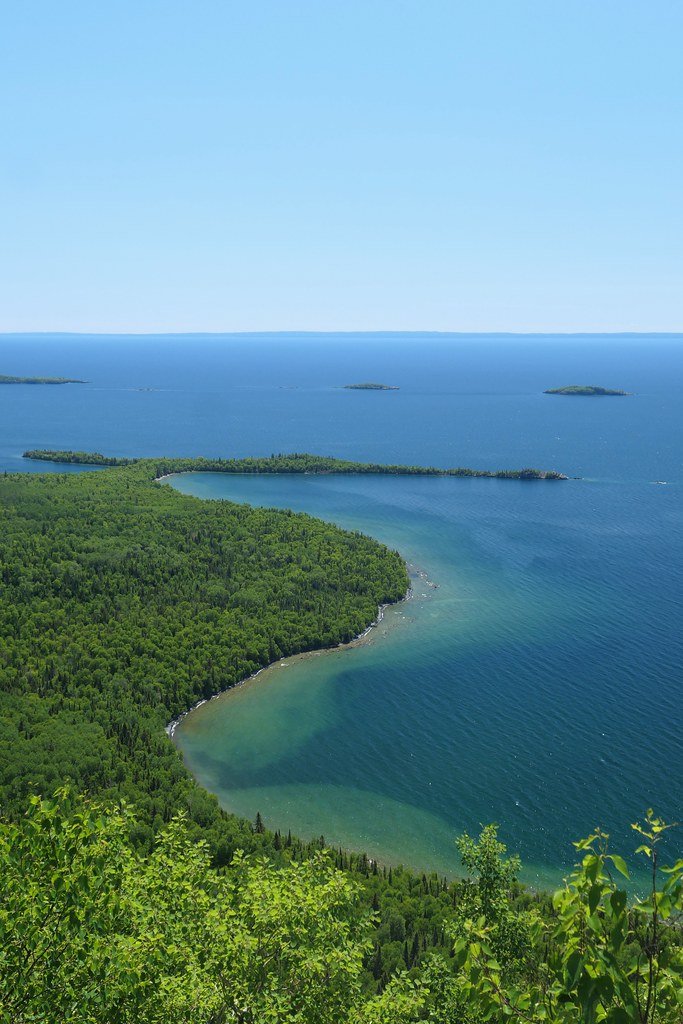
Lac Supérieur
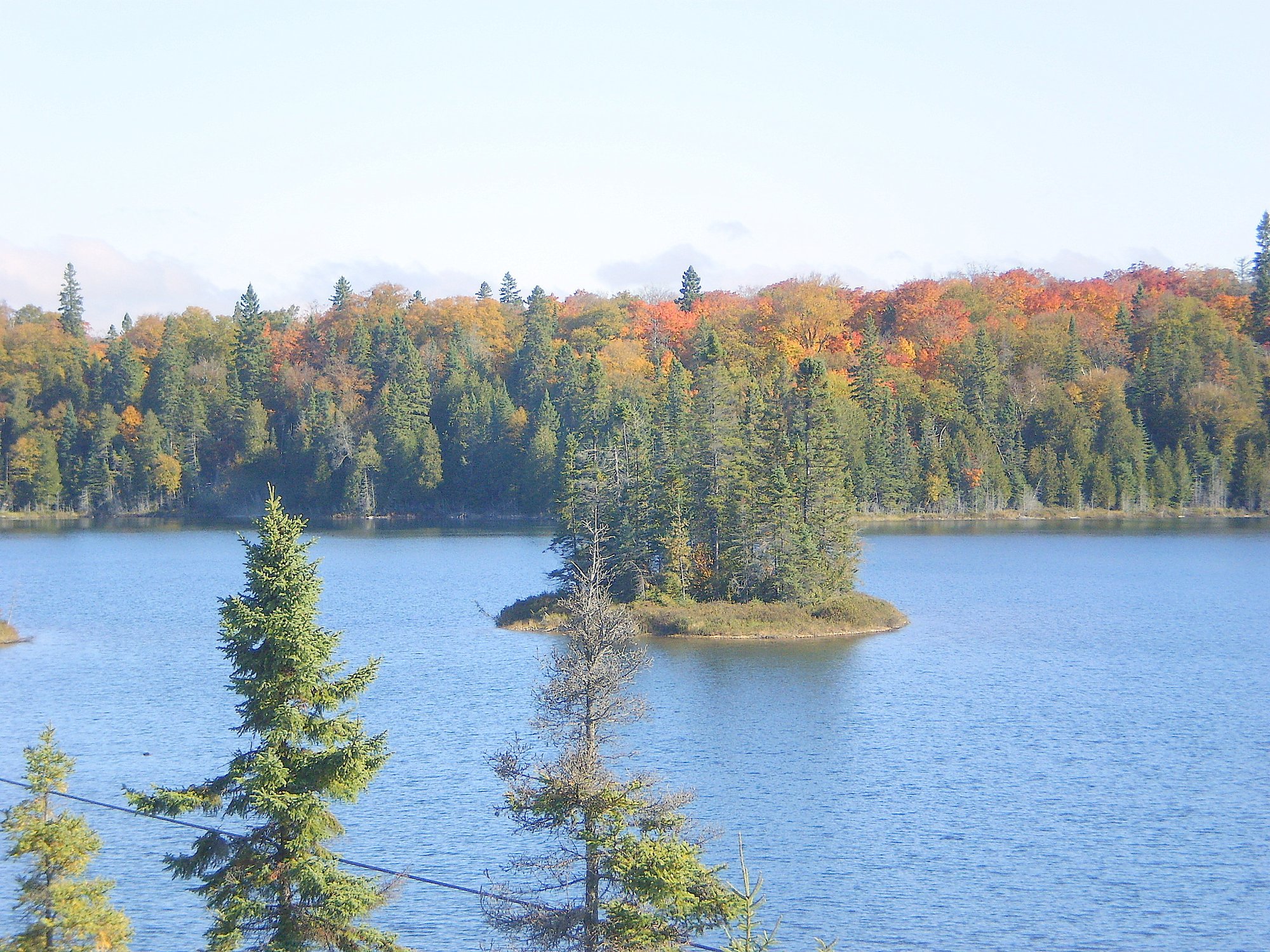
Lac des Bois
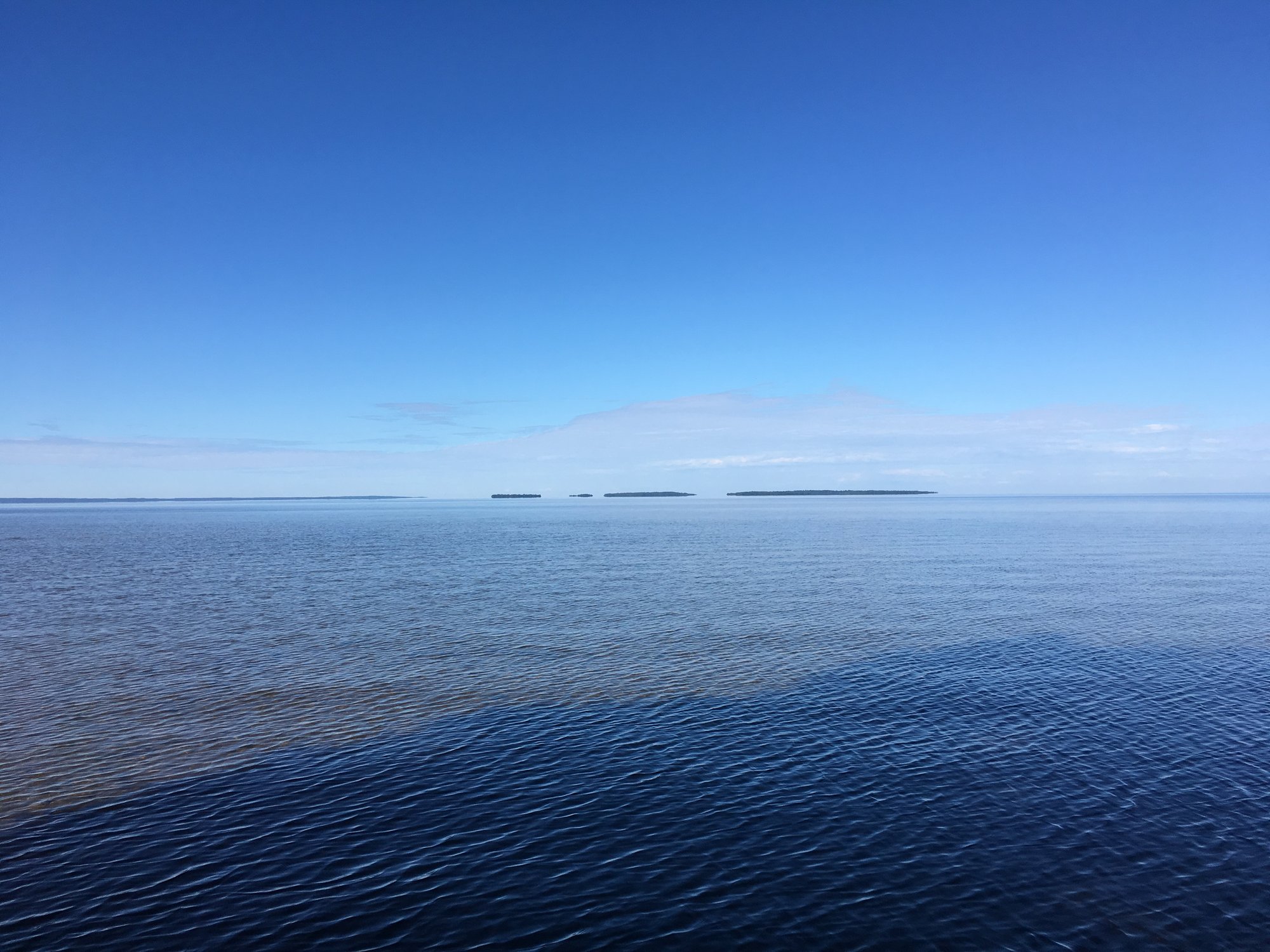
Lac Nipissing
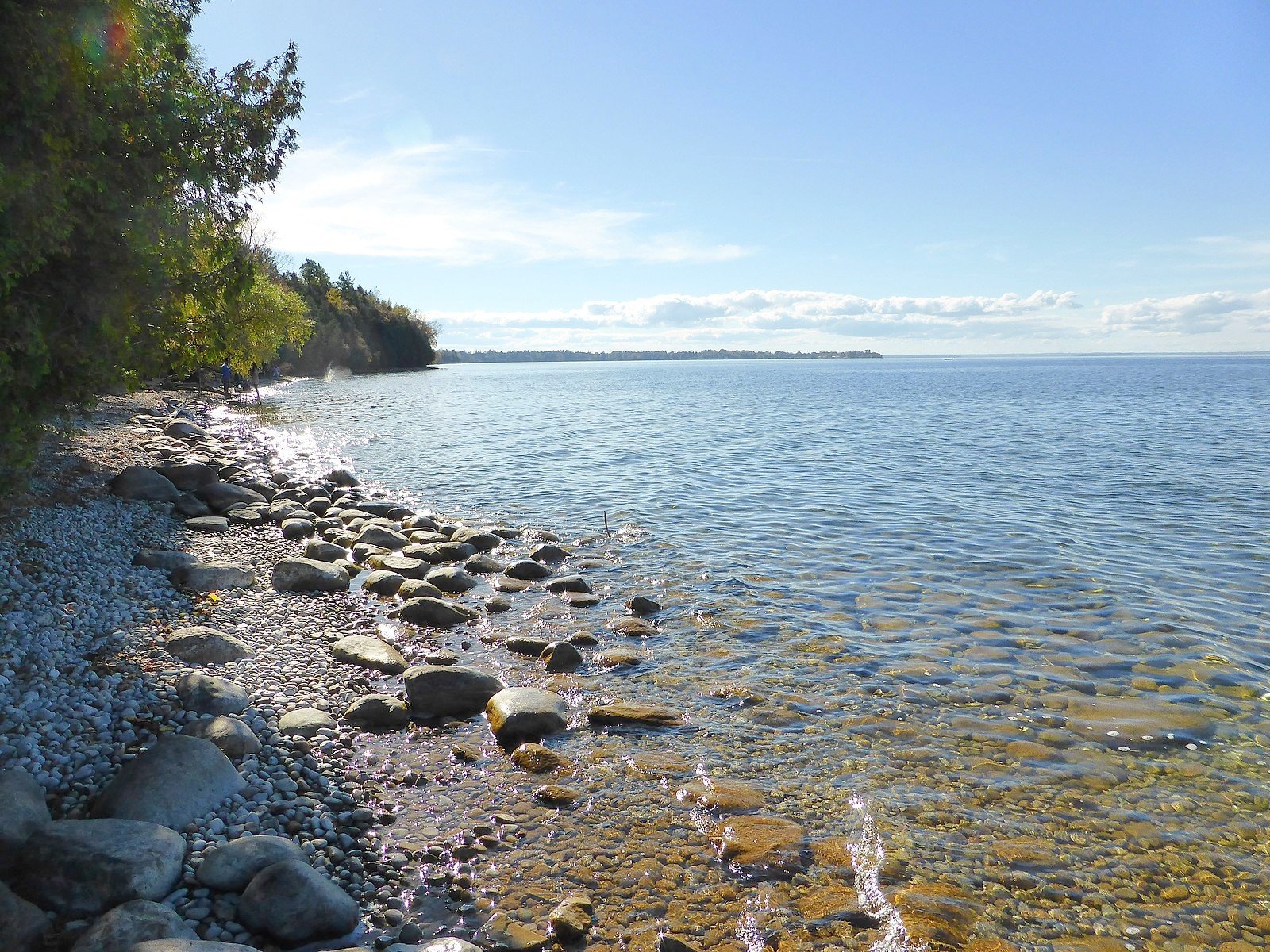
Lake Simcoe
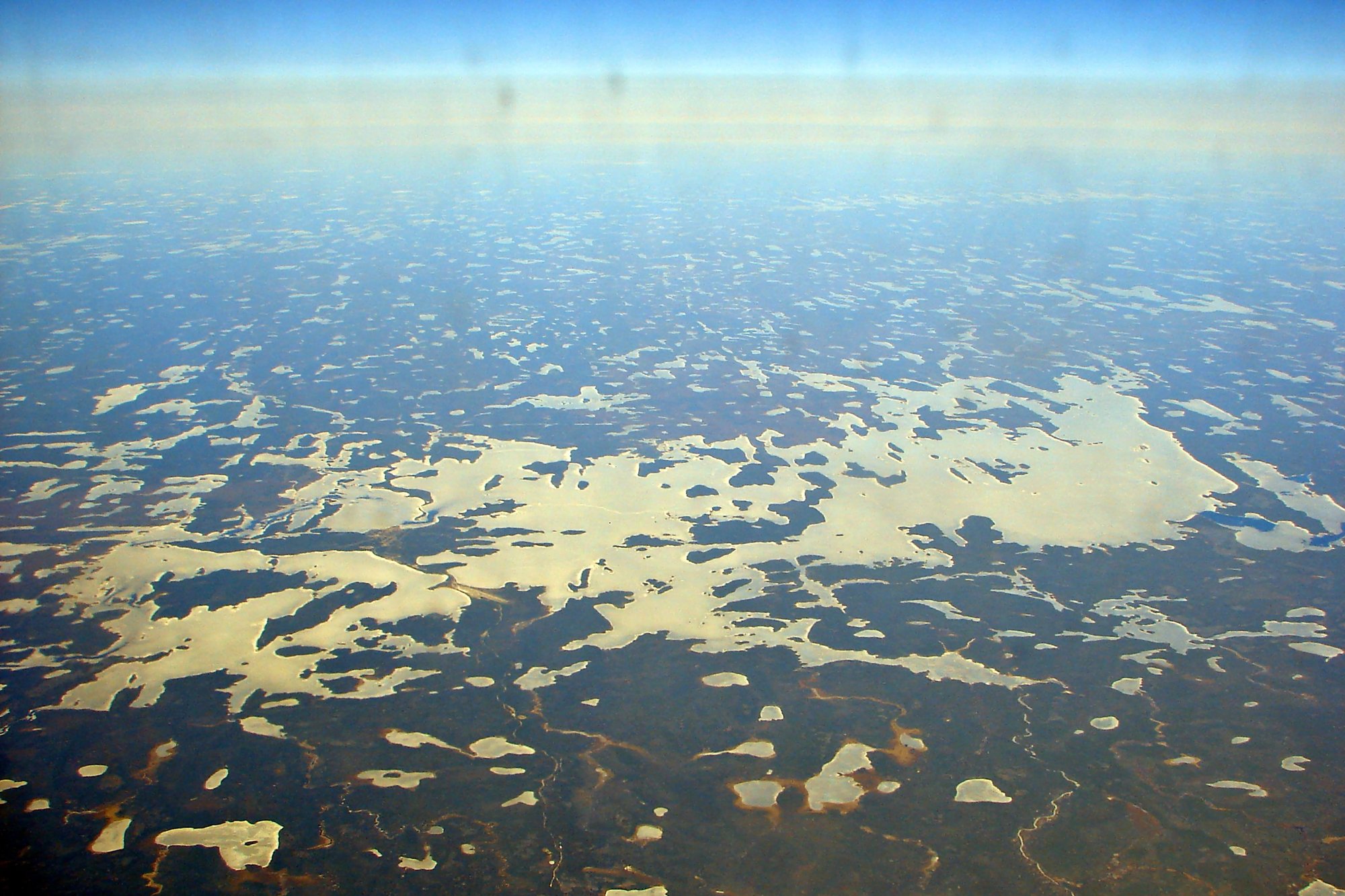
Wunnummin Lake

Sturgeon Lake
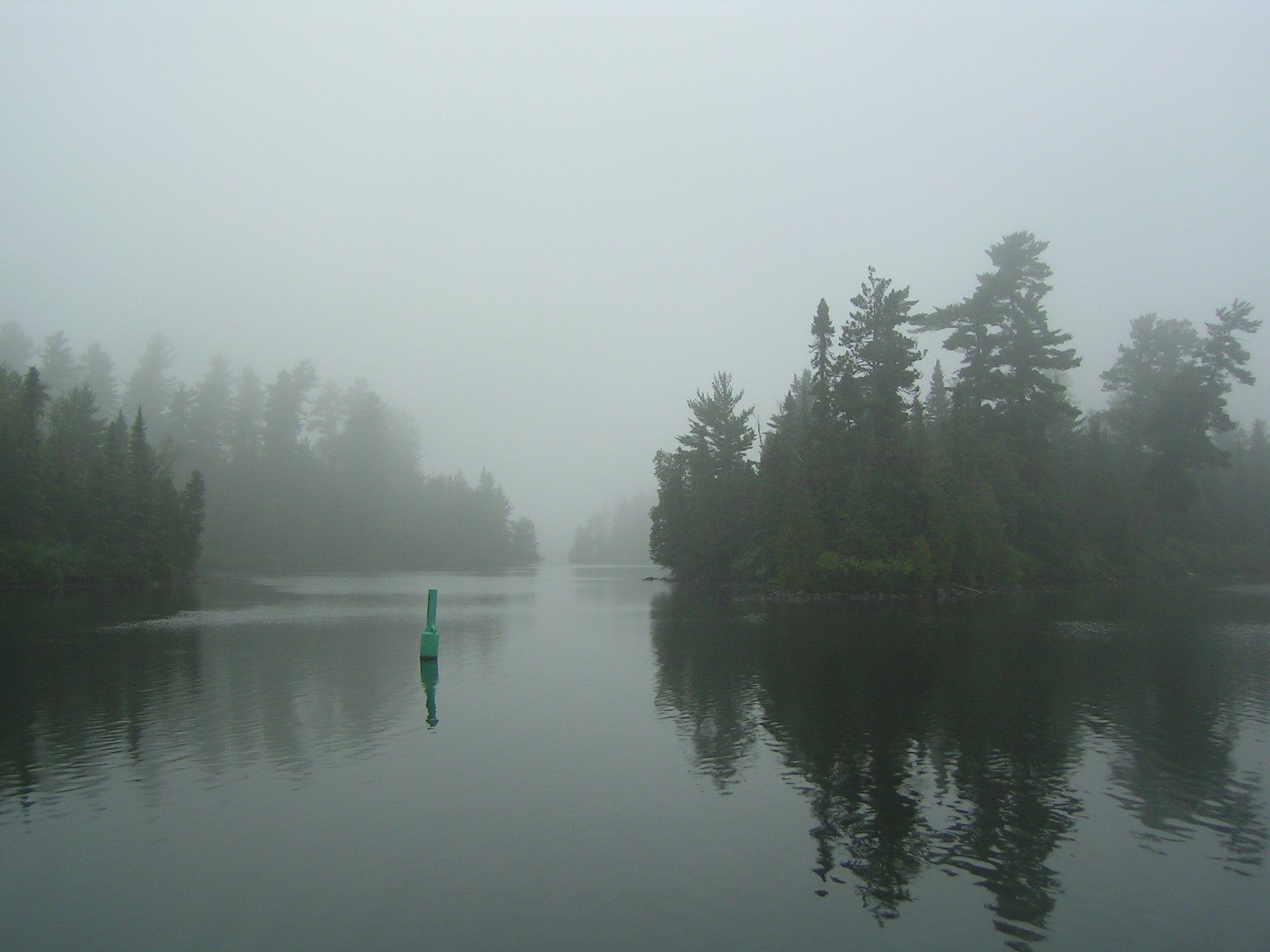
Lake Temagami
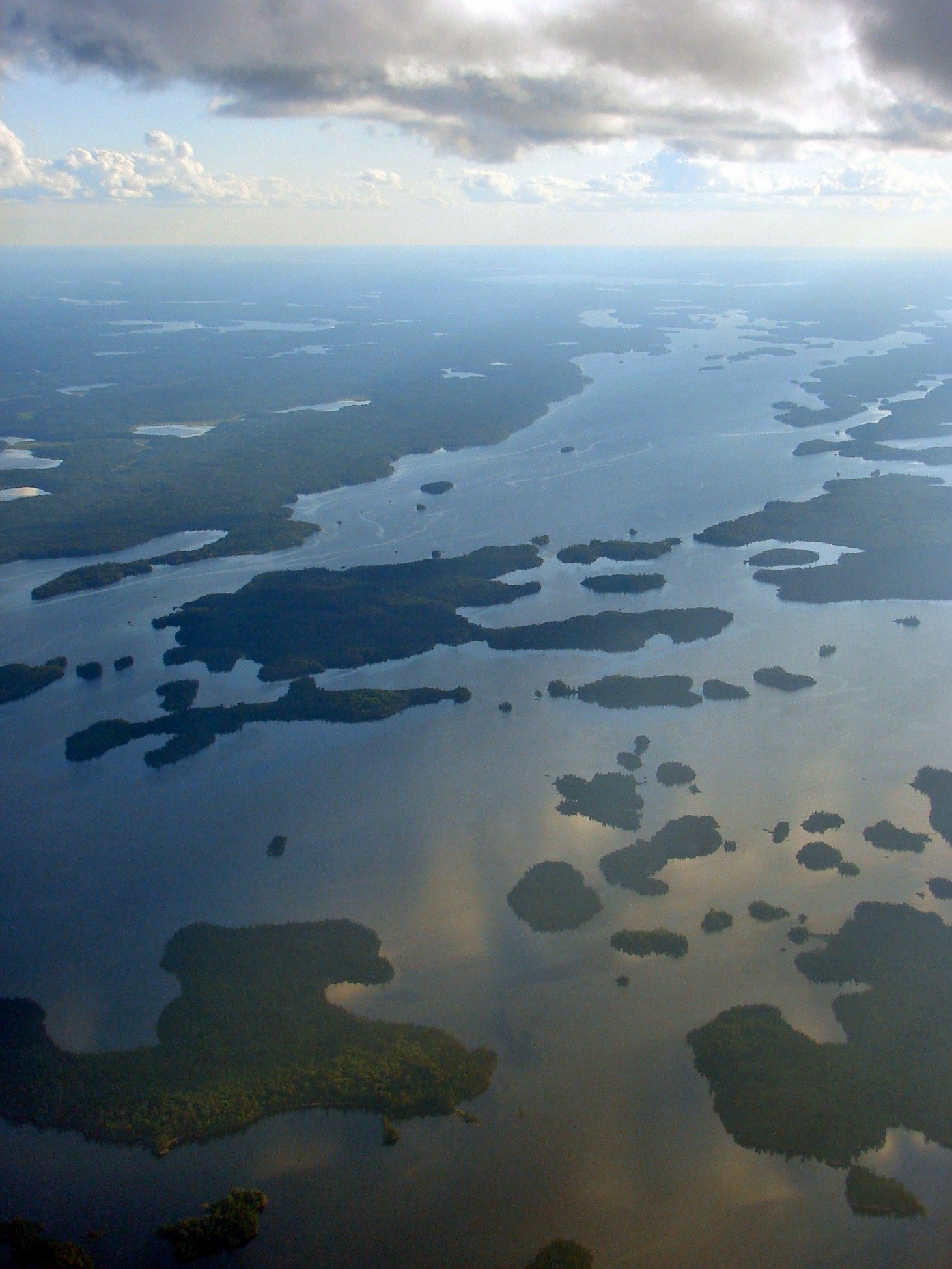
Minnitaki Lake
Bay of Fundy

Mahone Bay
What to know
Habitat Distribution
- Abundant throughout Alabama's freshwaters, occurring in springs, small streams, large rivers, reservoirs, swamps, and private ponds.
- They prefer shallow littoral zones with aquatic vegetation, fallen timber, and structure, moving deeper in summer heat and schooling in deeper water during winter months.
Key Locations
- Alabama's Public Fishing Lakes provide excellent opportunities, warming faster than large reservoirs.
- On major waters like Lake Martin, Weiss Lake, and Smith Lake, target shallow protected coves and creek arms.
Specific Spots
- Fish shallow cover including docks, fallen trees, weed beds, and brush piles, focusing on areas with access to deeper water.
Bluegill FAQ
Answers from onWater's species guide.
What are the best lures and bait for Bluegill in Alabama?
Live baits excel, especially red worms, crickets, and earthworms. For artificials, try 1-inch curly tail grubs on 1/32-1/16 ounce jig heads in chartreuse, small inline spinners, 1/16 ounce Beetle Spins, and tiny crankbaits like the Rapala Ultralight Floating Minnow.
What flies work for Bluegill in Alabama?
Fly fishing works exceptionally well with terrestrial patterns like foam spiders, small poppers, ants, and crickets in sizes 8-10, plus subsurface patterns like Woolly Buggers and beaded nymphs.
When is the best time to fish for Bluegill in Alabama?
Spring through early summer offers Alabama's best bluegill fishing, particularly after spawning concludes in late spring. Summer fishing remains productive in shaded areas under overhanging cover, while fall finds them around shallow brush before moving deep for winter.
How do you catch Bluegill in Alabama?
Live baits fished under small bobbers or on drop-shot rigs. Night fishing can be effective during summer months, and they readily take baits tipped with small pieces of worm for added scent appeal.
What do Bluegill eat?
Alabama's bluegill are primarily insectivorous but opportunistic omnivores, feeding on aquatic insects, terrestrial insects, zooplankton, small crawfish, amphibians, e.g.gs, and small fish.
Fish smarter with real-time insights
Whether you're en route and conditions shift or you're looking for the best spot based on current flows, we enable you to make informed decisions on the fly.




See it in the app
Most maps show you water.
onWater shows you Bluegill.



- 01 · Species map filter
Map every Bluegill water
Pick Bluegill and the map zeroes in on the waters they call home. No more guessing which lake holds them.
- 02 · Waterbody species
Tap any water. See what lives there.
Species, behavior and seasonal patterns for every lake, river and pond, before you leave the driveway.
- 03 · Angler Intelligence
Ask how to catch Bluegill
Tactics, gear and timing from onWater's AI fishing guide, tuned to the species and the water you're on.
Stop guessing where Bluegill are.
Open the map, filter by Bluegill, and head to water that holds them. Download onWater and plan your next trip in minutes.
- Species map filter
- Angler Intelligence
- Fishing journal
Explore other species
Trout, bass, salmon, panfish and everything in between. Each guide unpacks the behavior, seasons, and tactics that put fish in the net.
No species information available.
Alabama licenses and regulations
Explore nearby waters
Explore Alabama waters
Top fishing waters
Popular Cities
Loading popular cities...

Smarter Fishing Starts in the App.
onWater Fish gives you everything you need to plan smarter, fish better, and own every trip from first cast to last.