Yellowstone Cutthroat Trout

Wyoming's most iconic native trout, distinguished by their golden brown coloration, large black spots concentrated toward the tail, and characteristic red slash marks on their lower jaws.
They're native to the Snake, Yellowstone, Bighorn-Wind, and Tongue River drainages, historically occupying about 17,800 miles of streams but now reduced to approximately 7,500 miles (43% of historical range).
Scientific Name: Oncorhynchus clarkii bouvieri
- Distinguished by their golden brown coloration, large black spots concentrated toward the tail, and characteristic red slash marks on their lower jaws.
- During pre-spawn periods they show brilliant colors.
Fishing in Wyoming
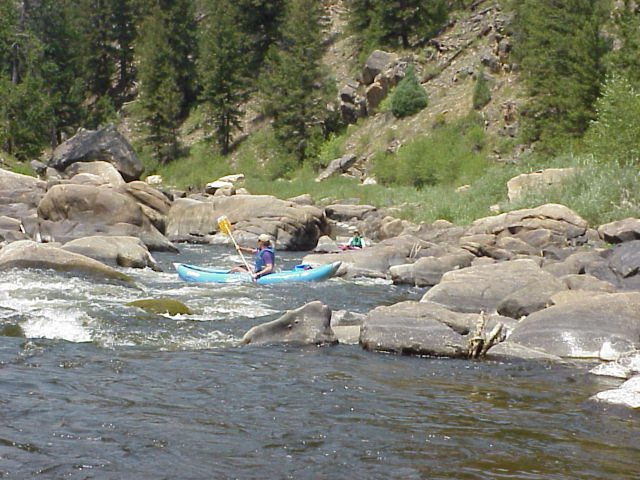
North Platte River
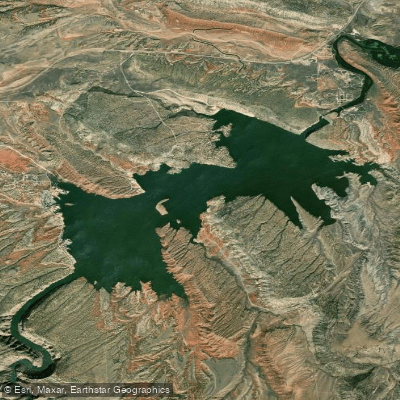
Alcova Reservoir
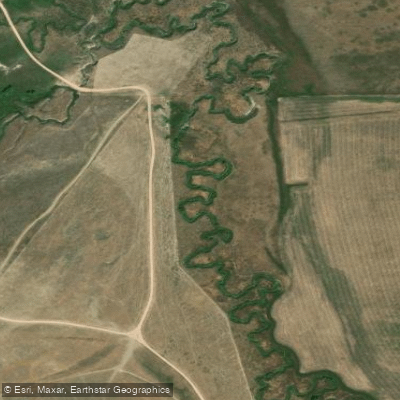
Muddy Creek
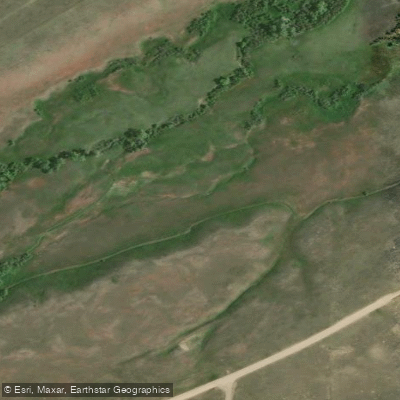
Elkhorn Creek
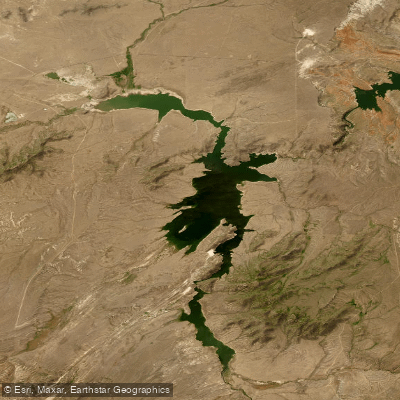
Pathfinder Reservoir
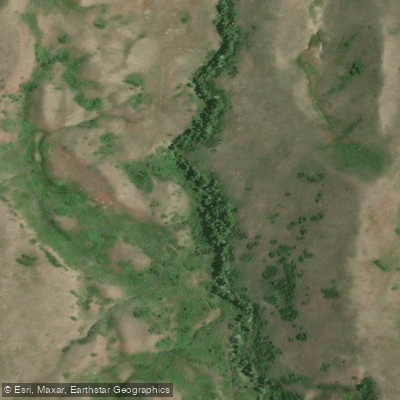
Wolf Creek
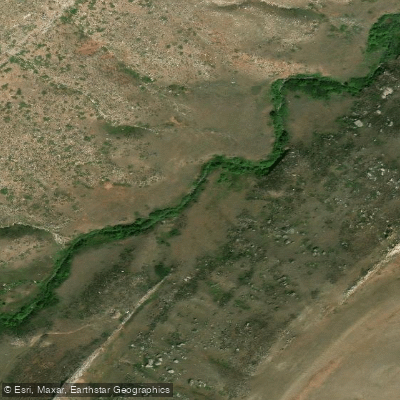
Clear Fork Muddy Creek
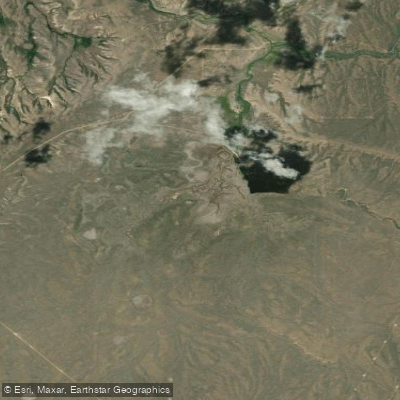
Bates Creek Reservoir
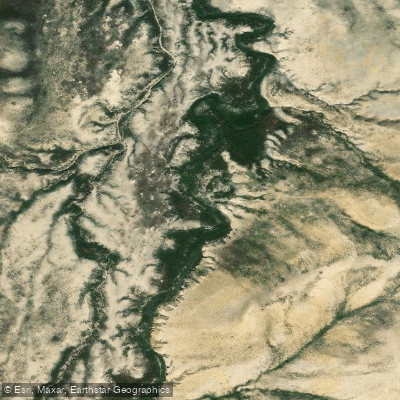
Bolton Creek
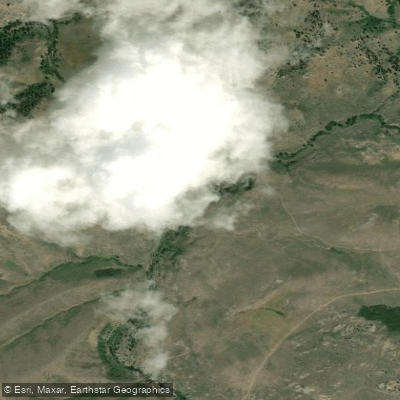
Deer Creek
What to know
Habitat Distribution
- Native to the Snake, Yellowstone, Bighorn-Wind, and Tongue River drainages.
- Key populations exist in Yellowstone Lake, the Yellowstone River system, Snake River drainage, and over 230 mountain lakes where they've been stocked.
Key Locations
- Yellowstone Lake (90,000 acres), the Yellowstone River system, Snake River drainage, and over 230 mountain lakes where they've been stocked.
- Target the Yellowstone River drainage including the Lamar Valley and Slough Creek meadows, Snake River headwaters around Jackson, tributaries in the Wind River Range and Absaroka Mountains, and high mountain lakes above 7,000 feet elevation.
- The Tri-Basin Divide area offers access to multiple cutthroat subspecies including Yellowstone cutthroats in the Greys River drainage.
Specific Spots
- Focus on undercut banks, eddies, pool tail-outs, and confluences with tributary streams.
Yellowstone Cutthroat Trout FAQ
Answers from onWater's species guide.
What flies work for Yellowstone Cutthroat Trout in Wyoming?
Elk Hair Caddis (size 18) during morning and evening caddis hatches, Purple Haze (sizes 10-18) which has gained exceptional popularity across Wyoming waters, Chubby Chernobyl hoppers for late summer terrestrial fishing, Pheasant Tail Nymphs (size 18) for spring Blue Winged Olive hatches, Prince Nymphs, Woolly Buggers...
When is the best time to fish for Yellowstone Cutthroat Trout in Wyoming?
Prime fishing occurs from July through September, with late summer being ideal as insect hatches peak and waters clear from snowmelt runoff. September and October offer excellent opportunities during pre-spawn periods when fish show brilliant colors.
How do you catch Yellowstone Cutthroat Trout in Wyoming?
Practice catch-and-release. Target undercut banks, eddies, pool tail-outs, and confluences with tributary streams.
What do Yellowstone Cutthroat Trout eat?
They feed on zooplankton, freshwater shrimp, aquatic and terrestrial insects, mollusks, and other fish.
Where do Yellowstone Cutthroat Trout live in Wyoming?
Native to the Snake, Yellowstone, Bighorn-Wind, and Tongue River drainages. Key populations exist in Yellowstone Lake, the Yellowstone River system, Snake River drainage, and over 230 mountain lakes where they've been stocked.
Fish smarter with real-time insights
Whether you're en route and conditions shift or you're looking for the best spot based on current flows, we enable you to make informed decisions on the fly.




See it in the app
Most maps show you water.
onWater shows you Yellowstone Cutthroat Trout.



- 01 · Species map filter
Map every Yellowstone Cutthroat Trout water
Pick Yellowstone Cutthroat Trout and the map zeroes in on the waters they call home. No more guessing which lake holds them.
- 02 · Waterbody species
Tap any water. See what lives there.
Species, behavior and seasonal patterns for every lake, river and pond, before you leave the driveway.
- 03 · Angler Intelligence
Ask how to catch Yellowstone Cutthroat Trout
Tactics, gear and timing from onWater's AI fishing guide, tuned to the species and the water you're on.
Stop guessing where Yellowstone Cutthroat Trout are.
Open the map, filter by Yellowstone Cutthroat Trout, and head to water that holds them. Download onWater and plan your next trip in minutes.
- Species map filter
- Angler Intelligence
- Fishing journal
Explore other species
Trout, bass, salmon, panfish and everything in between. Each guide unpacks the behavior, seasons, and tactics that put fish in the net.
No species information available.
Wyoming licenses and regulations
Explore nearby waters
Explore Wyoming waters
Top fishing waters
Popular Cities
Loading popular cities...

Smarter Fishing Starts in the App.
onWater Fish gives you everything you need to plan smarter, fish better, and own every trip from first cast to last.