White Perch

White Perch are an invasive species in Wisconsin that arrived in the Great Lakes through the Erie and Welland canals around 1950, spreading westward to reach Lake Michigan at Green Bay in May 1988.
White Perch pose ecological concerns as egg predators of native species like walleye and white bass, and compete for zooplankton resources.
Scientific Name: Morone americana
- These silvery, greenish-gray fish have a dark, highly domed back and whitish belly, reaching up to 58cm in length.
- Unlike native White Bass, White Perch lack distinct longitudinal stripes and have 9-10 anal rays with body depth greatest before the dorsal fin.
Fishing in Wisconsin
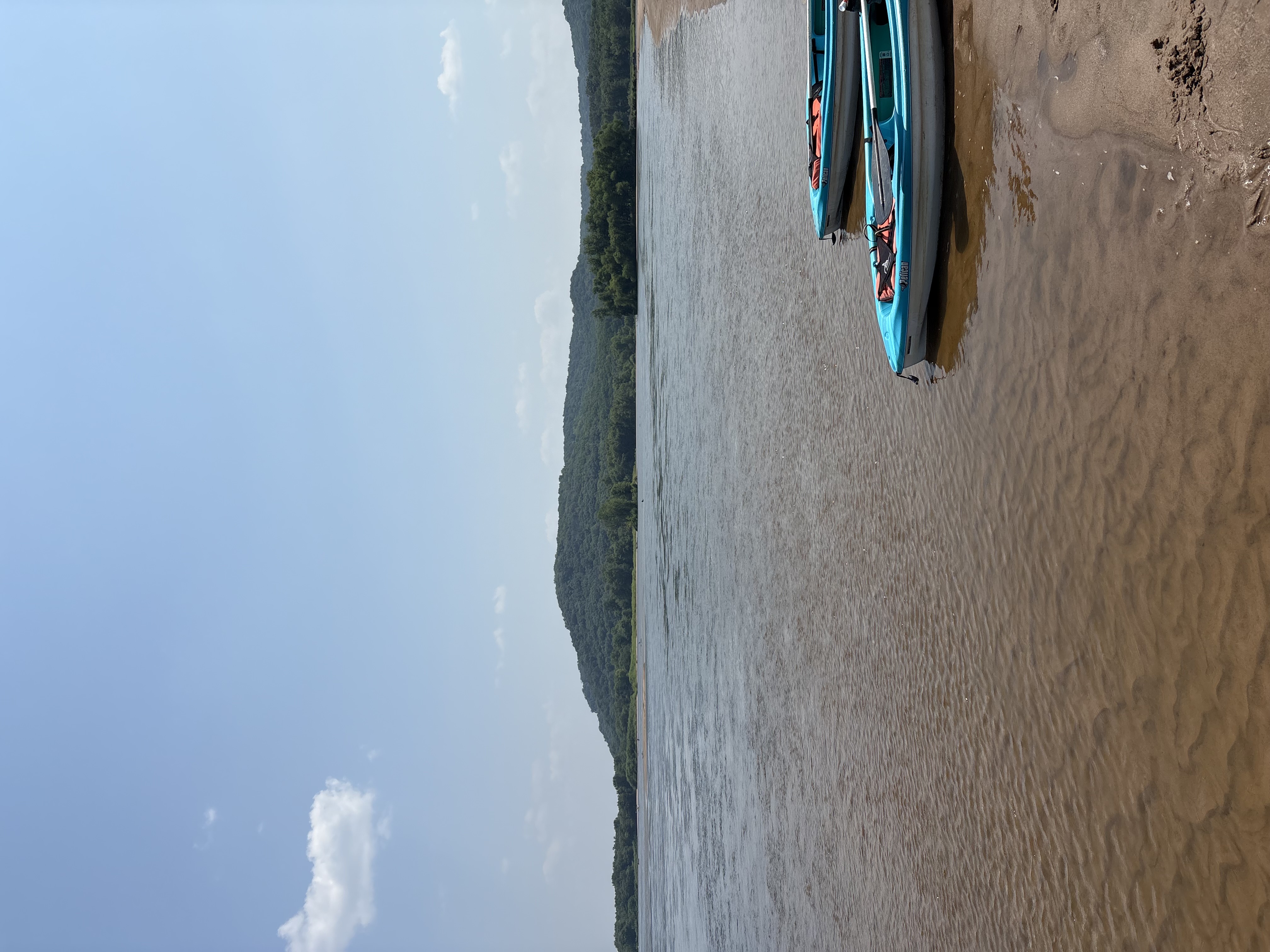
Wisconsin River
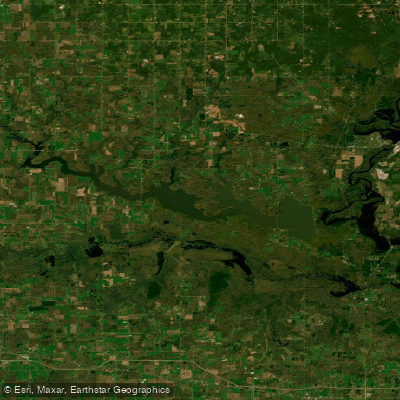
Big Eau Pleine Reservoir
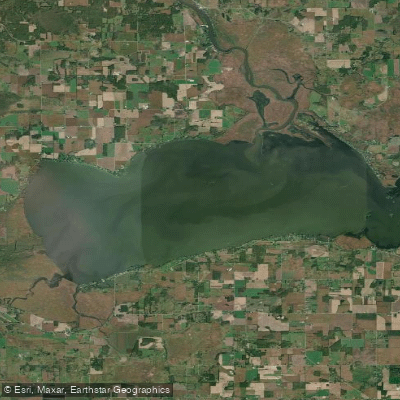
Lake Poygan
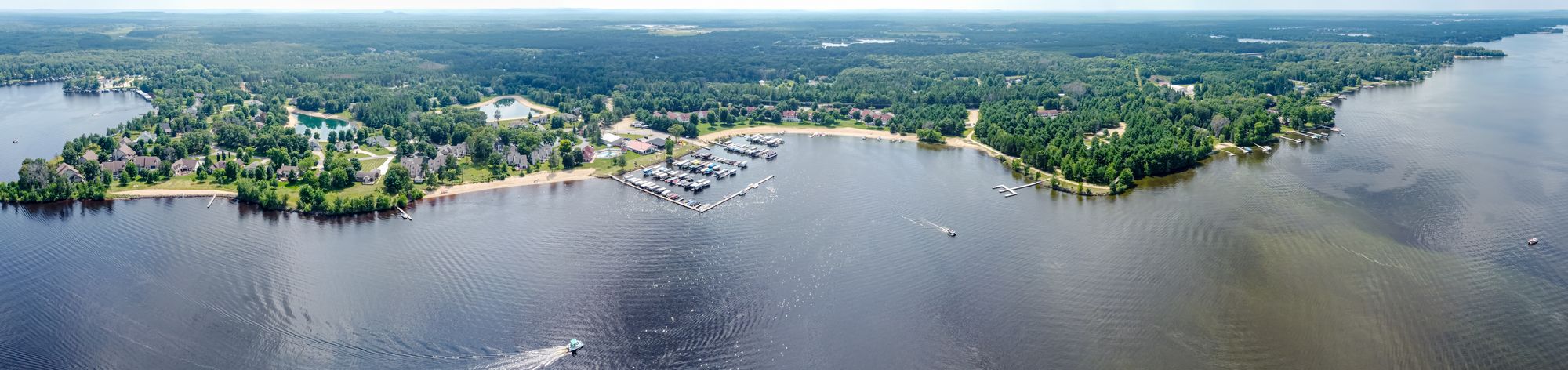
Castle Rock Lake
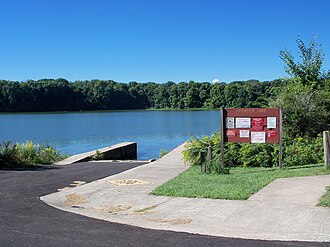
Spencer Lake
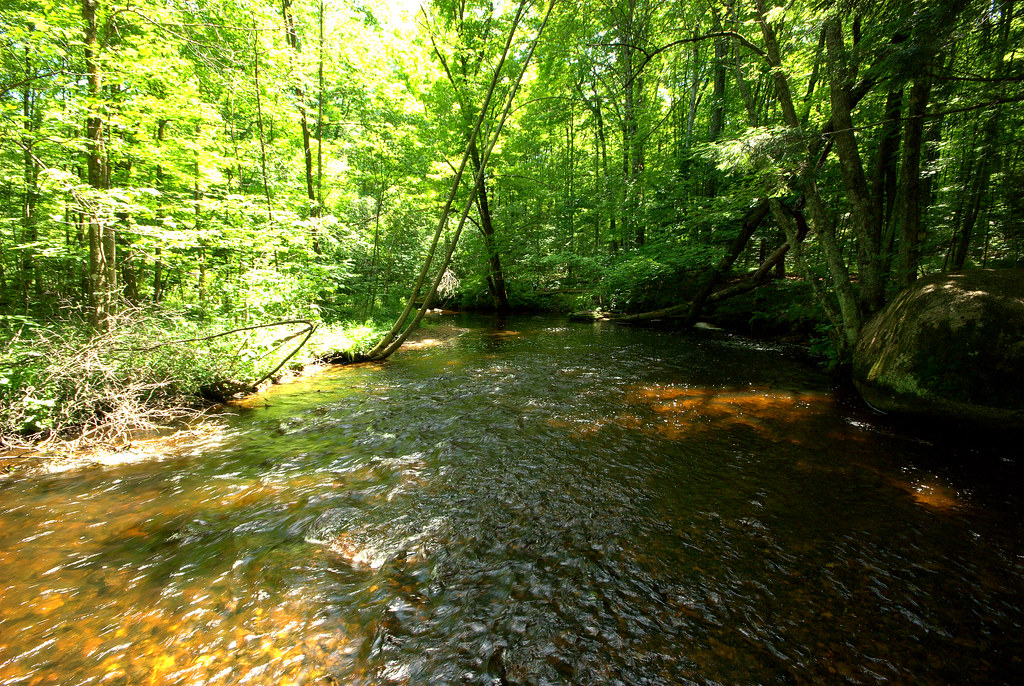
Little Wolf River
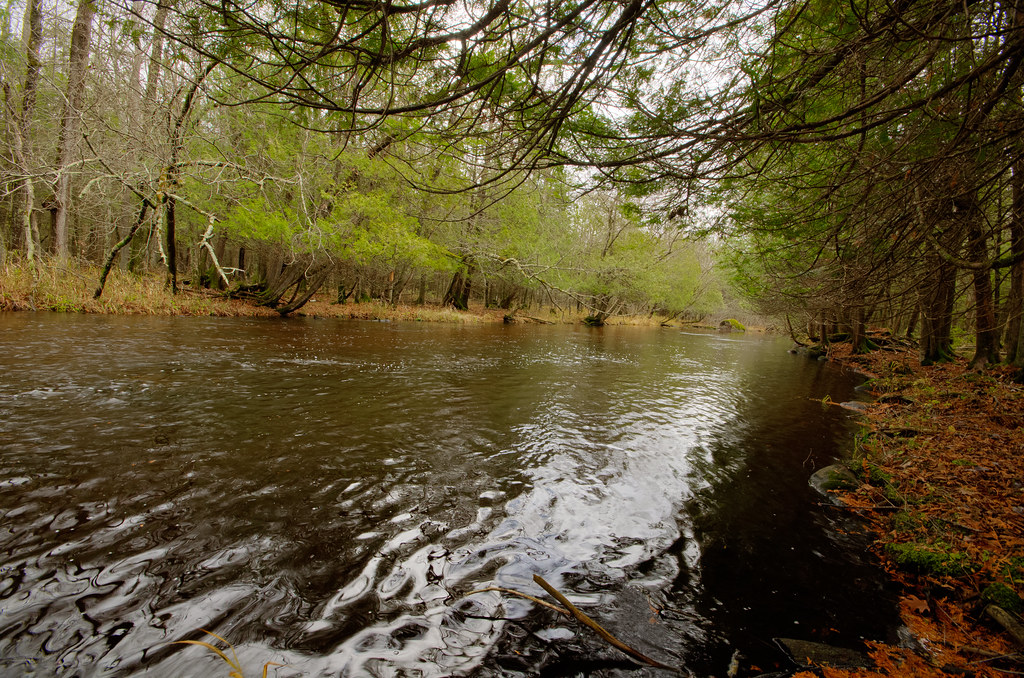
Wolf River
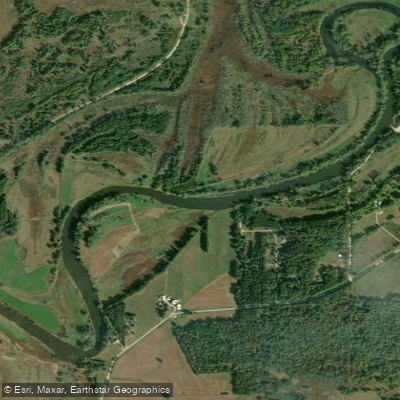
Fox River
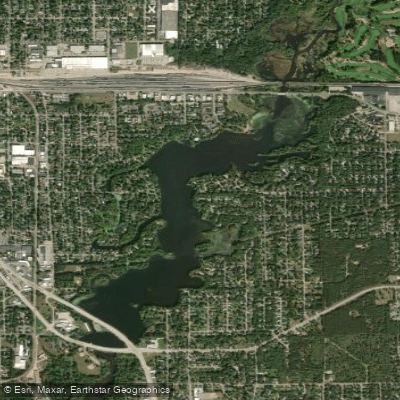
McDill Pond
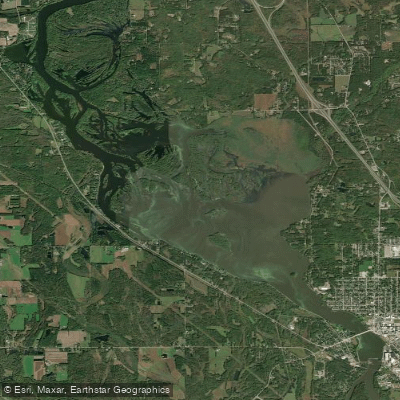
Wisconsin River Flowage
What to know
Habitat Distribution
- These euryhaline fish inhabit fresh, brackish and coastal waters, preferring habitats with little cover and muddy/silty/sandy substrates.
Key Locations
- Lake Superior, Green Bay, Lake Michigan, and tributary streams including the St.
- Louis River, Lower Fox, Milwaukee, Manitowoc-Sheboygan, Door-Kewaunee, Duck-Pensaukee, and Beartrap-Nemadji watersheds.
Specific Spots
- Shorelines along bulkheads or grass-lined areas during high tide, drop-off edges in 28-35 foot depths during low tides, shallower 4-9 foot hard bottom areas with scattered vegetation as water warms.
White Perch FAQ
Answers from onWater's species guide.
What are the best lures and bait for White Perch in Wisconsin?
Top baits include small minnows (avoid large bull minnows), bloodworms, grass shrimp, nightcrawlers, and peeler crab. Effective lures include Beetle Spins (#1 or #2 with 1/8 oz jig heads in yellow/white), small spoons, Mepps #2 spinners, shad darts, small bucktails, 2-inch curly tail grubs, and Gulp minnows/grubs.
When is the best time to fish for White Perch in Wisconsin?
Continuous open season in Lake Michigan, Green Bay, and major tributaries, but first Saturday in May to March 1 in other tributary streams upstream to first dam or lake. Year-round open season with no closed season on Wisconsin-Michigan boundary waters.
How do you catch White Perch in Wisconsin?
Work lures near shorelines and structure, varying retrieval speed and depth until fish are located.
What do White Perch eat?
White Perch are highly opportunistic feeders with a generalist diet including macroinvertebrates, crustaceans, fish, and notably fish e.g.gs (especially in spring). They consume chironomids, Daphnia, copepods, emerald shiners, gizzard shad, and various zooplankton.
Where do White Perch live in Wisconsin?
These euryhaline fish inhabit fresh, brackish and coastal waters, preferring habitats with little cover and muddy/silty/sandy substrates.
Fish smarter with real-time insights
Whether you're en route and conditions shift or you're looking for the best spot based on current flows, we enable you to make informed decisions on the fly.




See it in the app
Most maps show you water.
onWater shows you White Perch.



- 01 · Species map filter
Map every White Perch water
Pick White Perch and the map zeroes in on the waters they call home. No more guessing which lake holds them.
- 02 · Waterbody species
Tap any water. See what lives there.
Species, behavior and seasonal patterns for every lake, river and pond, before you leave the driveway.
- 03 · Angler Intelligence
Ask how to catch White Perch
Tactics, gear and timing from onWater's AI fishing guide, tuned to the species and the water you're on.
Stop guessing where White Perch are.
Open the map, filter by White Perch, and head to water that holds them. Download onWater and plan your next trip in minutes.
- Species map filter
- Angler Intelligence
- Fishing journal
Explore other species
Trout, bass, salmon, panfish and everything in between. Each guide unpacks the behavior, seasons, and tactics that put fish in the net.
No species information available.
Wisconsin licenses and regulations
Explore nearby waters
Explore Wisconsin waters
Top fishing waters
Popular Cities
Loading popular cities...

Smarter Fishing Starts in the App.
onWater Fish gives you everything you need to plan smarter, fish better, and own every trip from first cast to last.