Tiger Trout

Tiger Trout are sterile hybrid fish created by crossing female Brown Trout with male Brook Trout - an extremely rare occurrence in Wisconsin waters.
In Wisconsin, Tiger Trout are exceptionally rare in wild populations, occurring naturally only when Brown and Brook Trout spawn in overlapping areas.
Wisconsin also stocks Tiger Trout in some lakes and ponds specifically for sport fishing, as their aggressive feeding behavior and fighting ability make them prized catches among anglers.
- These striking fish are easily recognizable by their distinctive worm-like markings or vermiculations across their bodies, resembling tiger stripes, along with bright orange and yellow bellies.
- Tiger Trout can grow 10-16 inches in length, occasionally reaching 20 inches.
Fishing in Wisconsin

Wisconsin River

Big Eau Pleine Reservoir

Lake Poygan

Castle Rock Lake

Spencer Lake

Little Wolf River

Wolf River
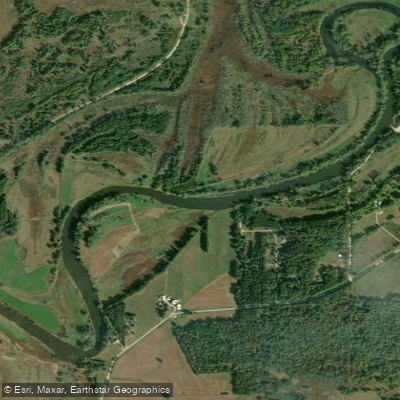
Fox River

McDill Pond

Wisconsin River Flowage
What to know
Habitat Distribution
- They're found primarily in streams where both parent species coexist.
- Wisconsin also stocks Tiger Trout in some lakes and ponds specifically for sport fishing.
Key Locations
- They're found primarily in streams where both parent species coexist, particularly in the Dr.iftless Area of southwestern Wisconsin.
Specific Spots
- Target areas with moving water, drop-offs, underwater structures, and areas where tributary streams meet larger waters.
- In lakes, focus on deeper water with aquatic vegetation during warmer months.
Tiger Trout FAQ
Answers from onWater's species guide.
What are the best lures and bait for Tiger Trout in Wisconsin?
Effective lures include small inline spinners like Rooster Tails and Blue Fox Vibrax in sizes 1/16 to 1/8 ounce, small spoons, and diving plugs.
What flies work for Tiger Trout in Wisconsin?
For fly fishing, try streamers, nymphs, wet flies, and small dry flies - they'll take most fly patterns due to their aggressive nature.
When is the best time to fish for Tiger Trout in Wisconsin?
Spring and fall offer the best opportunities when water temperatures are cooler.
How do you catch Tiger Trout in Wisconsin?
Use active retrieves for spinners and spoons, and vary your fly fishing techniques from dead drifts with nymphs to active stripping with streamers. Their predatory instincts mean they'll often hit lures retrieved across the surface or through the water column.
What do Tiger Trout eat?
These aggressive predators feed voraciously on small fish, invertebrates, insects, larvae, nymphs and streamers.
Fish smarter with real-time insights
Whether you're en route and conditions shift or you're looking for the best spot based on current flows, we enable you to make informed decisions on the fly.




See it in the app
Most maps show you water.
onWater shows you Tiger Trout.



- 01 · Species map filter
Map every Tiger Trout water
Pick Tiger Trout and the map zeroes in on the waters they call home. No more guessing which lake holds them.
- 02 · Waterbody species
Tap any water. See what lives there.
Species, behavior and seasonal patterns for every lake, river and pond, before you leave the driveway.
- 03 · Angler Intelligence
Ask how to catch Tiger Trout
Tactics, gear and timing from onWater's AI fishing guide, tuned to the species and the water you're on.
Stop guessing where Tiger Trout are.
Open the map, filter by Tiger Trout, and head to water that holds them. Download onWater and plan your next trip in minutes.
- Species map filter
- Angler Intelligence
- Fishing journal
Explore other species
Trout, bass, salmon, panfish and everything in between. Each guide unpacks the behavior, seasons, and tactics that put fish in the net.
No species information available.
Wisconsin licenses and regulations
Explore nearby waters
Explore Wisconsin waters
Top fishing waters
Popular Cities
Loading popular cities...

Smarter Fishing Starts in the App.
onWater Fish gives you everything you need to plan smarter, fish better, and own every trip from first cast to last.