Smallmouth Buffalo

The Smallmouth Buffalo (Ictiobus bubalus) is a native Wisconsin sucker species found in the Lake Michigan drainage, Mississippi River basin, and other major waterways throughout the state.
Scientific Name: Ictiobus bubalus
- They're stocky, deep-bodied fish with olive-bronze coloration that lightens with age, featuring a small, downward-oriented sucker mouth and compressed body with a distinctive humped back.
Fishing in Wisconsin
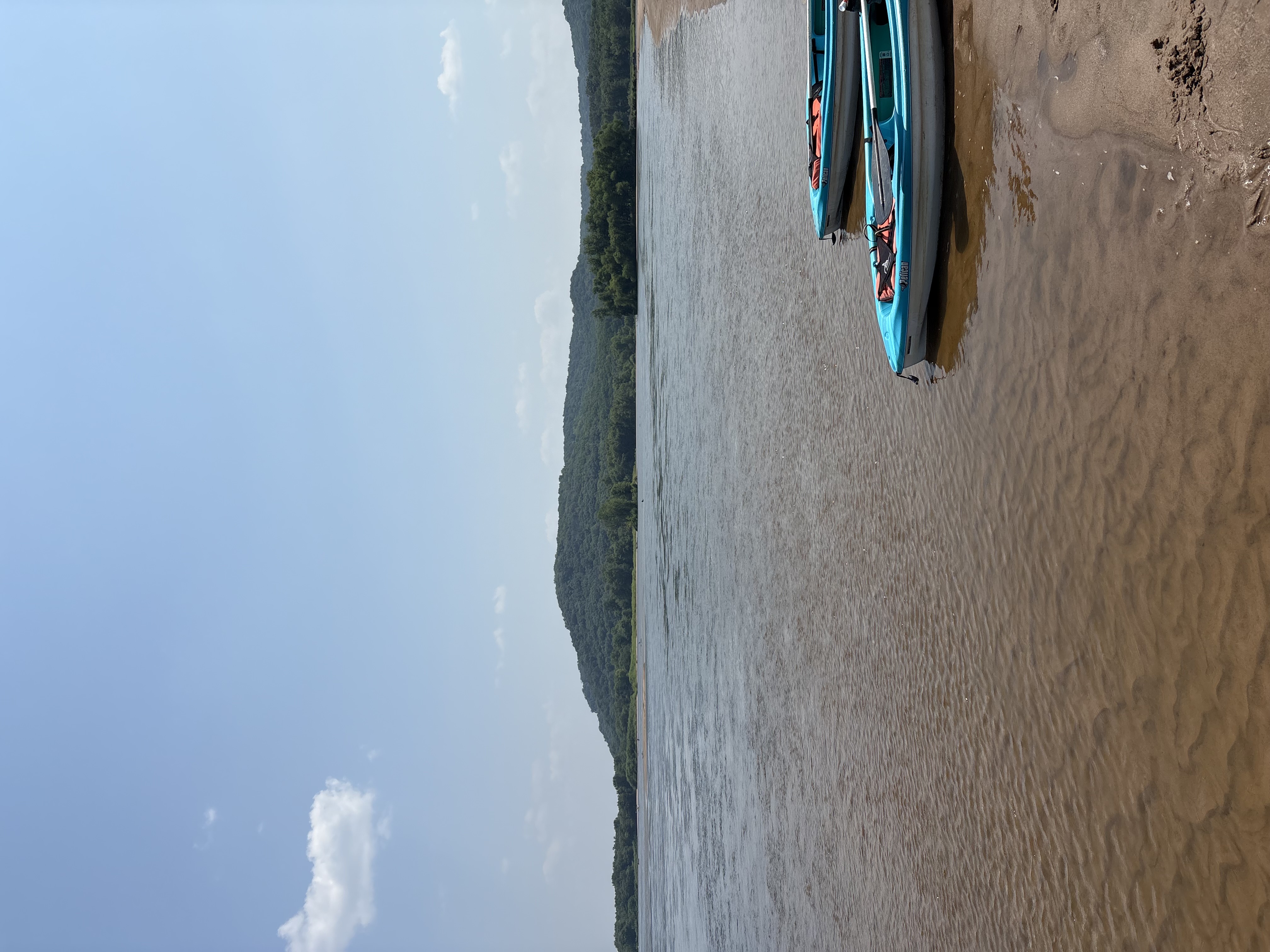
Wisconsin River
Big Eau Pleine Reservoir
Lake Poygan
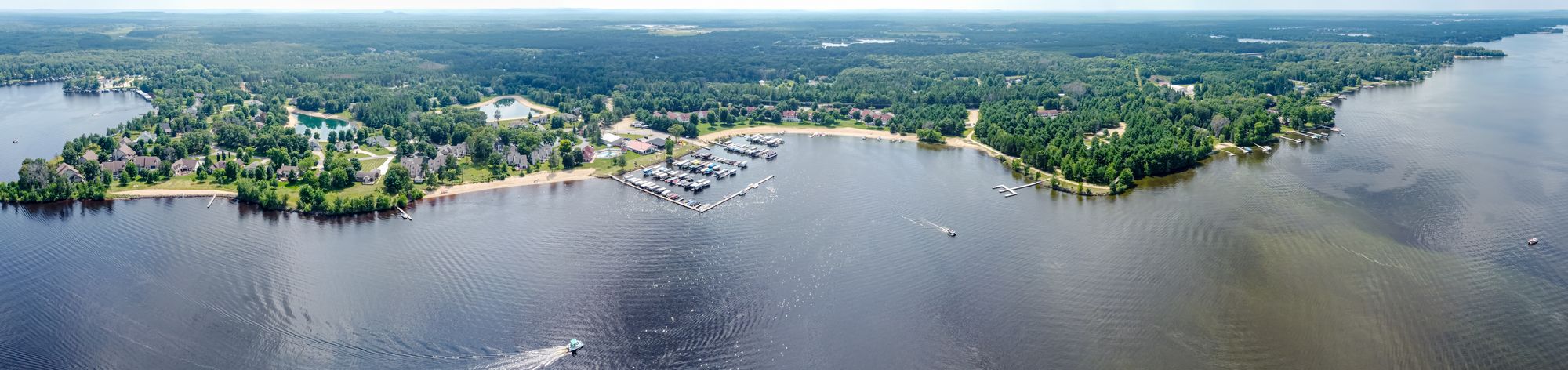
Castle Rock Lake
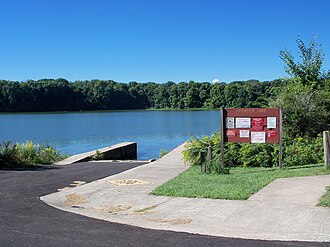
Spencer Lake
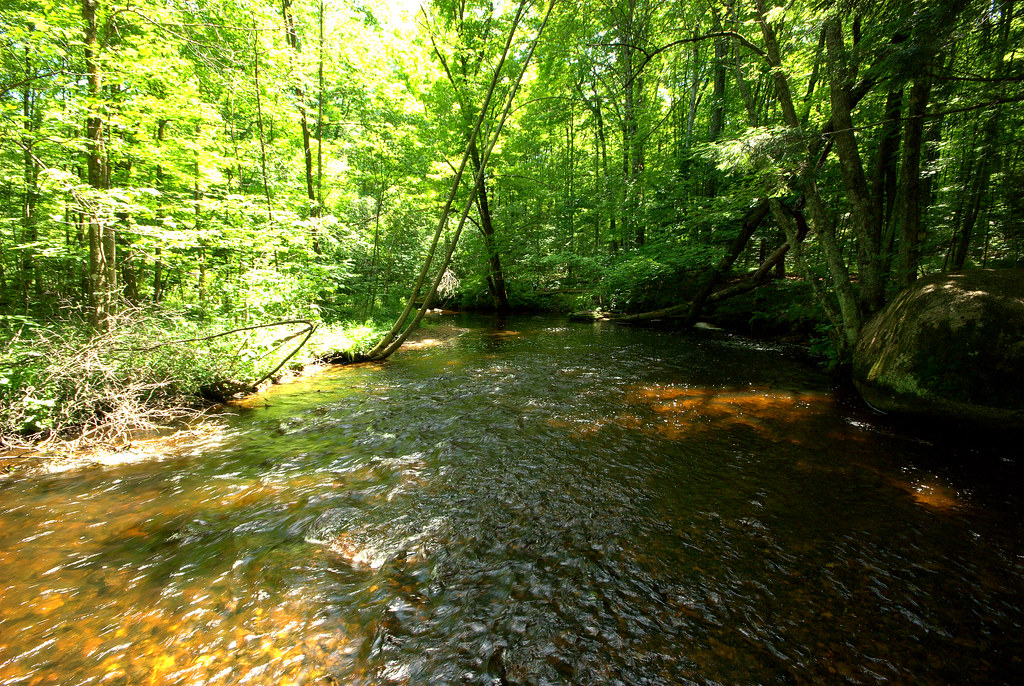
Little Wolf River
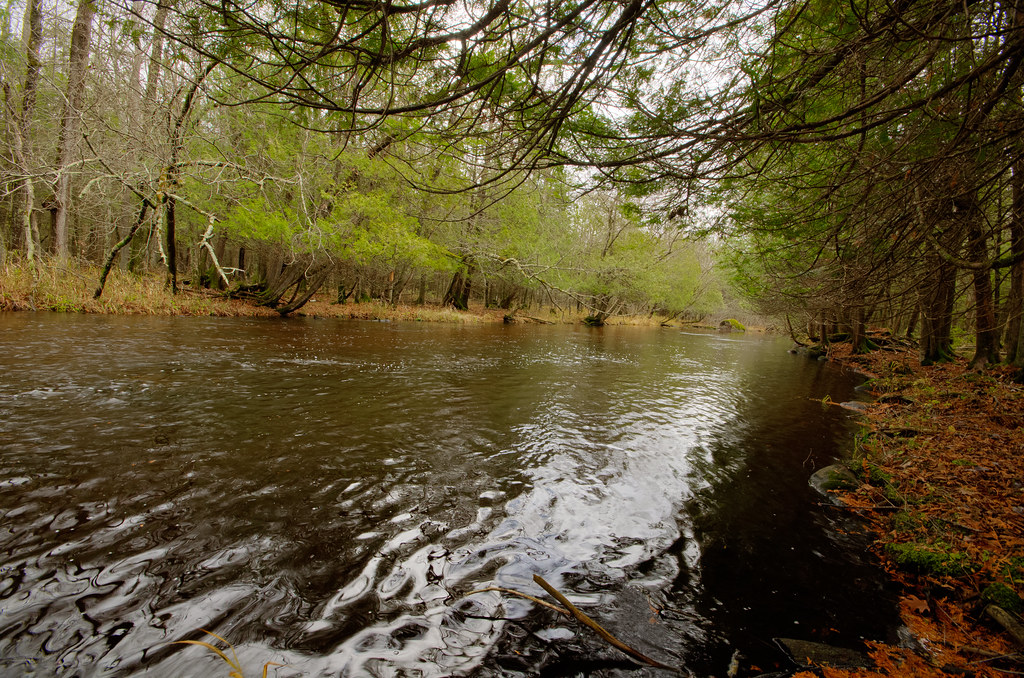
Wolf River
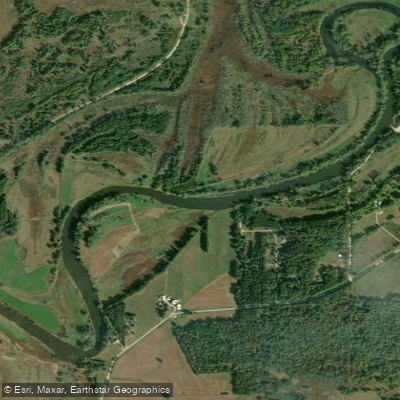
Fox River
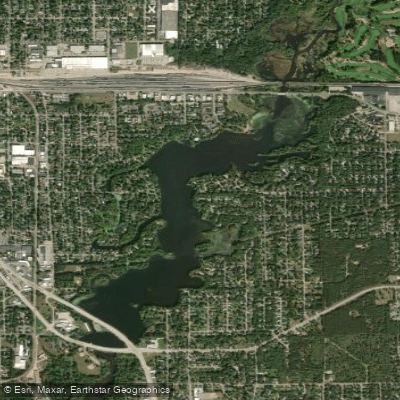
McDill Pond
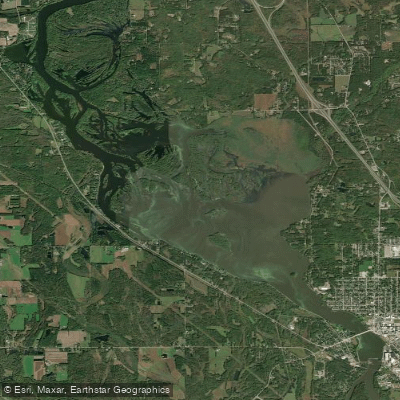
Wisconsin River Flowage
What to know
Habitat Distribution
- Found in the Lake Michigan drainage, Mississippi River basin, and other major waterways throughout the state.
- They prefer faster-flowing waters compared to other buffalo species, with a preference for fine substrates and deeper areas.
Key Locations
- Wisconsin River system (including Lake Wisconsin), Mississippi River, Lower Wisconsin River, Rock River, Crawfish River, and various lakes including Yellowstone Lake and Beaver Dam Lake.
- Mississippi River backwaters, Lake Wisconsin, and connecting flowages.
- Wisconsin's eutrophic lakes and smaller rivers like the Crawfish and Rock rivers tend to be more productive than large river systems.
Specific Spots
- Look for them around boulders, logs, drop-offs, and weed lines.
- Look for them tailing or feeding in less than a foot of water during midday heat, often in groups.
- Target deeper pools and around structure.
Smallmouth Buffalo FAQ
Answers from onWater's species guide.
What are the best lures and bait for Smallmouth Buffalo in Wisconsin?
Nightcrawlers, dough balls, corn, and cut bait presented on the bottom. Small jigs tipped with live bait, particularly in deeper pools and around structure.
What flies work for Smallmouth Buffalo in Wisconsin?
Carp-style patterns including Backstabbers in pink and chartreuse, Carp Tease, Carp Crack patterns, Carp Dusters, and Bonefish Butters. In clear water, match bottom colors with olive and brown flies, while muddy water requires bright colors like pink, orange, and chartreuse for visibility.
When is the best time to fish for Smallmouth Buffalo in Wisconsin?
Most productive during late spring through early fall, with the best action occurring from late May through September after spawning concludes. Avoid targeting them from April to early June during spawning to protect reproduction.
How do you catch Smallmouth Buffalo in Wisconsin?
Bottom-fishing techniques for conventional fishing. For fly fishing, present flies quietly in their sight line with subtle movements - they must see the fly to take it.
What do Smallmouth Buffalo eat?
Their diet consists primarily of detritus and bottom organisms - young buffalo feed on copepods and cladocerans, while mature fish are opportunistic feeders consuming zooplankton, insect larvae (especially chironomids), small crustaceans, mollusks (particularly small bivalves like Asiatic clams), bryozoans, algae, and...
Fish smarter with real-time insights
Whether you're en route and conditions shift or you're looking for the best spot based on current flows, we enable you to make informed decisions on the fly.




See it in the app
Most maps show you water.
onWater shows you Smallmouth Buffalo.



- 01 · Species map filter
Map every Smallmouth Buffalo water
Pick Smallmouth Buffalo and the map zeroes in on the waters they call home. No more guessing which lake holds them.
- 02 · Waterbody species
Tap any water. See what lives there.
Species, behavior and seasonal patterns for every lake, river and pond, before you leave the driveway.
- 03 · Angler Intelligence
Ask how to catch Smallmouth Buffalo
Tactics, gear and timing from onWater's AI fishing guide, tuned to the species and the water you're on.
Stop guessing where Smallmouth Buffalo are.
Open the map, filter by Smallmouth Buffalo, and head to water that holds them. Download onWater and plan your next trip in minutes.
- Species map filter
- Angler Intelligence
- Fishing journal
Explore other species
Trout, bass, salmon, panfish and everything in between. Each guide unpacks the behavior, seasons, and tactics that put fish in the net.
No species information available.
Wisconsin licenses and regulations
Explore nearby waters
Explore Wisconsin waters
Top fishing waters
Popular Cities
Loading popular cities...

Smarter Fishing Starts in the App.
onWater Fish gives you everything you need to plan smarter, fish better, and own every trip from first cast to last.