Longnose Gar
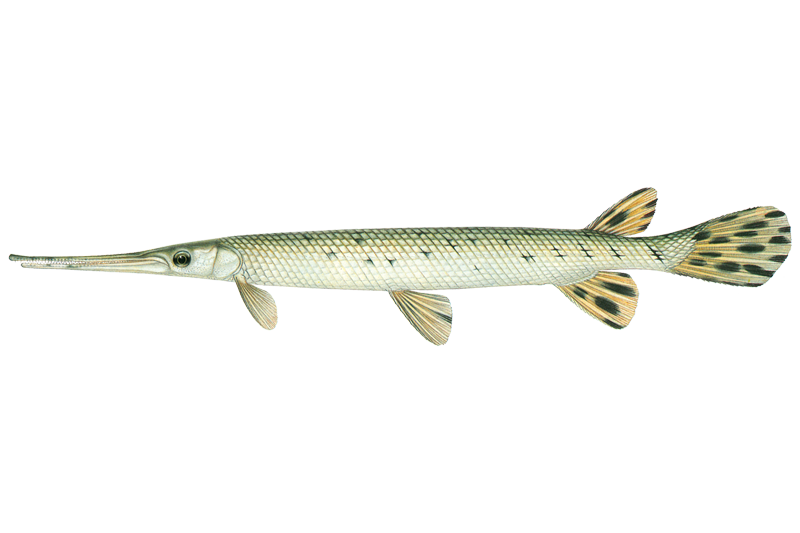
Longnose Gar (Lepisosteus osseus) are one of two gar species native to Wisconsin waters, with the longnose being the more common and widely distributed. These prehistoric fish have existed virtually unchanged for 100 million years.
Scientific Name: Lepisosteus osseus
- Longnose gar are distinguished by their elongated snout (18-20 times as long as it is wide), diamond-shaped ganoid scales that form protective armor, and torpedo-shaped bodies that can reach 3-6 feet in length.
Fishing in Wisconsin
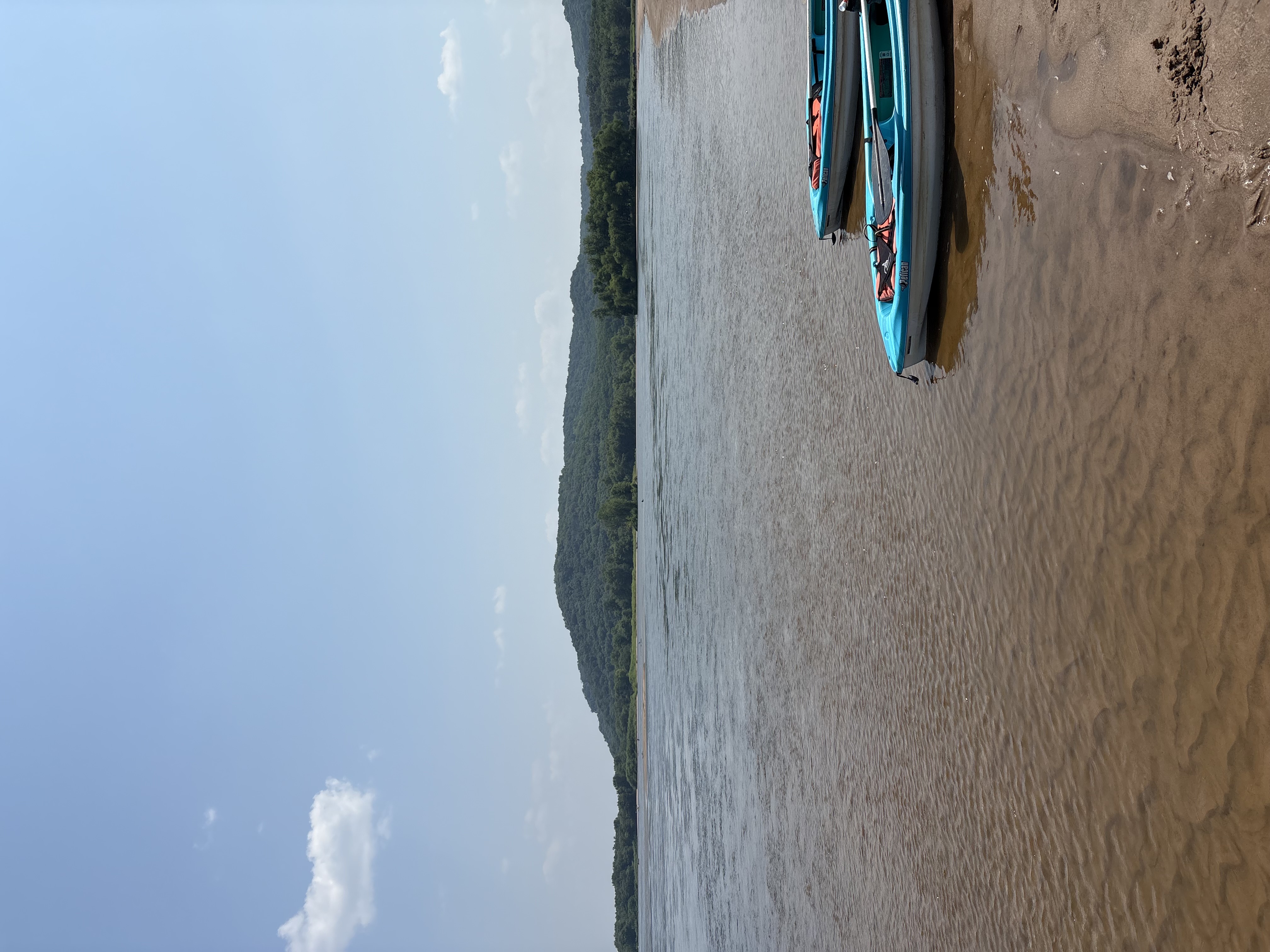
Wisconsin River
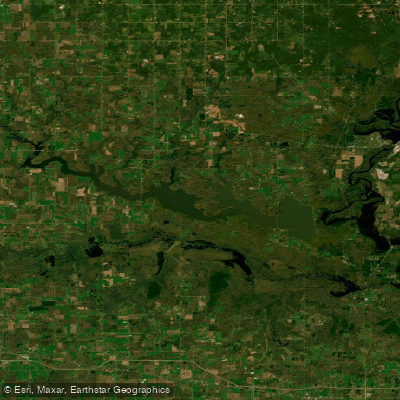
Big Eau Pleine Reservoir
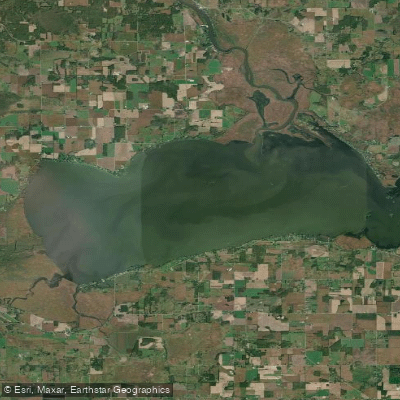
Lake Poygan
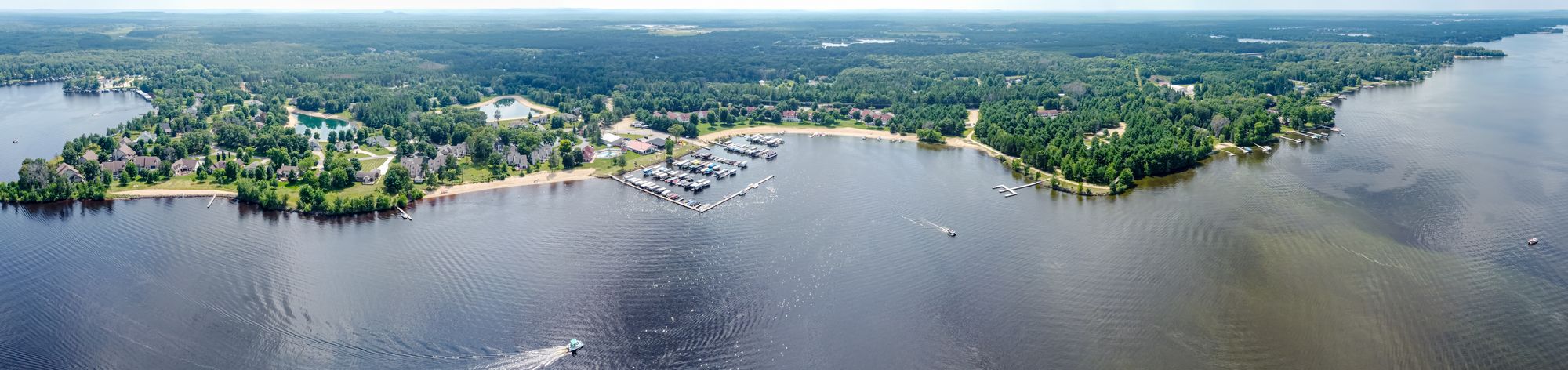
Castle Rock Lake
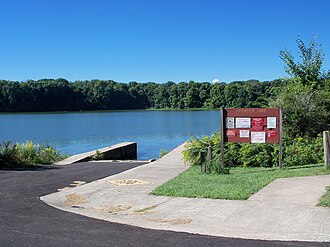
Spencer Lake
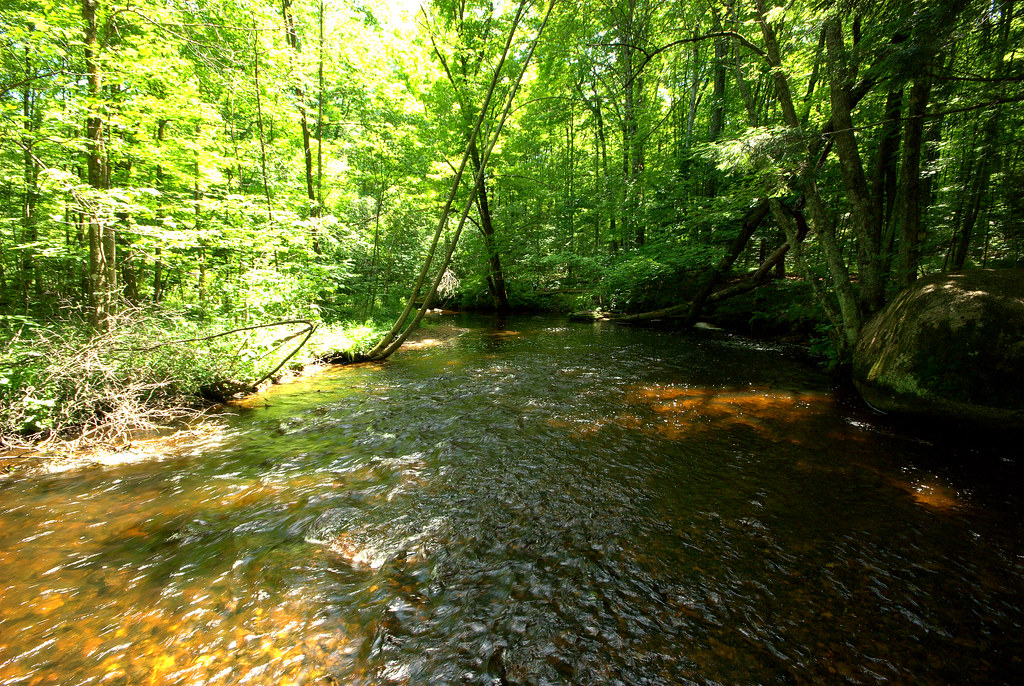
Little Wolf River
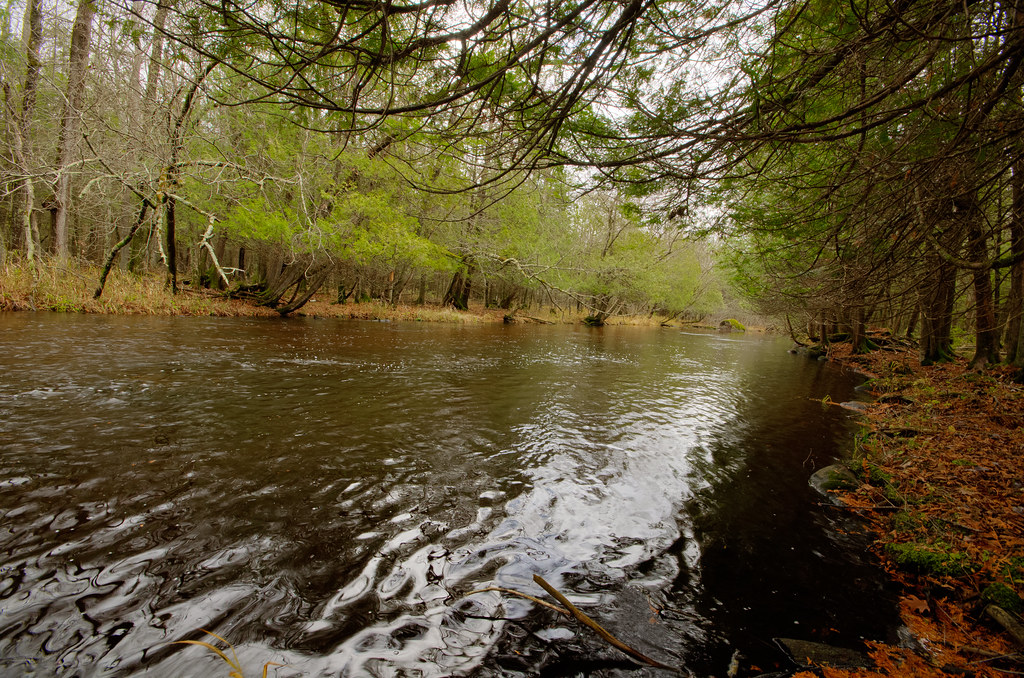
Wolf River
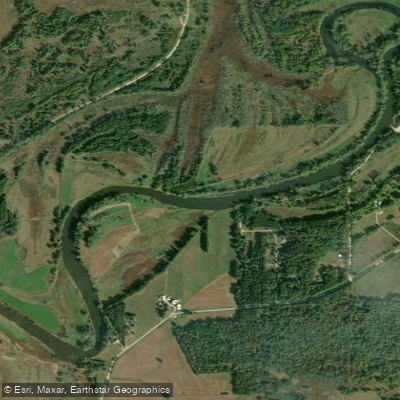
Fox River
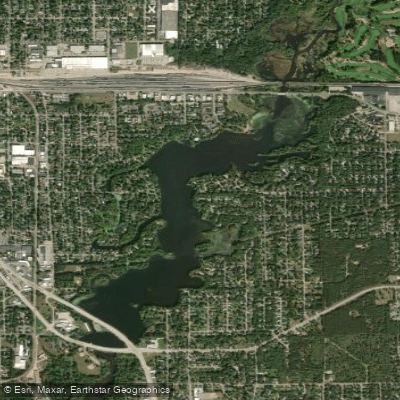
McDill Pond
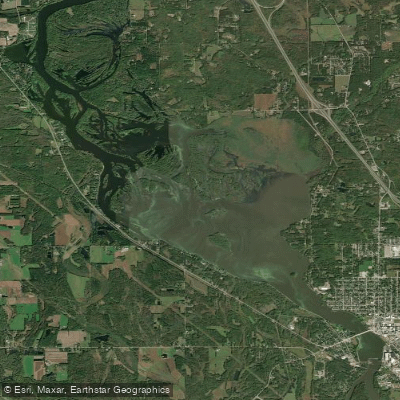
Wisconsin River Flowage
What to know
Habitat Distribution
- They inhabit freshwater lakes, rivers, slow-moving streams, and can tolerate brackish water.
Key Locations
- Found throughout most of Wisconsin, particularly in Lake Winnebago, Green Bay, and the Wisconsin River system.
- They're also present in the chain of lakes in Rusk/Chippewa County and various waters in the Chippewa River drainage.
- Popular Wisconsin gar fishing locations include the Wisconsin River (particularly in Richland County where the state record 21-pound, 4-ounce fish was caught), Lake Winnebago system, and the Couderay drainage lakes including LCO, Sissabagama, and Grindstone lakes.
Specific Spots
- Target shallow weedy areas, backwaters, areas with vegetation or submerged woody debris, and warm water discharges.
- In rivers, focus on areas below dams and weedy bends.
Longnose Gar FAQ
Answers from onWater's species guide.
What are the best lures and bait for Longnose Gar in Wisconsin?
Live minnows, small suckers, or cut bait suspended about a foot below a bobber near the surface. Small inline spinners, jigs, spoons, and minnowbaits can be effective, particularly smaller presentations like No. 5 Mepps spinners.
What flies work for Longnose Gar in Wisconsin?
Streamers 3-5 inches long, including bucktail patterns and basic baitfish imitations. Hookless rope flies made from unbraided nylon rope tied to a hook, then cutting off the hook.
When is the best time to fish for Longnose Gar in Wisconsin?
Wisconsin's fishing season for gar runs from May 3 through March 1. Best fishing is during summer months (June through August) when water temperatures reach 70-80°F.
How do you catch Longnose Gar in Wisconsin?
For conventional tackle, suspend live minnows, small suckers, or cut bait about a foot below a bobber near the surface. For fly fishing, the most effective technique uses hookless rope flies made from unbraided nylon rope tied to a hook, then cutting off the hook.
What do Longnose Gar eat?
These ambush predators primarily feed on fish (making up 98% of their diet), including gizzard shad, shiners, sunfish, perch, and menhaden, with occasional insects and crustaceans.
Fish smarter with real-time insights
Whether you're en route and conditions shift or you're looking for the best spot based on current flows, we enable you to make informed decisions on the fly.




See it in the app
Most maps show you water.
onWater shows you Longnose Gar.



- 01 · Species map filter
Map every Longnose Gar water
Pick Longnose Gar and the map zeroes in on the waters they call home. No more guessing which lake holds them.
- 02 · Waterbody species
Tap any water. See what lives there.
Species, behavior and seasonal patterns for every lake, river and pond, before you leave the driveway.
- 03 · Angler Intelligence
Ask how to catch Longnose Gar
Tactics, gear and timing from onWater's AI fishing guide, tuned to the species and the water you're on.
Stop guessing where Longnose Gar are.
Open the map, filter by Longnose Gar, and head to water that holds them. Download onWater and plan your next trip in minutes.
- Species map filter
- Angler Intelligence
- Fishing journal
Explore other species
Trout, bass, salmon, panfish and everything in between. Each guide unpacks the behavior, seasons, and tactics that put fish in the net.
No species information available.
Wisconsin licenses and regulations
Explore nearby waters
Explore Wisconsin waters
Top fishing waters
Popular Cities
Loading popular cities...

Smarter Fishing Starts in the App.
onWater Fish gives you everything you need to plan smarter, fish better, and own every trip from first cast to last.