Bluegill
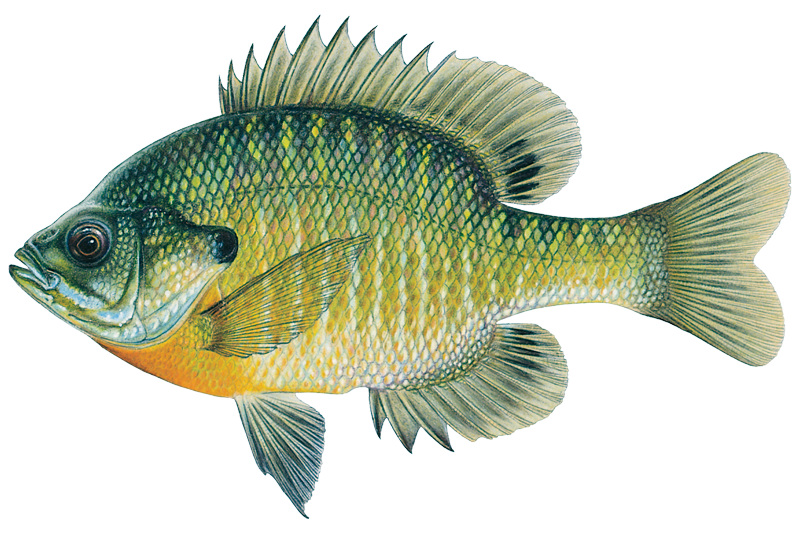
Bluegill are one of Wisconsin's most abundant and popular panfish, found in all three drainage basins - Lake Michigan, Mississippi River, and Lake Superior.
Originally absent from the Lake Superior basin, stocking programs have established reproducing populations throughout the state.
Scientific Name: Lepomis macrochirus
- These compressed, disc-shaped fish average 5-7 inches but can reach up to 9 inches and weigh over a pound under excellent conditions.
- Wisconsin's state record is a 2-pound, 9.8-ounce fish caught from Green Bay in 1995.
Fishing in Wisconsin
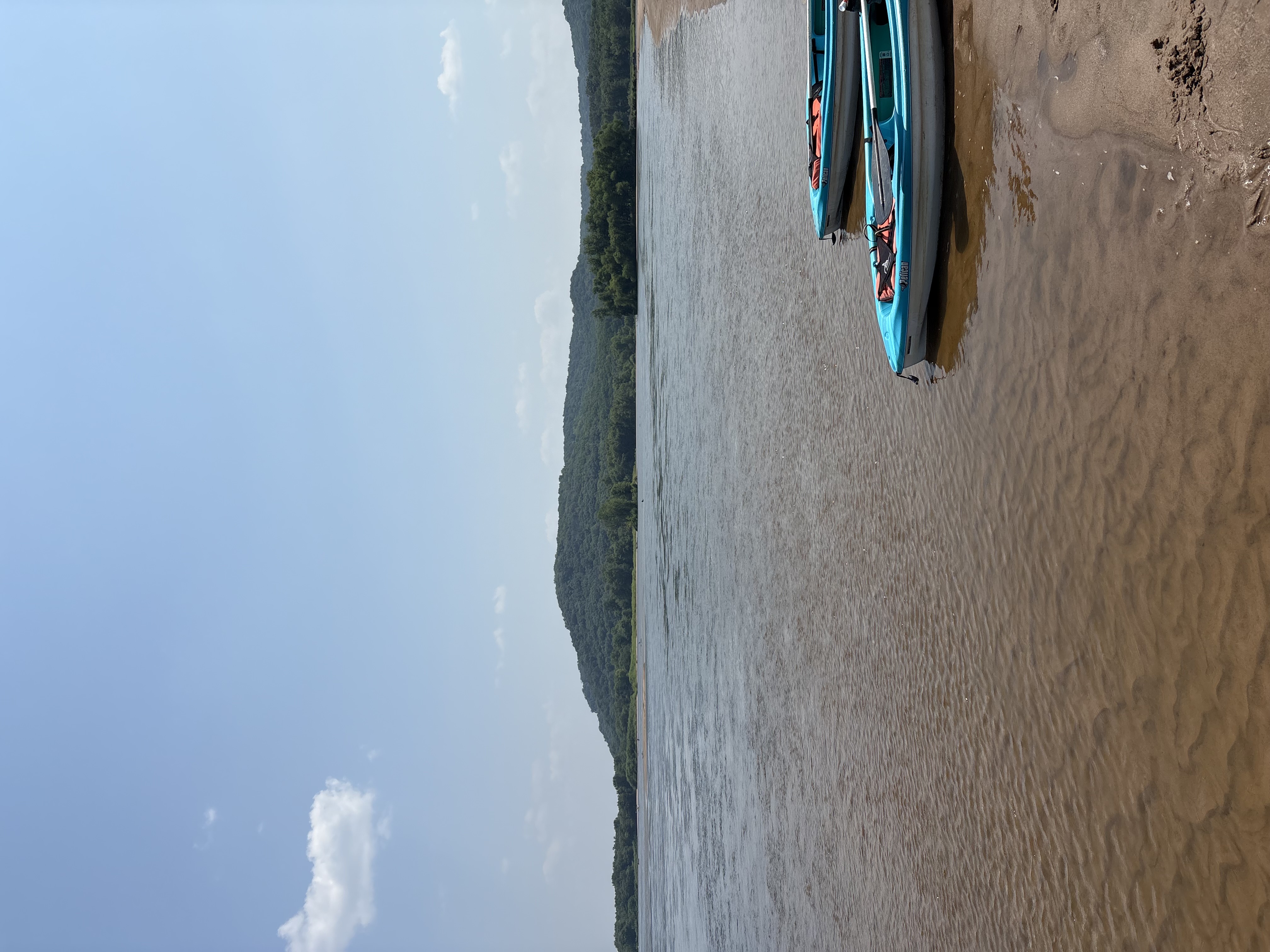
Wisconsin River
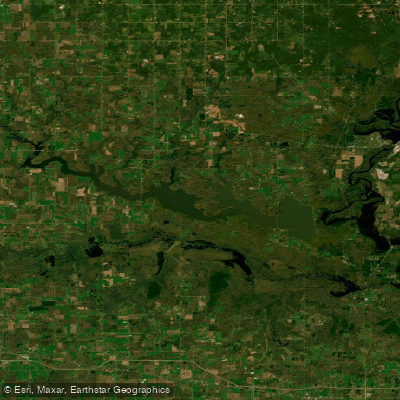
Big Eau Pleine Reservoir
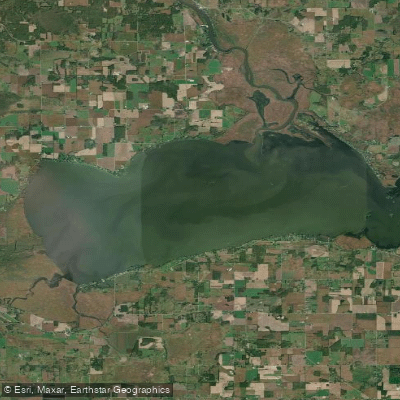
Lake Poygan
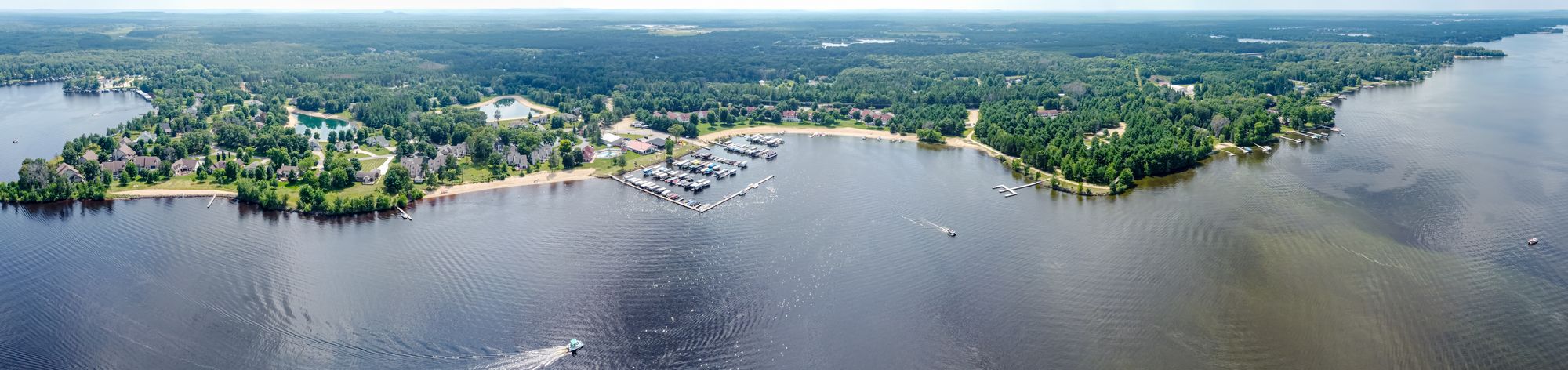
Castle Rock Lake
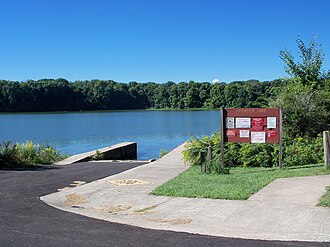
Spencer Lake
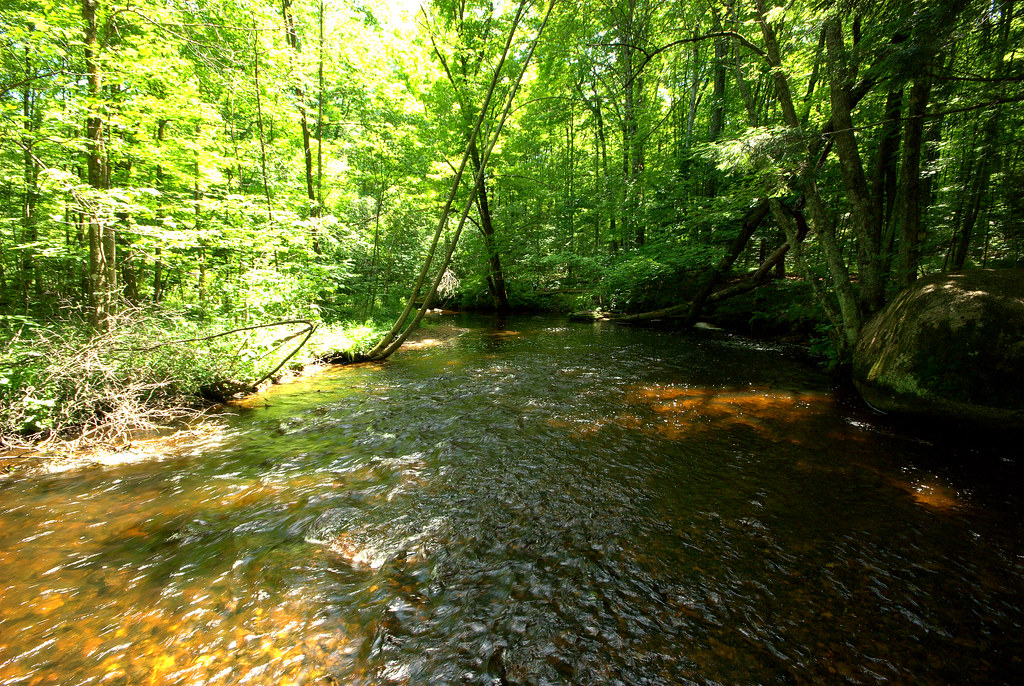
Little Wolf River
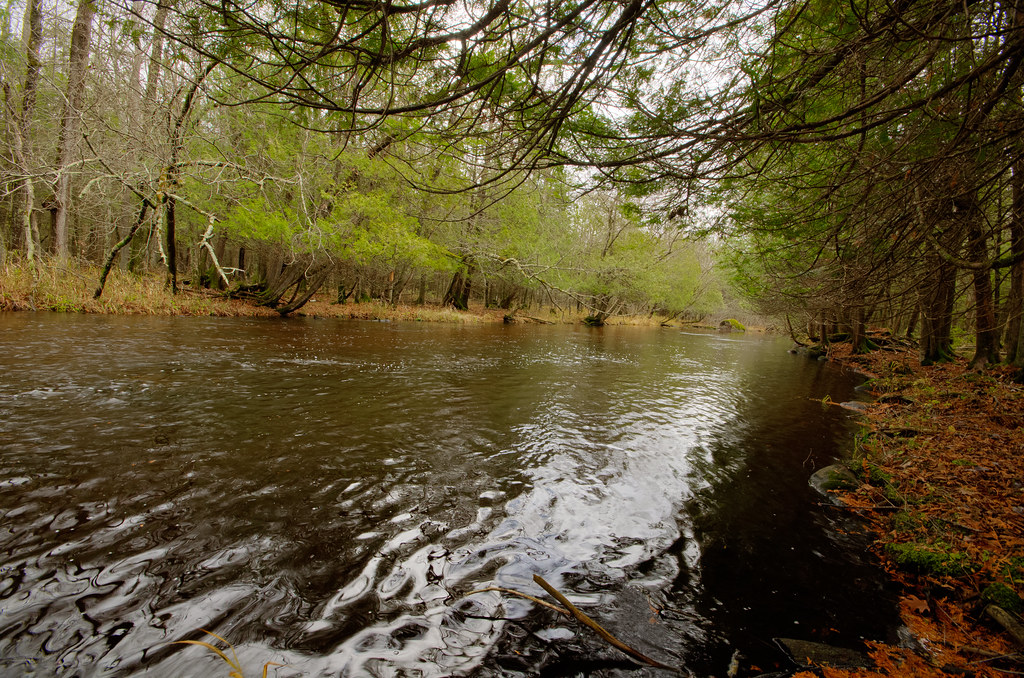
Wolf River
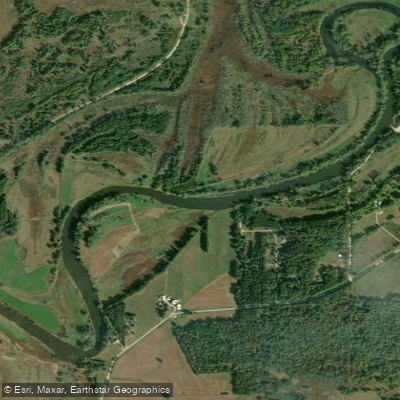
Fox River
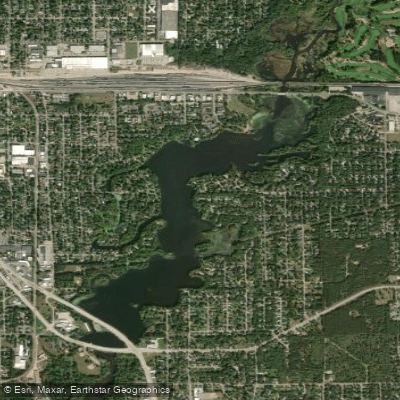
McDill Pond
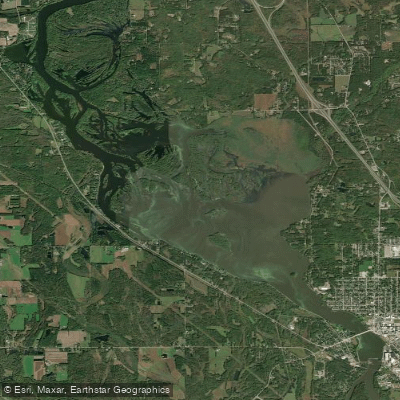
Wisconsin River Flowage
What to know
Habitat Distribution
- Commonly found in lakes, ponds, swamps, and slow-moving stream areas - notably absent from cold trout streams.
Key Locations
- Prime locations include the Madison Chain lakes (Mendota, Monona, Waubesa, Kegonsa), Lake Winnebago, Devils Lake, Fish and Crystal Lakes near Roxbury, and Gallus Slough north of Sauk City.
Specific Spots
- Target areas with fallen trees, aquatic plants, docks, transition zones between hard and soft bottoms, and weed edges.
- They often congregate around aquatic vegetation, submerged brush, fallen trees, and docks.
Bluegill FAQ
Answers from onWater's species guide.
What are the best lures and bait for Bluegill in Wisconsin?
Garden worms are the top bait choice, but bluegill readily take small insects, insect larvae, grubs, and invertebrates. Effective artificial lures include small jigs (1/32 to 1/16 ounce) with 1-2 inch grubs in chartreuse or other bright colors, tiny spinners, small crankbaits, and hair jigs.
What flies work for Bluegill in Wisconsin?
Poppers work exceptionally well in spring and early summer when fish are in shallow water, along with woolly buggers, foam spiders, and Royal Coachman patterns in sizes 8-10.
When is the best time to fish for Bluegill in Wisconsin?
Spring offers the best bluegill fishing, particularly after spawning. Summer fishing is most productive in 5-15 feet of water. Winter ice fishing in weed beds produces excellent results.
How do you catch Bluegill in Wisconsin?
Use bobbers since bluegill suck in rather than strike prey. Ice fishing tactics include fishing among weeds in deeper water. During late spring and summer when insects are emerging, bluegill will feed on the surface.
What do Bluegill eat?
Their diet includes algae, aquatic vegetation, zooplankton, insect larvae, insects, fish e.g.gs, small fish, crayfish, and snails. Bluegill are sight-feeders that consume up to 35% of their body weight weekly in summer, dropping to just 1% in winter.
Fish smarter with real-time insights
Whether you're en route and conditions shift or you're looking for the best spot based on current flows, we enable you to make informed decisions on the fly.




See it in the app
Most maps show you water.
onWater shows you Bluegill.



- 01 · Species map filter
Map every Bluegill water
Pick Bluegill and the map zeroes in on the waters they call home. No more guessing which lake holds them.
- 02 · Waterbody species
Tap any water. See what lives there.
Species, behavior and seasonal patterns for every lake, river and pond, before you leave the driveway.
- 03 · Angler Intelligence
Ask how to catch Bluegill
Tactics, gear and timing from onWater's AI fishing guide, tuned to the species and the water you're on.
Stop guessing where Bluegill are.
Open the map, filter by Bluegill, and head to water that holds them. Download onWater and plan your next trip in minutes.
- Species map filter
- Angler Intelligence
- Fishing journal
Explore other species
Trout, bass, salmon, panfish and everything in between. Each guide unpacks the behavior, seasons, and tactics that put fish in the net.
No species information available.
Wisconsin licenses and regulations
Explore nearby waters
Explore Wisconsin waters
Top fishing waters
Popular Cities
Loading popular cities...

Smarter Fishing Starts in the App.
onWater Fish gives you everything you need to plan smarter, fish better, and own every trip from first cast to last.