Yellow Bullhead

Yellow Bullhead (Ameiurus natalis) is a native freshwater catfish found throughout West Virginia's rivers, streams, lakes, and ponds.
This hardy species is highly tolerant of poor water quality, low oxygen levels, and pollution, making them adaptable to diverse freshwater environments.
Scientific Name: Ameiurus natalis
- Distinguished by its yellowish-brown to olive coloration with white or yellow chin barbels, rounded tail, and saw-like teeth on the rear edge of pectoral spines.
- Adults typically reach 6-14 inches, rarely exceeding 2 pounds, though specimens up to 26.7 inches and 261 grams have been documented in Central Appalachian waters.
Fishing in West Virginia
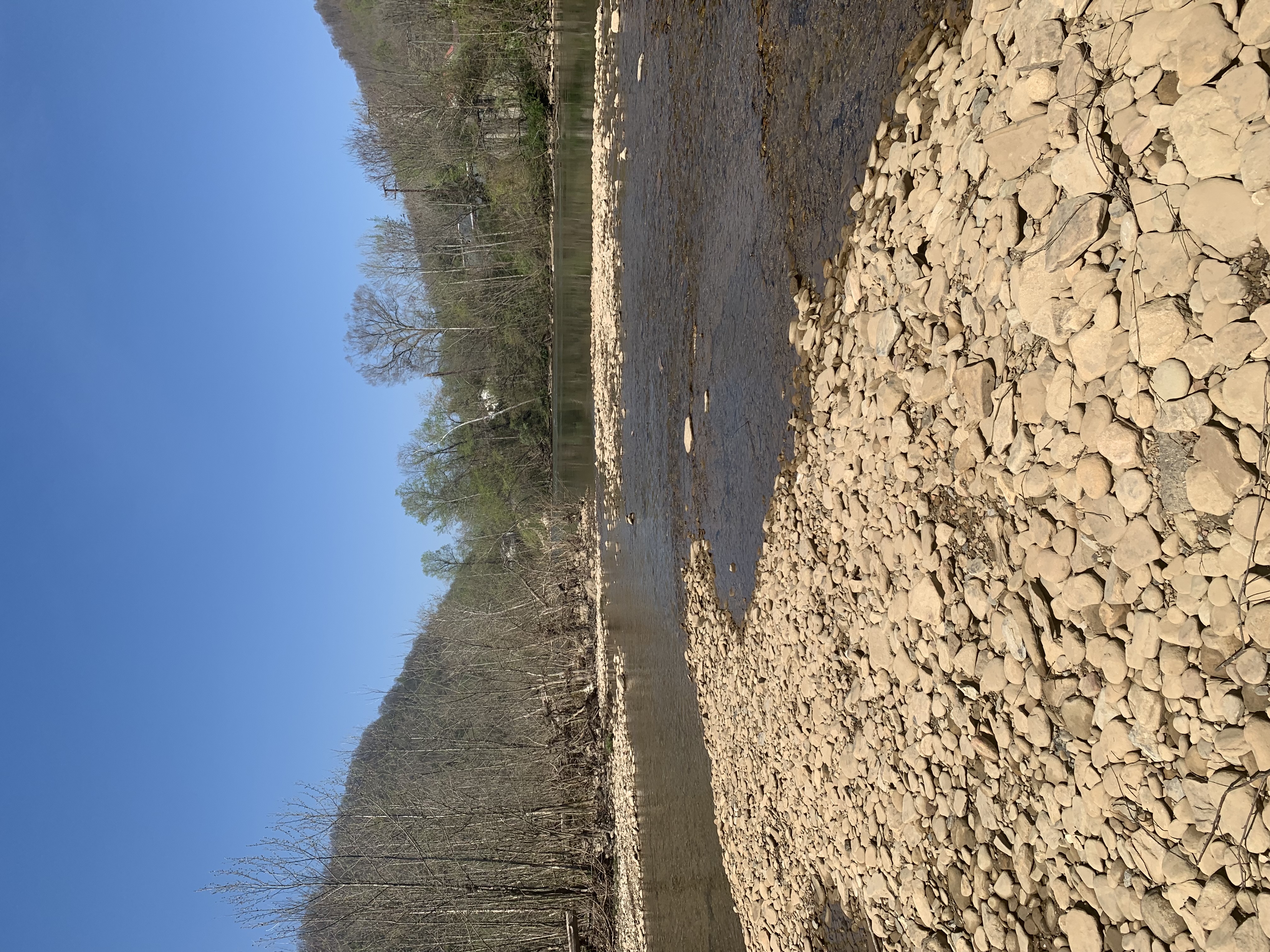
Gauley River
New River
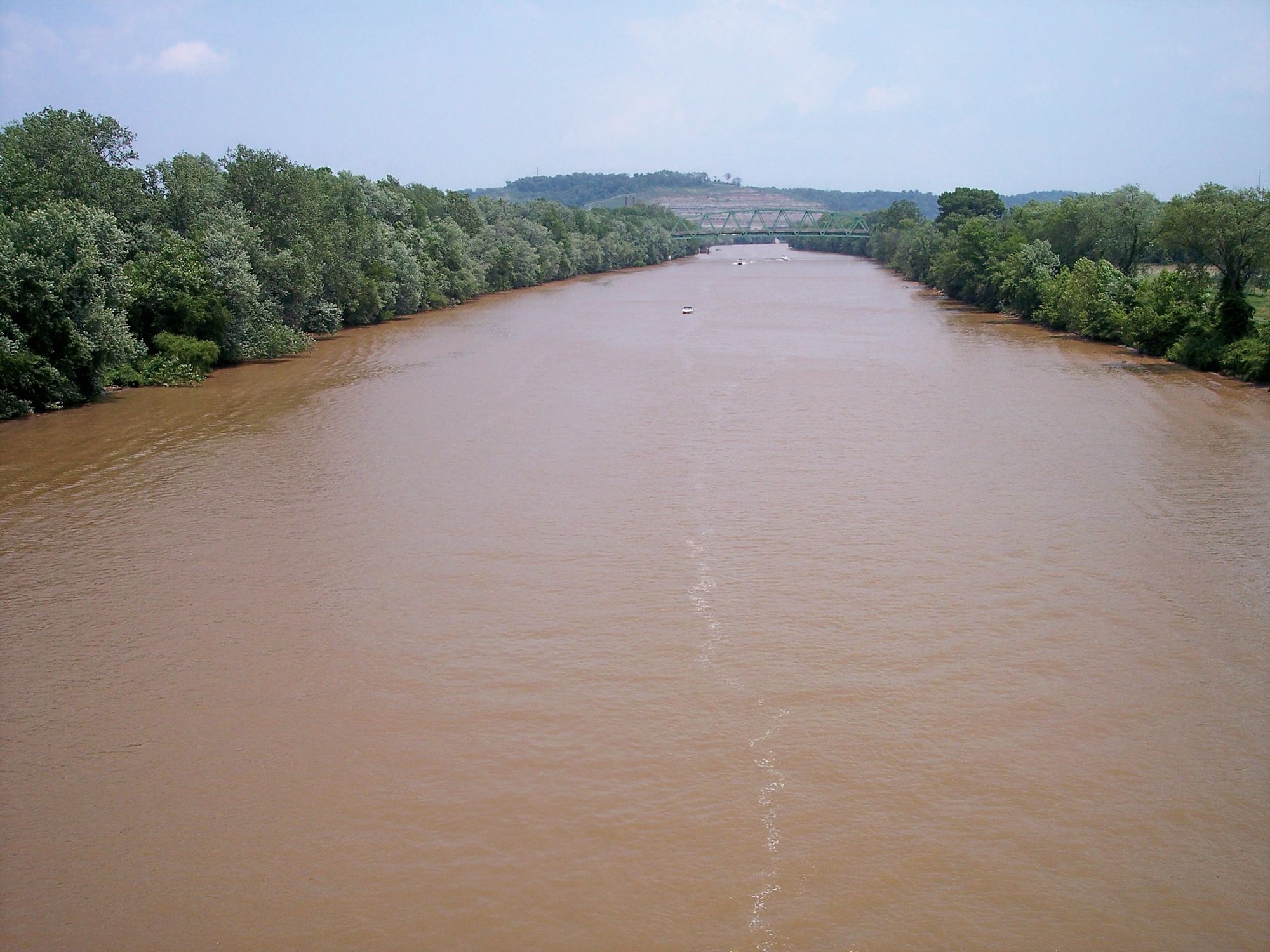
Kanawha River
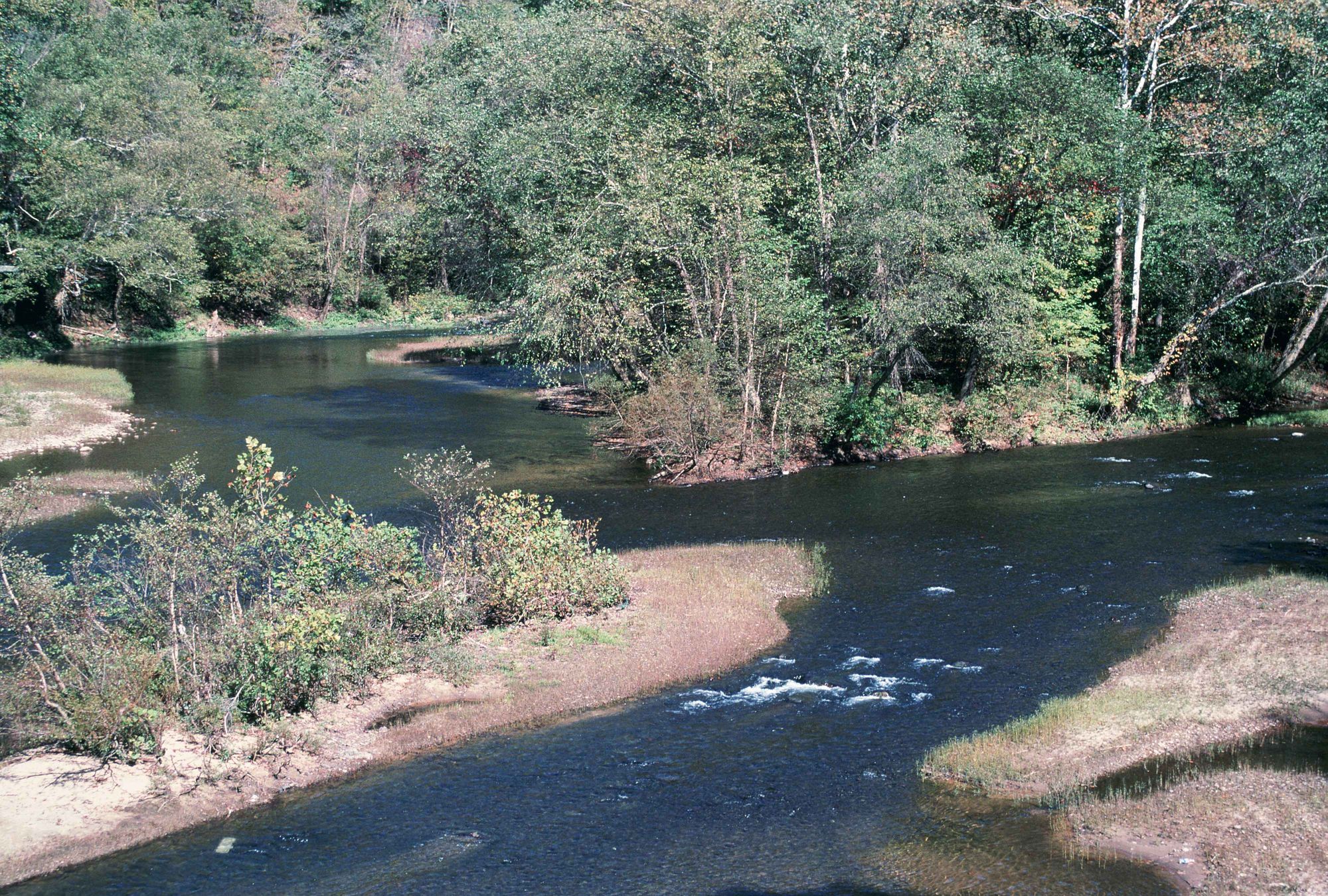
Elk River
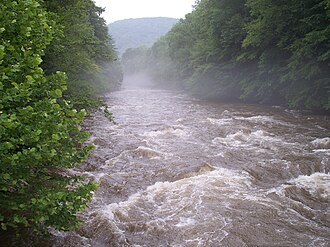
Cranberry River
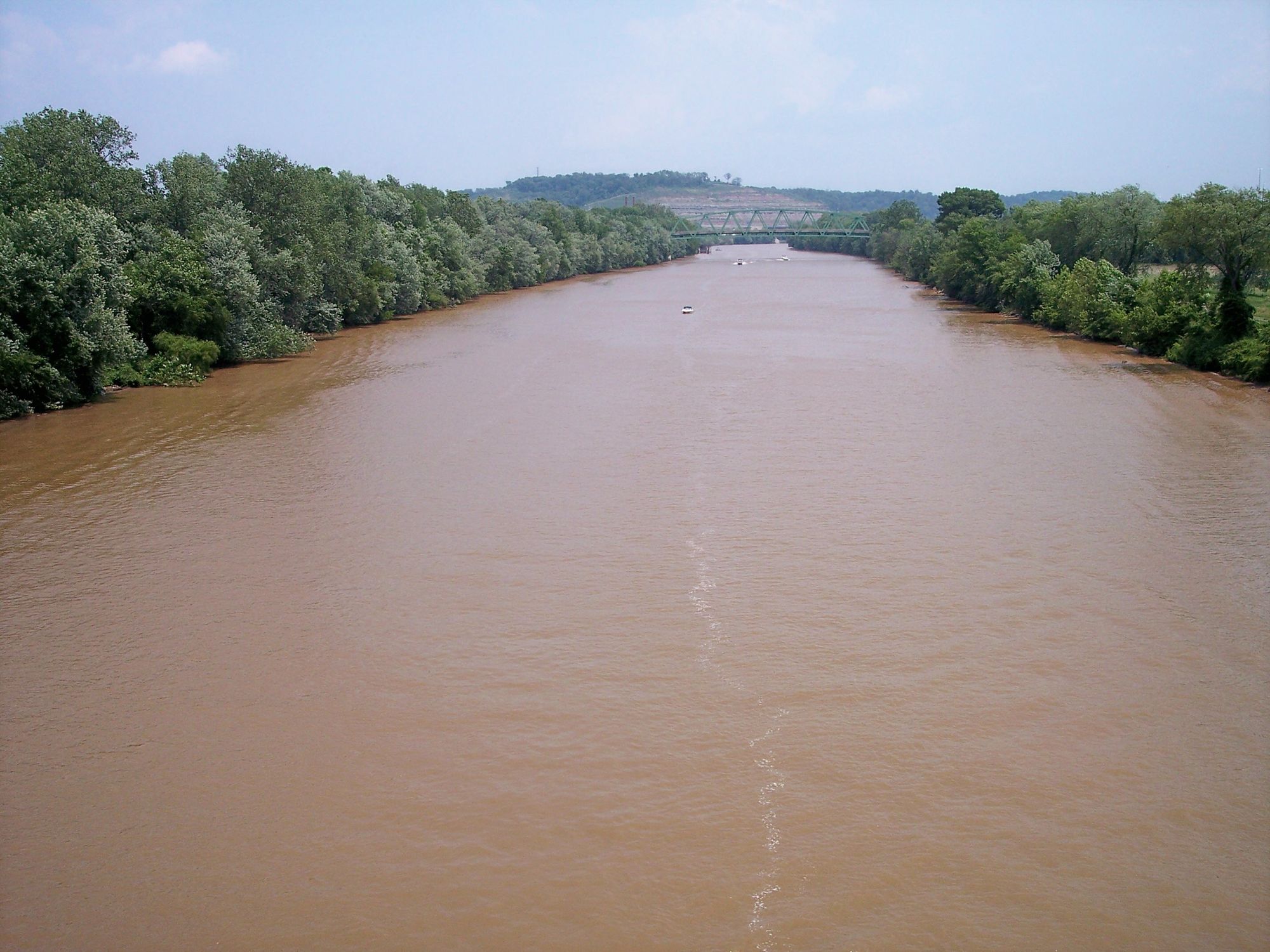
Little Kanawha River
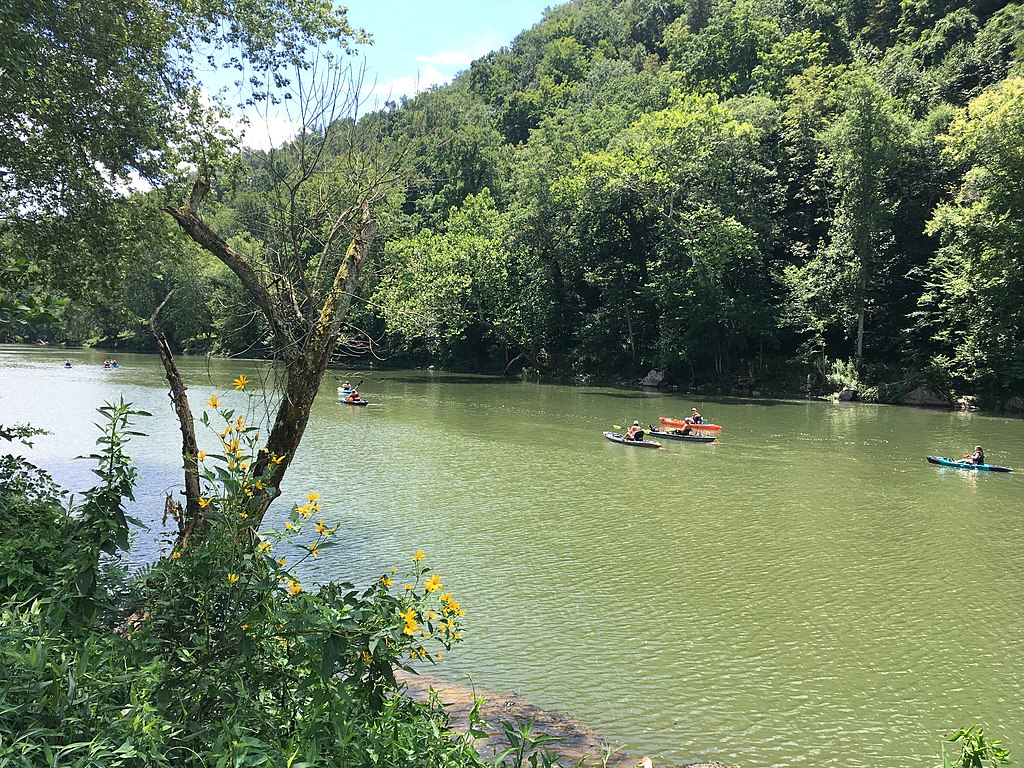
Greenbrier River
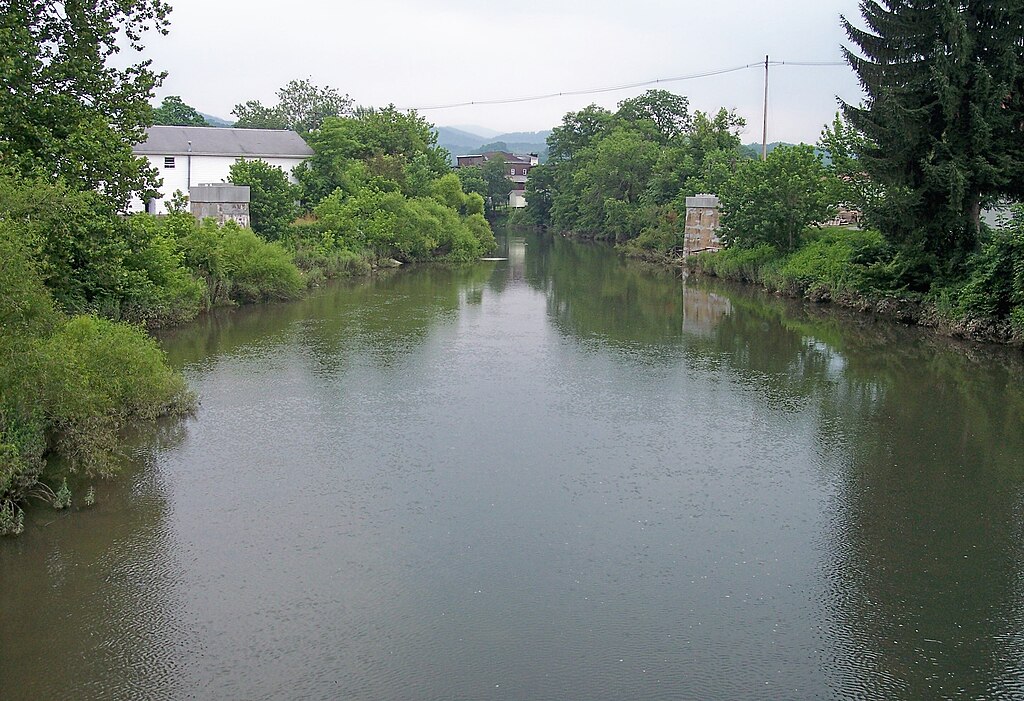
Tygart Valley River
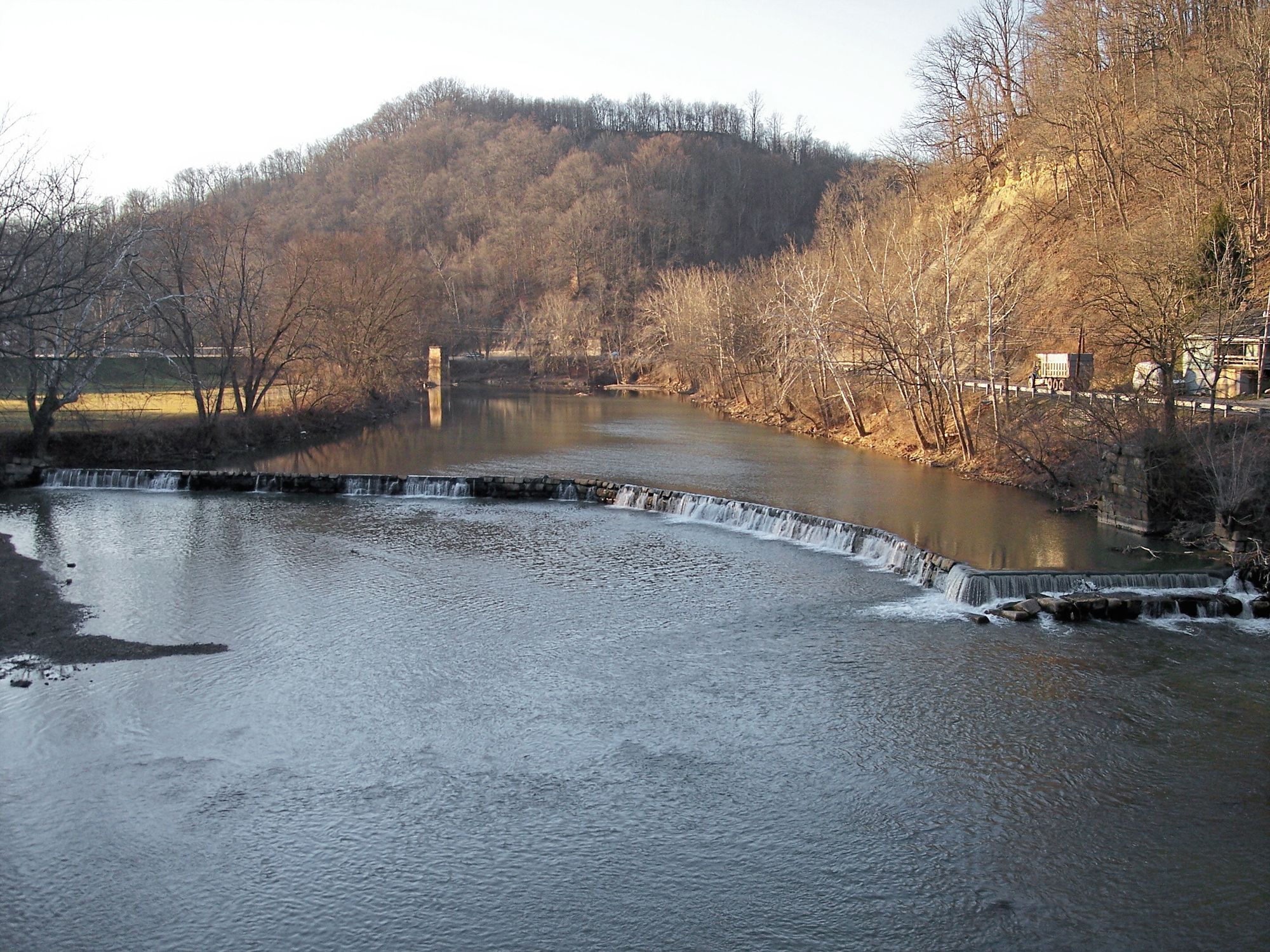
West Fork River
Sutton Lake
What to know
Habitat Distribution
- Found throughout West Virginia's rivers, streams, lakes, and ponds.
- They inhabit shallow, slow-moving waters with muddy or sandy substrates, preferring areas with dense vegetation, submerged logs, and woody debris.
Key Locations
- Shenandoah River system, Twin Lakes in Huntington, Twin Lakes near Huntington, and other slow-moving streams and ponds throughout the state's river systems.
Specific Spots
- Fish in shallow areas (2-30 feet) with muddy substrates, targeting locations with submerged logs, root systems, overhanging vegetation, and woody debris.
- Target areas around piers, docks, bridge pilings, inside turns and coves, lily pad edges, spring holes, and current edges.
Yellow Bullhead FAQ
Answers from onWater's species guide.
What are the best lures and bait for Yellow Bullhead in West Virginia?
Effective baits include earthworms, chicken liver, cut bait, crayfish, crickets, minnows, bread or dough balls, corn, and even beef jerky (which stays on the hook well and doesn't spoil). They respond well to scent-based attractants.
When is the best time to fish for Yellow Bullhead in West Virginia?
Peak success from late spring through early fall when water temperatures are warmest. They spawn from April through July when water temperatures reach 73-82°F (23-28°C) - avoid targeting them during this reproductive period.
How do you catch Yellow Bullhead in West Virginia?
Fish bottom-dwelling presentations, still-fishing presentations including drift fishing, bait casting, and spin casting techniques. Try tandem rigs to increase catch rates and add weight to your presentation. They will feed throughout the day, though night fishing produces the most consistent results.
What do Yellow Bullhead eat?
Bottom-dwelling omnivorous scavengers that feed primarily at night on aquatic invertebrates, insects, crayfish, small fish, mollusks, worms, and aquatic vegetation - consuming more plant material than other bullhead species.
Where do Yellow Bullhead live in West Virginia?
Found throughout West Virginia's rivers, streams, lakes, and ponds. They inhabit shallow, slow-moving waters with muddy or sandy substrates, preferring areas with dense vegetation, submerged logs, and woody debris.
Fish smarter with real-time insights
Whether you're en route and conditions shift or you're looking for the best spot based on current flows, we enable you to make informed decisions on the fly.




See it in the app
Most maps show you water.
onWater shows you Yellow Bullhead.



- 01 · Species map filter
Map every Yellow Bullhead water
Pick Yellow Bullhead and the map zeroes in on the waters they call home. No more guessing which lake holds them.
- 02 · Waterbody species
Tap any water. See what lives there.
Species, behavior and seasonal patterns for every lake, river and pond, before you leave the driveway.
- 03 · Angler Intelligence
Ask how to catch Yellow Bullhead
Tactics, gear and timing from onWater's AI fishing guide, tuned to the species and the water you're on.
Stop guessing where Yellow Bullhead are.
Open the map, filter by Yellow Bullhead, and head to water that holds them. Download onWater and plan your next trip in minutes.
- Species map filter
- Angler Intelligence
- Fishing journal
Explore other species
Trout, bass, salmon, panfish and everything in between. Each guide unpacks the behavior, seasons, and tactics that put fish in the net.
No species information available.
West Virginia licenses and regulations
Explore nearby waters
Explore West Virginia waters
Top fishing waters
Popular Cities
Loading popular cities...

Smarter Fishing Starts in the App.
onWater Fish gives you everything you need to plan smarter, fish better, and own every trip from first cast to last.