White Crappie
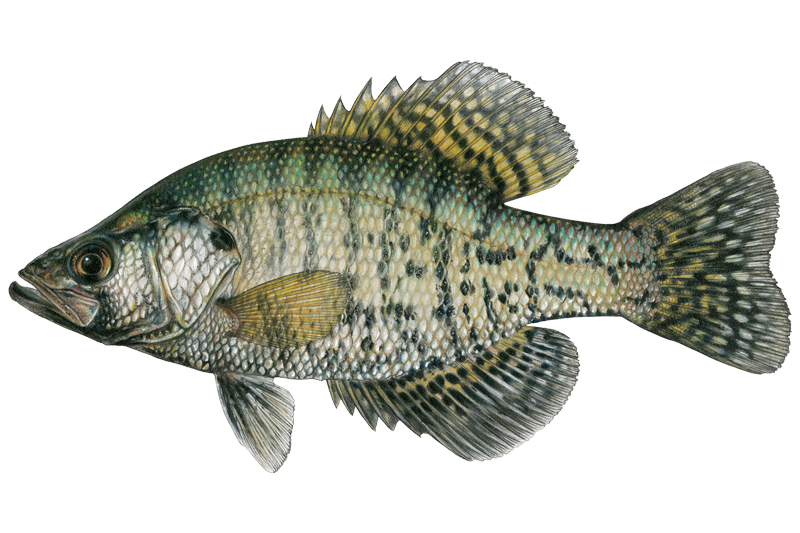
White Crappie in West Virginia are pan-size fish belonging to the sunfish family, characterized by their silver and black coloration with a large mouth and pale vertical bars on their sides.
West Virginia's population is healthy and widespread, found throughout the state's larger streams, rivers, and reservoirs including all U. S. Army Corps Engineers reservoirs, small impoundments, and slow-moving sections of rivers and streams.
Scientific Name: Pomoxis annularis
Also known as croppie, calico bass, speckled bass, papermouth
- Characterized by their silver and black coloration with a large mouth and pale vertical bars on their sides.
- They can be distinguished from Black Crappie by having six dorsal spines versus seven or eight.
- The state record is 19.75 inches and 4.05 pounds, caught by Leonard Edgell in 1971.
Fishing in West Virginia
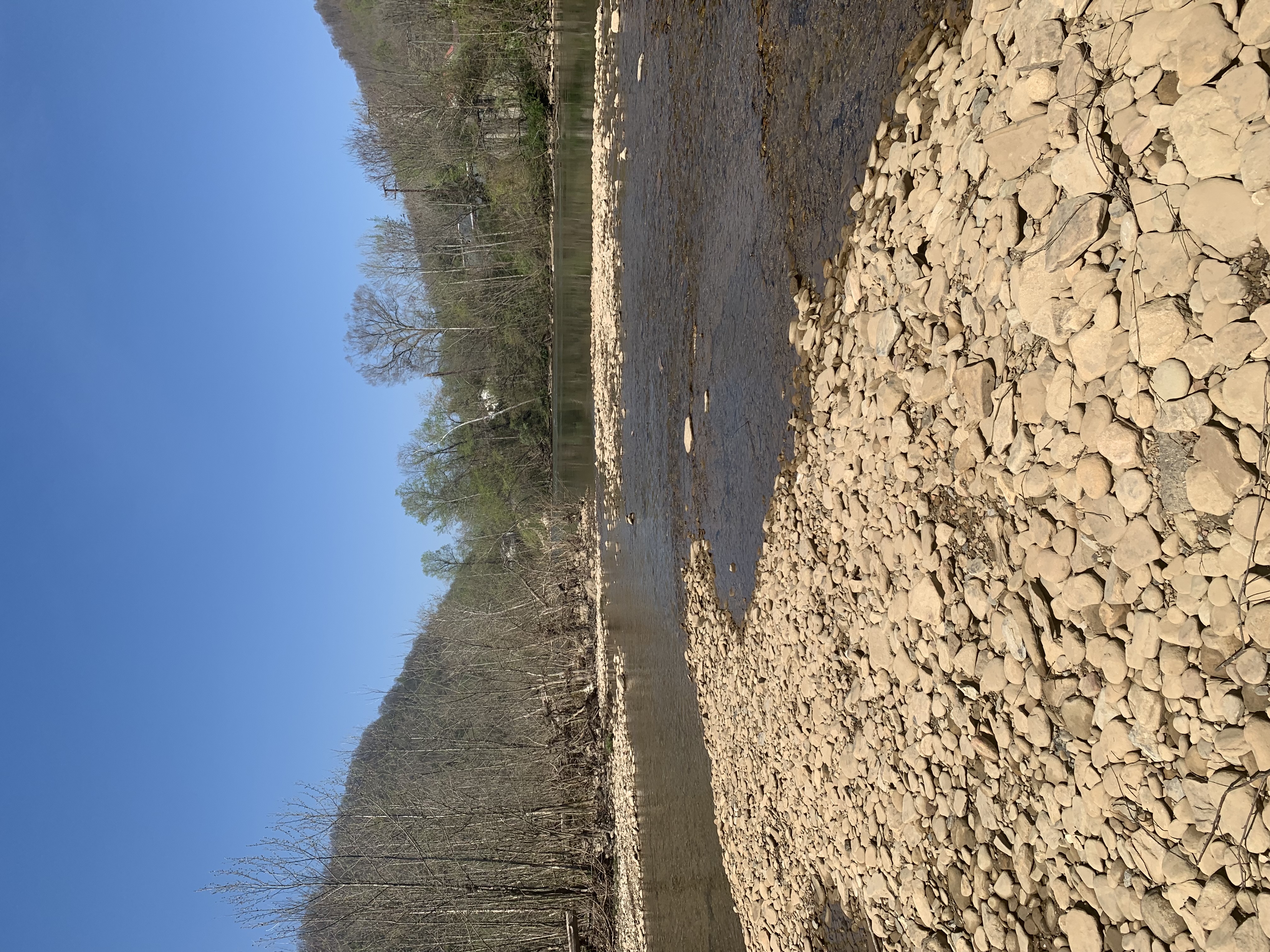
Gauley River
New River
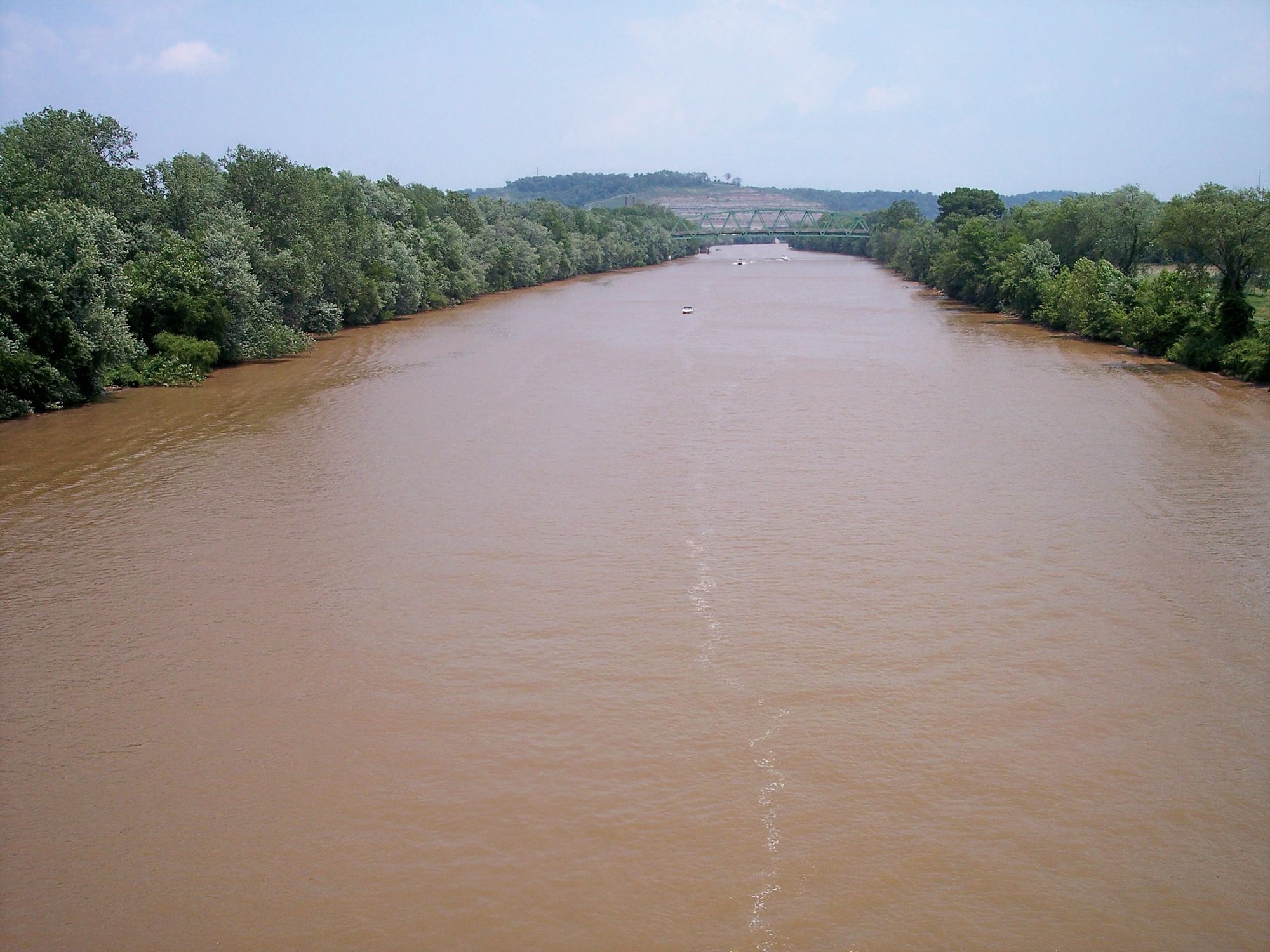
Kanawha River
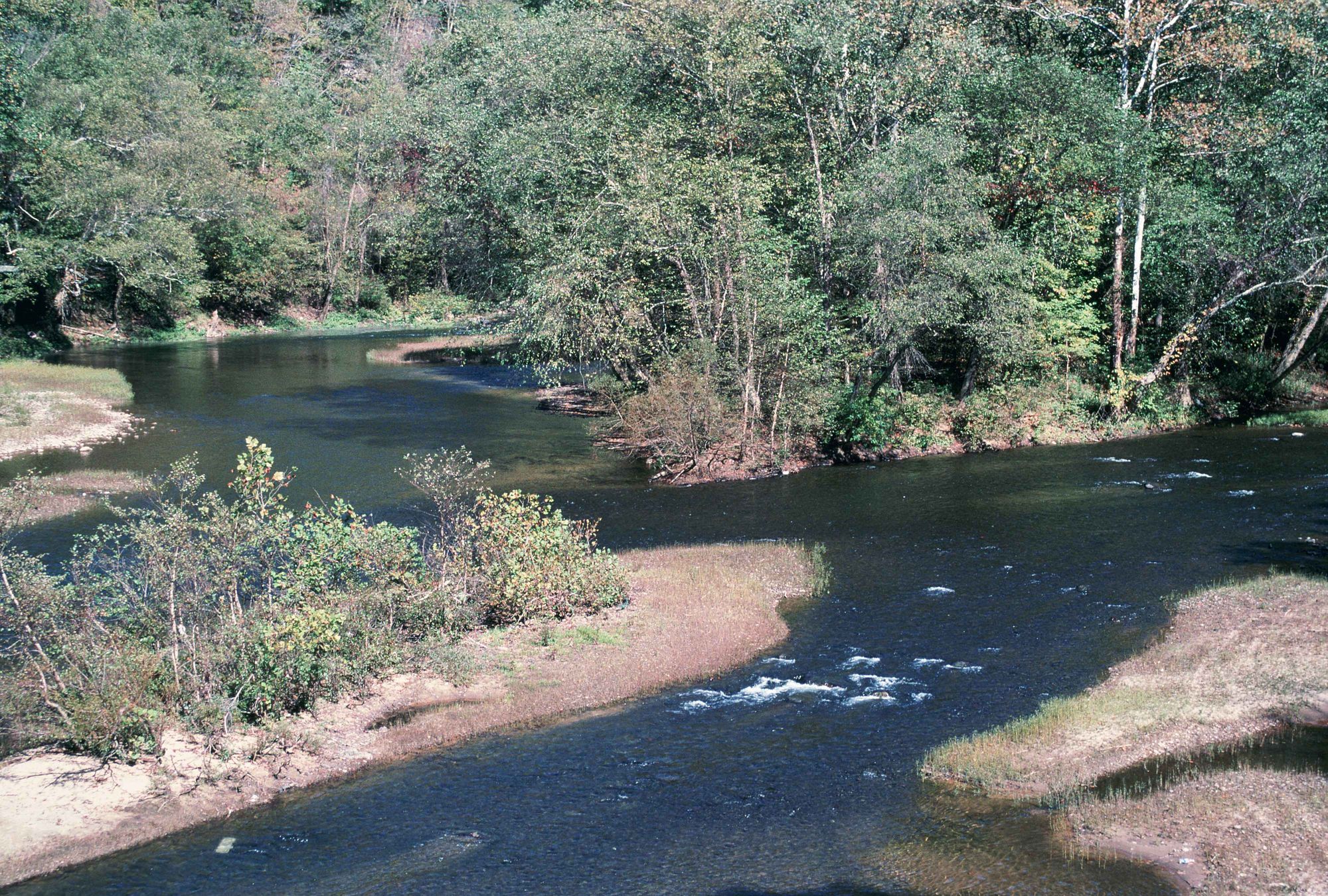
Elk River
Cranberry River
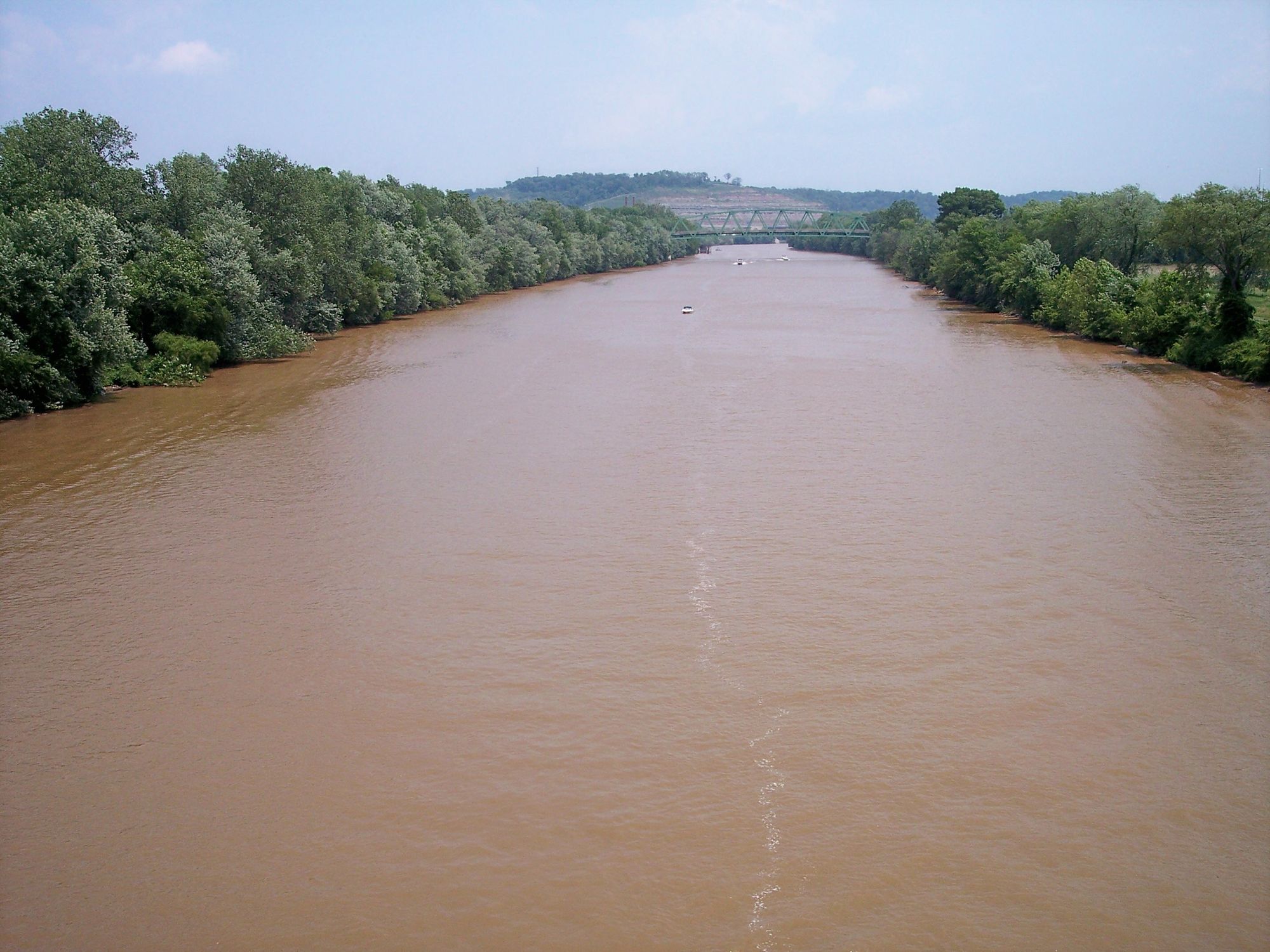
Little Kanawha River
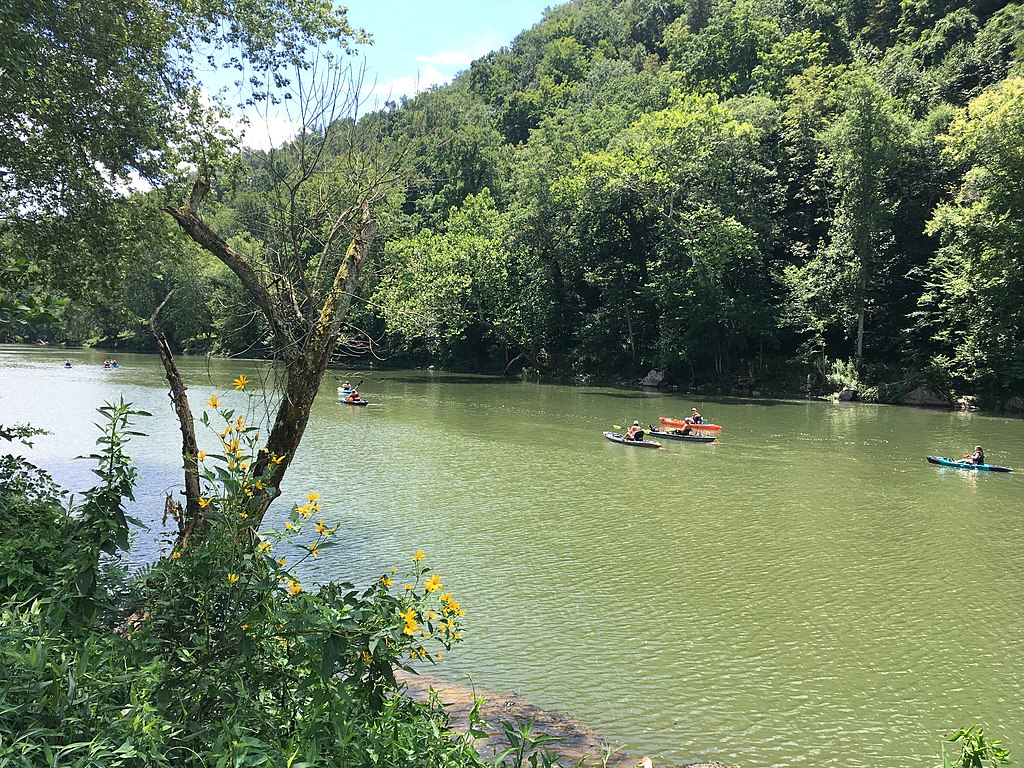
Greenbrier River
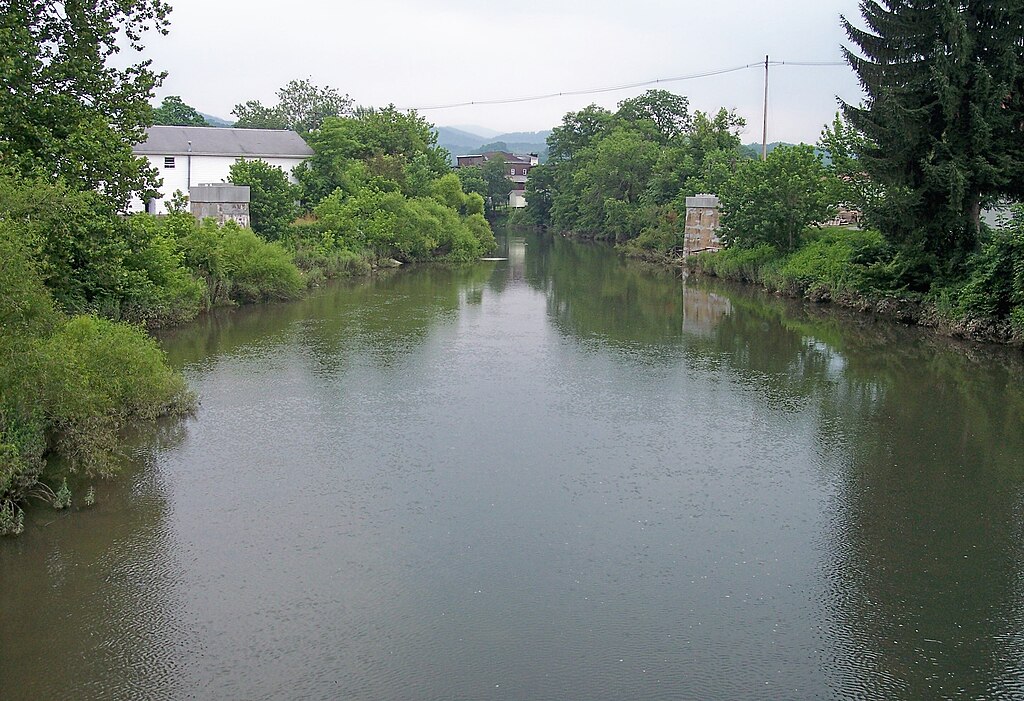
Tygart Valley River
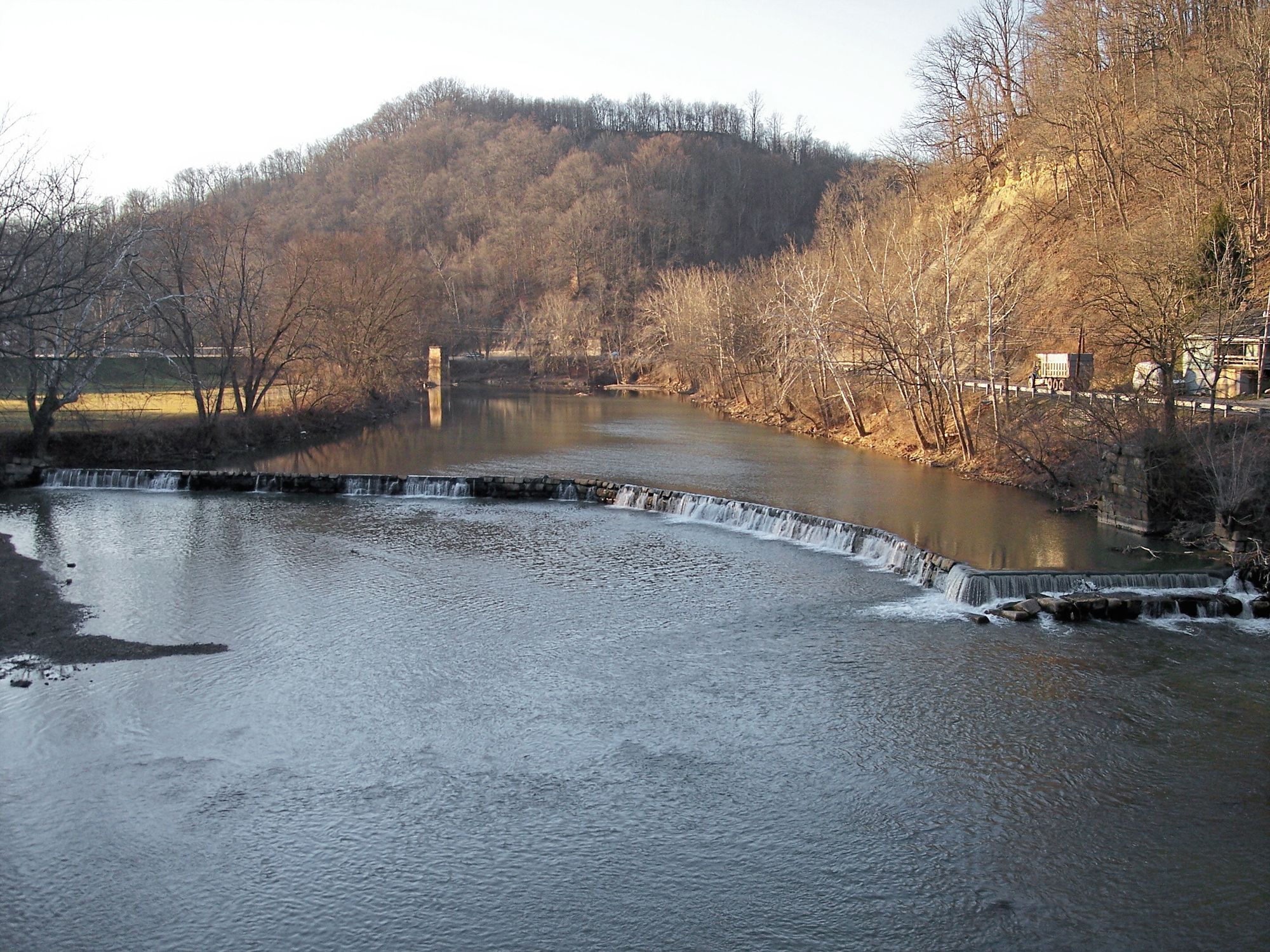
West Fork River
Sutton Lake
What to know
Habitat Distribution
- Found throughout the state's larger streams, rivers, and reservoirs including all U.S. Army Corps Engineers reservoirs, small impoundments, and slow-moving sections of rivers and streams.
- White Crappie are more tolerant of turbid water than Black Crappie, though both species occupy similar waters in West Virginia.
Key Locations
- Tomlinson Run Lake (Hancock County), Parker Hollow Lake (Hardy County), Big Ditch Lake (Webster County), and other state-managed impoundments throughout West Virginia.
Specific Spots
- Target brushy habitat including standing timber, fallen trees, brush piles, and submerged structure near deeper water dropoffs.
- They prefer brushy habitat including standing timber, fallen trees, and brush piles, typically found near structure in water 6-20 feet deep.
- Focus on areas with submerged vegetation, standing timber, and overhanging tree limbs, particularly around the old road beds and structure found in many West Virginia reservoirs.
White Crappie FAQ
Answers from onWater's species guide.
What are the best lures and bait for White Crappie in West Virginia?
Small minnows, small jigs (1/32 to 1/8 ounce), small crankbaits, spinners, and soft plastic grub tails in yellow, white, chartreuse, or green colors.
What flies work for White Crappie in West Virginia?
Small streamers and flies work well for fly fishing, with chartreuse and white clouser minnow patterns being particularly effective.
When is the best time to fish for White Crappie in West Virginia?
In summer, target deeper, cooler waters as fish move away from shallow areas. Winter fishing requires slow presentations in deeper water during the warmest part of the day.
How do you catch White Crappie in West Virginia?
Small minnows are highly effective bait, particularly when fished in brushy areas using slip bobbers near standing timber. Fish points, weedbed edges, and brush using slow presentations. Use slow presentations. Downsize lures if the bite is slow, as White Crappie can be finicky.
What do White Crappie eat?
Their diet consists mainly of small fish, insects, and crustaceans, with adults feeding heavily on fathead minnows, shad, and various aquatic insects.
Fish smarter with real-time insights
Whether you're en route and conditions shift or you're looking for the best spot based on current flows, we enable you to make informed decisions on the fly.




See it in the app
Most maps show you water.
onWater shows you White Crappie.



- 01 · Species map filter
Map every White Crappie water
Pick White Crappie and the map zeroes in on the waters they call home. No more guessing which lake holds them.
- 02 · Waterbody species
Tap any water. See what lives there.
Species, behavior and seasonal patterns for every lake, river and pond, before you leave the driveway.
- 03 · Angler Intelligence
Ask how to catch White Crappie
Tactics, gear and timing from onWater's AI fishing guide, tuned to the species and the water you're on.
Stop guessing where White Crappie are.
Open the map, filter by White Crappie, and head to water that holds them. Download onWater and plan your next trip in minutes.
- Species map filter
- Angler Intelligence
- Fishing journal
Explore other species
Trout, bass, salmon, panfish and everything in between. Each guide unpacks the behavior, seasons, and tactics that put fish in the net.
No species information available.
West Virginia licenses and regulations
Explore nearby waters
Explore West Virginia waters
Top fishing waters
Popular Cities
Loading popular cities...

Smarter Fishing Starts in the App.
onWater Fish gives you everything you need to plan smarter, fish better, and own every trip from first cast to last.