Striped Bass
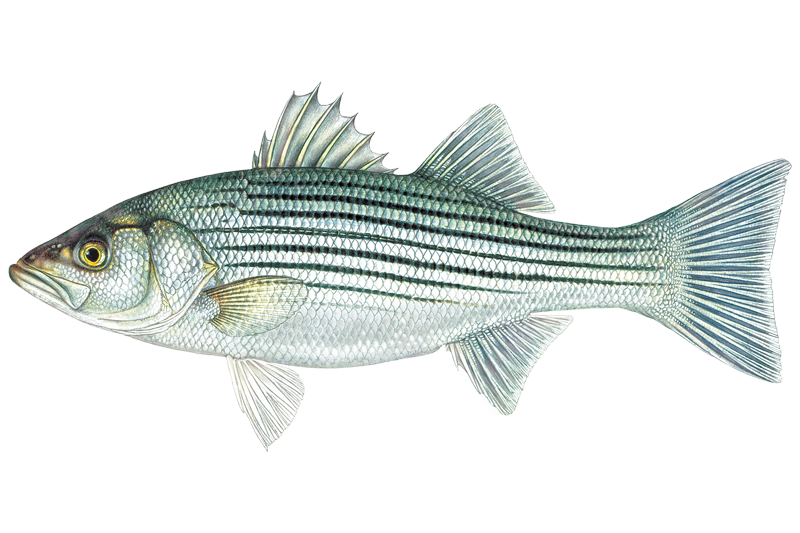
Striped Bass are not native to West Virginia waters but have been successfully introduced into many of the state's large lakes and reservoirs. These highly predatory fish were originally native to Atlantic and Gulf Coast fisheries and estuaries.
In West Virginia, they are frequently stocked by fisheries managers to establish sport fishing opportunities in large lakes where adequate forage exists, particularly targeting abundant gizzard shad populations that grow too large for native sport fish to consume.
Scientific Name: Morone saxatilis
- Striped bass are distinguished from similar species like white bass by their larger size potential (can exceed 35 inches versus white bass rarely exceeding 16 inches), lateral stripes that extend all the way to the tail, two distinctly separated tooth patches on the tongue, and long, shallow bodies with depths less than one-third of body length.
- A good-sized striped bass ranges from 15-20 inches, while a 24-inch fish qualifies for a citation from WVDNR for an exceptional catch.
Fishing in West Virginia
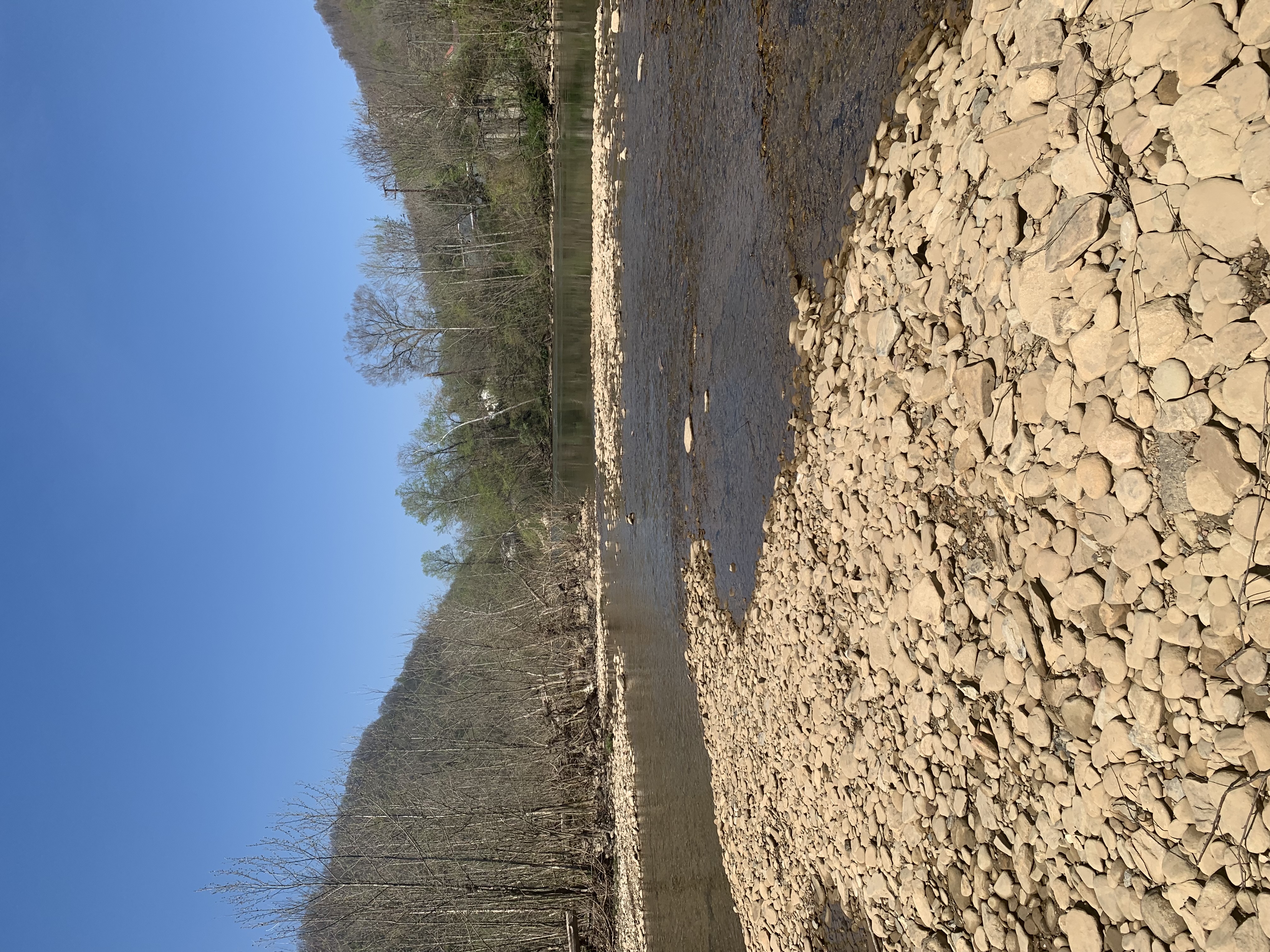
Gauley River
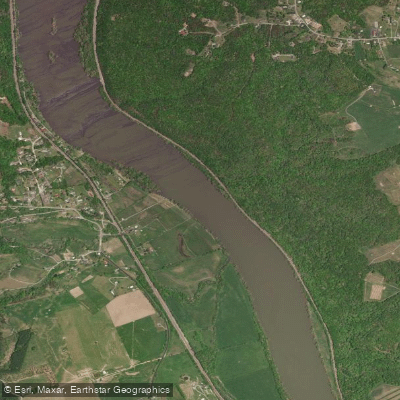
New River
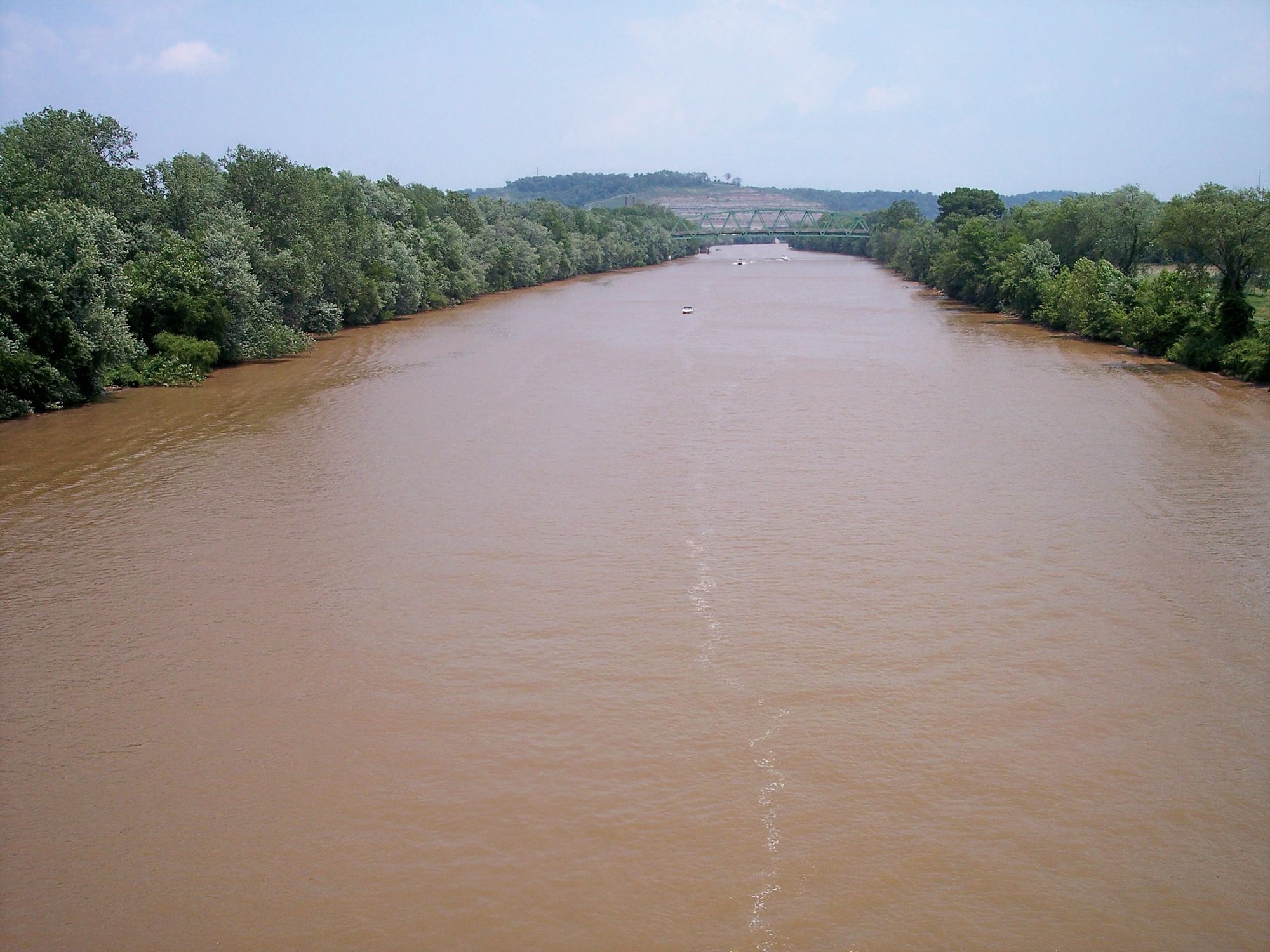
Kanawha River
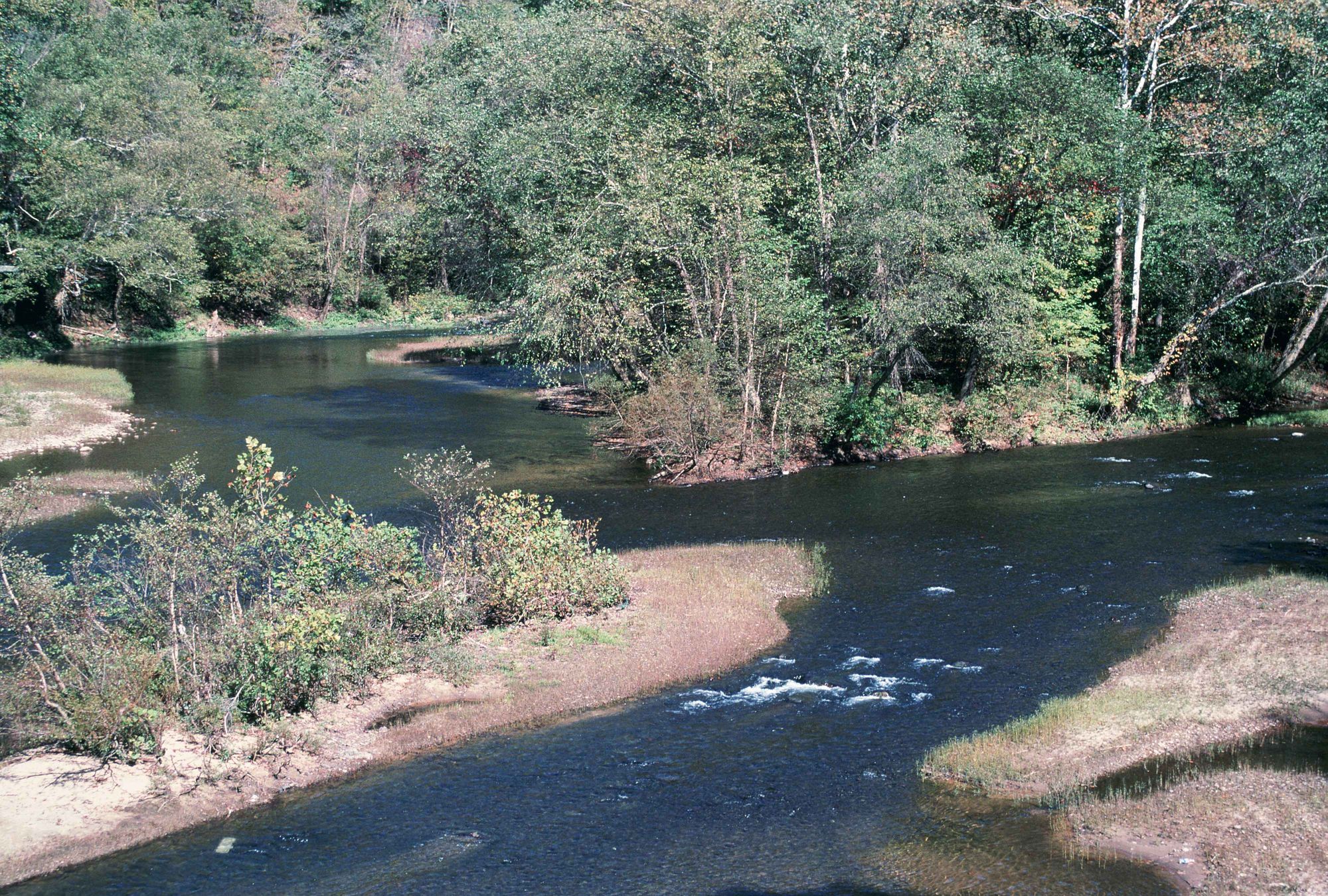
Elk River
Cranberry River
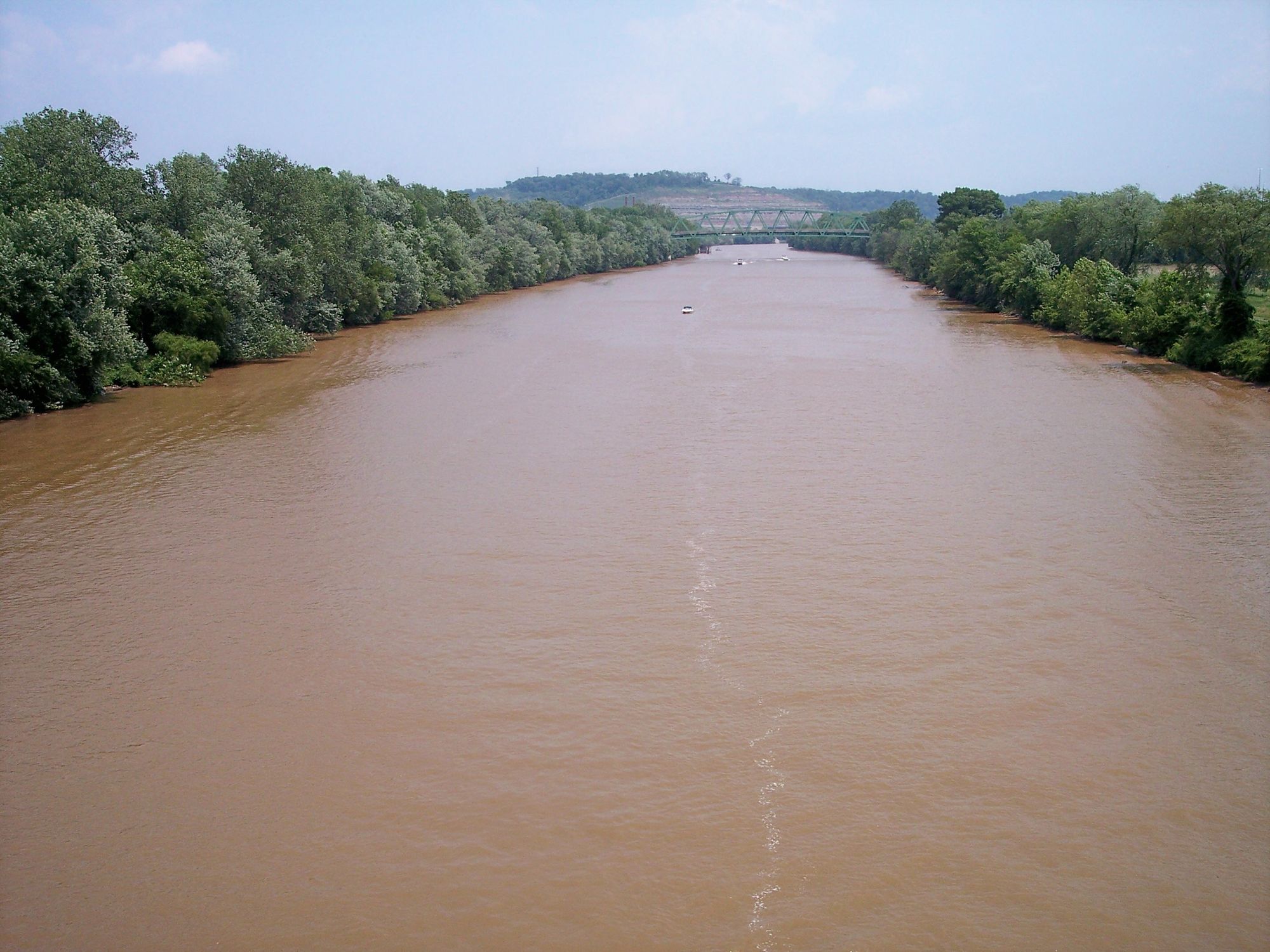
Little Kanawha River
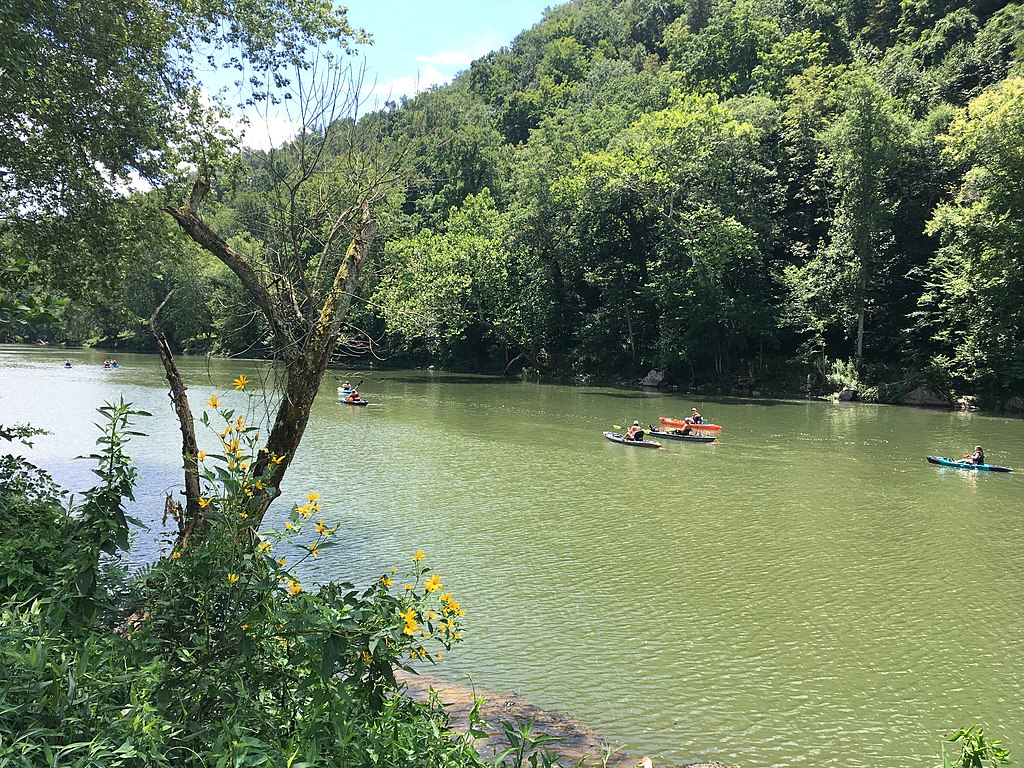
Greenbrier River
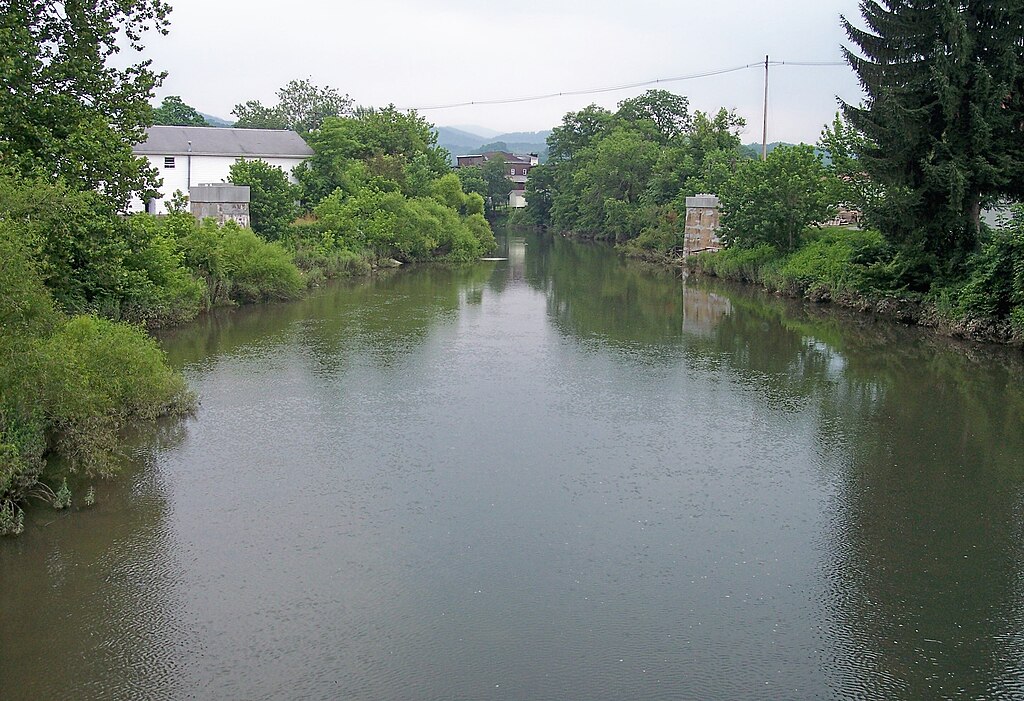
Tygart Valley River
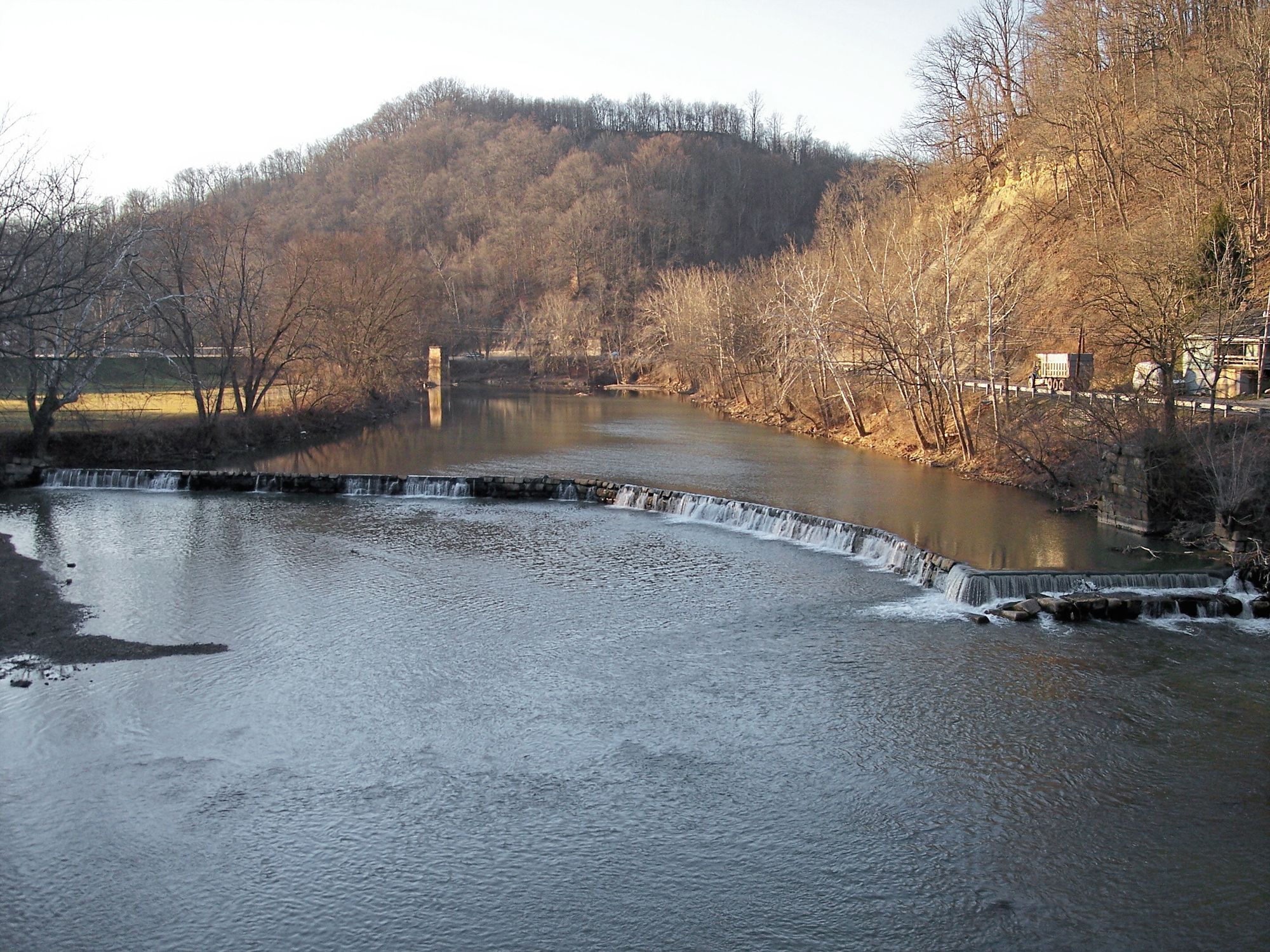
West Fork River
Sutton Lake
What to know
Habitat Distribution
- They prefer deeper habitats that concentrate forage fish and often feed near ambush points like point bars and flooded creek channels, as well as around complex, deeper positioned boulder and wood habitats.
Key Locations
- In West Virginia, striped bass are found in specific waters including Beech Fork Lake, Bluestone Lake, Mount Storm Lake, R.D.
- Bailey Lake, and the Kanawha River from the confluence of New and Gauley rivers downstream to the Buffalo Bridge.
Specific Spots
- Areas below locks and dams on larger navigable rivers are particularly productive.
- Target deeper waters, point bars and flooded creek channels, complex deeper positioned boulder and wood habitats.
Striped Bass FAQ
Answers from onWater's species guide.
What are the best lures and bait for Striped Bass in West Virginia?
Silver or white flashy lures that imitate baitfish are excellent choices, along with white bucktail jigs and minnow-tipped jigs.
When is the best time to fish for Striped Bass in West Virginia?
During warmer months, areas below locks and dams on larger navigable rivers are particularly productive. During summer months, striped bass often congregate below locks and dams.
How do you catch Striped Bass in West Virginia?
Focus fishing efforts in medium to large rivers and reservoirs, targeting deeper waters where striped bass prefer to hunt schooling baitfish. During summer months, striped bass often congregate below locks and dams where cooler, more oxygenated water provides ideal conditions.
What do Striped Bass eat?
As adults, striped bass are savvy open water predators focusing mainly on schooling forage fish like shad, but will also feed on crayfish and other invertebrates when opportunities arise.
Where do Striped Bass live in West Virginia?
They prefer deeper habitats that concentrate forage fish and often feed near ambush points like point bars and flooded creek channels, as well as around complex, deeper positioned boulder and wood habitats.
Fish smarter with real-time insights
Whether you're en route and conditions shift or you're looking for the best spot based on current flows, we enable you to make informed decisions on the fly.




See it in the app
Most maps show you water.
onWater shows you Striped Bass.



- 01 · Species map filter
Map every Striped Bass water
Pick Striped Bass and the map zeroes in on the waters they call home. No more guessing which lake holds them.
- 02 · Waterbody species
Tap any water. See what lives there.
Species, behavior and seasonal patterns for every lake, river and pond, before you leave the driveway.
- 03 · Angler Intelligence
Ask how to catch Striped Bass
Tactics, gear and timing from onWater's AI fishing guide, tuned to the species and the water you're on.
Stop guessing where Striped Bass are.
Open the map, filter by Striped Bass, and head to water that holds them. Download onWater and plan your next trip in minutes.
- Species map filter
- Angler Intelligence
- Fishing journal
Explore other species
Trout, bass, salmon, panfish and everything in between. Each guide unpacks the behavior, seasons, and tactics that put fish in the net.
No species information available.
West Virginia licenses and regulations
Explore nearby waters
Explore West Virginia waters
Top fishing waters
Popular Cities
Loading popular cities...

Smarter Fishing Starts in the App.
onWater Fish gives you everything you need to plan smarter, fish better, and own every trip from first cast to last.