Sauger

Sauger in West Virginia are native to the Ohio River drainage and represent a healthy, established population.
These members of the perch family are generally more successful in systems with higher turbidity compared to walleye and can hybridize to create saugeye.
- These members of the perch family have bronze-to-brown backs with white bellies and distinctive dark, oblong blotches on their sides.
- Their dorsal fins feature dark spots arranged in rows, helping distinguish them from walleye and hybrid saugeye.
Fishing in West Virginia
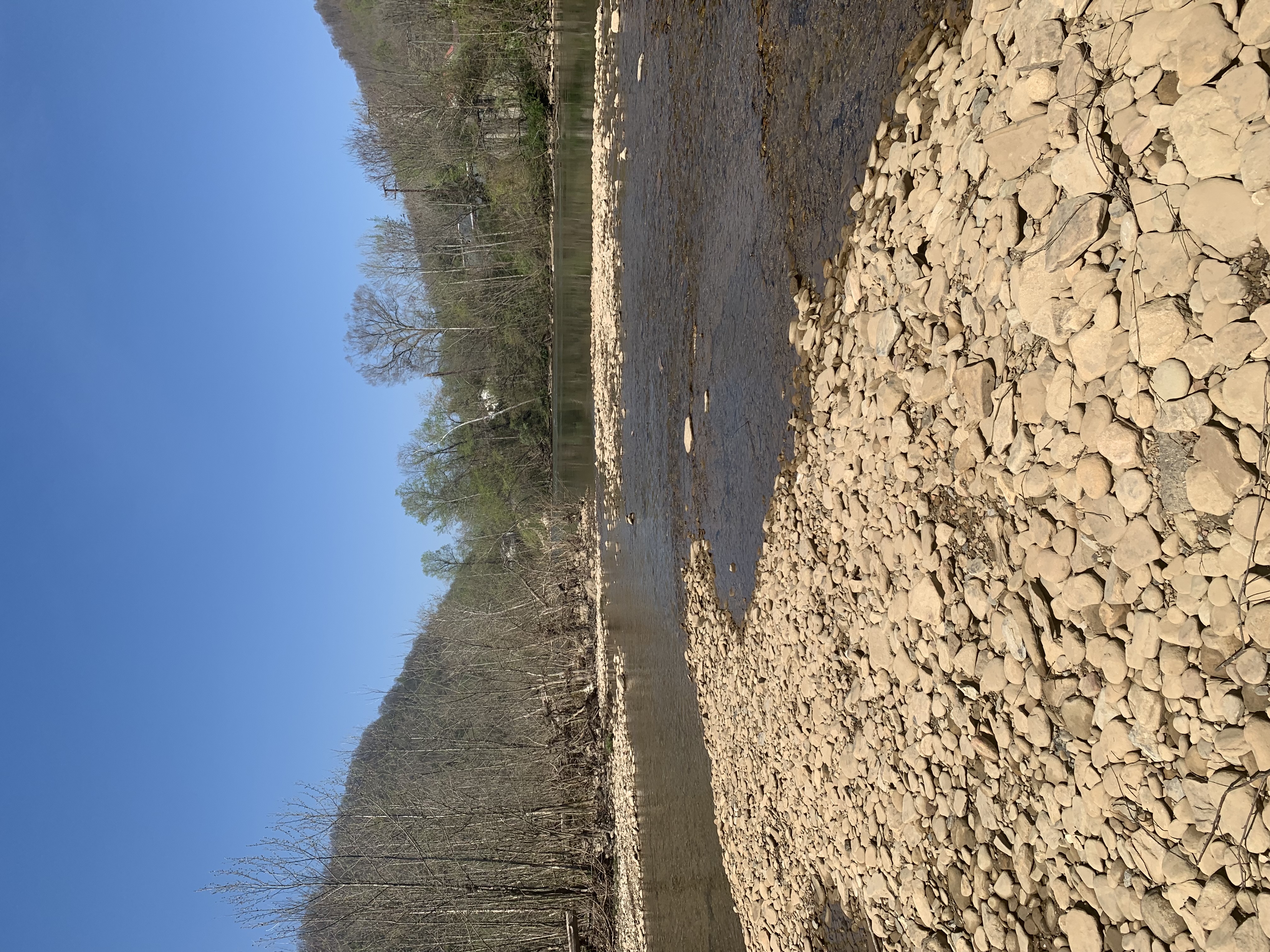
Gauley River
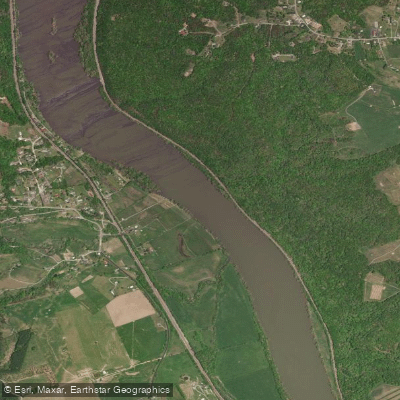
New River
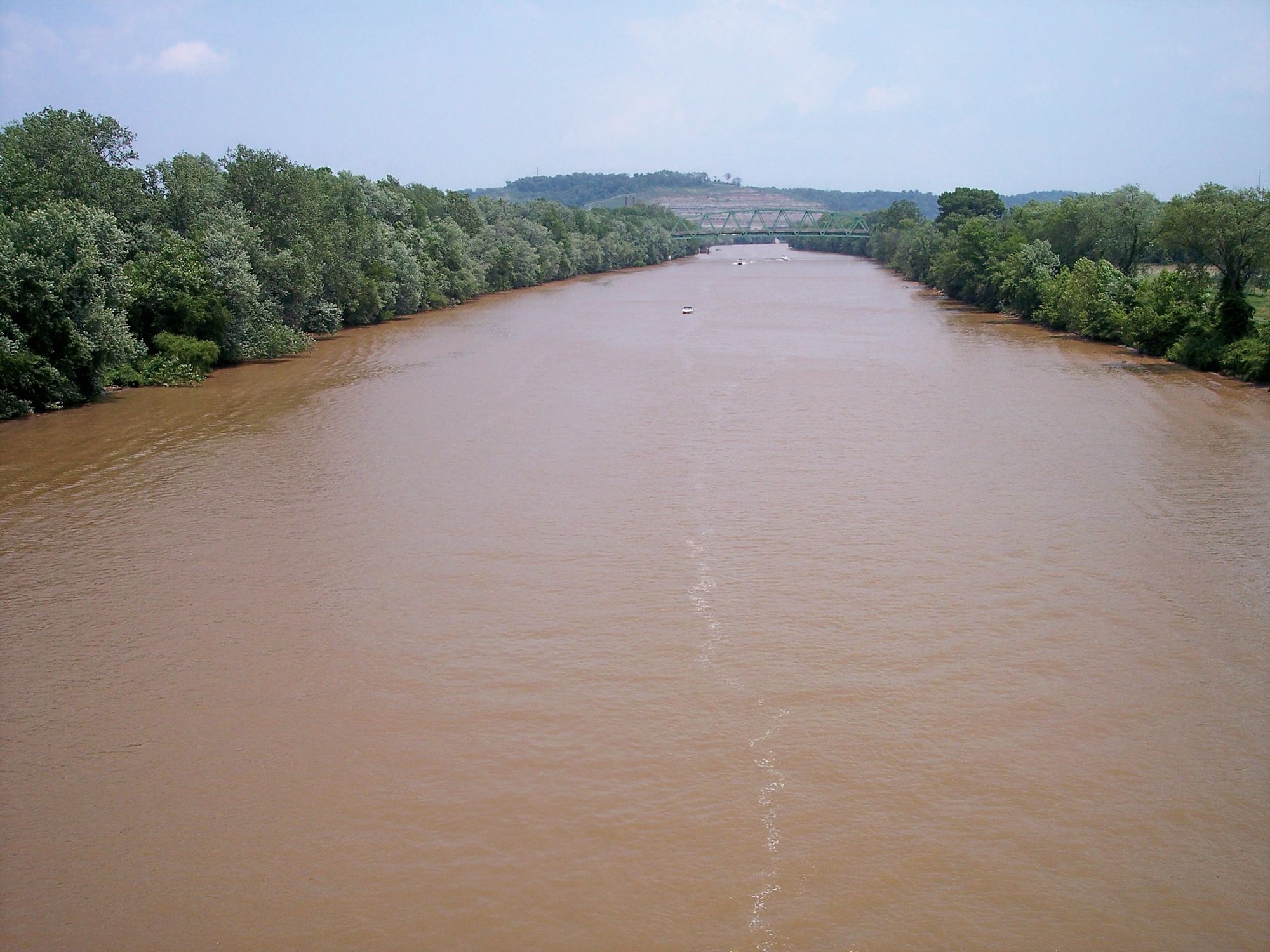
Kanawha River
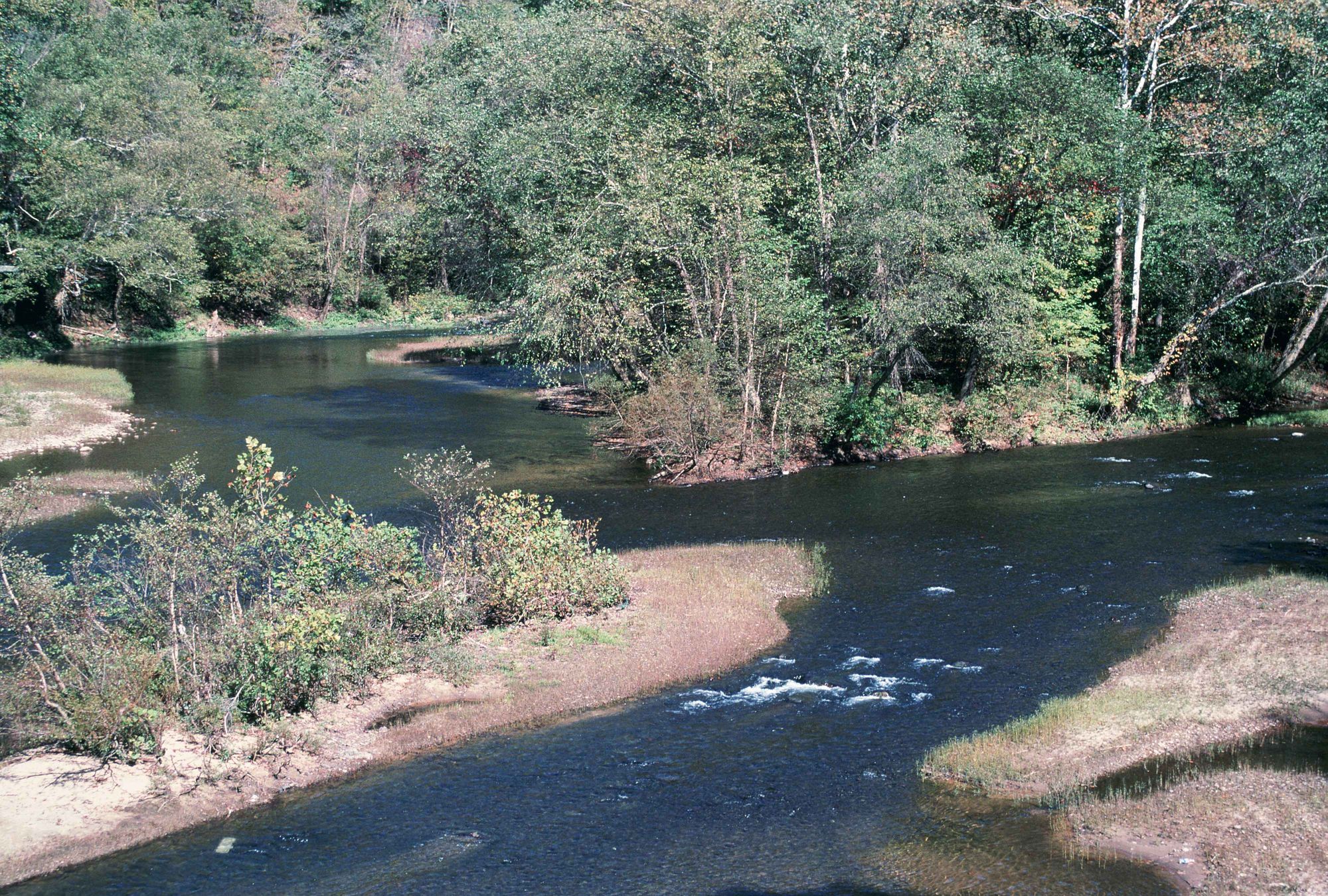
Elk River
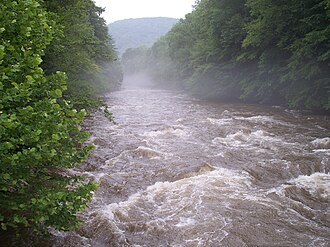
Cranberry River
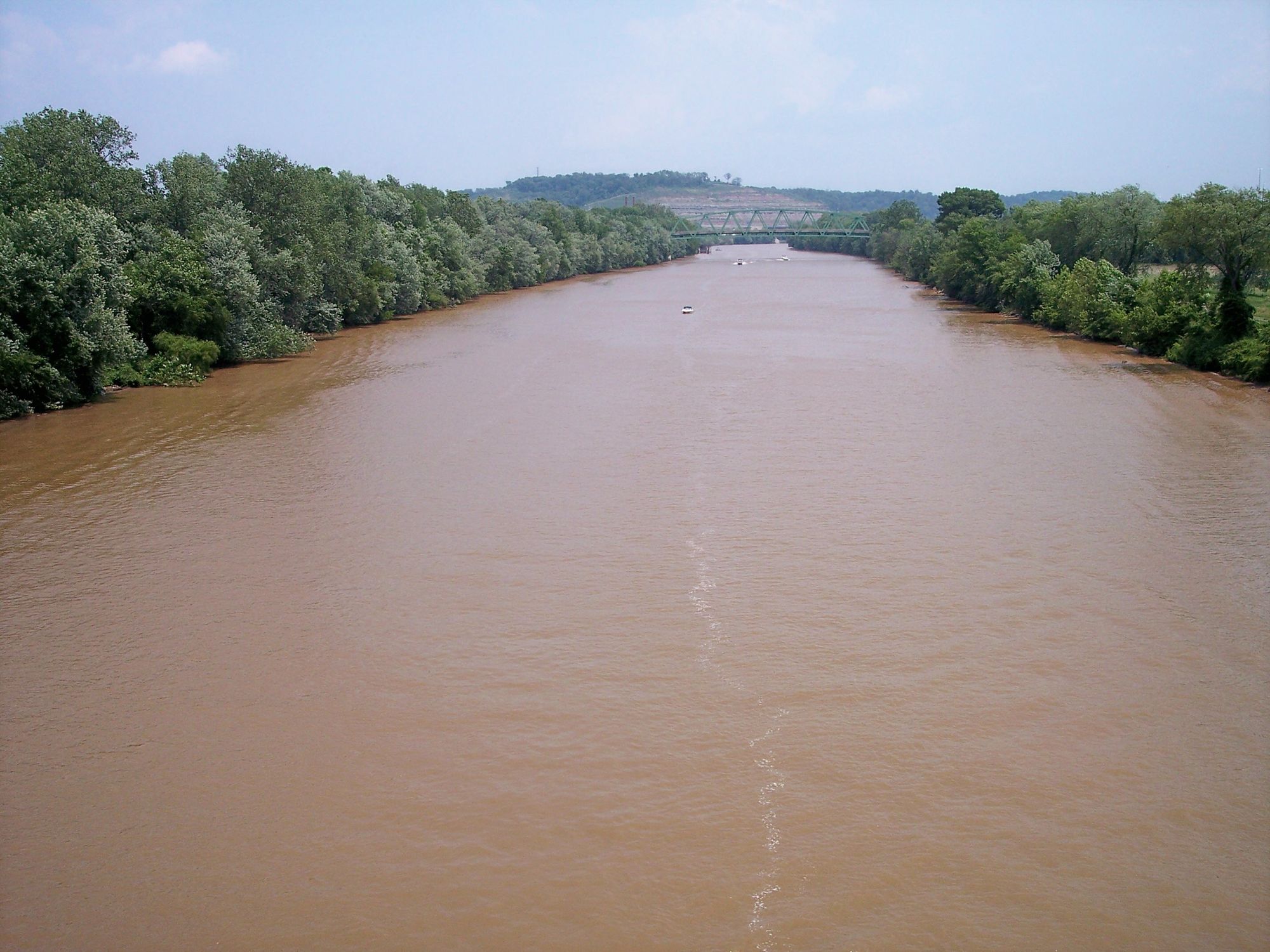
Little Kanawha River
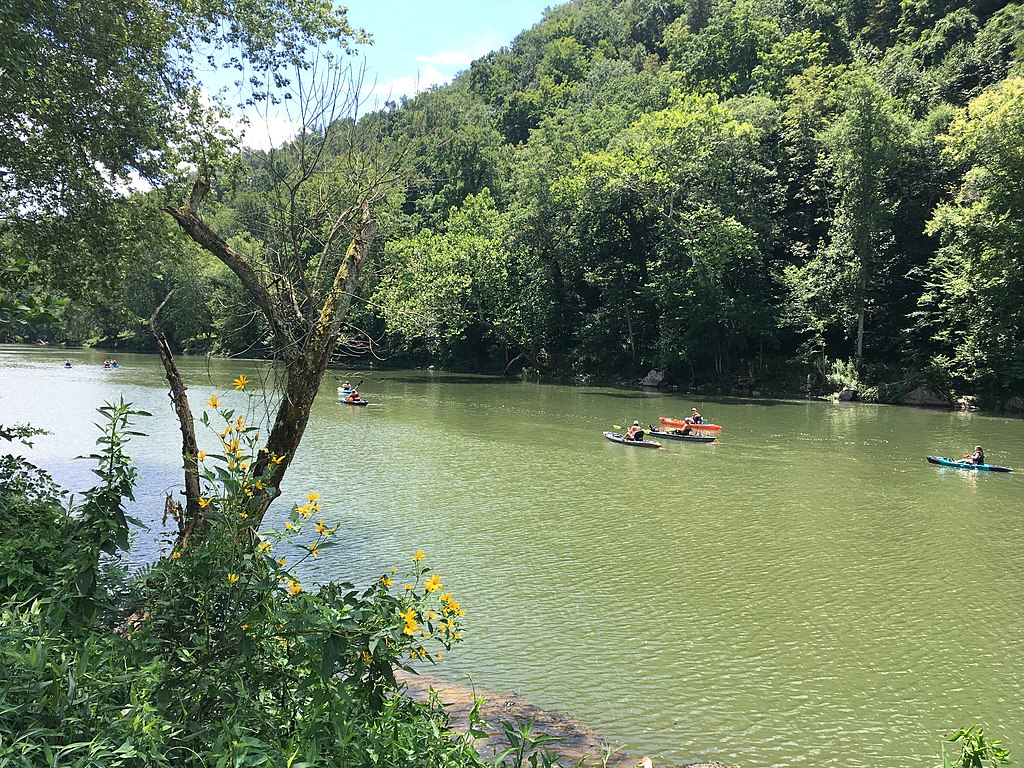
Greenbrier River
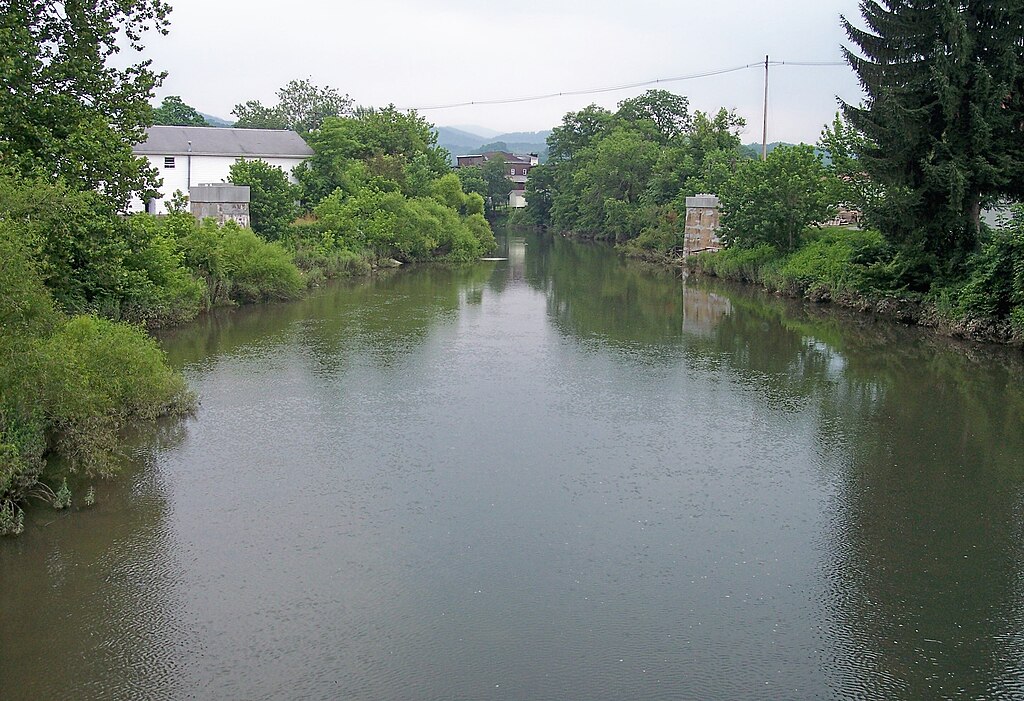
Tygart Valley River
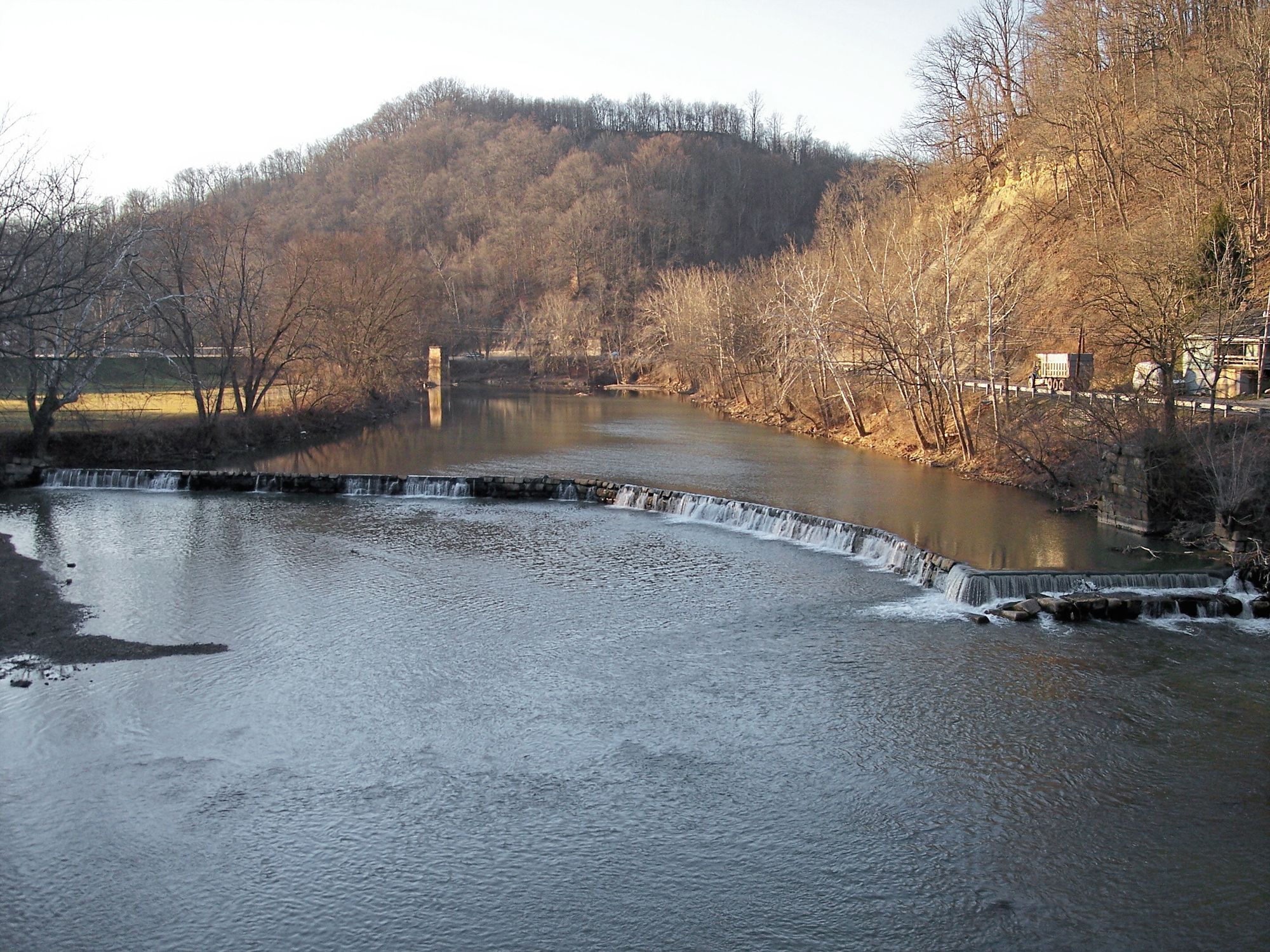
West Fork River
Sutton Lake
What to know
Habitat Distribution
- They prefer larger river systems with deep, slower-moving water.
Key Locations
- Focus on the Ohio River system and its larger tributaries.
- Fish around dam tailwaters, particularly sand and gravel bars directly downstream of locks and dams.
- West Virginia holds impressive state records with a 5.06-pound fish caught in 2012 and a 23-inch fish from 1985, both from the Ohio River.
Specific Spots
- Fish near structure like ledges, shelves, drop-offs, or humps, and current breaks caused by rocks or opposing currents.
- Sauger typically stick to the bottom.
- Target deep, sluggish water.
Sauger FAQ
Answers from onWater's species guide.
What are the best lures and bait for Sauger in West Virginia?
Silver spoons and light-colored jigs that resemble their primary forage fish - chartreuse and bright pink jig heads work particularly well. Use 3.5-inch swimbaits in gray and white or silver and white patterns on 1/8-ounce jig heads to imitate blueback herring and gizzard shad.
What flies work for Sauger in West Virginia?
Effective fly patterns include Clousers and half-and-halfs in tan and white, gray and white, or all-white colors.
When is the best time to fish for Sauger in West Virginia?
Peak sauger fishing occurs during early months of the year and late fall when they're most active. They spawn from March to April when water temperatures reach 40-50°F.
How do you catch Sauger in West Virginia?
Vertical jigging with heavy hair jigs is highly effective. Use slower presentations in deeper water during daylight hours. Fish crankbaits and jerk baits off points in lake systems. Live bait can be fished under a float or along the bottom. The key is maintaining bottom contact.
What do Sauger eat?
Adult sauger feed primarily on other fishes including gizzard shad, emerald shiners, and other minnows.
Fish smarter with real-time insights
Whether you're en route and conditions shift or you're looking for the best spot based on current flows, we enable you to make informed decisions on the fly.




See it in the app
Most maps show you water.
onWater shows you Sauger.



- 01 · Species map filter
Map every Sauger water
Pick Sauger and the map zeroes in on the waters they call home. No more guessing which lake holds them.
- 02 · Waterbody species
Tap any water. See what lives there.
Species, behavior and seasonal patterns for every lake, river and pond, before you leave the driveway.
- 03 · Angler Intelligence
Ask how to catch Sauger
Tactics, gear and timing from onWater's AI fishing guide, tuned to the species and the water you're on.
Stop guessing where Sauger are.
Open the map, filter by Sauger, and head to water that holds them. Download onWater and plan your next trip in minutes.
- Species map filter
- Angler Intelligence
- Fishing journal
Explore other species
Trout, bass, salmon, panfish and everything in between. Each guide unpacks the behavior, seasons, and tactics that put fish in the net.
No species information available.
West Virginia licenses and regulations
Explore nearby waters
Explore West Virginia waters
Top fishing waters
Popular Cities
Loading popular cities...

Smarter Fishing Starts in the App.
onWater Fish gives you everything you need to plan smarter, fish better, and own every trip from first cast to last.