White Perch

White Perch in Virginia are members of the temperate bass family, closely related to striped bass, not true perch.
These silver-colored fish are native to the Atlantic Ocean, Chesapeake Bay, and all Atlantic slope drainages within Virginia, though they've been introduced to southwestern parts of the state as forage for larger fish.
Scientific Name: Morone americana
- These silver-colored fish average 8-10 inches in Virginia waters but can exceed 10 inches, with fish living 4-7 years depending on location.
Fishing in Virginia
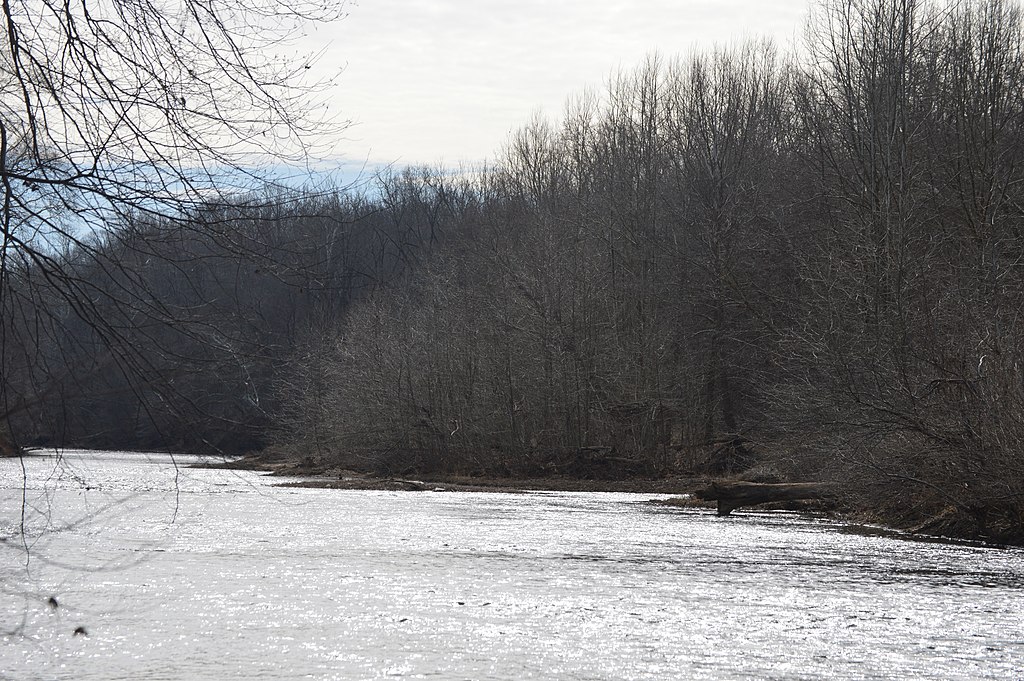
Rivanna River
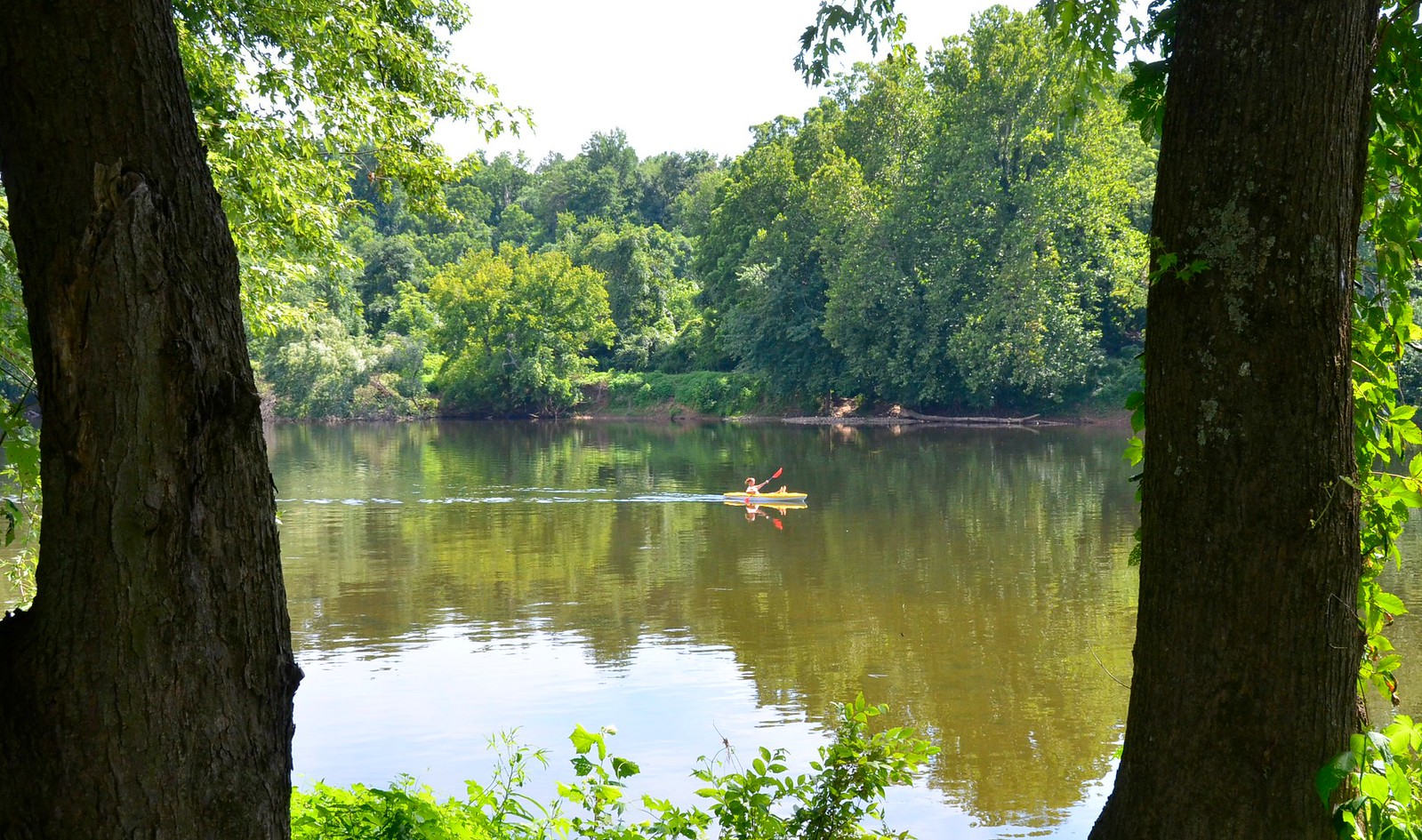
James River
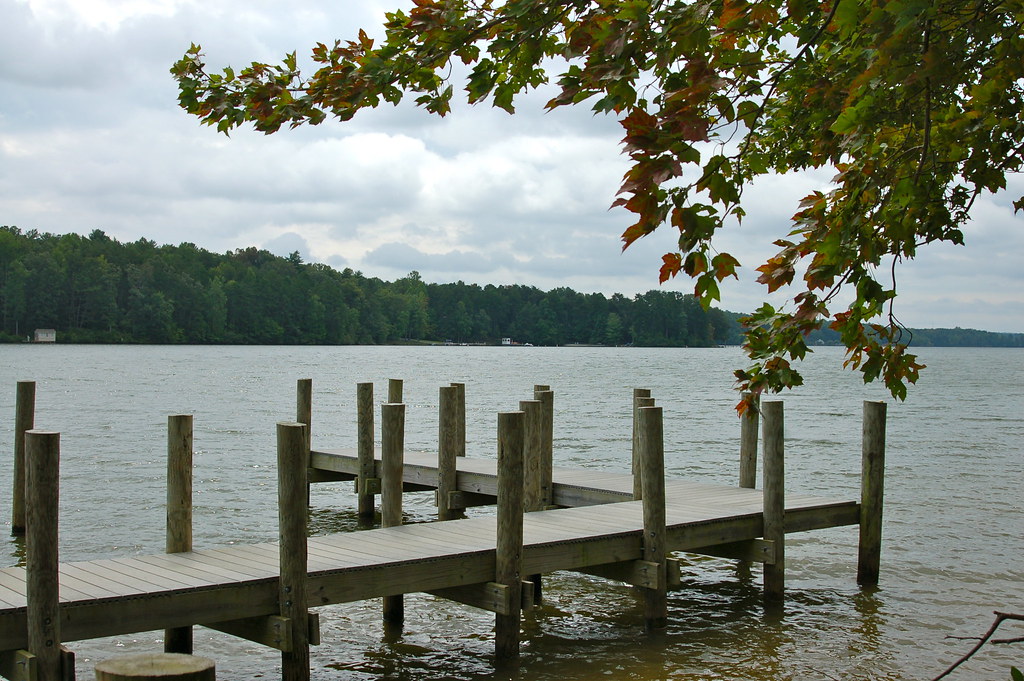
Lake Anna
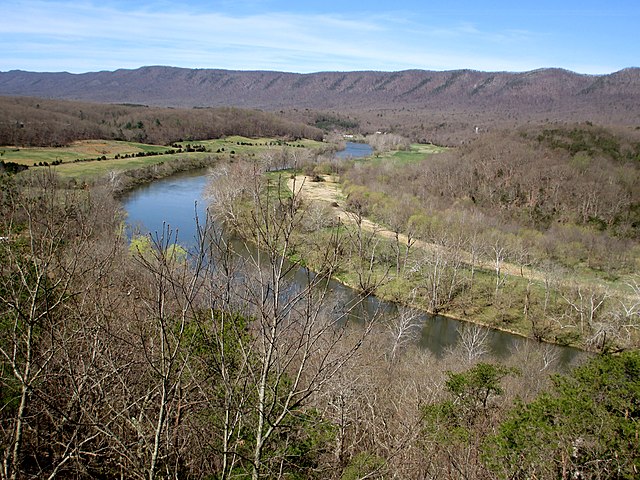
South Fork Shenandoah River
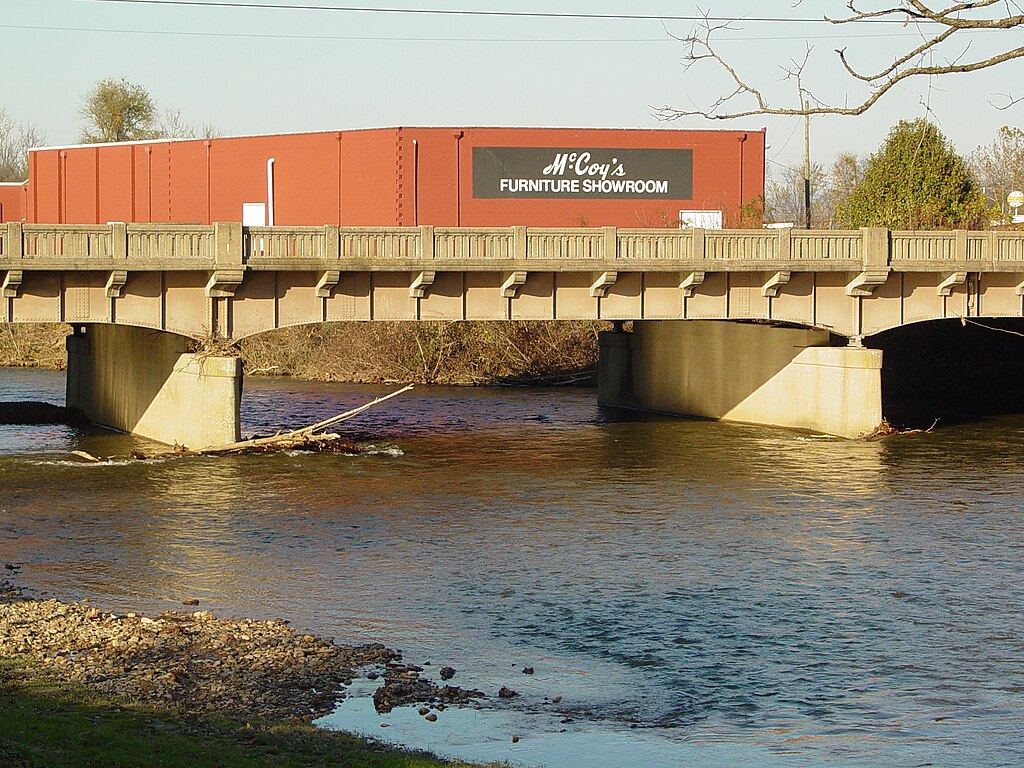
South River
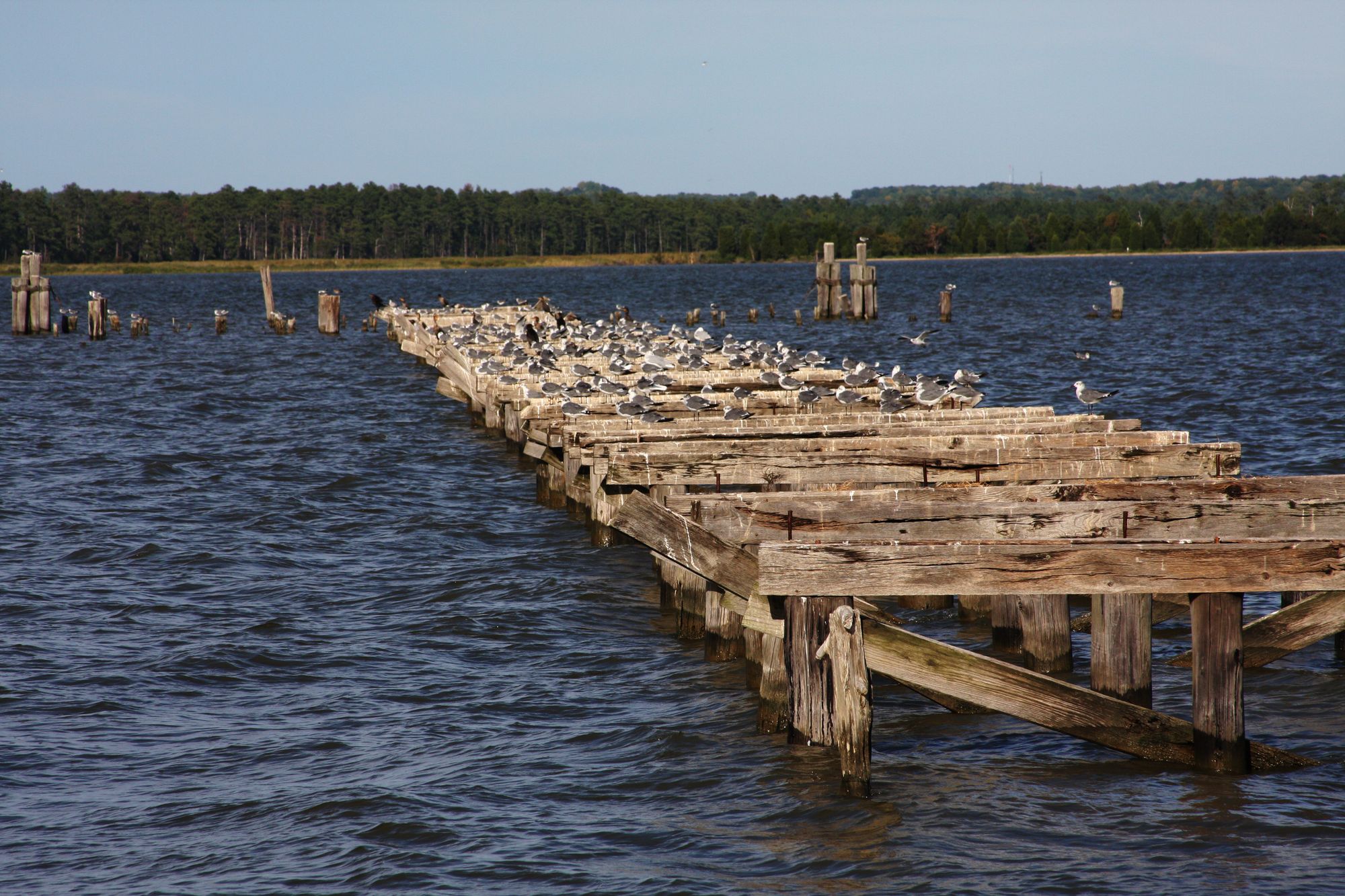
Rappahannock River
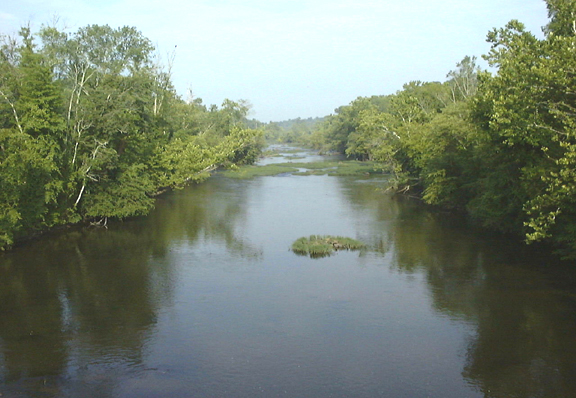
Appomattox River
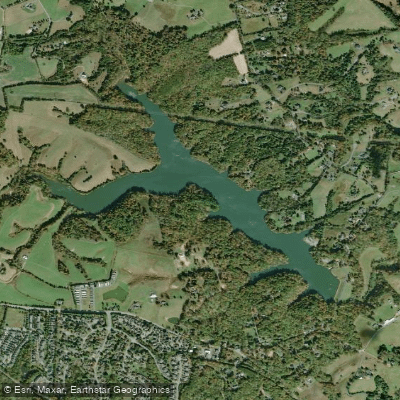
Beaver Creek Reservoir
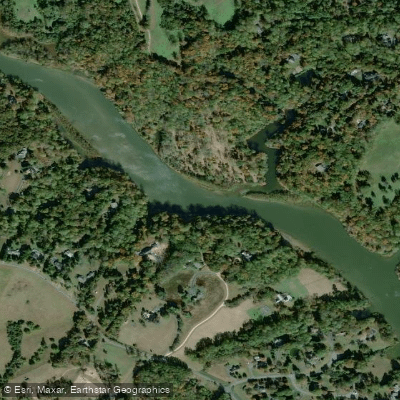
South Fork Rivanna River
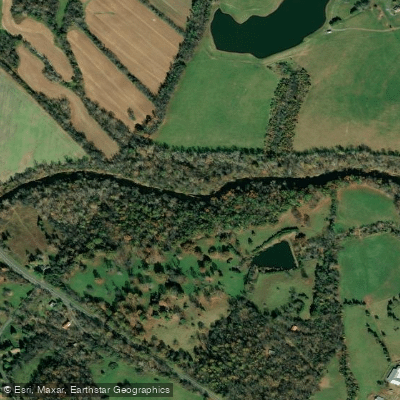
Rapidan River
What to know
Habitat Distribution
- They inhabit muddy flats of larger waterbodies, often traveling and feeding in schools around submerged aquatic vegetation.
- Native populations are anadromous, spending adult lives in saltwater but returning to freshwater tributaries to spawn.
Key Locations
- Virginia's tidal rivers like the James, Rappahannock, York, Potomac, and tributaries.
- The Virginia state record is 3.2 pounds, caught at a private pond in 2012.
Specific Spots
- Target sloping drop-offs, gravel riverbeds, mud flats, docks, piers, rocky shorelines, oyster bars, and structure outside flats.
- Wade shallow water 2-5 feet deep or fish from boats over oyster bars.
- Summer finds them in shaded areas under trees, bridges, and boathouses.
White Perch FAQ
Answers from onWater's species guide.
What are the best lures and bait for White Perch in Virginia?
Top baits include grass shrimp (effective anytime), bloodworms (summer), small minnows, night crawlers, and clam snouts - keep baits small for their tiny mouths.
When is the best time to fish for White Perch in Virginia?
White Perch fishing is excellent April through June and September through November, with spawning season (late March to early May) being ideal for fishing. From late May through August, they spread out along flats, making large schools harder to find.
How do you catch White Perch in Virginia?
Fish bottom rigs, drift fishing, or cast and retrieve lures near shoreline structure. During high tide, fish grass-lined shorelines; at low tide, work drop-off edges.
What do White Perch eat?
White Perch are generalist feeders, opportunistically consuming fish, crustaceans (especially grass shrimp and fiddler crabs), worms, plant matter, insects, and small organisms.
Where do White Perch live in Virginia?
They inhabit muddy flats of larger waterbodies, often traveling and feeding in schools around submerged aquatic vegetation. Native populations are anadromous, spending adult lives in saltwater but returning to freshwater tributaries to spawn.
Fish smarter with real-time insights
Whether you're en route and conditions shift or you're looking for the best spot based on current flows, we enable you to make informed decisions on the fly.




See it in the app
Most maps show you water.
onWater shows you White Perch.



- 01 · Species map filter
Map every White Perch water
Pick White Perch and the map zeroes in on the waters they call home. No more guessing which lake holds them.
- 02 · Waterbody species
Tap any water. See what lives there.
Species, behavior and seasonal patterns for every lake, river and pond, before you leave the driveway.
- 03 · Angler Intelligence
Ask how to catch White Perch
Tactics, gear and timing from onWater's AI fishing guide, tuned to the species and the water you're on.
Stop guessing where White Perch are.
Open the map, filter by White Perch, and head to water that holds them. Download onWater and plan your next trip in minutes.
- Species map filter
- Angler Intelligence
- Fishing journal
Explore other species
Trout, bass, salmon, panfish and everything in between. Each guide unpacks the behavior, seasons, and tactics that put fish in the net.
No species information available.
Virginia licenses and regulations
Explore nearby waters
Explore Virginia waters
Top fishing waters
Popular Cities
Loading popular cities...

Smarter Fishing Starts in the App.
onWater Fish gives you everything you need to plan smarter, fish better, and own every trip from first cast to last.