White Crappie
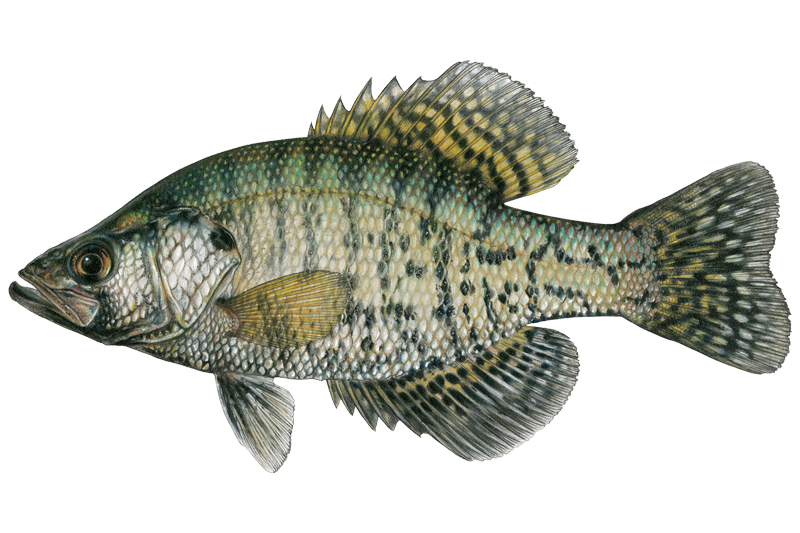
White Crappie (Pomoxis annularis) in Virginia are native to the Upper Tennessee River drainage in southwest Virginia but have been widely introduced throughout the state by the Virginia Department of Wildlife Resources.
Scientific Name: Pomoxis annularis
- They are distinguished from black crappie by having 5-6 dorsal spines (versus 7-8 for black crappie) and display 5-10 dark vertical bars on their silvery sides rather than random spots.
- In Virginia waters, they can live up to 9 years and grow larger than 16 inches.
Fishing in Virginia
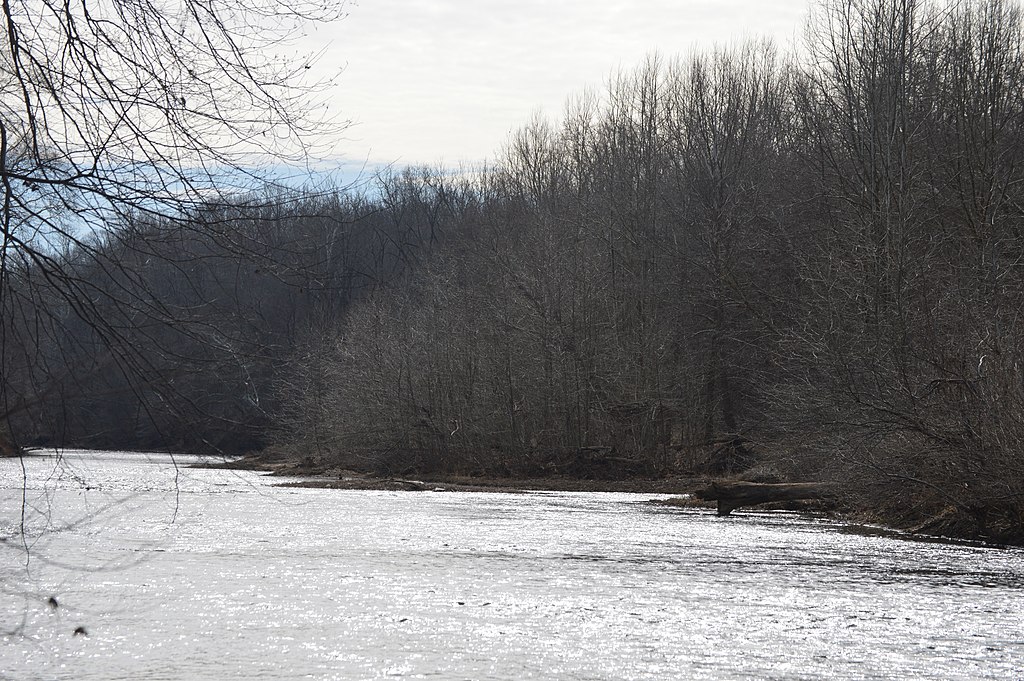
Rivanna River
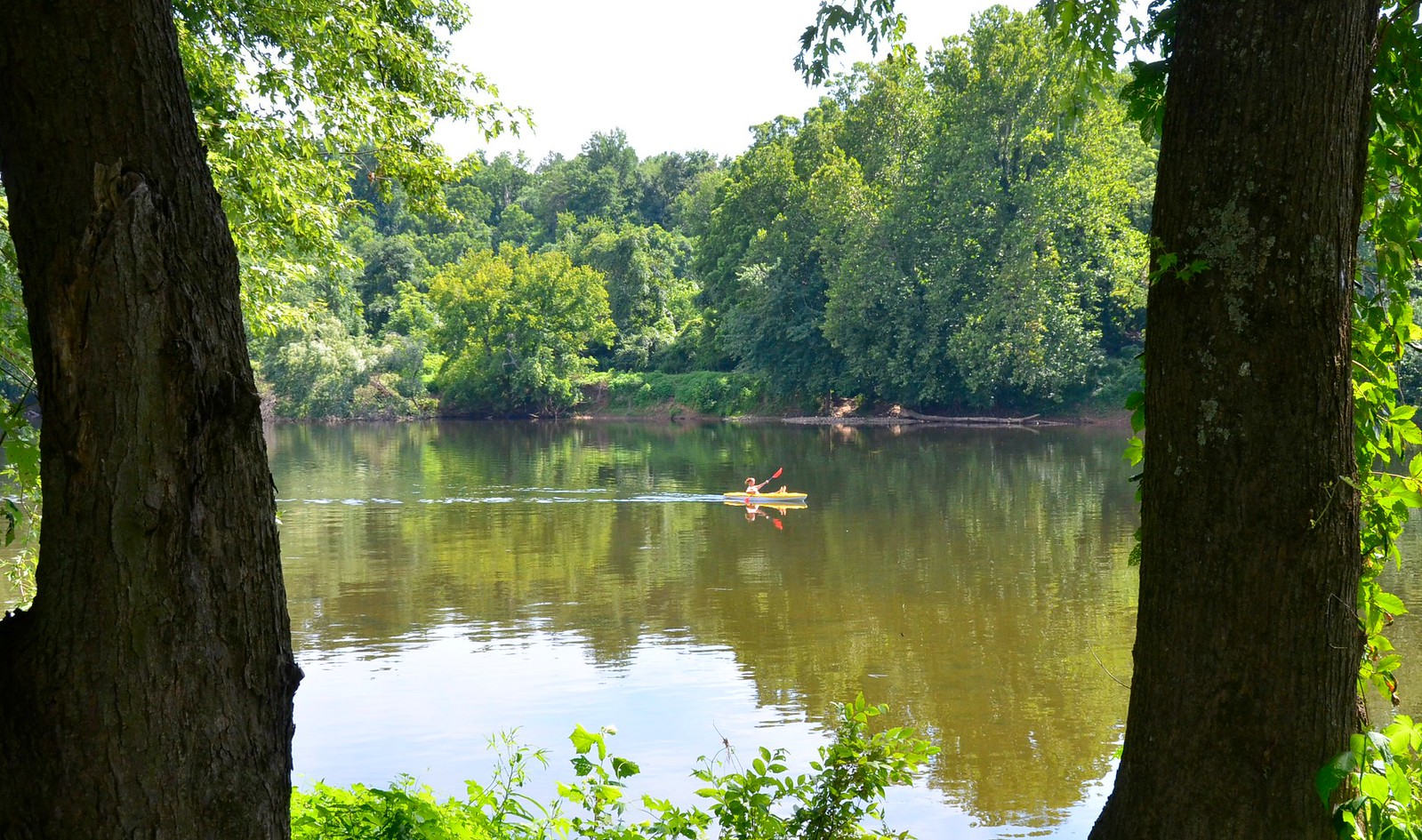
James River
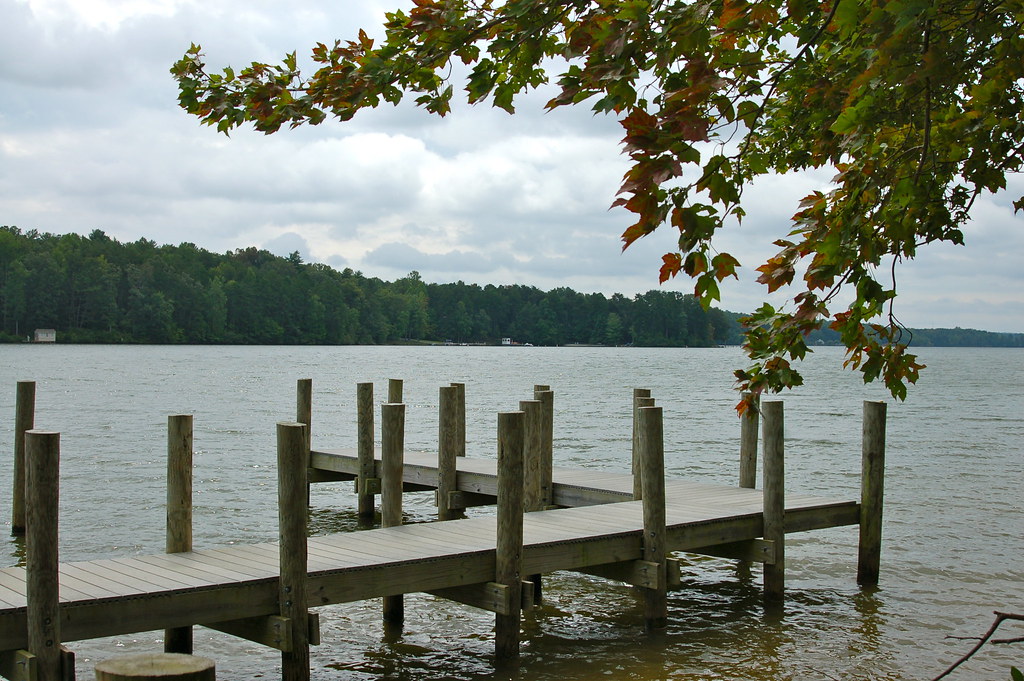
Lake Anna
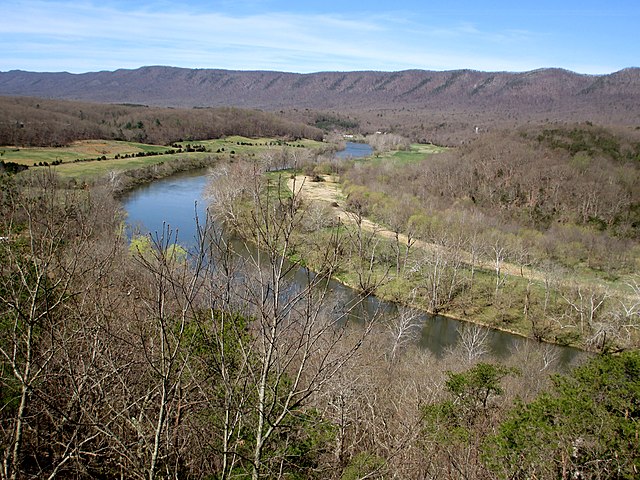
South Fork Shenandoah River
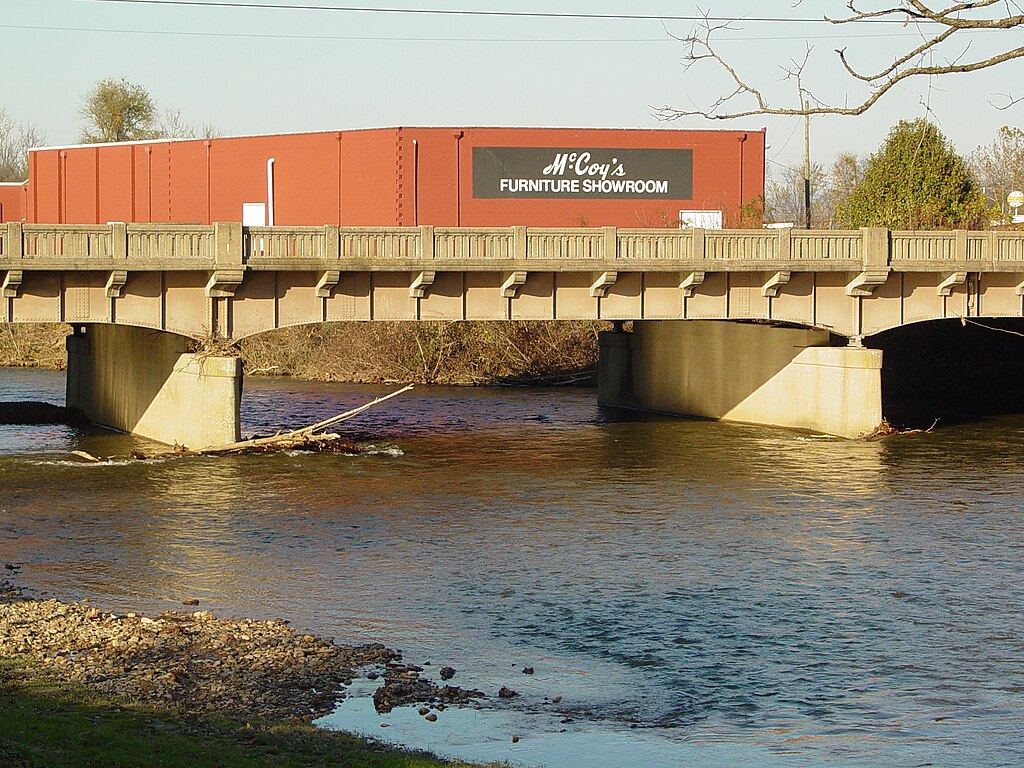
South River
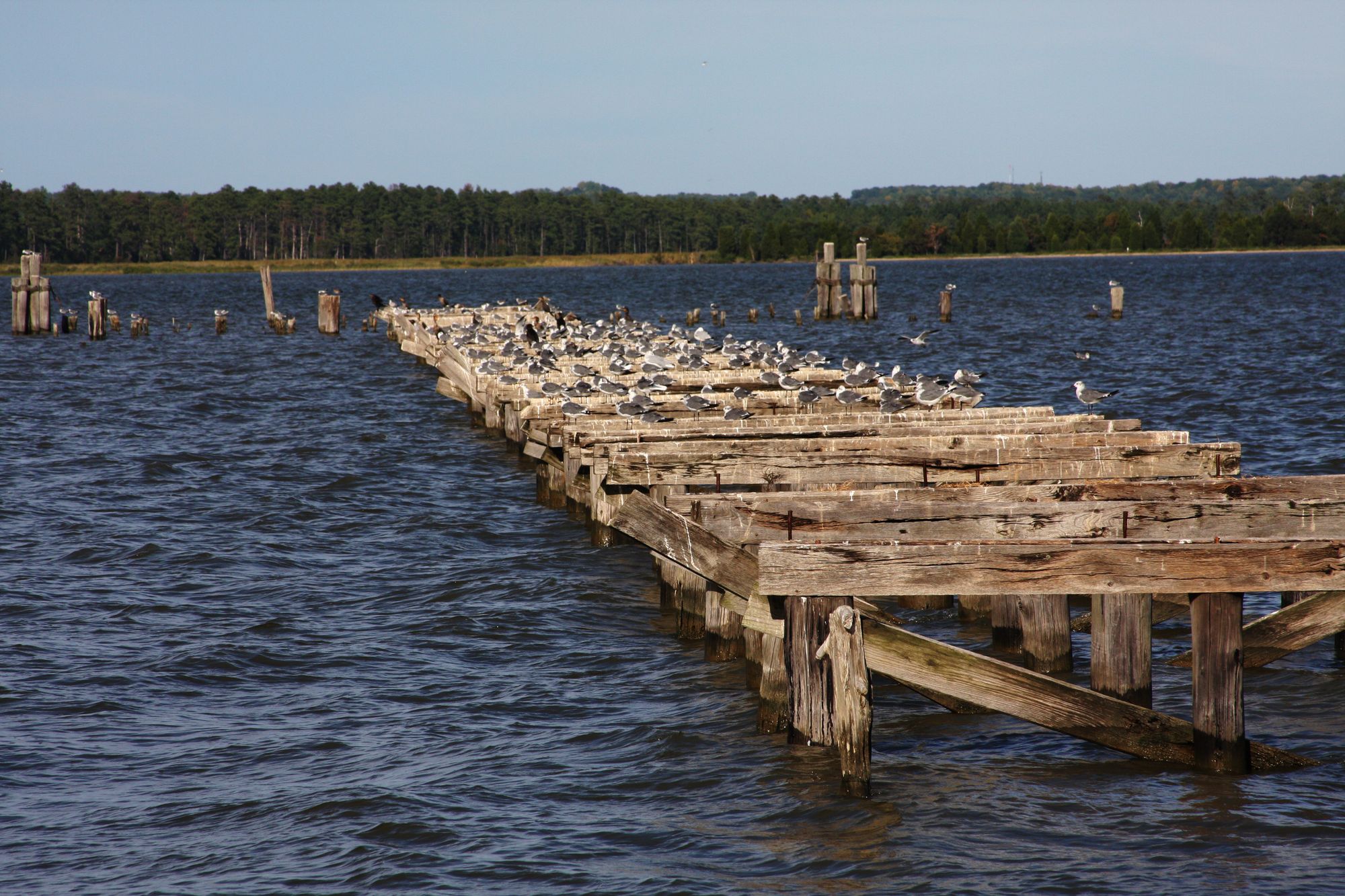
Rappahannock River
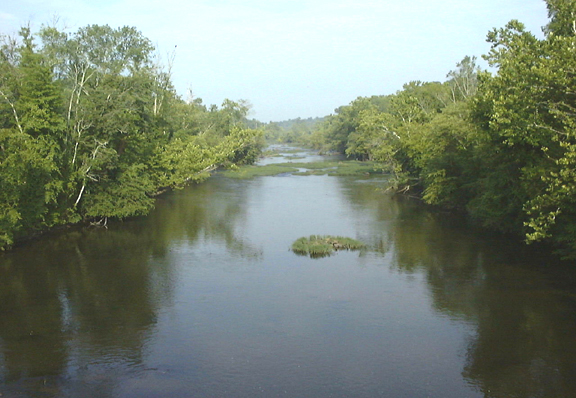
Appomattox River
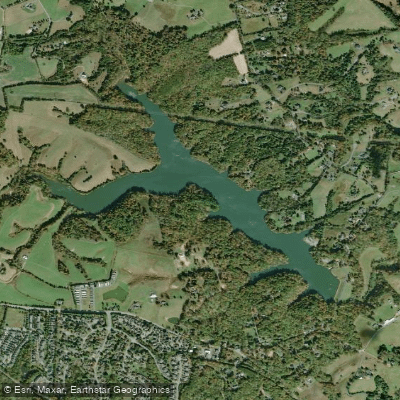
Beaver Creek Reservoir
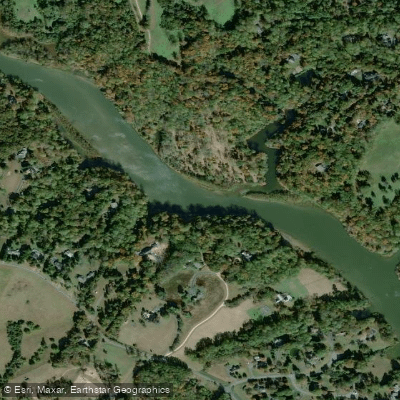
South Fork Rivanna River
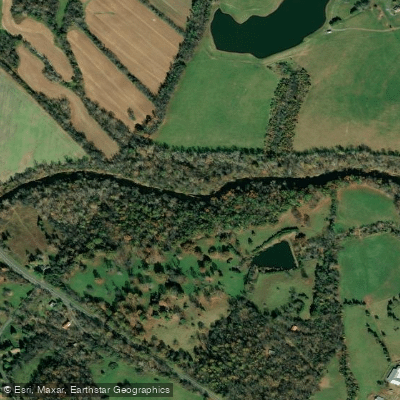
Rapidan River
What to know
Habitat Distribution
- Virginia's white crappie are found in reservoirs, lakes, and slow-moving rivers.
Key Locations
- Prime locations include Lake Chesdin, Occoquan Reservoir, Emporia Reservoir, and the James River system.
- Key Virginia waters include Emporia Reservoir (the only District 2 water known to have white crappie), Occoquan Reservoir, Lake Chesdin, and various other impoundments.
Specific Spots
- Target depths of 6-12 feet around structure like boat docks, brush piles, submerged trees, and bridge abutments.
- Particularly around submerged structure like boat docks, brush piles, fallen trees, and bridge pilings.
White Crappie FAQ
Answers from onWater's species guide.
What are the best lures and bait for White Crappie in Virginia?
Effective lures include 1/32 to 1/8 ounce jigs with curly-tail grubs, marabou crappie jigs, small tube baits, and 2-inch crankbaits in chartreuse, white, black, and red color combinations.
What flies work for White Crappie in Virginia?
Small streamers like 2-inch patterns in chartreuse and white (such as Clouser minnows) are effective.
When is the best time to fish for White Crappie in Virginia?
Spring (March-May) when they move to shallow waters before spawning, and fall when they're aggressively feeding.
How do you catch White Crappie in Virginia?
Spider rigging with multiple rods allows covering more water to locate schools. Jigging techniques work well around vertical structure - cast ahead and work jigs slowly through cover. Trolling small crankbaits at slow speeds helps locate schools in larger waters.
What do White Crappie eat?
White crappie feed heavily on insects and small fish species, with their diet varying seasonally from zooplankton as juveniles to small fish like minnows, shad, and various baitfish as adults.
Fish smarter with real-time insights
Whether you're en route and conditions shift or you're looking for the best spot based on current flows, we enable you to make informed decisions on the fly.




See it in the app
Most maps show you water.
onWater shows you White Crappie.



- 01 · Species map filter
Map every White Crappie water
Pick White Crappie and the map zeroes in on the waters they call home. No more guessing which lake holds them.
- 02 · Waterbody species
Tap any water. See what lives there.
Species, behavior and seasonal patterns for every lake, river and pond, before you leave the driveway.
- 03 · Angler Intelligence
Ask how to catch White Crappie
Tactics, gear and timing from onWater's AI fishing guide, tuned to the species and the water you're on.
Stop guessing where White Crappie are.
Open the map, filter by White Crappie, and head to water that holds them. Download onWater and plan your next trip in minutes.
- Species map filter
- Angler Intelligence
- Fishing journal
Explore other species
Trout, bass, salmon, panfish and everything in between. Each guide unpacks the behavior, seasons, and tactics that put fish in the net.
No species information available.
Virginia licenses and regulations
Explore nearby waters
Explore Virginia waters
Top fishing waters
Popular Cities
Loading popular cities...

Smarter Fishing Starts in the App.
onWater Fish gives you everything you need to plan smarter, fish better, and own every trip from first cast to last.