Bluegill
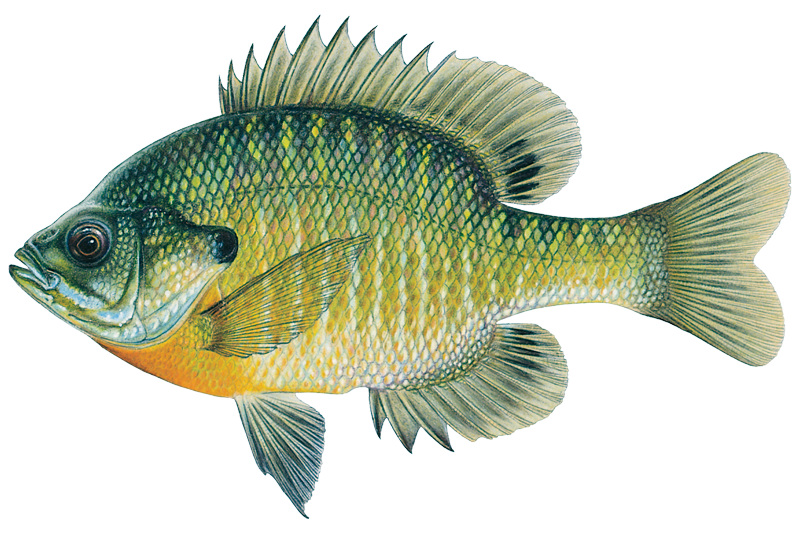
Bluegill are one of Virginia's most popular and widespread panfish, found throughout the state as both native and introduced populations.
They're habitat generalists that occupy practically any warmwater environment in Virginia, from farm ponds to large reservoirs.
Scientific Name: Lepomis macrochirus
- These deep-bodied sunfish typically measure 4-12 inches, with the largest specimens reaching over 16 inches.
- They have distinctive blue and purple coloration on the face and gill covers, dark olive bands down the sides, and a characteristic black 'ear' on the gill cover.
Fishing in Virginia
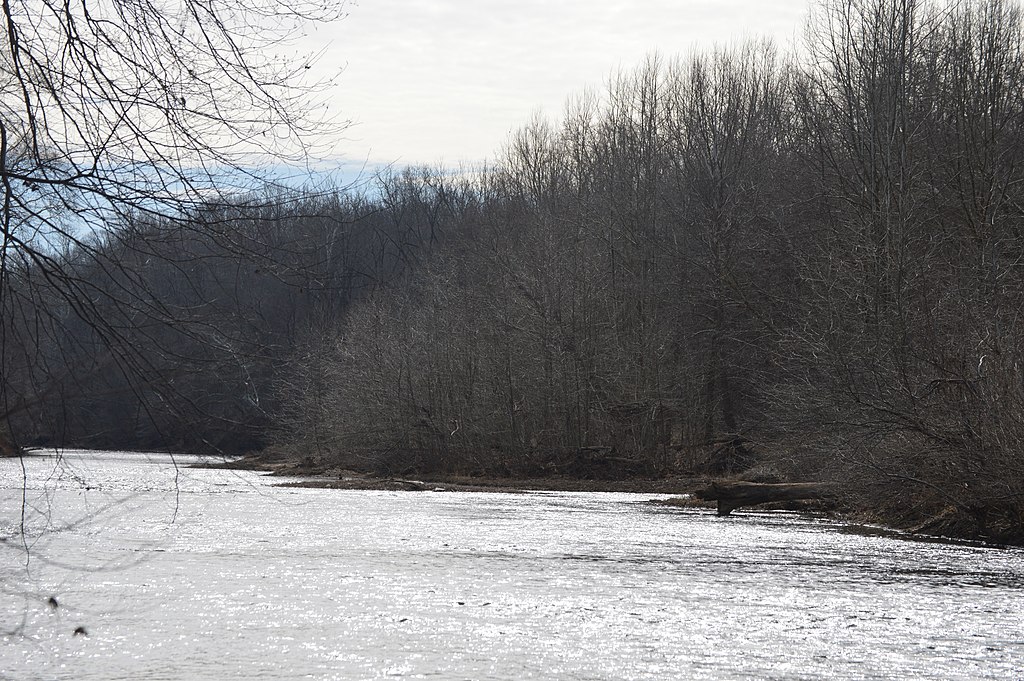
Rivanna River
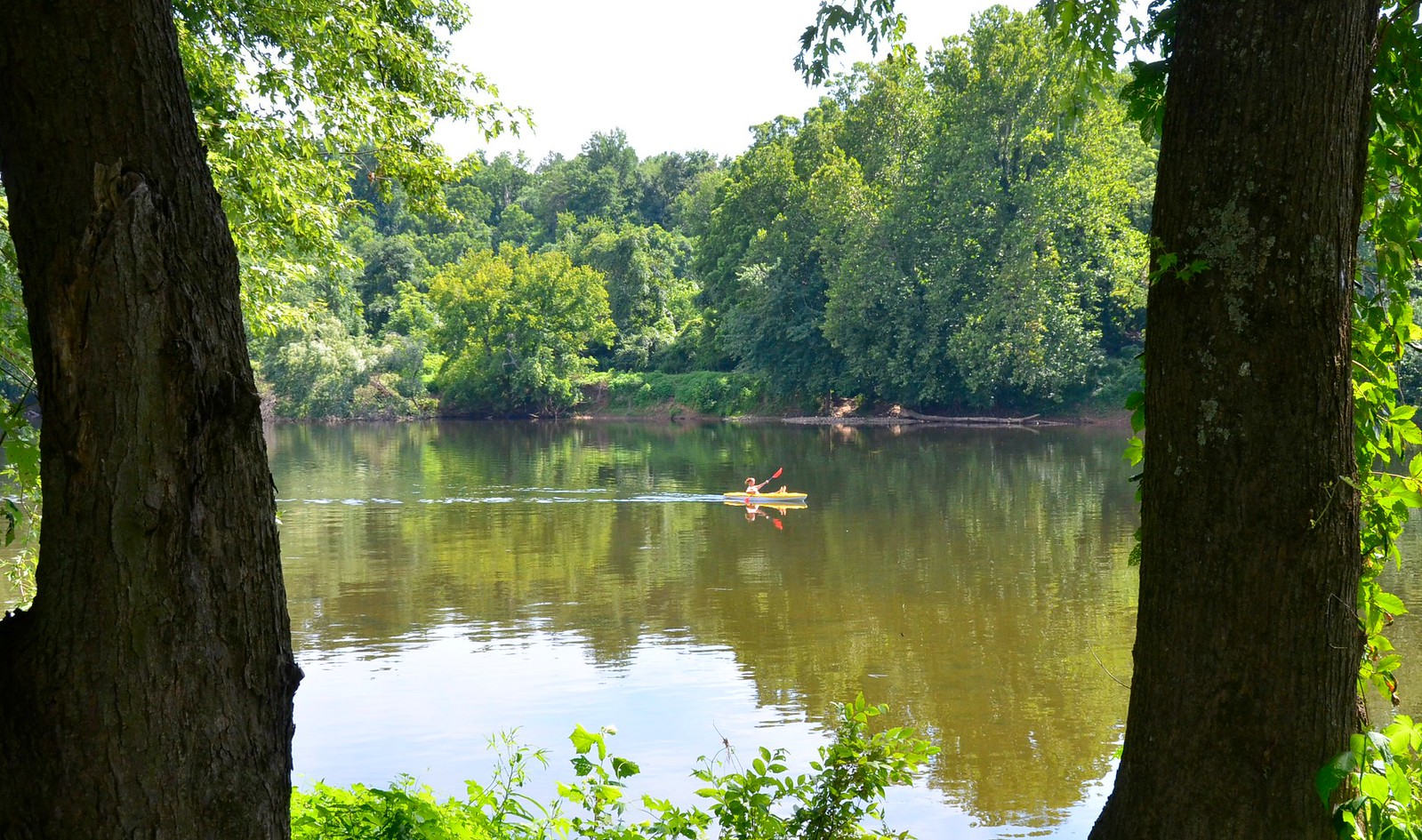
James River
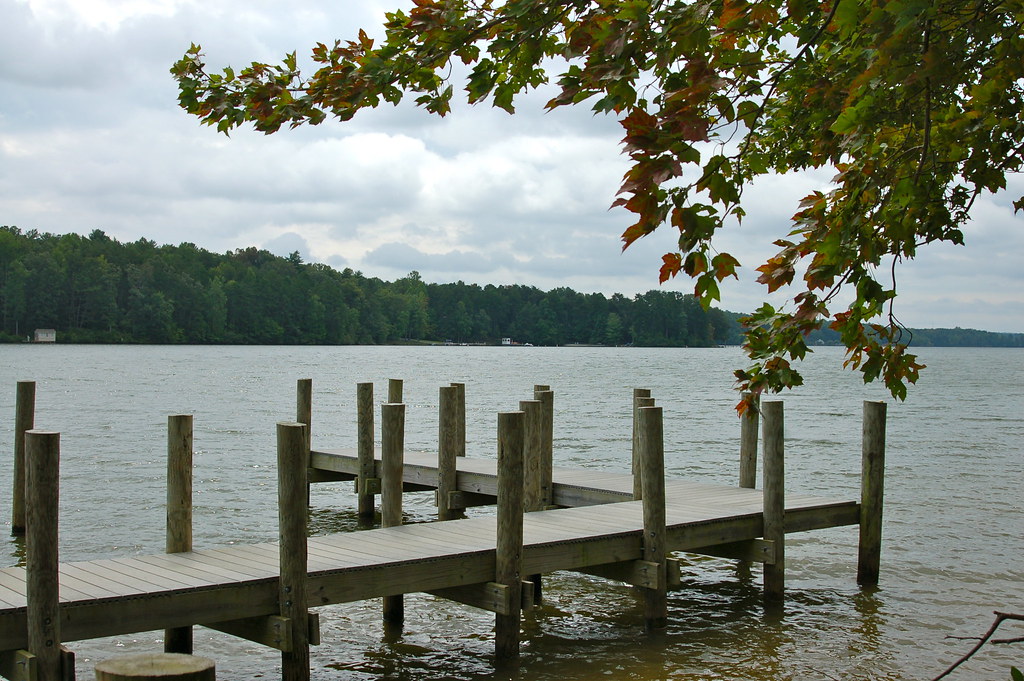
Lake Anna
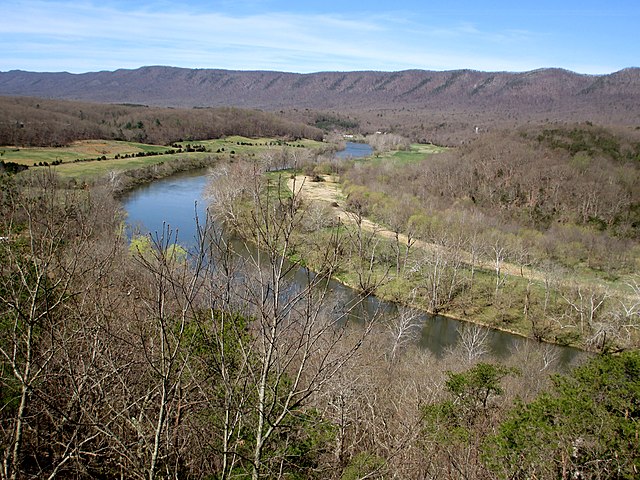
South Fork Shenandoah River
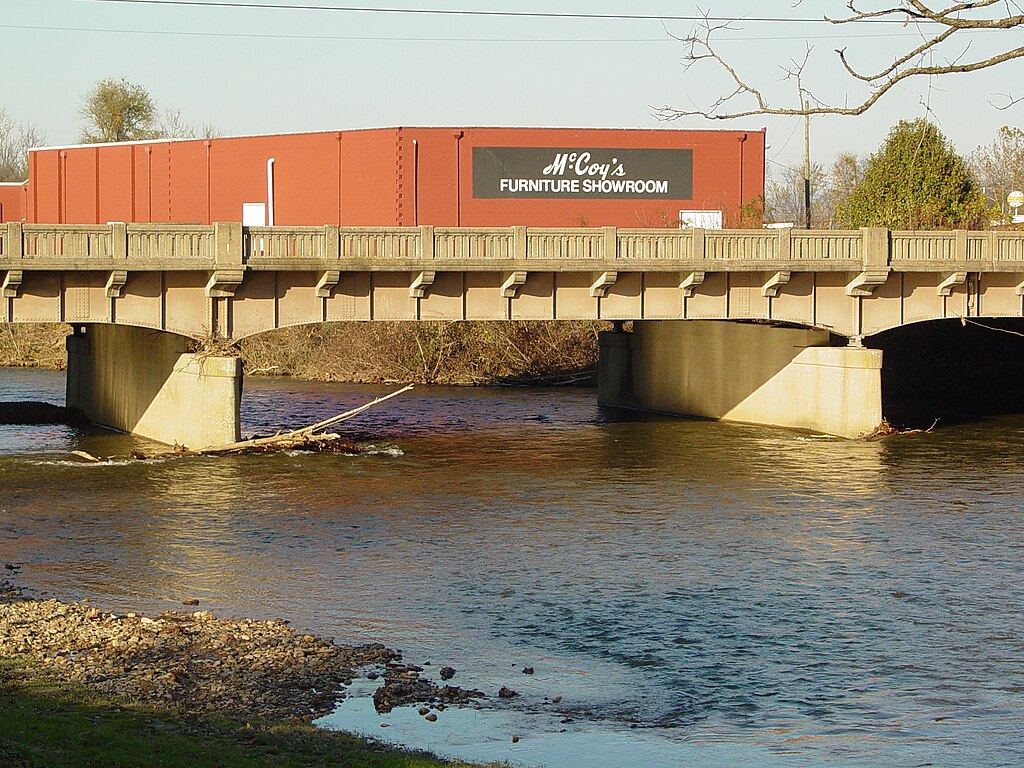
South River
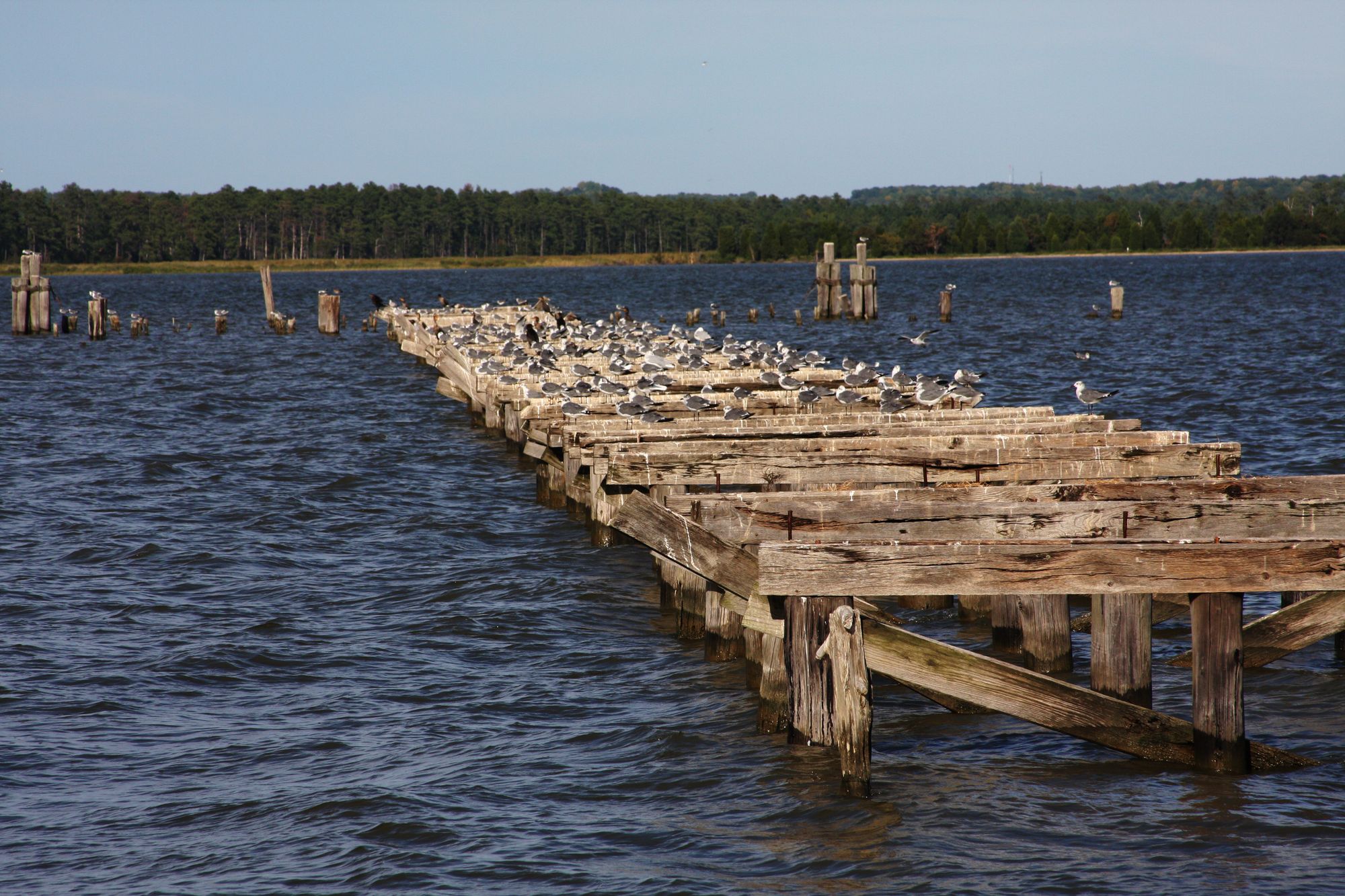
Rappahannock River
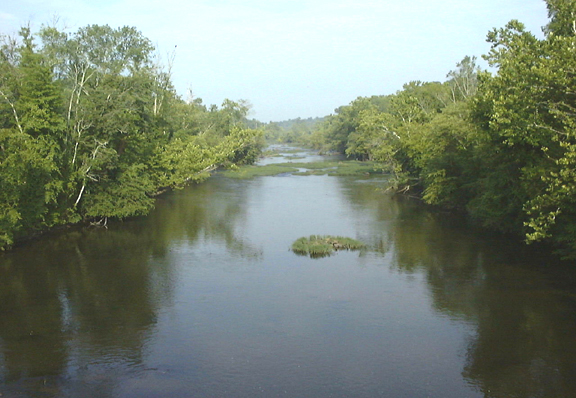
Appomattox River
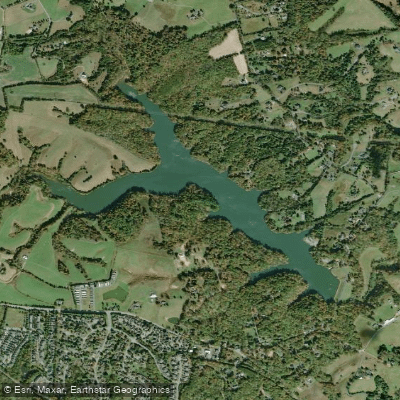
Beaver Creek Reservoir
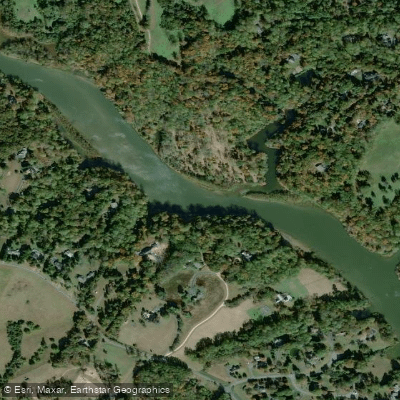
South Fork Rivanna River
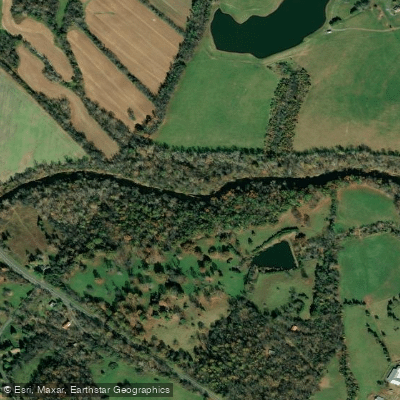
Rapidan River
What to know
Habitat Distribution
- In Virginia, bluegill are native to the upper portions of the Big Sandy, Clinch, Holston, Powell, and Tug watersheds in the southwest portion of the state, but have been widely introduced elsewhere as a popular forage base for other recreational species.
Key Locations
- Little Creek Reservoir.
Specific Spots
- They prefer underwater structure like submerged vegetation, fallen trees, and docks.
- Target areas around docks, fallen trees, weed beds, and brush piles.
Bluegill FAQ
Answers from onWater's species guide.
What are the best lures and bait for Bluegill in Virginia?
Effective live baits include red worms, nightcrawlers, crickets, mealworms, and wax worms on size 6-10 hooks. Small artificial lures are highly effective, including 1/32-1/16 ounce jigs with 1-2 inch grubs or spiders, small inline spinners like Rooster Tails with gold blades, 1-inch crankbaits, and Beetle Spin...
What flies work for Bluegill in Virginia?
Productive patterns include small poppers (size 8-10), foam spiders, Woolly Buggers (size 8-10 in olive or black), soft hackle wet flies, damselfly and dragonfly nymphs, and terrestrial patterns like ants and beetles (size 12-18).
When is the best time to fish for Bluegill in Virginia?
They can be caught year-round, but spring offers the best action in shallow water around structure. Summer fishing requires targeting deeper, cooler water (15-20 feet), while fall finds them moving back to shallow brush piles just out from banks.
How do you catch Bluegill in Virginia?
A simple bobber rig with small split shot works well in shallow water, while drop shot rigs excel for deeper fish. In Virginia's clear reservoirs like Little Creek Reservoir, use electronics to locate schools in deeper water during summer months.
What do Bluegill eat?
Bluegill are generalist feeders, consuming insects, small crustaceans, worms, and smaller fish - essentially anything they can fit in their mouths.
Fish smarter with real-time insights
Whether you're en route and conditions shift or you're looking for the best spot based on current flows, we enable you to make informed decisions on the fly.




See it in the app
Most maps show you water.
onWater shows you Bluegill.



- 01 · Species map filter
Map every Bluegill water
Pick Bluegill and the map zeroes in on the waters they call home. No more guessing which lake holds them.
- 02 · Waterbody species
Tap any water. See what lives there.
Species, behavior and seasonal patterns for every lake, river and pond, before you leave the driveway.
- 03 · Angler Intelligence
Ask how to catch Bluegill
Tactics, gear and timing from onWater's AI fishing guide, tuned to the species and the water you're on.
Stop guessing where Bluegill are.
Open the map, filter by Bluegill, and head to water that holds them. Download onWater and plan your next trip in minutes.
- Species map filter
- Angler Intelligence
- Fishing journal
Explore other species
Trout, bass, salmon, panfish and everything in between. Each guide unpacks the behavior, seasons, and tactics that put fish in the net.
No species information available.
Virginia licenses and regulations
Explore nearby waters
Explore Virginia waters
Top fishing waters
Popular Cities
Loading popular cities...

Smarter Fishing Starts in the App.
onWater Fish gives you everything you need to plan smarter, fish better, and own every trip from first cast to last.