Yellow Bullhead

Yellow Bullhead are small to medium-sized catfish that are widely distributed throughout Tennessee's rivers, lakes, reservoirs, and ponds. These hardy fish are exceptionally tolerant of poor water quality and low oxygen conditions.
Scientific Name: Ameiurus natalis
- Small to medium-sized catfish ranging 6-14 inches and typically 1-2 pounds, though Tennessee's state record is 4 pounds 8 ounces caught from Chickamauga Reservoir in 1979.
- Distinguished from other bullheads by their white or yellow chin barbels, straight-edged anal fin with 24-27 rays, and rounded tail fin.
- Coloration varies from yellow-olive to slate-black above with lighter yellow sides and white to bright yellow bellies.
Fishing in Tennessee
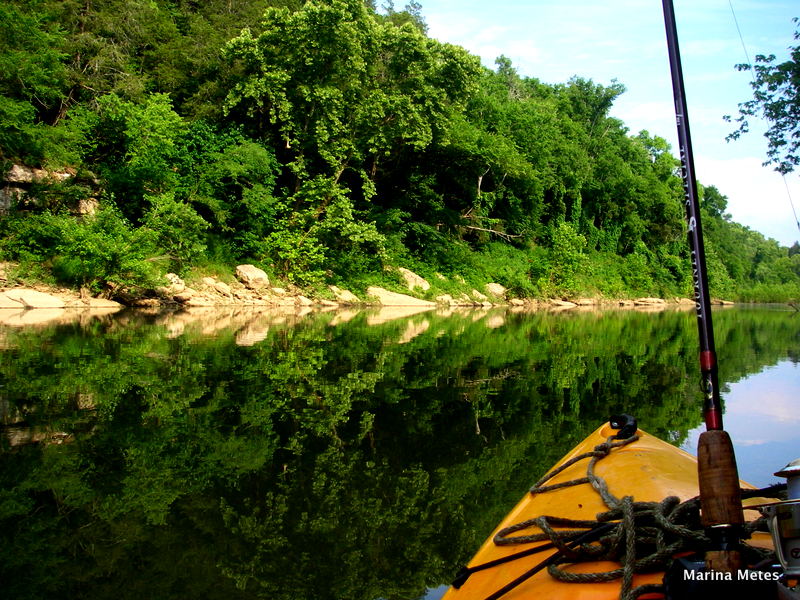
Duck River
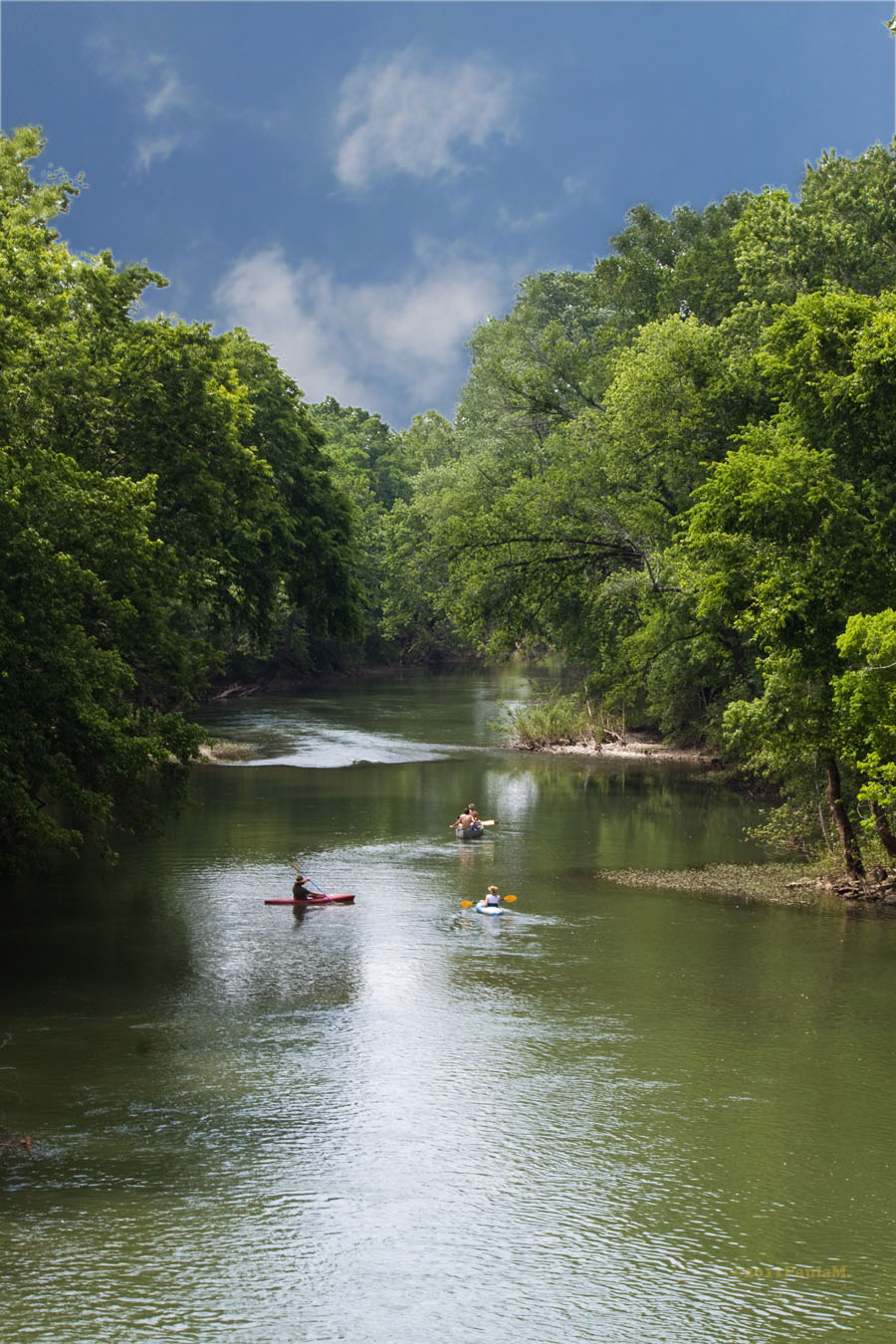
Harpeth River
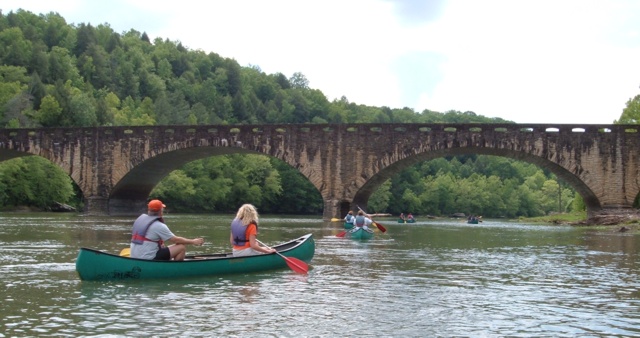
Cumberland River
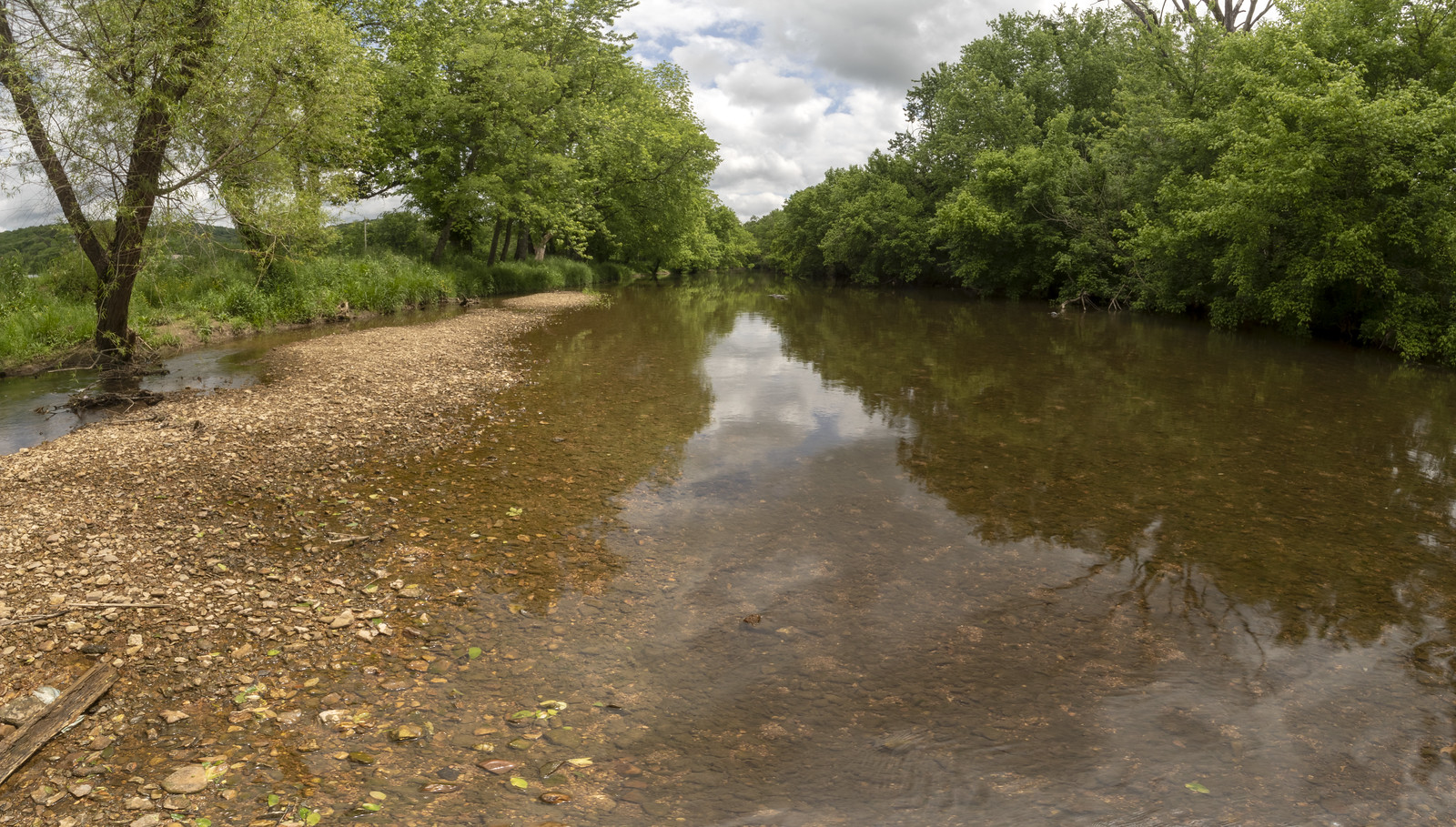
Stones River
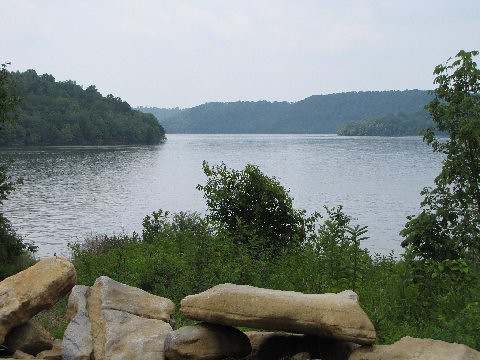
Tims Ford Lake
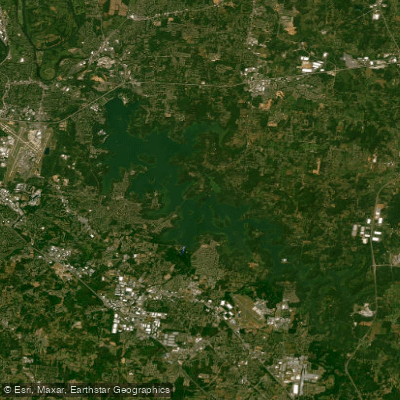
J Percy Priest Reservoir
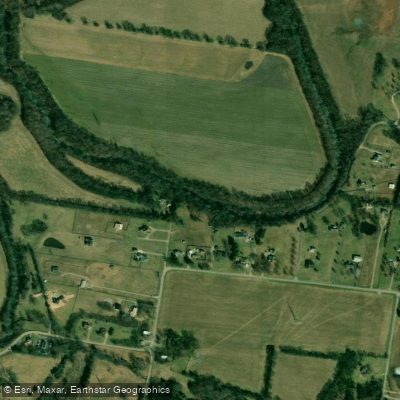
Rutherford Creek
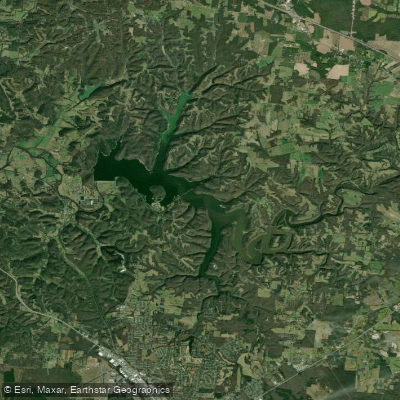
Normandy Lake
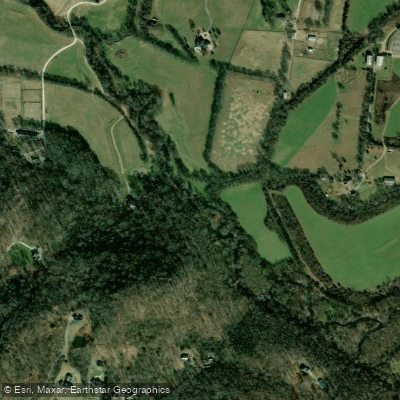
West Harpeth River
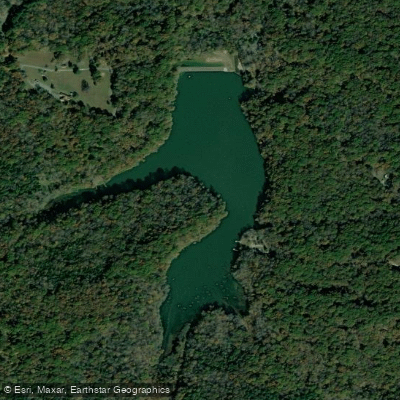
Lake Woodhaven
What to know
Habitat Distribution
- Widely distributed throughout Tennessee's rivers, lakes, reservoirs, and ponds.
- Thrive in slow-moving backwaters, shallow weedy areas, and muddy bottoms.
Key Locations
- Chickamauga Reservoir, Kentucky Lake, Old Hickory Lake, Greenbrier Lake, and Lake Lajoice.
- Numerous smaller impoundments throughout Tennessee.
Specific Spots
- Shallow waters 2-30 feet deep with muddy bottoms, dense vegetation, brush piles, and fallen timber.
- Focus on backwater areas, coves, and creek mouths with slow current.
Yellow Bullhead FAQ
Answers from onWater's species guide.
What are the best lures and bait for Yellow Bullhead in Tennessee?
Nightcrawlers, shrimp, corn, dough balls, chicken liver, cut bait, and even beef jerky.
What flies work for Yellow Bullhead in Tennessee?
GameChanger patterns or microjigs (1/80-1/64 oz on #8 hooks) suspended under strike indicators.
When is the best time to fish for Yellow Bullhead in Tennessee?
Most active during warmer months from late spring through early fall. Become less catchable in cold water. During spawning season (April through June), avoid targeting them to protect reproduction.
How do you catch Yellow Bullhead in Tennessee?
Still fishing and drift fishing are productive techniques. For fly fishing, cast parallel to shorelines and retrieve very slowly with long pauses. Bait fishing works well. They bite readily during daylight but are more active after dark.
What do Yellow Bullhead eat?
Opportunistic omnivores feeding primarily at night on aquatic invertebrates, insects, crayfish, small fish, worms, and aquatic vegetation. They consume more plant matter than other bullhead species.
Fish smarter with real-time insights
Whether you're en route and conditions shift or you're looking for the best spot based on current flows, we enable you to make informed decisions on the fly.




See it in the app
Most maps show you water.
onWater shows you Yellow Bullhead.



- 01 · Species map filter
Map every Yellow Bullhead water
Pick Yellow Bullhead and the map zeroes in on the waters they call home. No more guessing which lake holds them.
- 02 · Waterbody species
Tap any water. See what lives there.
Species, behavior and seasonal patterns for every lake, river and pond, before you leave the driveway.
- 03 · Angler Intelligence
Ask how to catch Yellow Bullhead
Tactics, gear and timing from onWater's AI fishing guide, tuned to the species and the water you're on.
Stop guessing where Yellow Bullhead are.
Open the map, filter by Yellow Bullhead, and head to water that holds them. Download onWater and plan your next trip in minutes.
- Species map filter
- Angler Intelligence
- Fishing journal
Explore other species
Trout, bass, salmon, panfish and everything in between. Each guide unpacks the behavior, seasons, and tactics that put fish in the net.
No species information available.
Tennessee licenses and regulations
Explore nearby waters
Explore Tennessee waters
Top fishing waters
Popular Cities
Loading popular cities...

Smarter Fishing Starts in the App.
onWater Fish gives you everything you need to plan smarter, fish better, and own every trip from first cast to last.