Spotted Gar
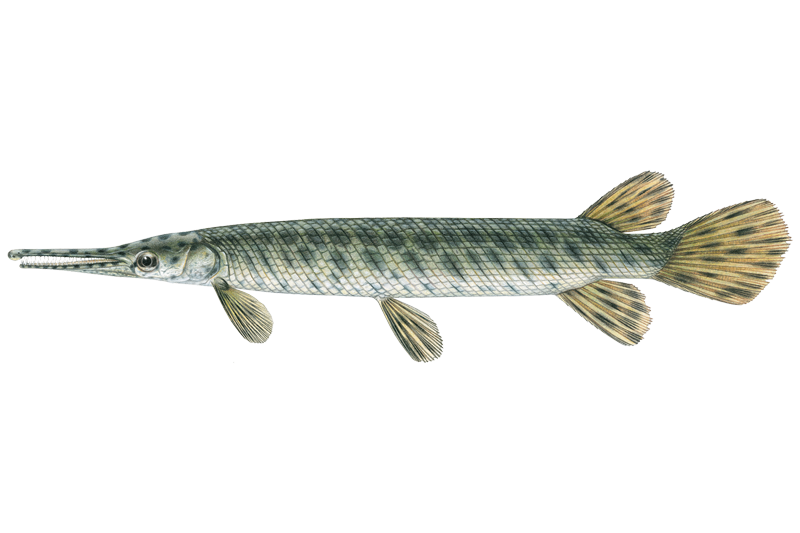
Spotted Gar are native Tennessee fish found primarily in the state's western waters, particularly in the Mississippi River basin. These prehistoric predators have heavily armored bodies and elongated snouts filled with needle-like teeth.
Scientific Name: Lepisosteus oculatus
- Distinguished by dark spots on their head and body, a shorter and wider snout compared to Longnose Gar, and diamond-shaped ganoid scales.
- Typically grow 2-3 feet long, weighing 4-6 pounds.
Fishing in Tennessee

Duck River
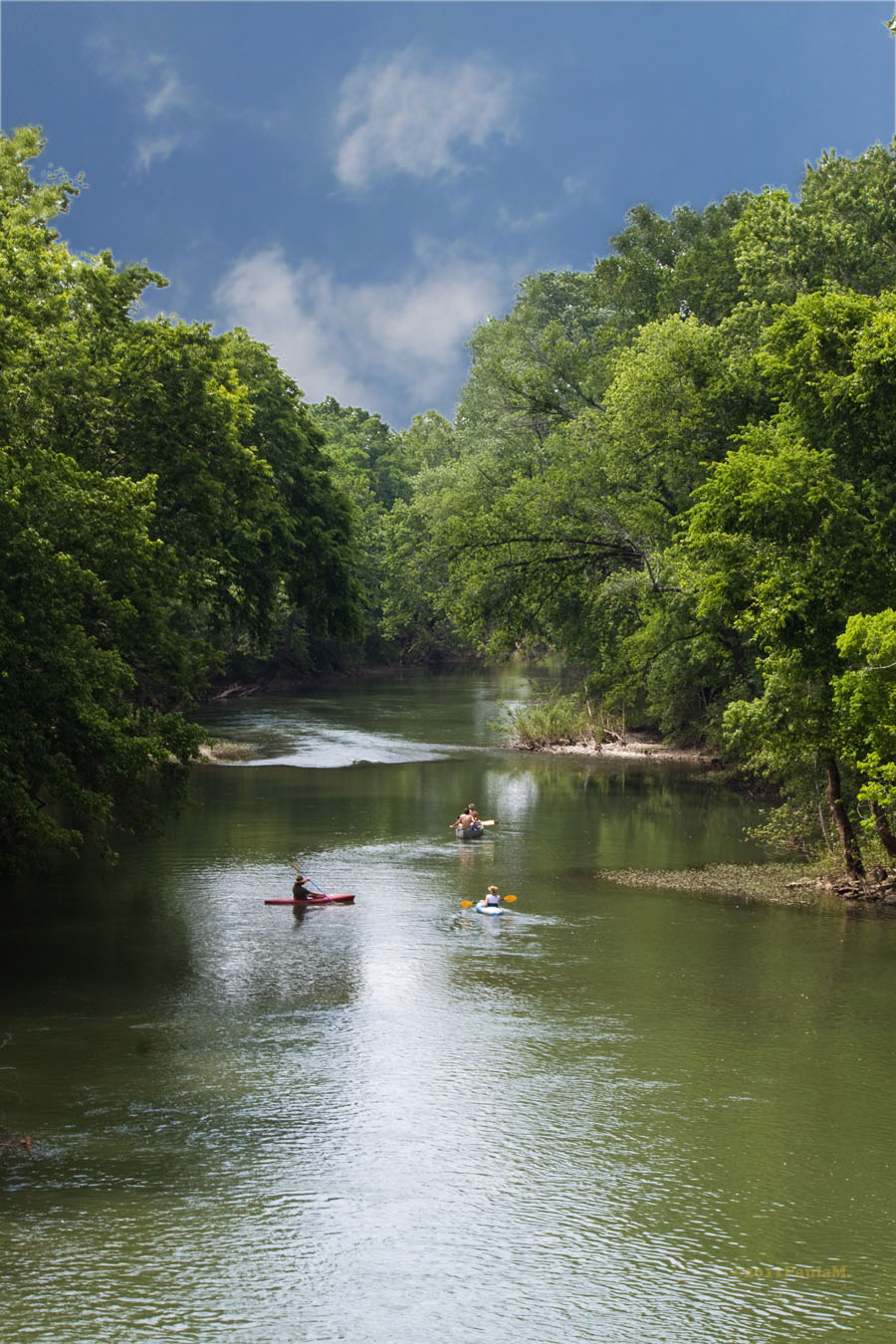
Harpeth River

Cumberland River
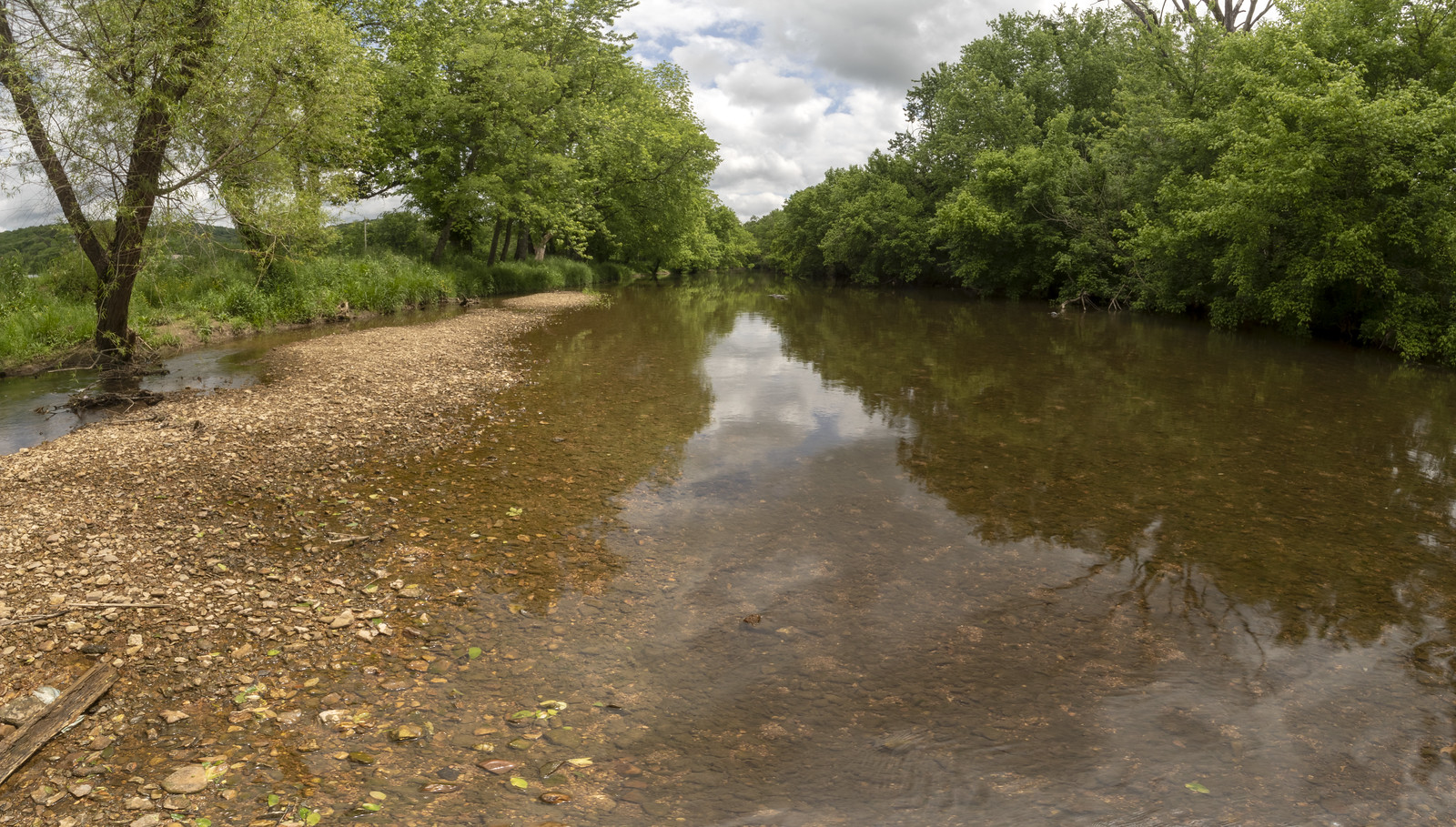
Stones River
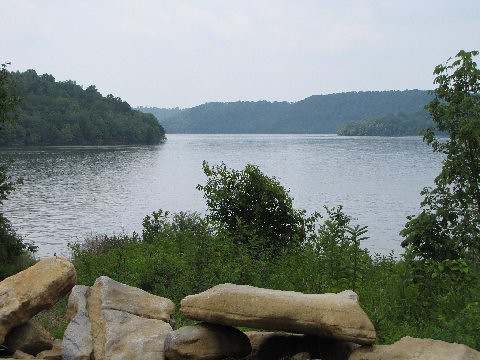
Tims Ford Lake
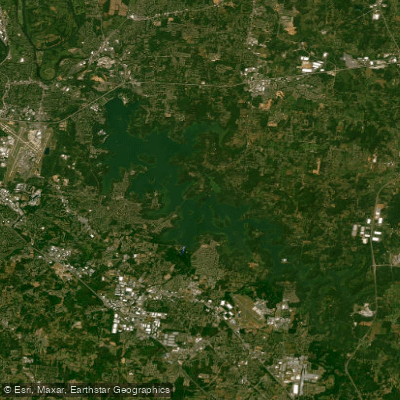
J Percy Priest Reservoir
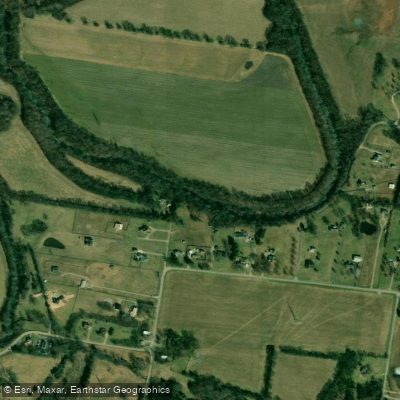
Rutherford Creek
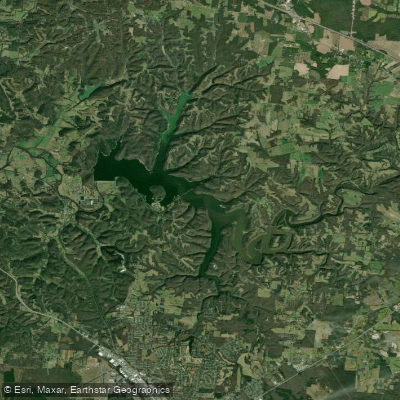
Normandy Lake
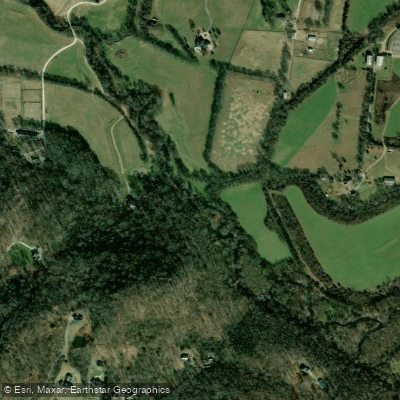
West Harpeth River
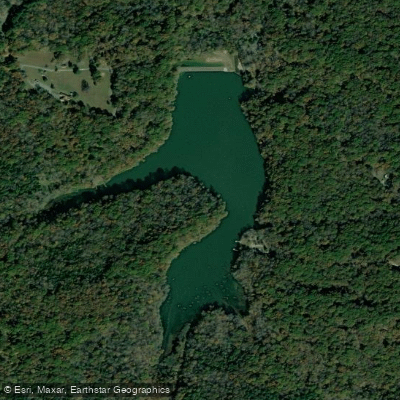
Lake Woodhaven
What to know
Habitat Distribution
- Found primarily in the state's western waters, particularly in the Mississippi River basin.
Key Locations
- Mississippi River, Obion River, Forked Deer, Hatchie River, Loosahatchie River, Wolf River, and historically Reelfoot Lake.
Specific Spots
- Focus on clear, slow-moving backwaters, river bends, weedy bays, and quiet pools with abundant aquatic vegetation.
- Fish areas near fallen logs, submerged branches, and vegetated shorelines while avoiding exposed banks.
Spotted Gar FAQ
Answers from onWater's species guide.
What are the best lures and bait for Spotted Gar in Tennessee?
Live bait like minnows under floats, cut bait, small spoons, spinner baits, and topwater plugs with treble hooks. Some anglers use rope flies (unbraided nylon rope) that tangle in gar teeth, though this method is controversial.
What flies work for Spotted Gar in Tennessee?
Use smaller patterns contrary to conventional wisdom: Clouser's Swimming Nymph in olive or orange with extra flash, damsel fly nymphs for weedy areas, weightless woolly buggers, terrestrials like beetles and grasshoppers, and Crazy Charlie patterns.
When is the best time to fish for Spotted Gar in Tennessee?
Late spring through early fall when water temperatures reach 70°F and above, with July and August being prime months. More active during warmer months, with movement rates higher in summer than fall/winter.
How do you catch Spotted Gar in Tennessee?
Key technique: when a gar takes your offering, let them run and chew for 10-20 seconds before setting the hook, as their bony mouths are difficult to penetrate. Strip set with maximum force rather than lifting the rod.
What do Spotted Gar eat?
Primarily nocturnal ambush predators, consuming 57.5% crustaceans (especially shrimp and crayfish), 18.1% fish species including golden topminnow, warmouth, bluegill, and spotted sunfish, plus aquatic invertebrates and insect larvae. Feed 70% at night versus dawn/dusk.
Fish smarter with real-time insights
Whether you're en route and conditions shift or you're looking for the best spot based on current flows, we enable you to make informed decisions on the fly.




See it in the app
Most maps show you water.
onWater shows you Spotted Gar.



- 01 · Species map filter
Map every Spotted Gar water
Pick Spotted Gar and the map zeroes in on the waters they call home. No more guessing which lake holds them.
- 02 · Waterbody species
Tap any water. See what lives there.
Species, behavior and seasonal patterns for every lake, river and pond, before you leave the driveway.
- 03 · Angler Intelligence
Ask how to catch Spotted Gar
Tactics, gear and timing from onWater's AI fishing guide, tuned to the species and the water you're on.
Stop guessing where Spotted Gar are.
Open the map, filter by Spotted Gar, and head to water that holds them. Download onWater and plan your next trip in minutes.
- Species map filter
- Angler Intelligence
- Fishing journal
Explore other species
Trout, bass, salmon, panfish and everything in between. Each guide unpacks the behavior, seasons, and tactics that put fish in the net.
No species information available.
Tennessee licenses and regulations
Explore nearby waters
Explore Tennessee waters
Top fishing waters
Popular Cities
Loading popular cities...

Smarter Fishing Starts in the App.
onWater Fish gives you everything you need to plan smarter, fish better, and own every trip from first cast to last.