Bluegill
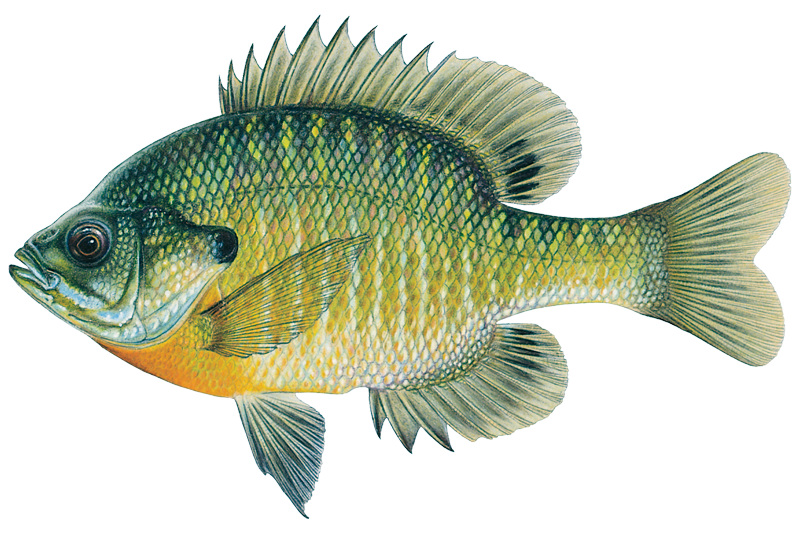
Bluegill are native to Tennessee and among the most popular panfish in the state. They're members of the sunfish family and highly social fish that school together, with group sizes varying from 6-10 fish to hundreds.
Scientific Name: Lepomis macrochirus
- They're characterized by their deep, compressed, round bodies and distinctive blue coloration on the lower jaw extending to the sides of the head.
- Males develop more vibrant coloration during breeding season, with bright orange breasts and darker overall tones.
- Tennessee bluegill typically range from 6-10 inches, though specimens over a pound are possible with proper management.
Fishing in Tennessee
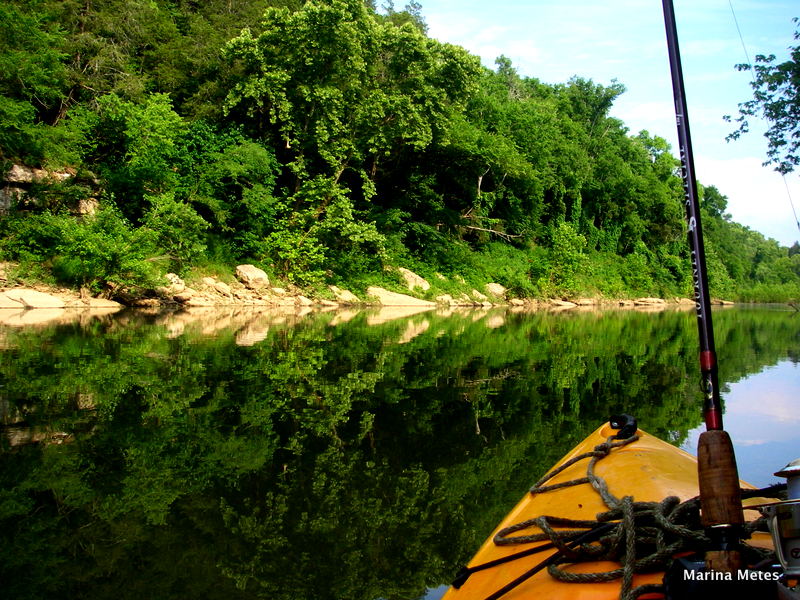
Duck River
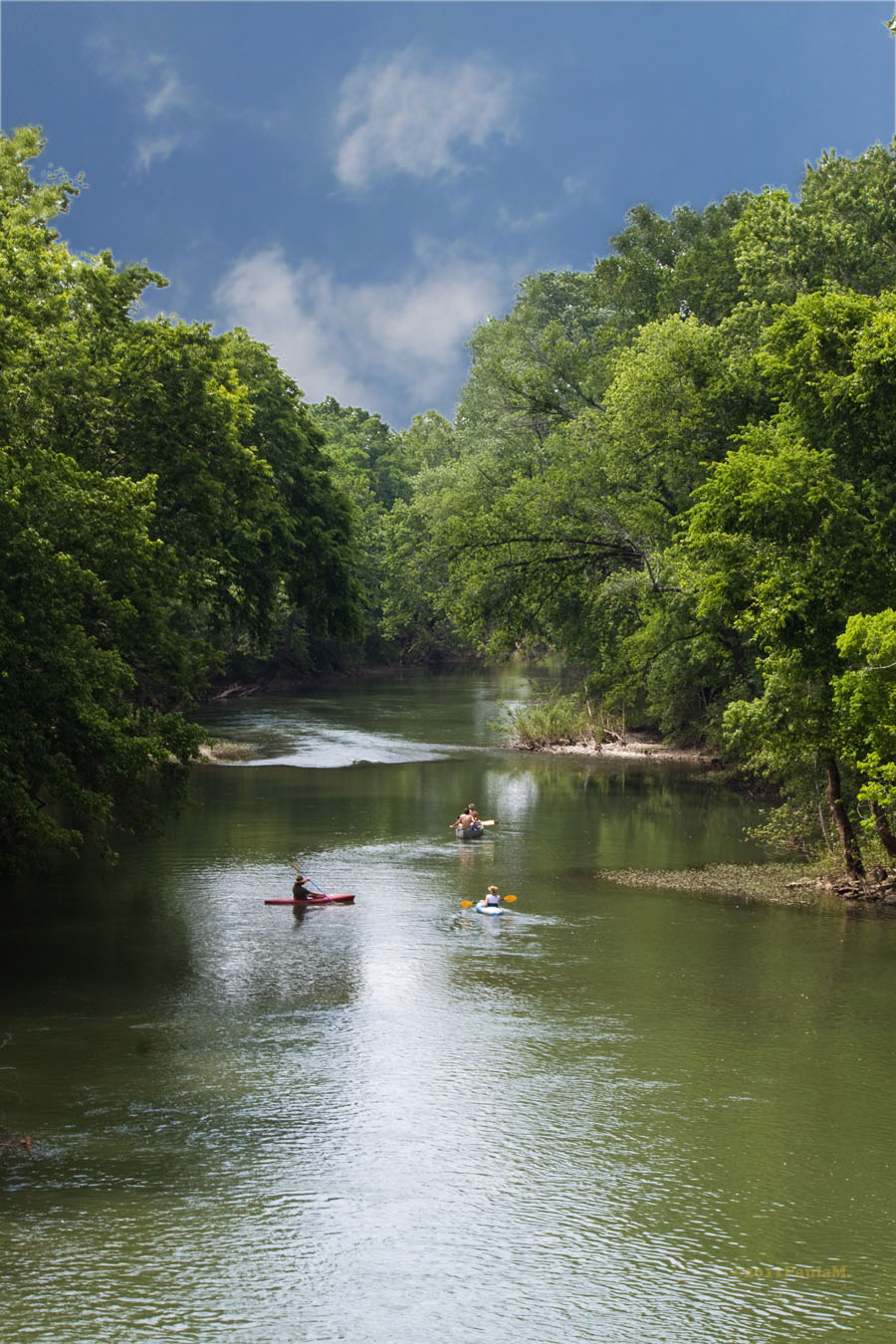
Harpeth River
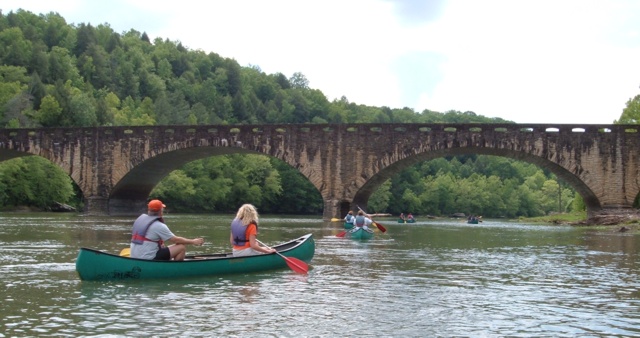
Cumberland River
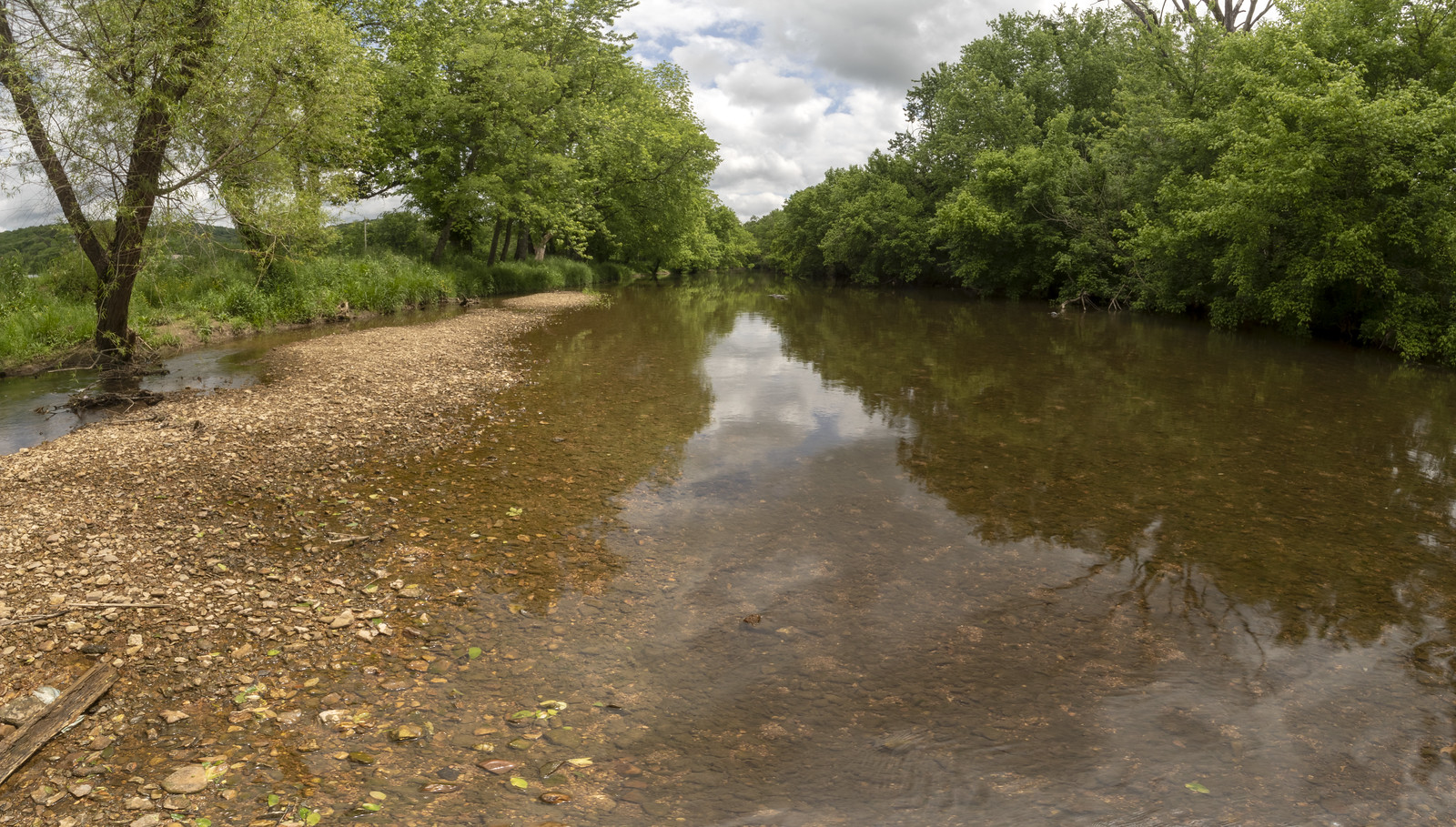
Stones River
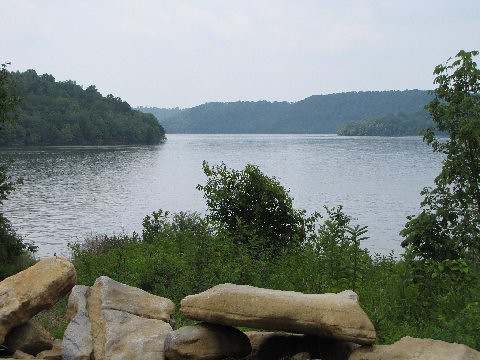
Tims Ford Lake
J Percy Priest Reservoir
Rutherford Creek
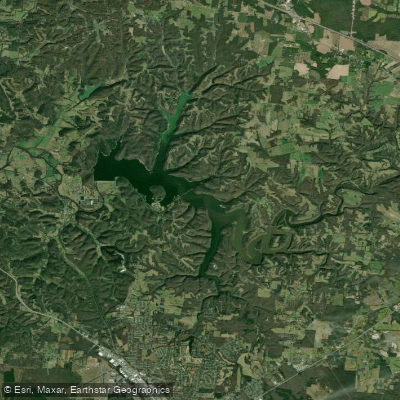
Normandy Lake
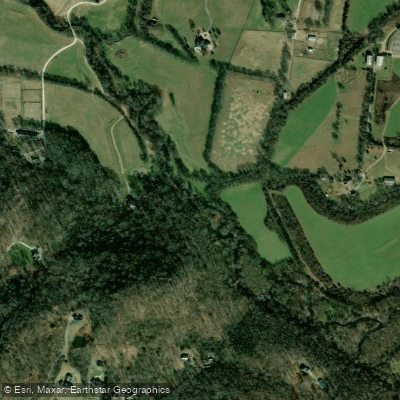
West Harpeth River
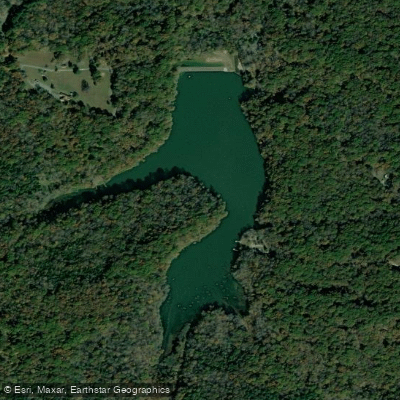
Lake Woodhaven
What to know
Habitat Distribution
- Bluegill prefer shallow areas with aquatic vegetation, fallen trees, brush, stumps, and cover near shorelines.
Key Locations
- They're found throughout Tennessee's 29 major reservoirs, 19,000 miles of streams, and thousands of smaller lakes and ponds, with particularly excellent populations in waters like Reelfoot Lake, Douglas Reservoir, Kentucky Lake, and Chickamauga Lake.
Specific Spots
- Target areas around docks, fallen trees, cypress trees, aquatic vegetation edges, and shallow protected coves.
- At specific Tennessee waters: fish around cypress trees at Reelfoot Lake with crickets, target the bonnet patches and timber areas, and focus on 3-10 feet from shorelines.
- On larger reservoirs like Douglas and Kentucky Lake, look for brush piles and creek channel drop-offs.
Bluegill FAQ
Answers from onWater's species guide.
What are the best lures and bait for Bluegill in Tennessee?
Live bait is highly effective - red worms and nightcrawlers are top choices, followed by crickets, meal worms, and wax worms. For artificial lures, try 1/32 to 1/16-ounce jigs with small plastic grubs or spiders, inline spinners, tiny crankbaits, and small spinnerbaits in chartreuse, white, and natural colors.
What flies work for Bluegill in Tennessee?
For fly fishing, use size 10-14 patterns including small poppers, foam spiders, woolly buggers, terrestrial patterns (ants, beetles, grasshoppers), and nymph patterns.
When is the best time to fish for Bluegill in Tennessee?
The prime season for bluegill fishing in Tennessee runs from mid-May through August. Spring fishing becomes excellent when water temperatures reach the upper 60s to low 70s.
How do you catch Bluegill in Tennessee?
Fish live bait under small bobbers or with light split-shot rigs. Always fish light line and small presentations, as bluegill have small mouths and can be selective feeders.
What do Bluegill eat?
They're omnivorous, feeding primarily on zooplankton, aquatic and terrestrial insects, small crustaceans, and occasionally small fish. Their diet shifts seasonally - fry start with microscopic plankton, transitioning to larger zooplankton and aquatic insect larvae as they grow.
Fish smarter with real-time insights
Whether you're en route and conditions shift or you're looking for the best spot based on current flows, we enable you to make informed decisions on the fly.




See it in the app
Most maps show you water.
onWater shows you Bluegill.



- 01 · Species map filter
Map every Bluegill water
Pick Bluegill and the map zeroes in on the waters they call home. No more guessing which lake holds them.
- 02 · Waterbody species
Tap any water. See what lives there.
Species, behavior and seasonal patterns for every lake, river and pond, before you leave the driveway.
- 03 · Angler Intelligence
Ask how to catch Bluegill
Tactics, gear and timing from onWater's AI fishing guide, tuned to the species and the water you're on.
Stop guessing where Bluegill are.
Open the map, filter by Bluegill, and head to water that holds them. Download onWater and plan your next trip in minutes.
- Species map filter
- Angler Intelligence
- Fishing journal
Explore other species
Trout, bass, salmon, panfish and everything in between. Each guide unpacks the behavior, seasons, and tactics that put fish in the net.
No species information available.
Tennessee licenses and regulations
Explore nearby waters
Explore Tennessee waters
Top fishing waters
Popular Cities
Loading popular cities...

Smarter Fishing Starts in the App.
onWater Fish gives you everything you need to plan smarter, fish better, and own every trip from first cast to last.