Smallmouth Buffalo
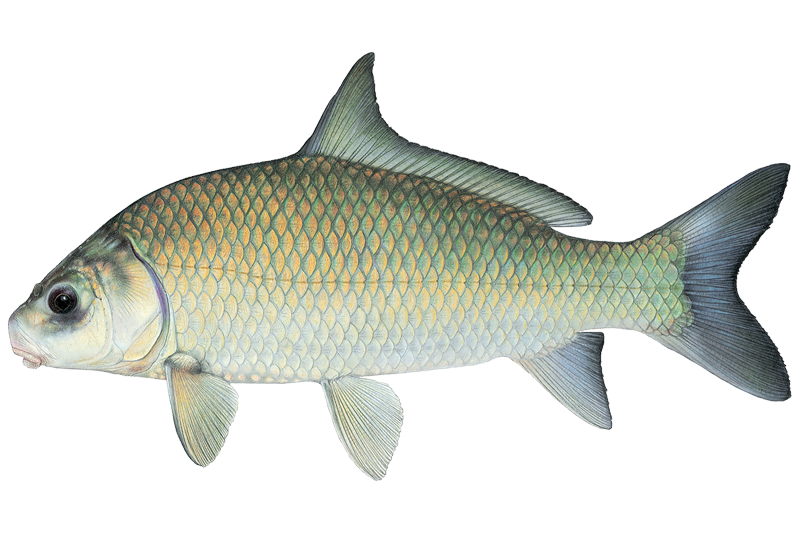
Smallmouth Buffalo are large, native freshwater fish that belong to the sucker family (Catostomidae), not the carp family as commonly mistaken.
In Pennsylvania, they are part of the species' native range which includes the Lake Michigan drainage and Mississippi River basin from Pennsylvania and Michigan to Montana and south to the Gulf of Mexico.
Scientific Name: Ictiobus bubalus
- These deep-bodied, highly compressed fish have slate brown fins, bronze or slate olive backs, and bronze sides that lighten with age.
- They feature a distinctive blunt snout with a small, ventral horizontal mouth containing 180-190 small fragile teeth per arch.
- Adults typically reach 40-60 cm (16-24 inches) in length, though specimens can grow up to 30.1 kg (66.4 pounds) and 101.5 cm (40 inches).
Fishing in Pennsylvania

Susquehanna River

Conodoguinet Creek

Yellow Breeches Creek

Juniata River

Lake Marburg

Monocacy River

Raystown Lake

Swatara Creek

Codorus Creek
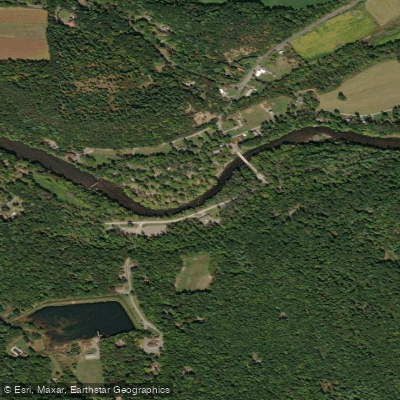
Penns Creek
What to know
Habitat Distribution
- Native range includes the Lake Michigan drainage and Mississippi River basin from Pennsylvania and Michigan to Montana and south to the Gulf of Mexico.
- They prefer faster-flowing waters than their relatives the Bigmouth and Black Buffalo, showing preference for deeper water and fine substrates.
Key Locations
- Pennsylvania's large river systems like the Ohio River Basin tributaries.
Specific Spots
- In Pennsylvania's river systems, they inhabit pools, oxbow lakes, deeper waters of large rivers, and sometimes backwaters.
- Target areas with abundant organic matter, muddy or silty bottoms, and dense aquatic vegetation where they forage for food.
- Look for deeper waters during the day as they move to shallower areas at night to feed.
- Focus on pools, deeper sections, and areas with fine substrates where smallmouth buffalo concentrate.
Smallmouth Buffalo FAQ
Answers from onWater's species guide.
What are the best lures and bait for Smallmouth Buffalo in Pennsylvania?
Effective options include nightcrawlers, doughballs, corn, cut bait, beans, peas, blood worms, and insects. Many Pennsylvania anglers swear by spicy baits such as chili peppers or regular baits dipped in hot sauce.
What flies work for Smallmouth Buffalo in Pennsylvania?
Woolly buggers, glo bug patterns, small stonefly nymphs, carp crack patterns, foxy lady patterns, and 1/100 oz marabou jigs.
When is the best time to fish for Smallmouth Buffalo in Pennsylvania?
Most productive during spring and fall months when water temperatures are moderate. The spawning period from April through early June should be avoided to protect reproducing fish.
How do you catch Smallmouth Buffalo in Pennsylvania?
Effective fishing methods include bait casting, drift fishing, spin casting, still fishing, and fly fishing. Since smallmouth buffalo feed primarily on the bottom, flies must reach the substrate and be presented directly in their feeding lanes.
What do Smallmouth Buffalo eat?
Smallmouth Buffalo are primarily detritivores, using their downward-facing sucker mouth to feed on bottom vegetation and organic matter. Young fish under one year consume copepods, cladocerans, algae, duckweed, protozoans, rotifers, insect larvae, and insect e.g.gs.
Fish smarter with real-time insights
Whether you're en route and conditions shift or you're looking for the best spot based on current flows, we enable you to make informed decisions on the fly.


See it in the app
Most maps show you water.
onWater shows you Smallmouth Buffalo.



- 01 · Species map filter
Map every Smallmouth Buffalo water
Pick Smallmouth Buffalo and the map zeroes in on the waters they call home. No more guessing which lake holds them.
- 02 · Waterbody species
Tap any water. See what lives there.
Species, behavior and seasonal patterns for every lake, river and pond, before you leave the driveway.
- 03 · Angler Intelligence
Ask how to catch Smallmouth Buffalo
Tactics, gear and timing from onWater's AI fishing guide, tuned to the species and the water you're on.
Stop guessing where Smallmouth Buffalo are.
Open the map, filter by Smallmouth Buffalo, and head to water that holds them. Download onWater and plan your next trip in minutes.
- Species map filter
- Angler Intelligence
- Fishing journal
Explore other species
Trout, bass, salmon, panfish and everything in between. Each guide unpacks the behavior, seasons, and tactics that put fish in the net.
No species information available.
Pennsylvania licenses and regulations
Explore nearby waters
Explore Pennsylvania waters
Top fishing waters
Popular Cities
Loading popular cities...
Smarter Fishing Starts in the App.
onWater Fish gives you everything you need to plan smarter, fish better, and own every trip from first cast to last.