Bluegill
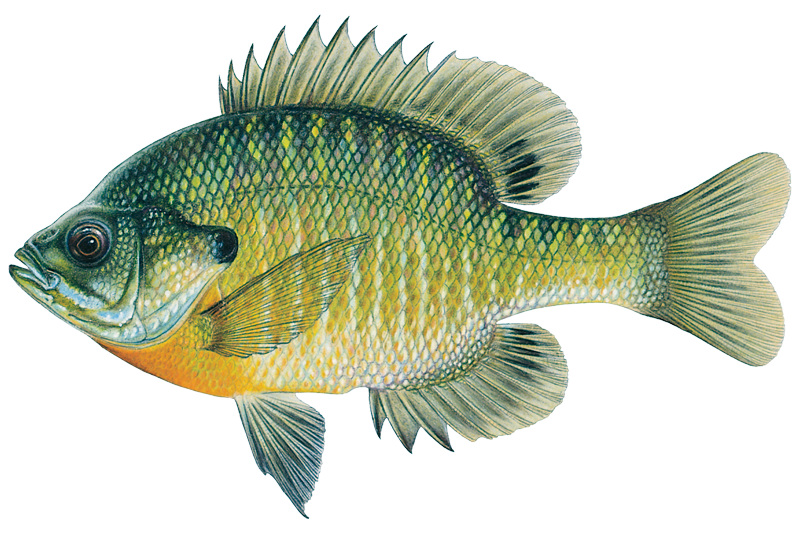
Bluegill are a popular panfish species that occur throughout Pennsylvania, though they were originally indigenous only to the Ohio River and Lake Erie drainages, including the Ohio, Allegheny, and Monongahela River systems.
Through Pennsylvania Fish & Boat Commission stocking efforts into the Delaware, Susquehanna, and Potomac River drainages (including the West Branch Susquehanna, Juniata, Lehigh, and Schuylkill Rivers), bluegill have colonized waters throughout these drainages and are now self-sustaining across the entire state.
Scientific Name: Lepomis macrochirus
- Growth is rapid in the first three years - a 7-inch bluegill is approximately 4 years old and weighs 0.2 pounds, while a 9-inch fish is about 8 years old and weighs 0.5 pounds.
Fishing in Pennsylvania
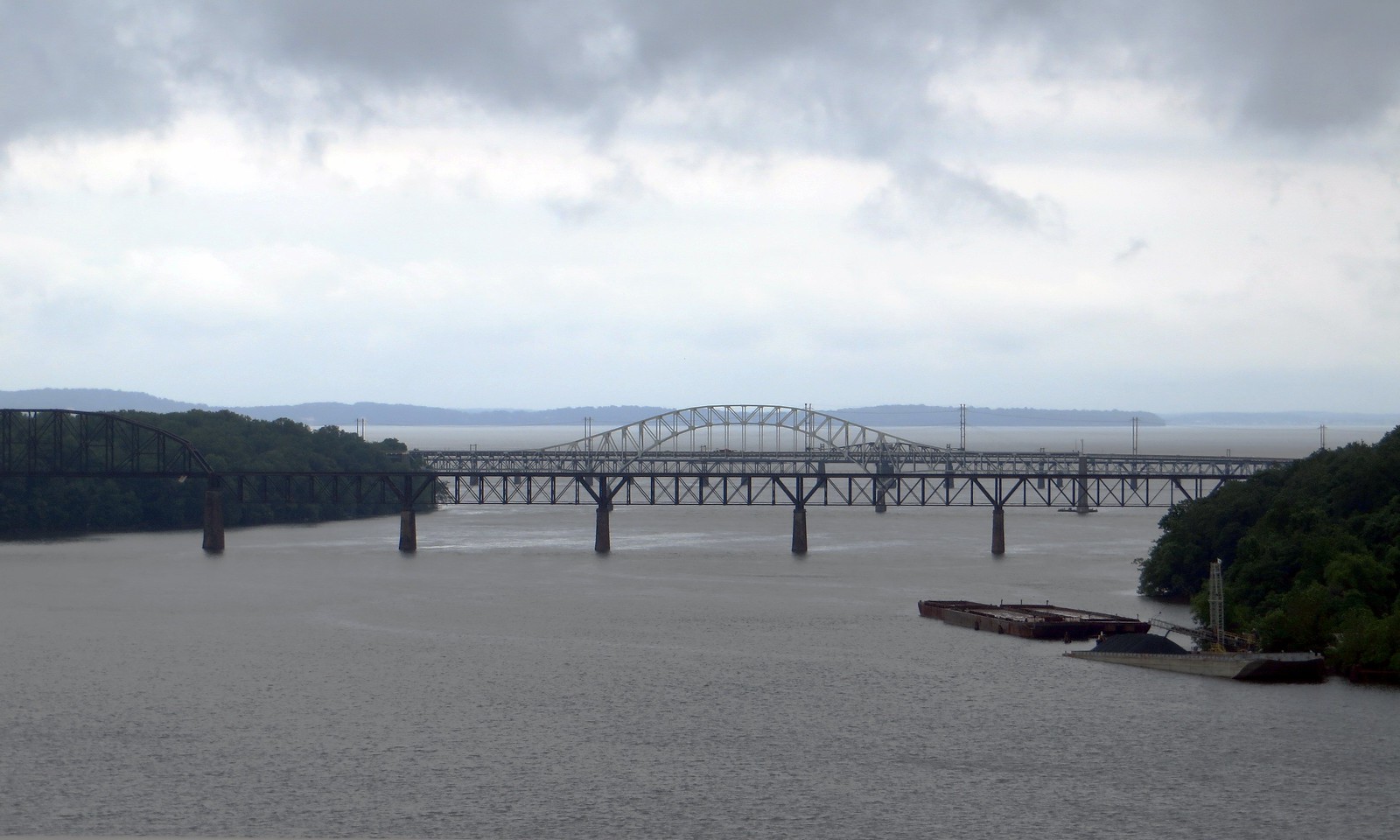
Susquehanna River
Conodoguinet Creek
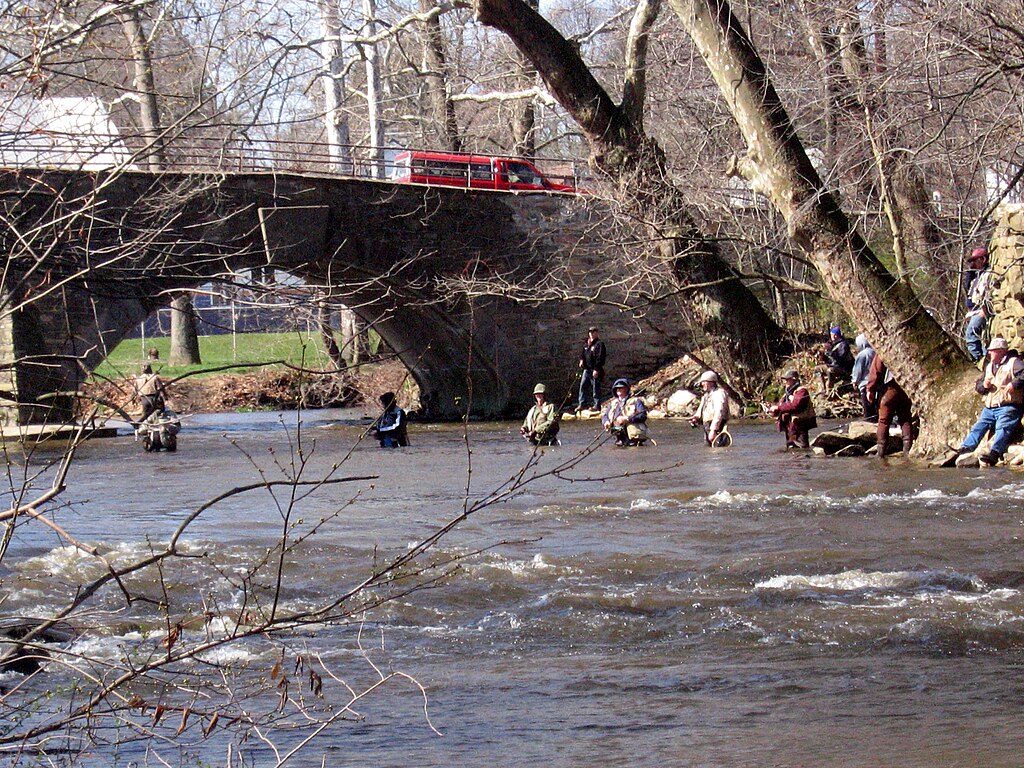
Yellow Breeches Creek
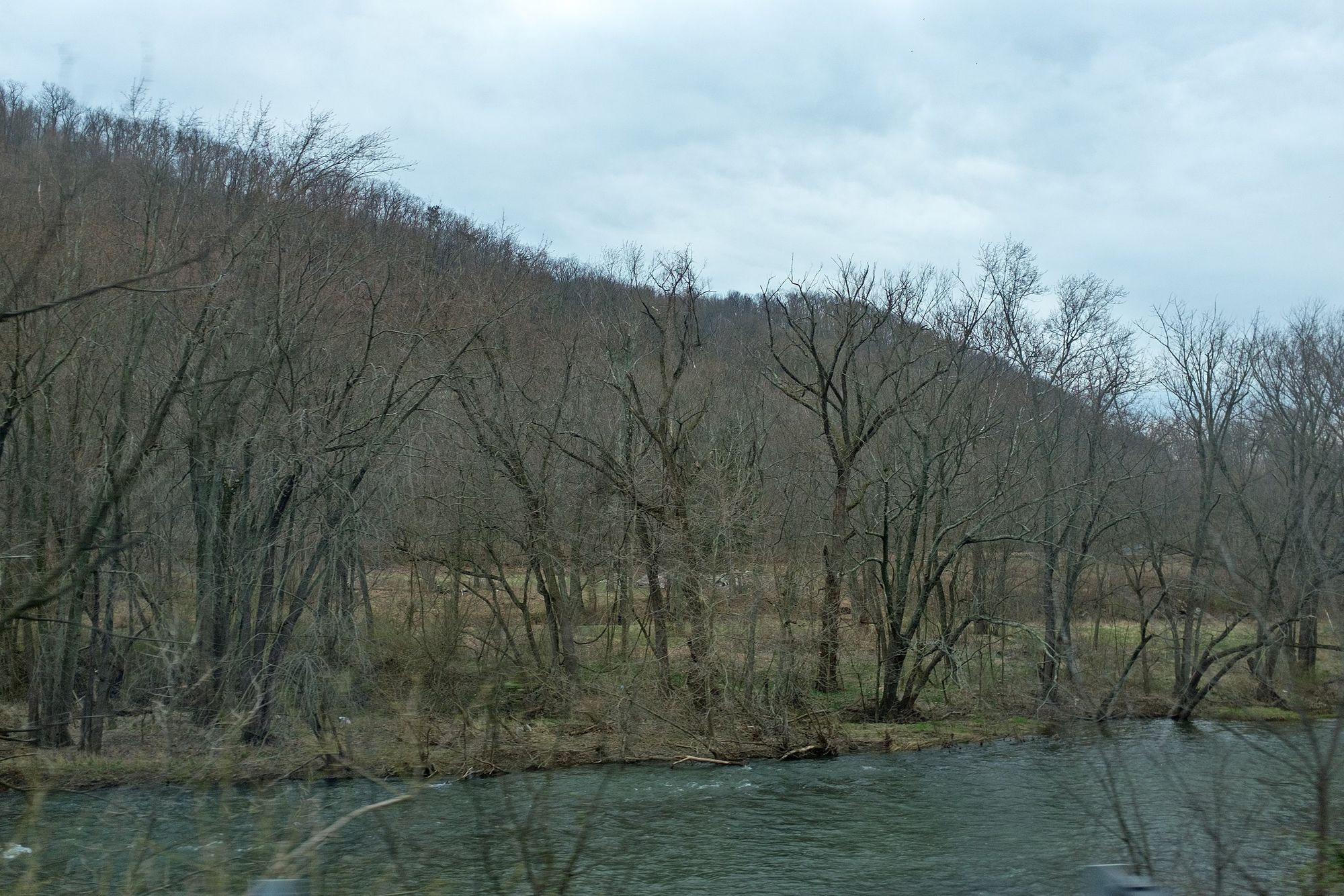
Juniata River
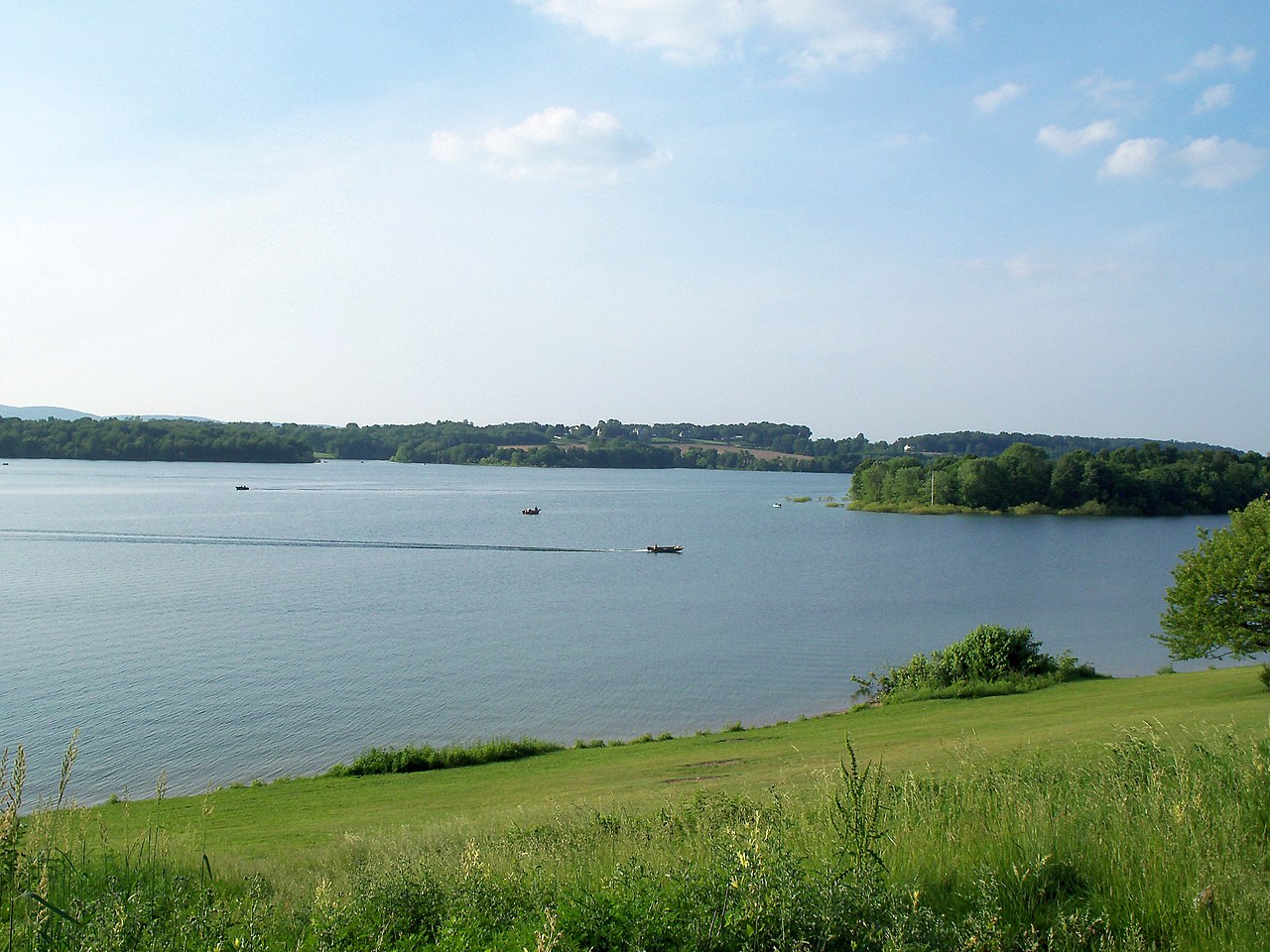
Lake Marburg
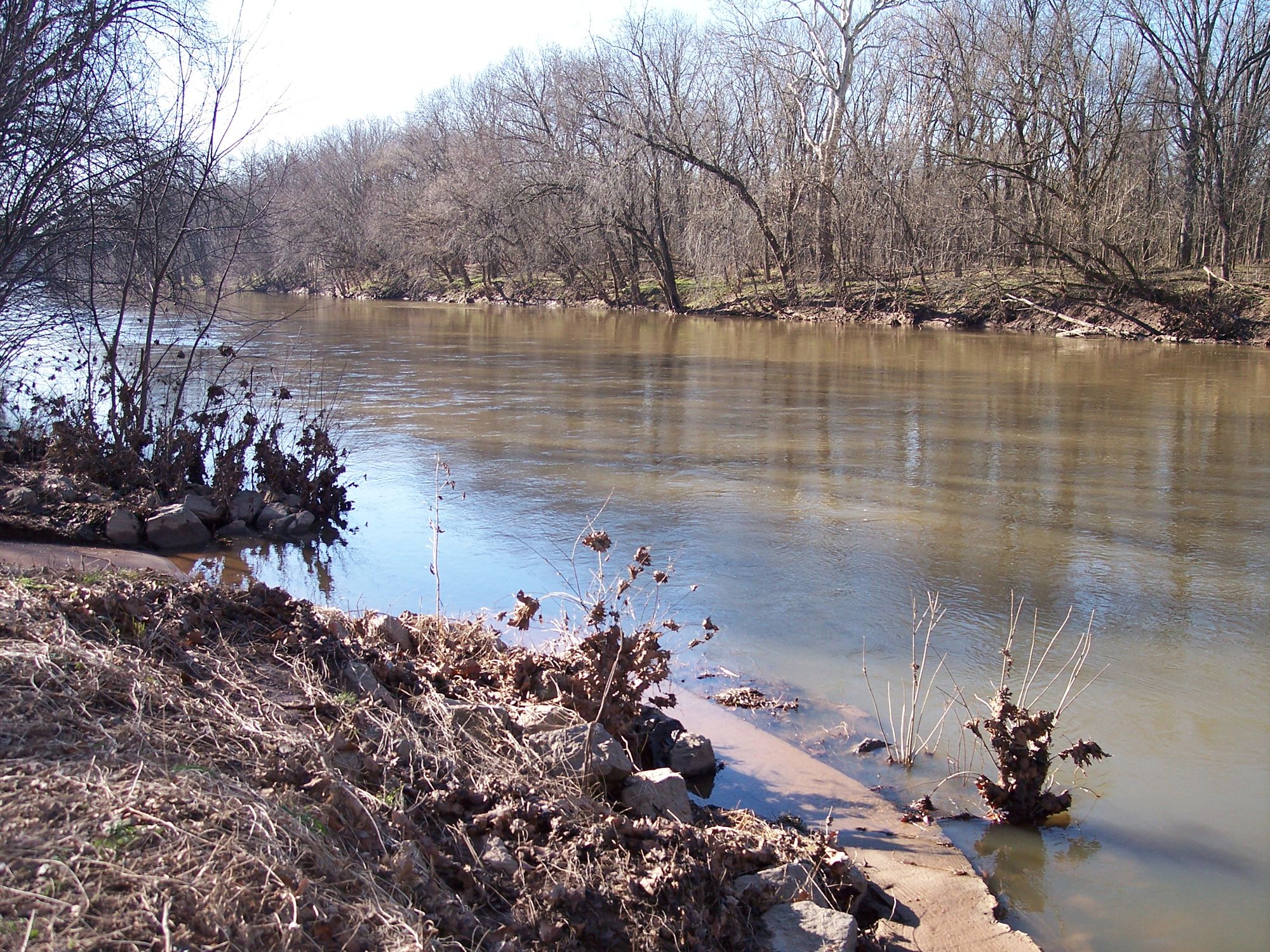
Monocacy River
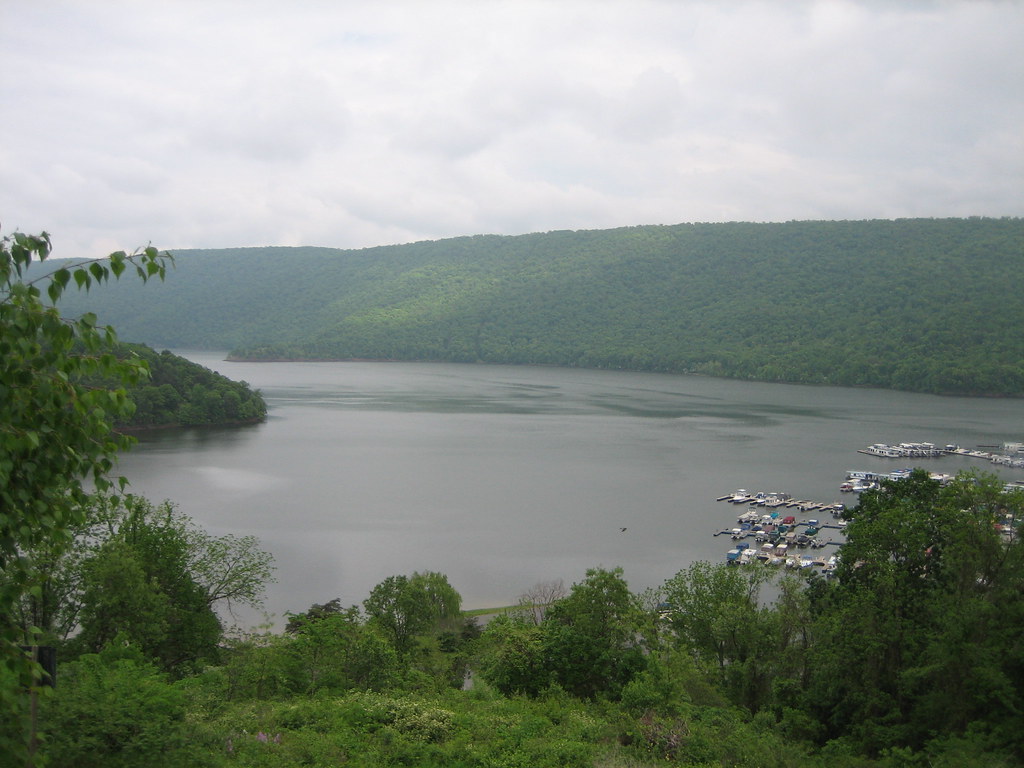
Raystown Lake
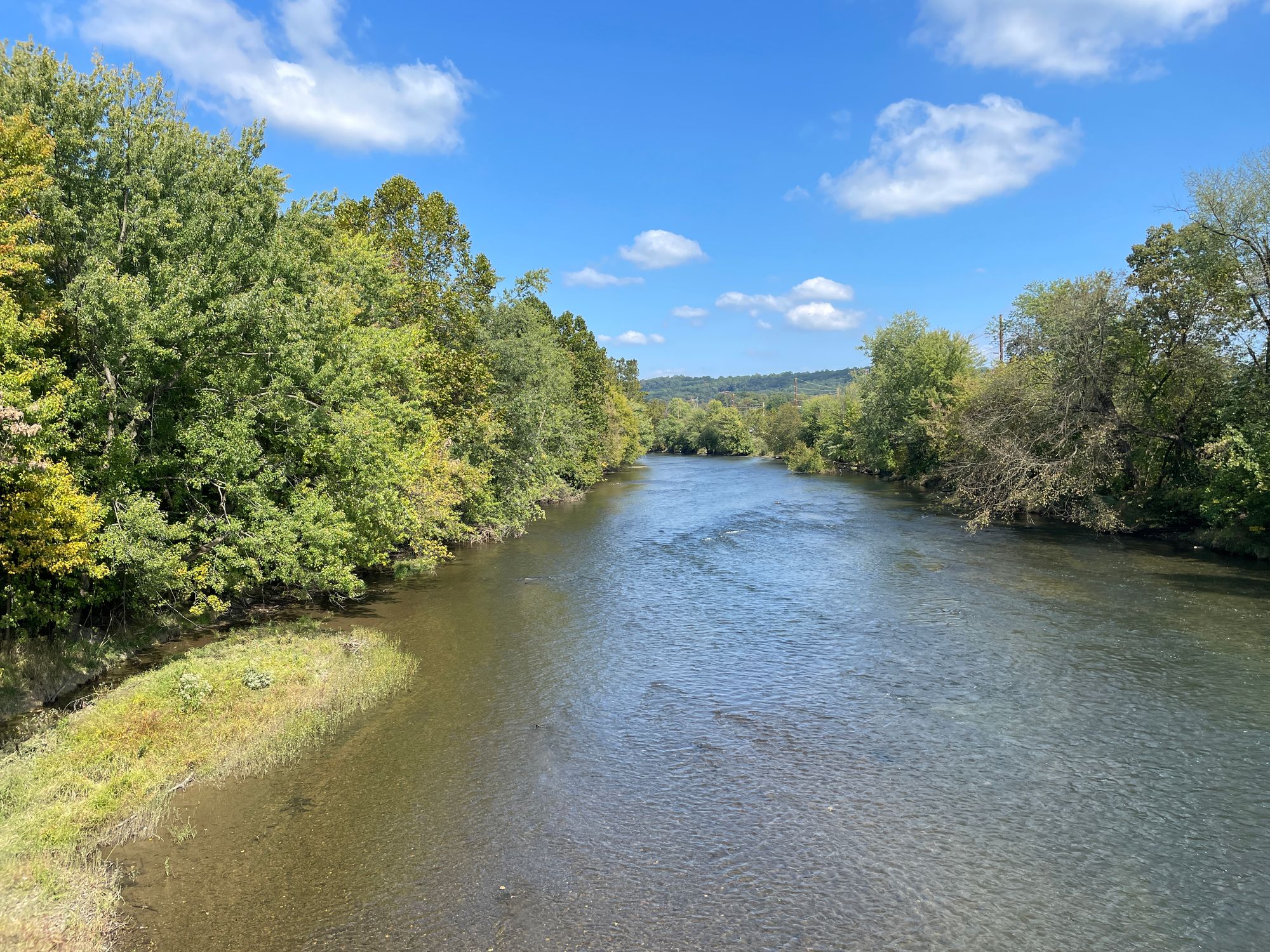
Swatara Creek
Codorus Creek
Penns Creek
What to know
Habitat Distribution
- Bluegill prefer shallow weedy areas of lakes and ponds, slow-moving sections of rivers and streams.
- They generally occur at lower densities in rivers and streams compared to lakes and reservoirs.
Key Locations
- Green Lane Reservoir, Deep Creek Lake, Knight Lake, and throughout the Perkiomen Creek.
- Most natural warm-water lakes and man-made reservoirs in Pennsylvania contain self-sustaining bluegill populations.
Specific Spots
- Target shallow areas with aquatic vegetation, areas around docks, fallen logs, submerged stumps, and brush piles.
- In summer, adults move to deeper open water but can be found in shaded areas during the day, moving to shallows to feed in early morning and evening.
Bluegill FAQ
Answers from onWater's species guide.
What are the best lures and bait for Bluegill in Pennsylvania?
Red worms and nightcrawlers are top live baits, along with crickets, larvae, and grubs (popular in winter). Small jigs work excellently - use 1/32 ounce jigs with small plastic spiders or grubs, cutting down grub size to accommodate bluegill's small mouth.
What flies work for Bluegill in Pennsylvania?
Small floating poppers (chartreuse, blue, yellow), size 8-10 Woolly Buggers in olive or black, foam spiders in black/gray/brown, and Royal Coachman patterns. Terrestrial patterns work well due to bluegill's surface feeding habits.
When is the best time to fish for Bluegill in Pennsylvania?
Peak fishing occurs during spring and early summer from April through June. Fall provides the highest catch rates on rivers, while ice fishing catch rates on large reservoirs rival spring fishing success.
How do you catch Bluegill in Pennsylvania?
Use short strips or slow retrieves. Target shallow areas and use suction feeding knowledge - bluegill capture prey within 1.75 centimeters.
What do Bluegill eat?
Bluegill are omnivorous feeders that consume aquatic insect larvae (mayflies, caddisflies, dragonflies), terrestrial insects, zooplankton, small crustaceans, snails, small fish like minnows, and even aquatic vegetation when other food is scarce. During summer months, they consume up to 3.2% of their body weight daily.
Fish smarter with real-time insights
Whether you're en route and conditions shift or you're looking for the best spot based on current flows, we enable you to make informed decisions on the fly.




See it in the app
Most maps show you water.
onWater shows you Bluegill.



- 01 · Species map filter
Map every Bluegill water
Pick Bluegill and the map zeroes in on the waters they call home. No more guessing which lake holds them.
- 02 · Waterbody species
Tap any water. See what lives there.
Species, behavior and seasonal patterns for every lake, river and pond, before you leave the driveway.
- 03 · Angler Intelligence
Ask how to catch Bluegill
Tactics, gear and timing from onWater's AI fishing guide, tuned to the species and the water you're on.
Stop guessing where Bluegill are.
Open the map, filter by Bluegill, and head to water that holds them. Download onWater and plan your next trip in minutes.
- Species map filter
- Angler Intelligence
- Fishing journal
Explore other species
Trout, bass, salmon, panfish and everything in between. Each guide unpacks the behavior, seasons, and tactics that put fish in the net.
No species information available.
Pennsylvania licenses and regulations
Explore nearby waters
Explore Pennsylvania waters
Top fishing waters
Popular Cities
Loading popular cities...

Smarter Fishing Starts in the App.
onWater Fish gives you everything you need to plan smarter, fish better, and own every trip from first cast to last.