Walleye

Walleye are not native to Oklahoma but have become established throughout the state since introductions began in the early 1950s at Canton and Tenkiller lakes.
These members of the perch family (Percidae) are now found statewide in most large lakes and river systems, with the best populations concentrated in the western half of the state.
- Adult walleye are identified by their spiny dorsal fin which has no spots, distinguishing them from sauger (which have distinct spots) and saugeye hybrids (which have spots and bars in the webbing).
- Walleye have unique light-gathering eye structures.
Fishing in Oklahoma
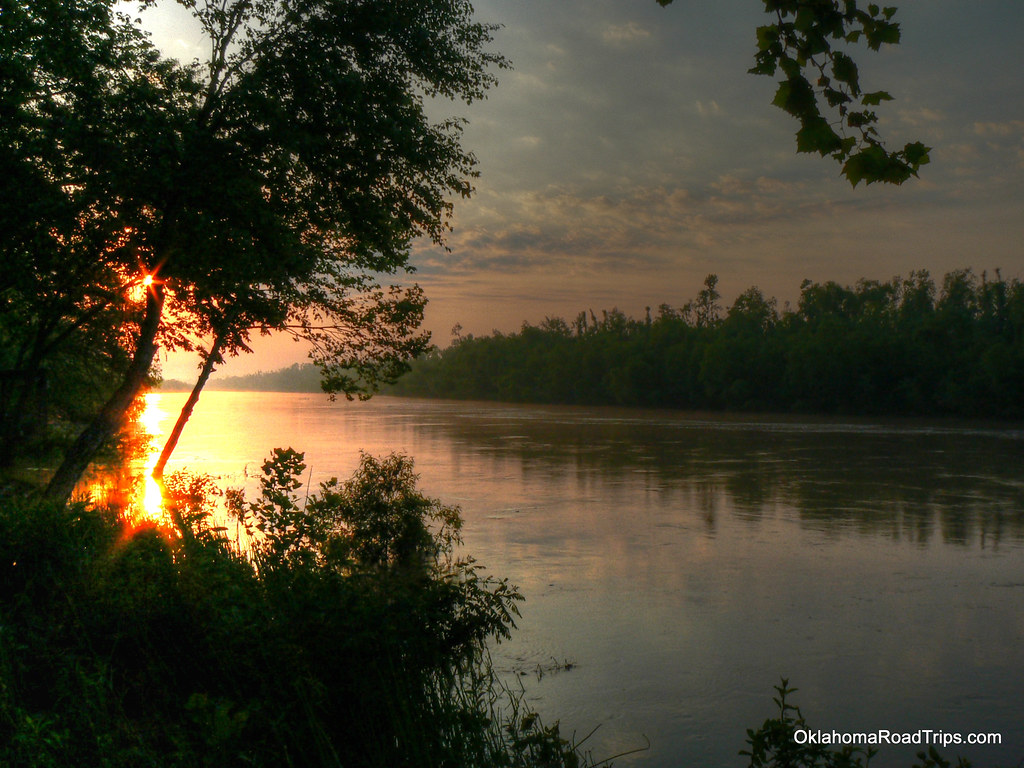
North Canadian River
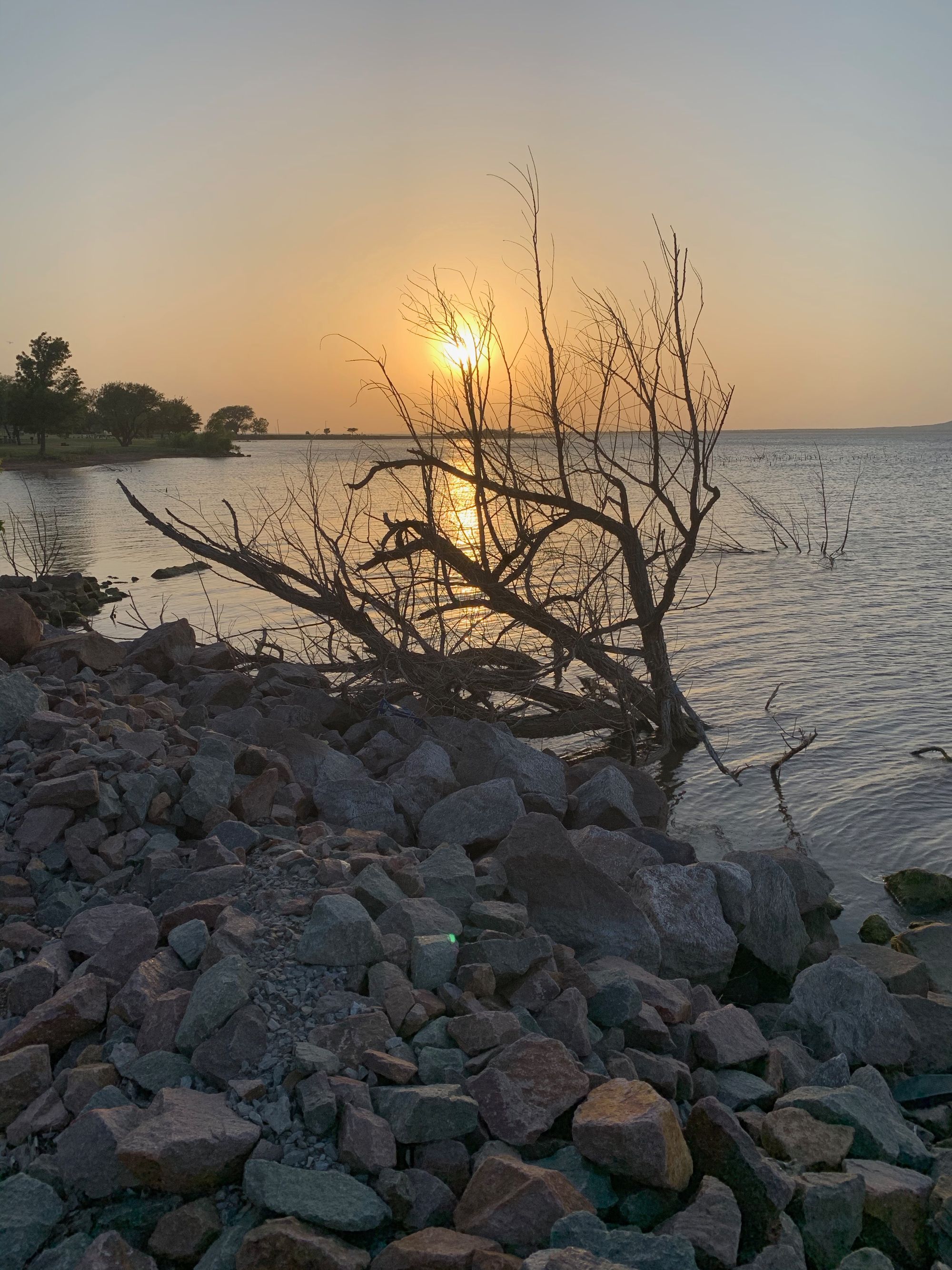
Lake Thunderbird
Canadian River
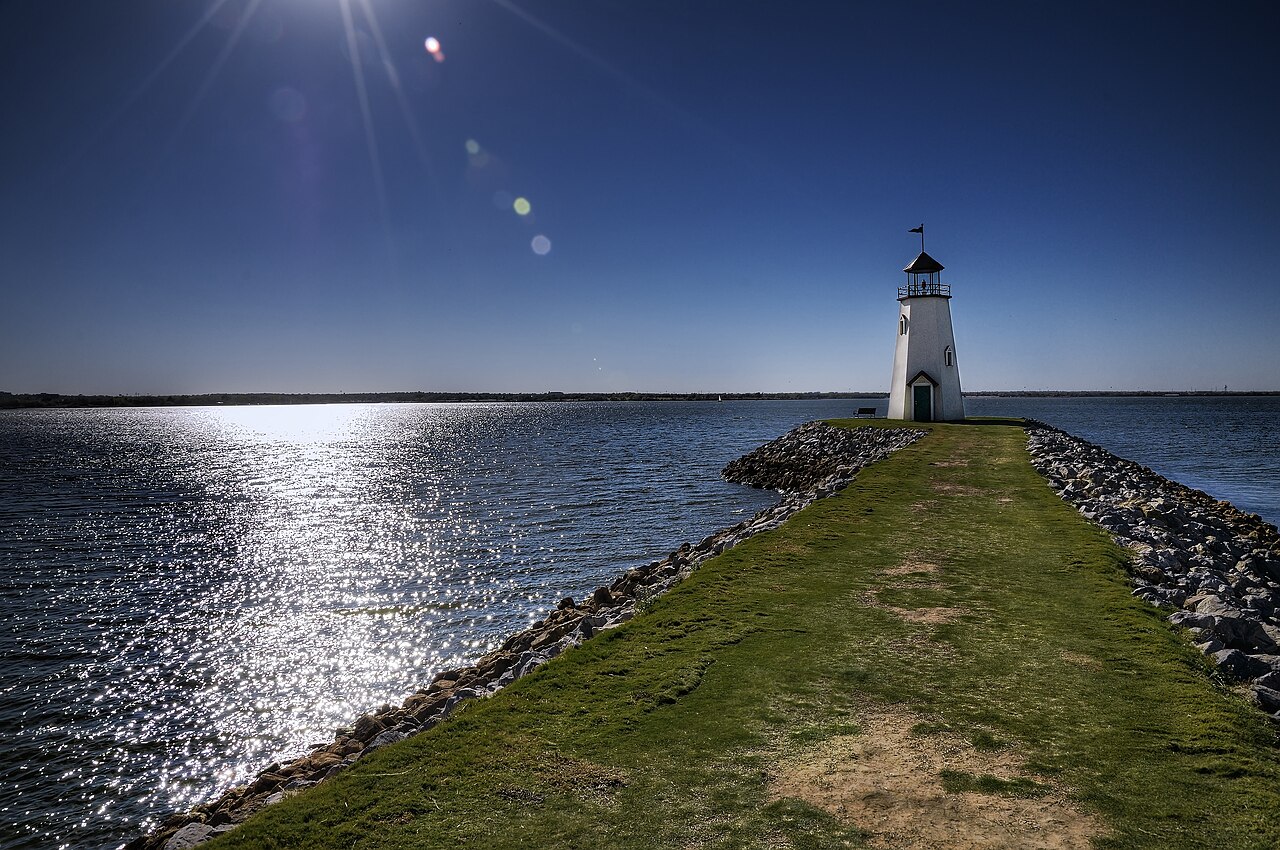
Lake Hefner
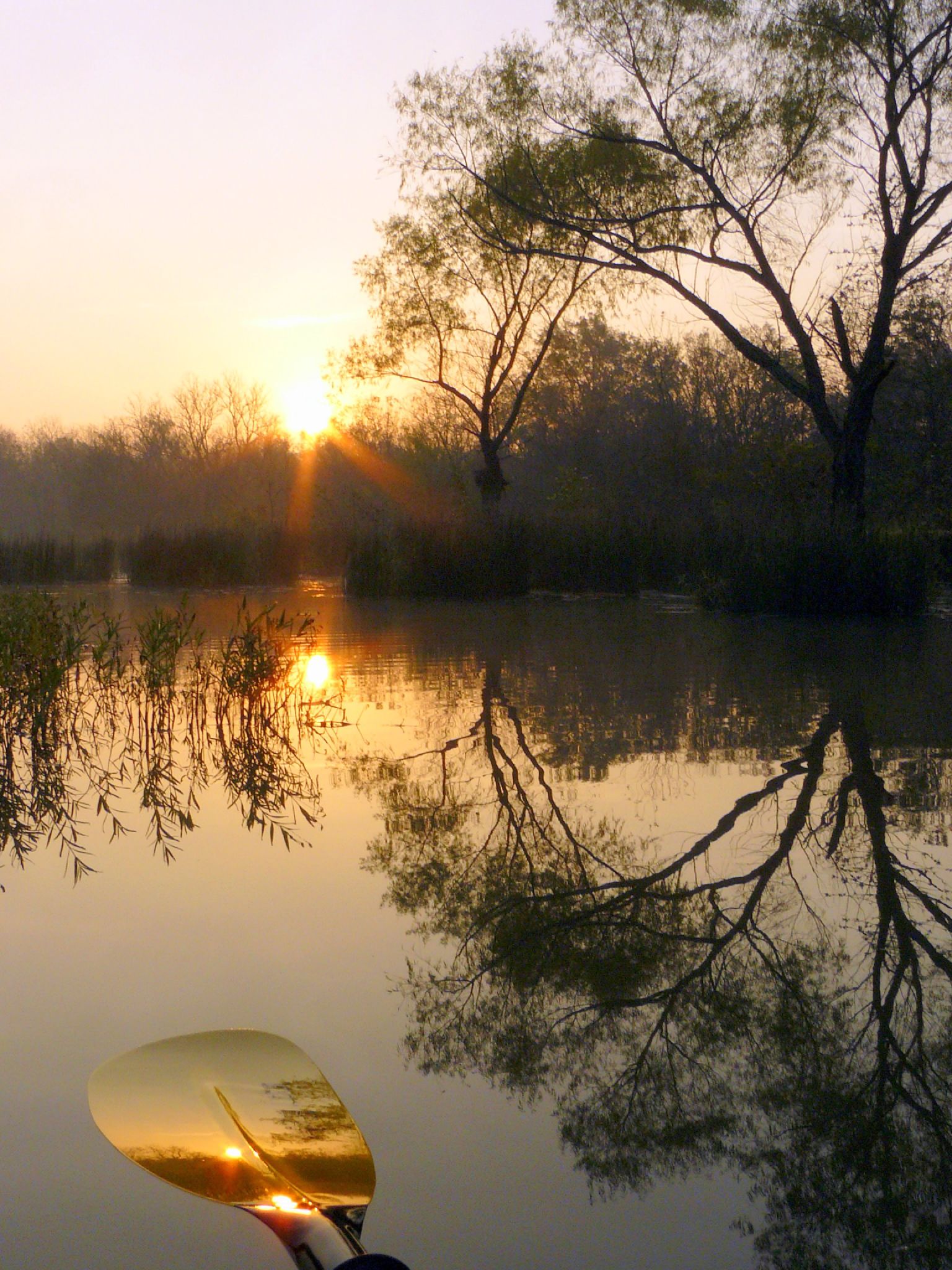
Deep Fork
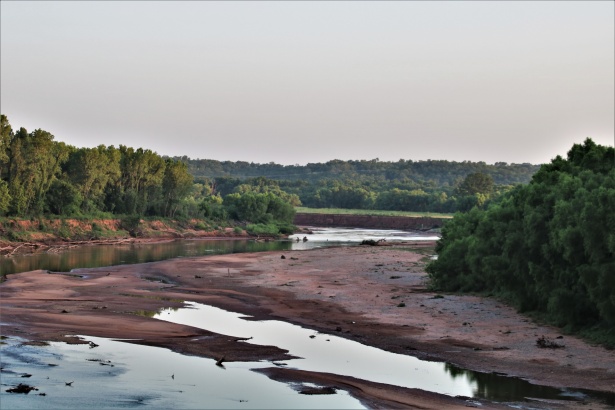
Washita River
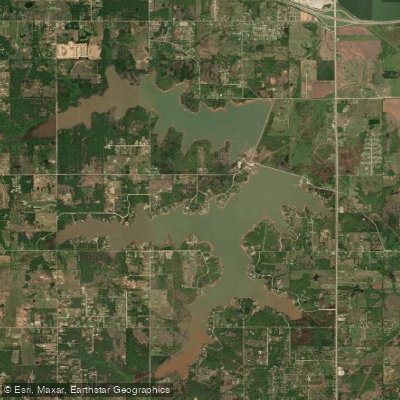
Shawnee Reservoir
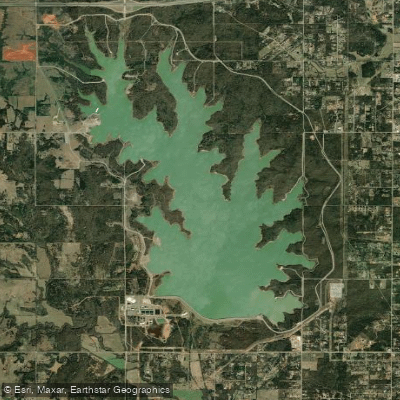
Stanley Draper Lake
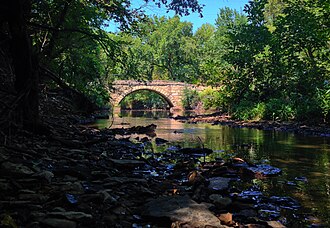
Polecat Creek
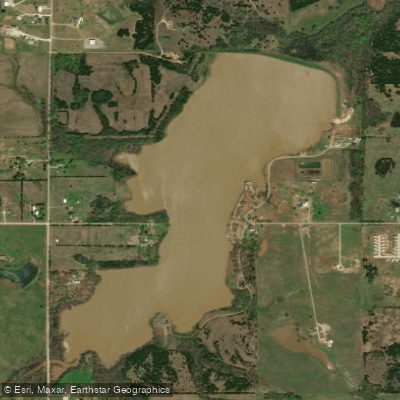
Tecumseh Lake
What to know
Habitat Distribution
- Found statewide in most large lakes and river systems, with the best populations concentrated in the western half of the state.
Key Locations
- Canton and Tenkiller lakes, Waurika Lake, Lake Hefner, Lake Thunderbird.
- Oklahoma also stocks saugeye in many lakes including Atoka, Bluestem, Carl Blackwell, Fort Cobb, Great Salt Plains, Lake Thunderbird, Sooner, Tom Steed, and Waurika.
Specific Spots
- They congregate near the bottom on sand bars, ledges, and drop-offs, preferring hard structure transition areas near windswept shorelines and points.
- Target rocky shorelines, drop-offs, ledges, channel breaks, offshore humps, and grass flats.
- During summer months, they retreat to deeper main lake structures.
- Dam rip-rap areas.
Walleye FAQ
Answers from onWater's species guide.
What are the best lures and bait for Walleye in Oklahoma?
2-4 inch lipless crankbaits like Cotton Cordell Super Spot in Royal Shad, 3-5 inch lipped crankbaits such as Bandit Walleye Deep in Blue Shiner or Plasma, 3-5 inch jerkbaits like Bandit B-Shad in Popsicle, and 2-5 inch curly tail grubs like Zoom Fat Albert in June Bug paired with 1/8-1/2 ounce jig heads.
When is the best time to fish for Walleye in Oklahoma?
The prime walleye fishing season in Oklahoma runs from late February through April, with spawning occurring in early March (avoid fishing during active spawning). Late February and March are particularly productive. Lake Hefner produces well in March and November.
How do you catch Walleye in Oklahoma?
Key techniques emphasize maintaining bottom contact - once bait rises more than three feet off bottom, success drops significantly. Retrieve speeds should be slow, and trolling deep-diving crankbaits along shoreline drop-offs is highly effective. Use bottom-bouncing rigs like Lindy rigs.
What do Walleye eat?
Their diet consists of insects, larvae, nightcrawlers, crayfish, snails, leeches, and small fish.
Where do Walleye live in Oklahoma?
Found statewide in most large lakes and river systems, with the best populations concentrated in the western half of the state.
Fish smarter with real-time insights
Whether you're en route and conditions shift or you're looking for the best spot based on current flows, we enable you to make informed decisions on the fly.




See it in the app
Most maps show you water.
onWater shows you Walleye.



- 01 · Species map filter
Map every Walleye water
Pick Walleye and the map zeroes in on the waters they call home. No more guessing which lake holds them.
- 02 · Waterbody species
Tap any water. See what lives there.
Species, behavior and seasonal patterns for every lake, river and pond, before you leave the driveway.
- 03 · Angler Intelligence
Ask how to catch Walleye
Tactics, gear and timing from onWater's AI fishing guide, tuned to the species and the water you're on.
Stop guessing where Walleye are.
Open the map, filter by Walleye, and head to water that holds them. Download onWater and plan your next trip in minutes.
- Species map filter
- Angler Intelligence
- Fishing journal
Explore other species
Trout, bass, salmon, panfish and everything in between. Each guide unpacks the behavior, seasons, and tactics that put fish in the net.
No species information available.
Oklahoma licenses and regulations
Explore nearby waters
Explore Oklahoma waters
Top fishing waters
Popular Cities
Loading popular cities...

Smarter Fishing Starts in the App.
onWater Fish gives you everything you need to plan smarter, fish better, and own every trip from first cast to last.