Smallmouth Buffalo

Smallmouth Buffalo are native bottom-feeding fish found throughout Oklahoma's reservoirs and rivers. These hardy catostomid fish are among North America's longest-lived species, with specimens in Oklahoma reaching 62+ years and weights exceeding 30 pounds.
Scientific Name: Ictiobus bubalus
- They're characterized by their stocky build with a pronounced hump, bronze to slate olive coloration, small ventral mouth, and lack of barbels (unlike carp).
Fishing in Oklahoma
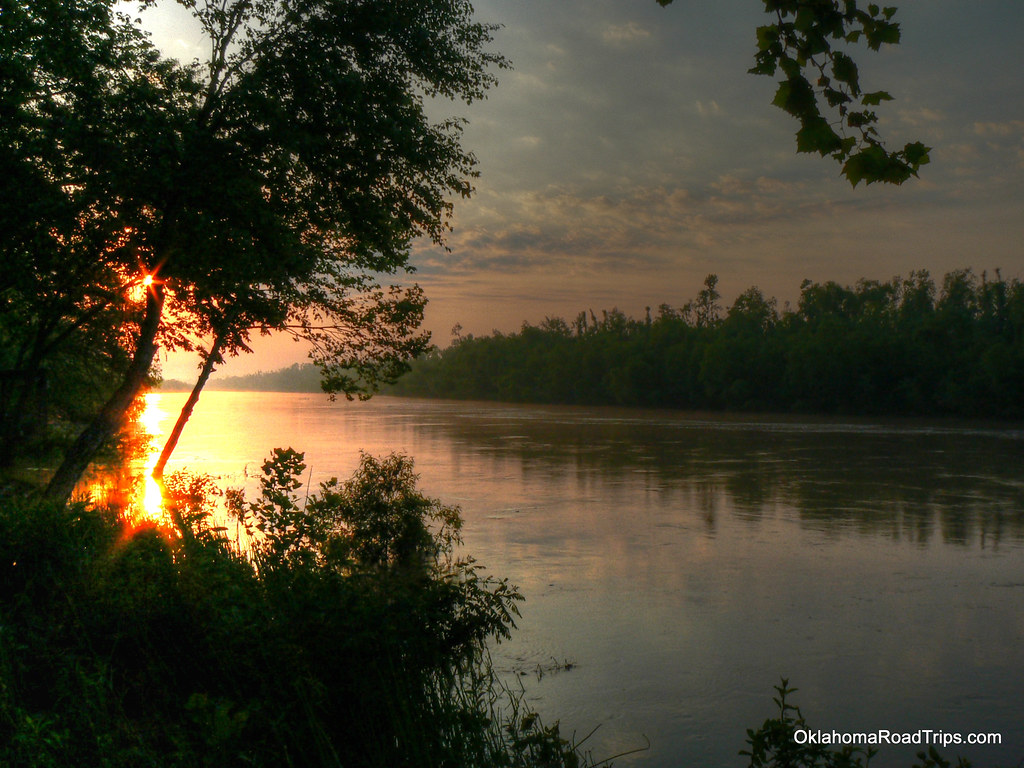
North Canadian River
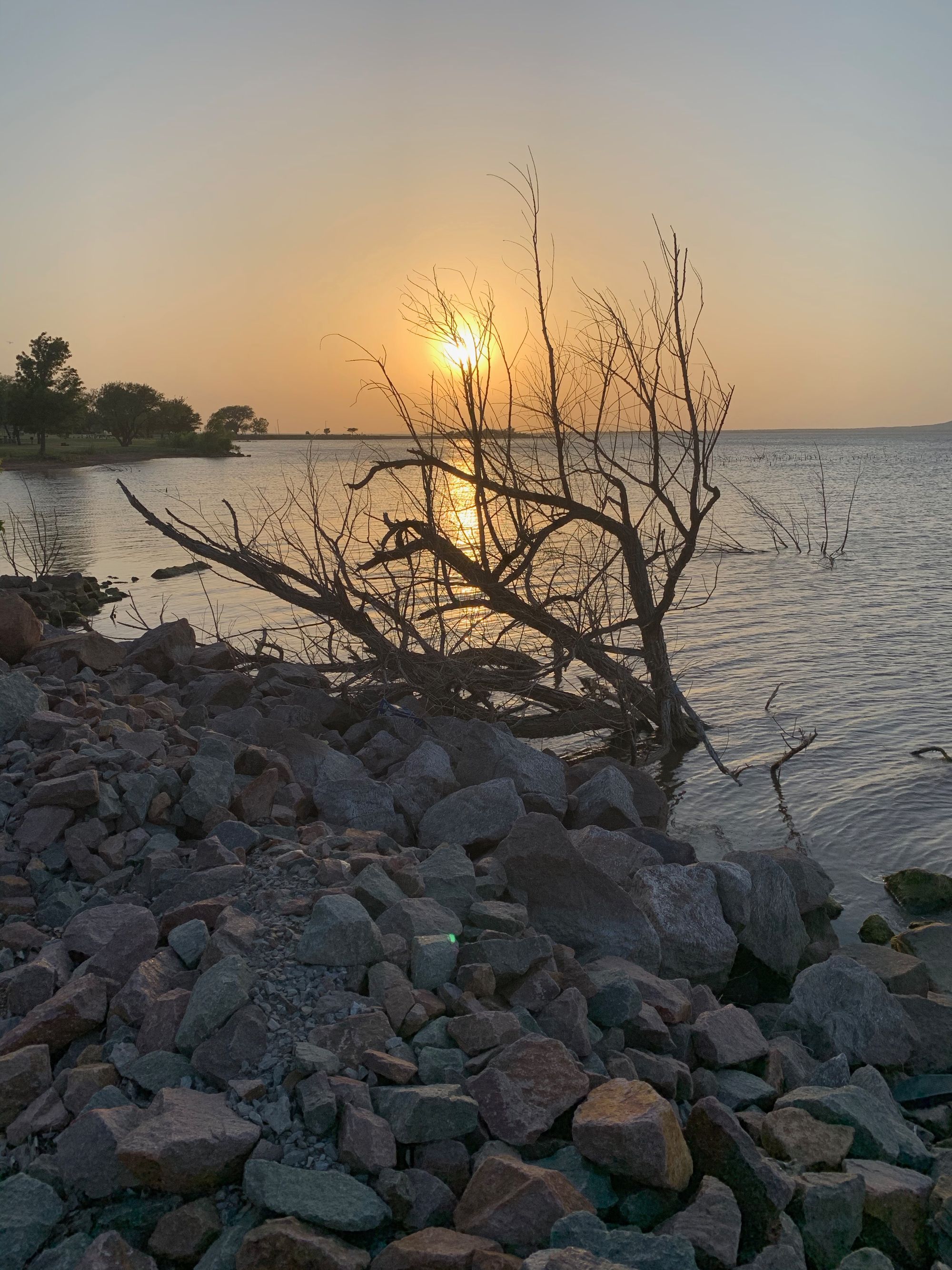
Lake Thunderbird
Canadian River
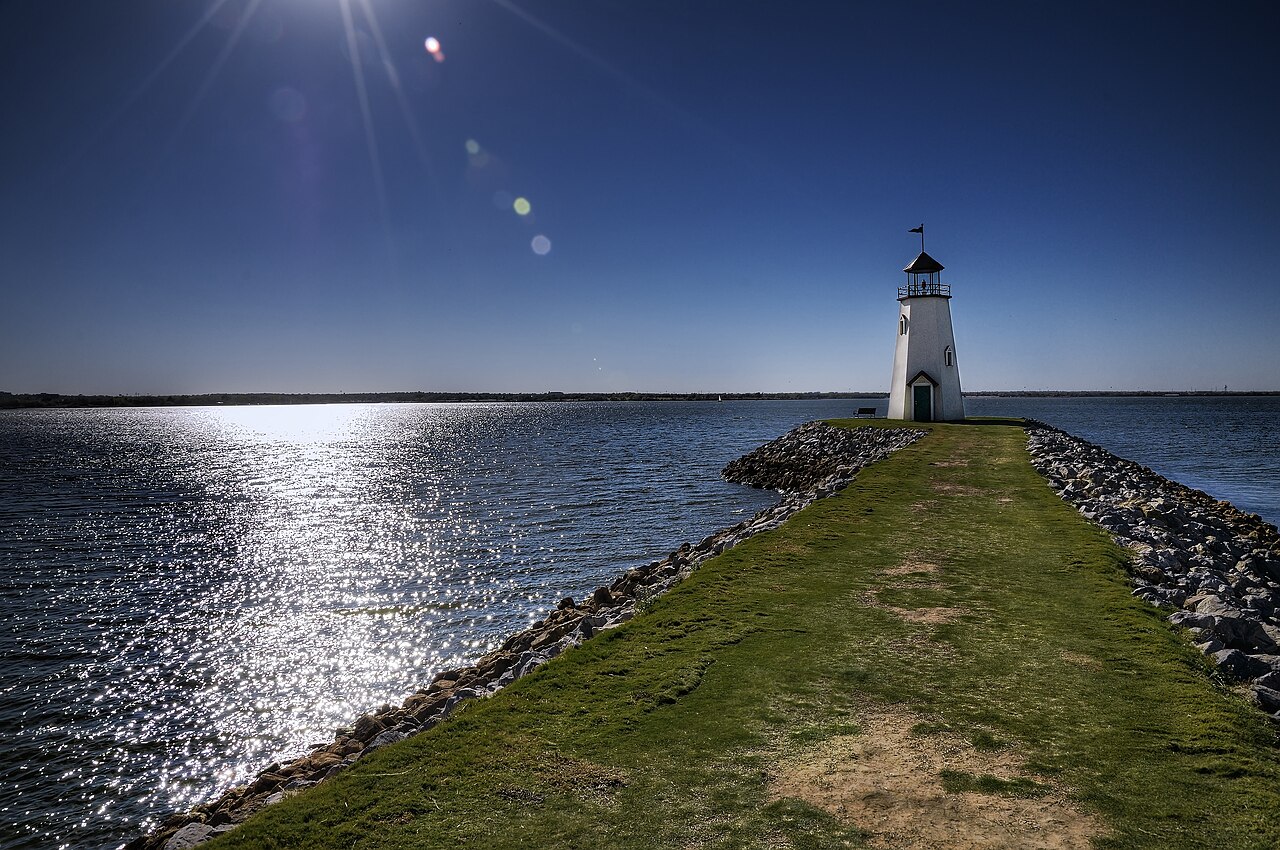
Lake Hefner
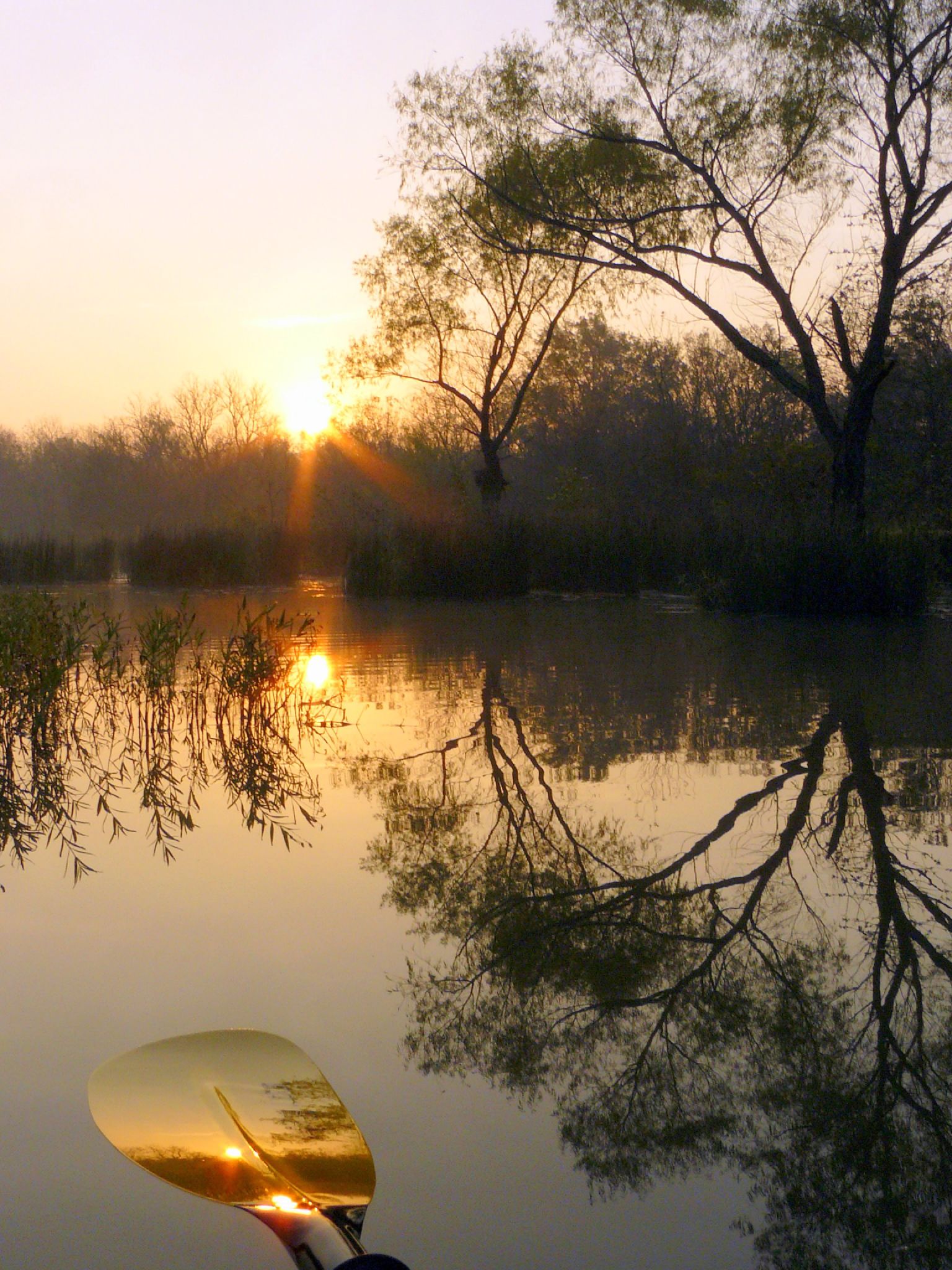
Deep Fork
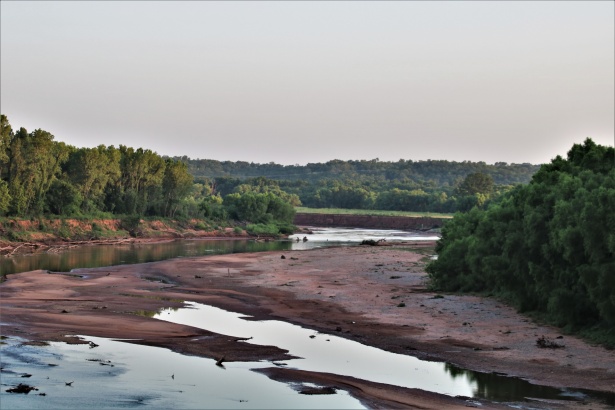
Washita River
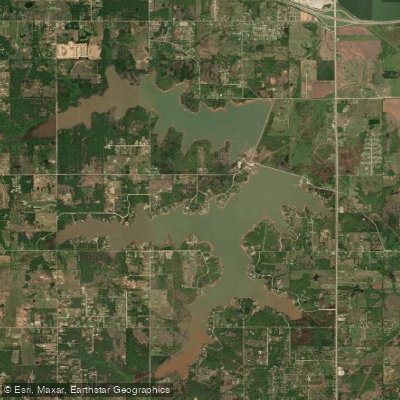
Shawnee Reservoir
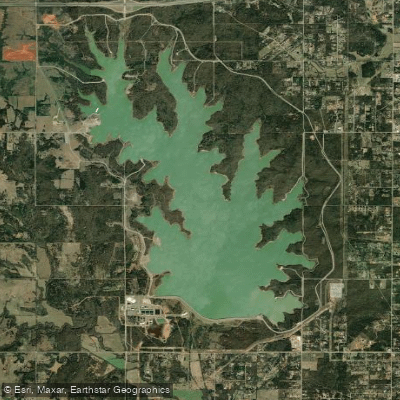
Stanley Draper Lake
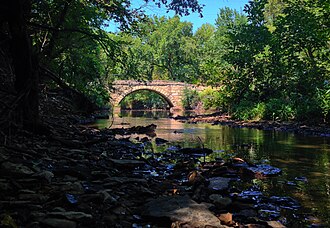
Polecat Creek
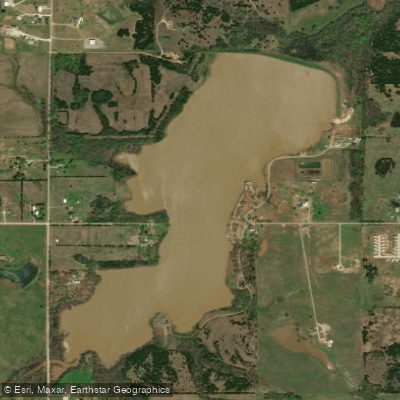
Tecumseh Lake
What to know
Habitat Distribution
- Found throughout Oklahoma's reservoirs and rivers.
Key Locations
- Grand Lake, Fort Gibson, Lake Texoma, Eufaula Reservoir, Broken Bow Lake, Kaw Lake, Keystone Lake, Arkansas River system, Illinois River, and numerous state reservoirs.
Specific Spots
- In Oklahoma reservoirs, they're found in deeper pools, creek channels, dam areas, and transition zones with rapid depth changes.
- Focus on deeper holes, creek channels, dam riprap, areas with rapid depth changes, mud flats, and zones with abundant aquatic vegetation.
Smallmouth Buffalo FAQ
Answers from onWater's species guide.
What are the best lures and bait for Smallmouth Buffalo in Oklahoma?
Nightcrawlers, doughballs, corn, cut bait, or creep pellets (livestock feed secured with colored rubber bands).
What flies work for Smallmouth Buffalo in Oklahoma?
Carp crack patterns, woolly buggers, glo bugs, marabou jigs (1/100 oz), or small stonefly nymph imitations in olive/brown colors for clear water or bright pink/orange/chartreuse for stained water.
When is the best time to fish for Smallmouth Buffalo in Oklahoma?
Peak feeding periods in spring (March-April) and fall (October-December). Cooler months typically yield larger food volumes in their stomachs. Spawning occurs in late spring to early summer when water temperatures reach 62-65°F - avoid targeting fish during this reproductive period.
How do you catch Smallmouth Buffalo in Oklahoma?
Bottom fishing techniques work best - employ Carolina rigs with small hooks well-concealed in bait, as buffalo investigate baits cautiously before taking them. For fly fishing, present flies on or near the bottom with minimal movement - sometimes just a slight wiggle triggers takes.
What do Smallmouth Buffalo eat?
Smallmouth Buffalo are primarily detritivores and bottom feeders, consuming organic detritus (65%+ of diet), copepods, cladocera, chironomids, ostracods, algae, insect larvae, mollusk larvae, and small crustaceans.
Fish smarter with real-time insights
Whether you're en route and conditions shift or you're looking for the best spot based on current flows, we enable you to make informed decisions on the fly.




See it in the app
Most maps show you water.
onWater shows you Smallmouth Buffalo.



- 01 · Species map filter
Map every Smallmouth Buffalo water
Pick Smallmouth Buffalo and the map zeroes in on the waters they call home. No more guessing which lake holds them.
- 02 · Waterbody species
Tap any water. See what lives there.
Species, behavior and seasonal patterns for every lake, river and pond, before you leave the driveway.
- 03 · Angler Intelligence
Ask how to catch Smallmouth Buffalo
Tactics, gear and timing from onWater's AI fishing guide, tuned to the species and the water you're on.
Stop guessing where Smallmouth Buffalo are.
Open the map, filter by Smallmouth Buffalo, and head to water that holds them. Download onWater and plan your next trip in minutes.
- Species map filter
- Angler Intelligence
- Fishing journal
Explore other species
Trout, bass, salmon, panfish and everything in between. Each guide unpacks the behavior, seasons, and tactics that put fish in the net.
No species information available.
Oklahoma licenses and regulations
Explore nearby waters
Explore Oklahoma waters
Top fishing waters
Popular Cities
Loading popular cities...

Smarter Fishing Starts in the App.
onWater Fish gives you everything you need to plan smarter, fish better, and own every trip from first cast to last.