Northern Hogsucker
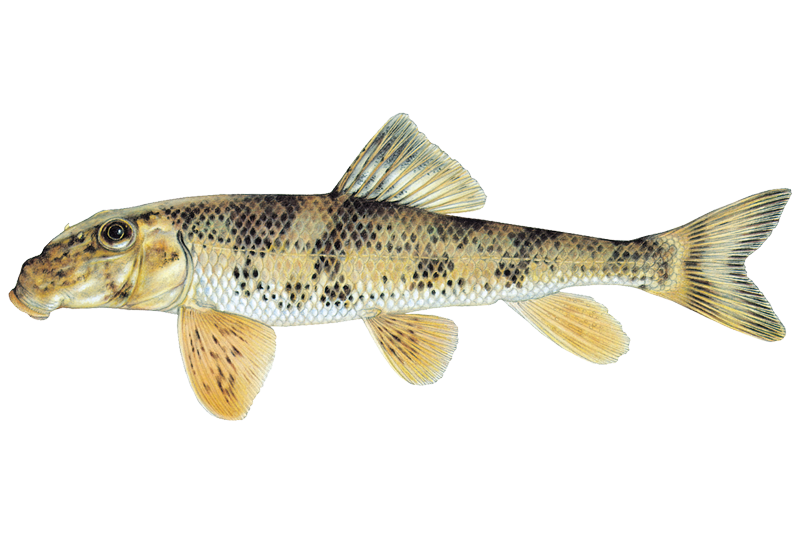
The Northern Hogsucker is a distinctive freshwater fish native to Oklahoma, belonging to the sucker family (Catostomidae).
The Oklahoma Wildlife Department identifies 16 species of native suckerfish in the state, with Northern Hog Suckers being one of the more specialized species.
Scientific Name: Hypentelium nigricans
- These fish are easily recognizable by their pronounced, fleshy subterminal mouth with prominent papillae, large head, narrow body, and mottled black markings over a light brown-white base.
- Northern Hog Suckers can reach lengths up to 2 feet and weigh over a pound.
Fishing in Oklahoma
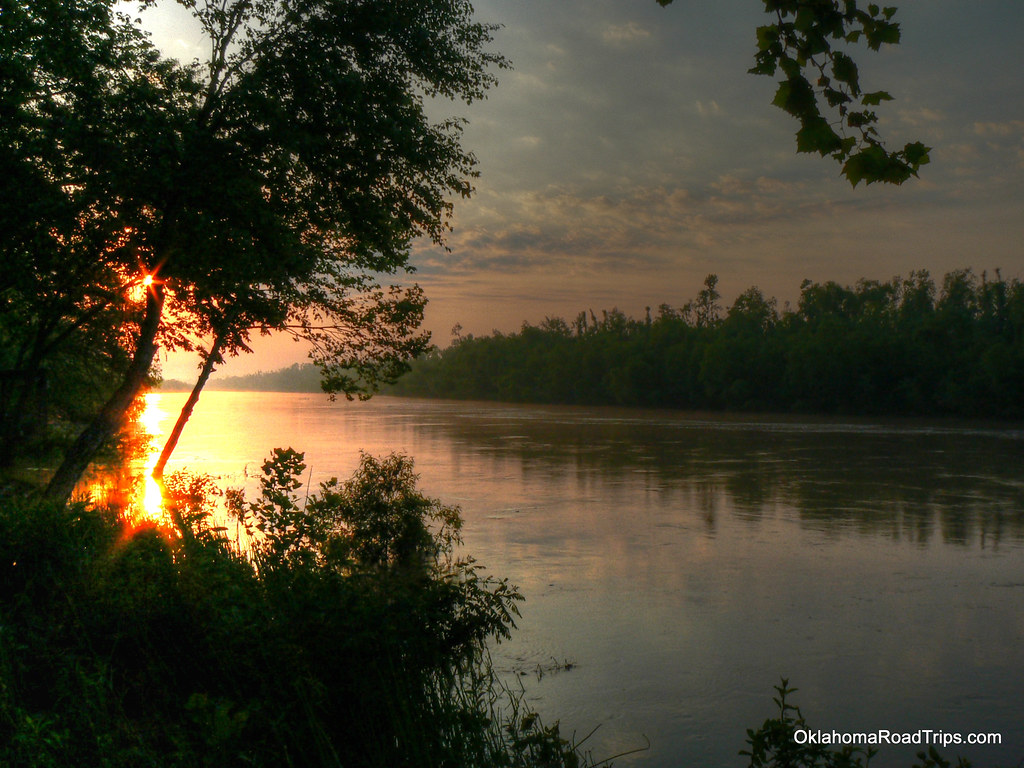
North Canadian River
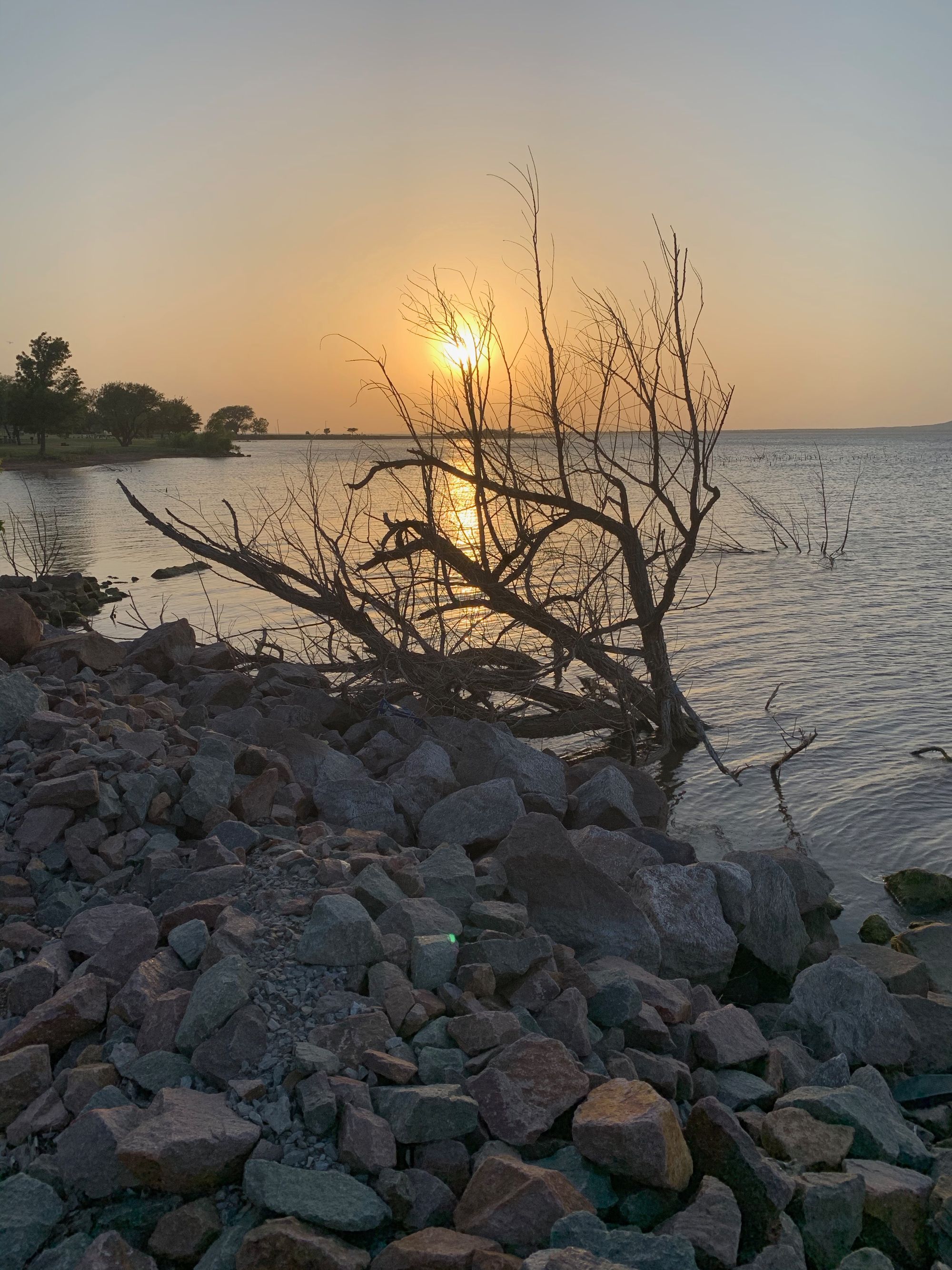
Lake Thunderbird
Canadian River
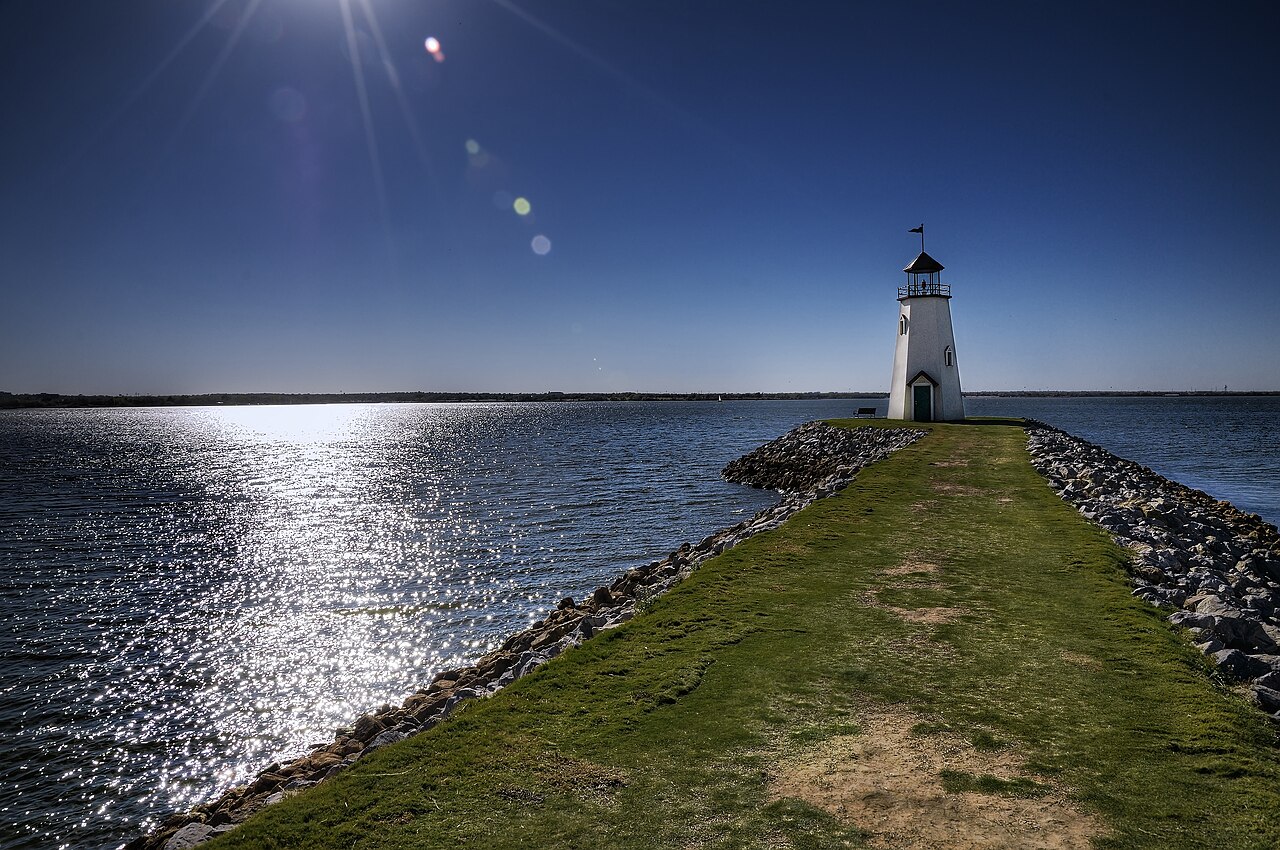
Lake Hefner
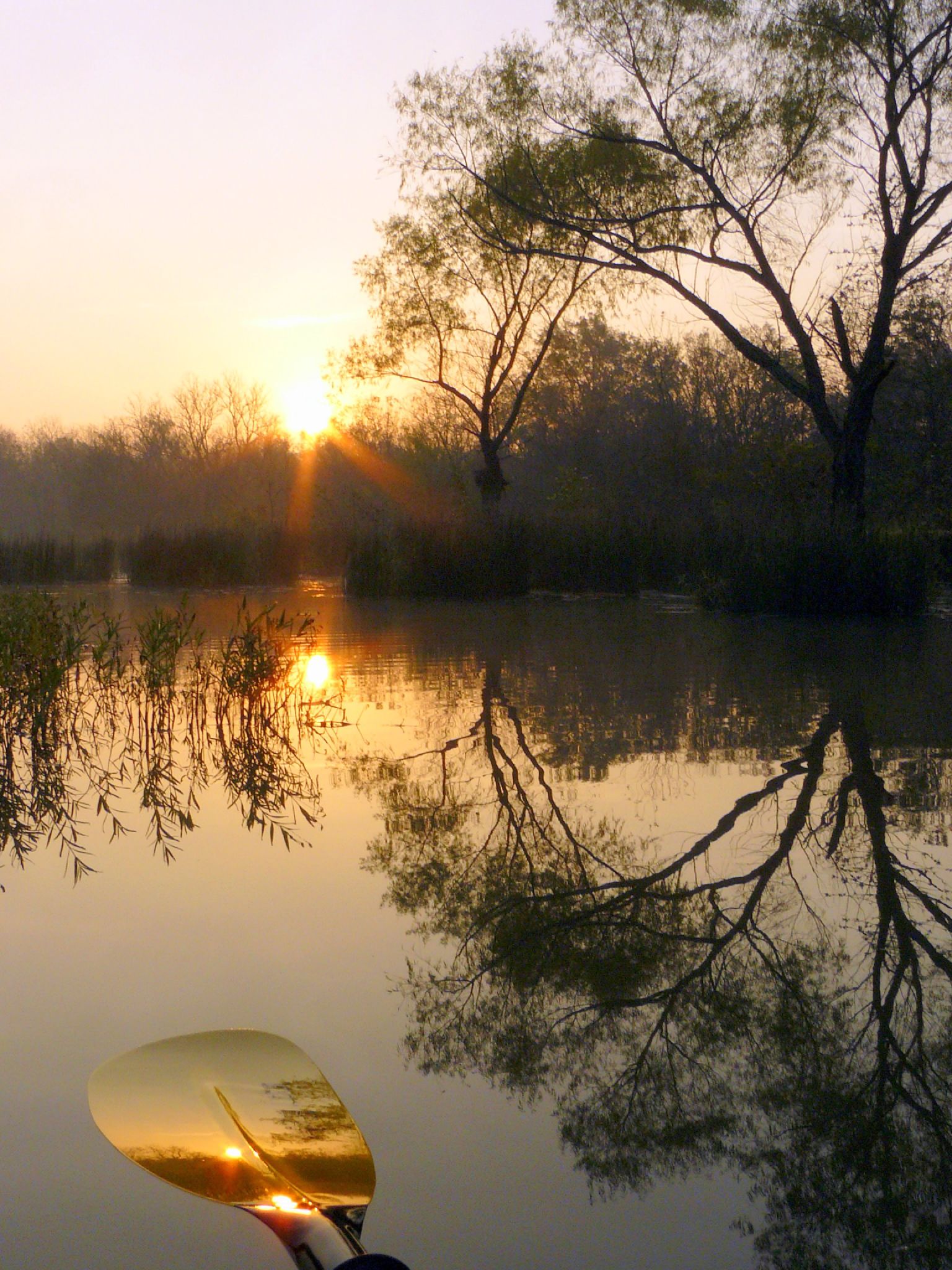
Deep Fork
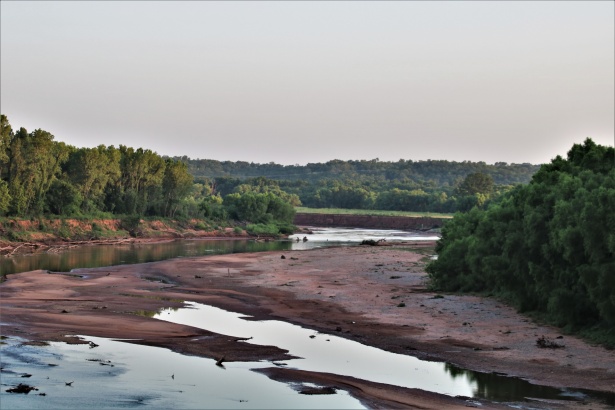
Washita River
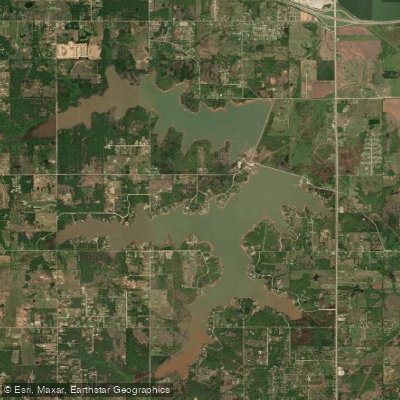
Shawnee Reservoir
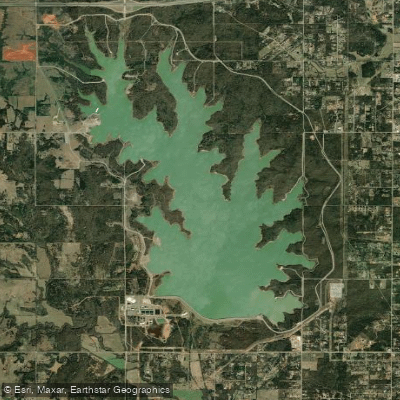
Stanley Draper Lake
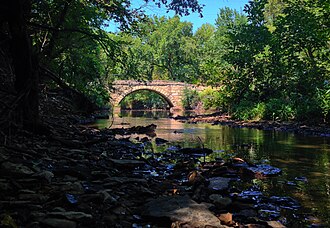
Polecat Creek
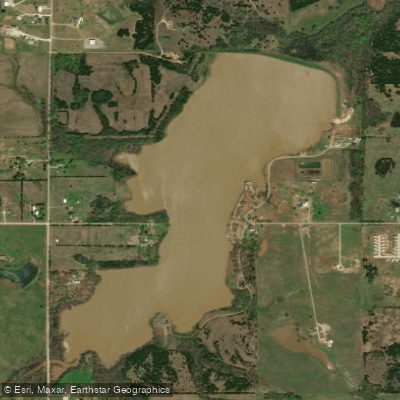
Tecumseh Lake
What to know
Habitat Distribution
- In Oklahoma, they inhabit rocky creeks and small rivers, particularly in the eastern half of the state, with populations most commonly associated with deep riffles in Ozark streams.
Key Locations
- Particularly in Cherokee County where the state record was caught from the Illinois River.
- The Illinois River system in Cherokee County and other Ozark streams in eastern Oklahoma provide the best habitat.
Specific Spots
- Focus on deep riffles in Ozark streams.
- Target areas with gravel and cobble bottoms where you can see them foraging, often turning over stones.
Northern Hogsucker FAQ
Answers from onWater's species guide.
What are the best lures and bait for Northern Hogsucker in Oklahoma?
Red worms or nightcrawlers on small hooks. Small soft plastics like Mini Trout Magnets.
What flies work for Northern Hogsucker in Oklahoma?
Fly patterns such as hare's ear nymphs. Streamers that imitate hogsuckers include Brown Sculpin, Black Marabou Sculpin, Grizzly Sculpin, and Cranford's Pandora's Box in Olive & Black.
When is the best time to fish for Northern Hogsucker in Oklahoma?
Most productive outside of their May spawning season, with late spring through early fall offering the best opportunities. They spawn in shallow water riffles during May when water temperatures reach about 59°F (15°C), making this a time to avoid targeting them.
How do you catch Northern Hogsucker in Oklahoma?
Live bait is the most effective approach - casting upstream and allowing the bait to drift naturally with the current or anchoring it lightly on the bottom with minimal weight. The key is getting your bait directly in front of or under the fish.
What do Northern Hogsucker eat?
These bottom-feeders use their downturned mouths to scrape material off rocks, turn over stones, and suck up loosened material containing insect larvae, crustaceans, mollusks, diatoms, and bits of vegetation.
Fish smarter with real-time insights
Whether you're en route and conditions shift or you're looking for the best spot based on current flows, we enable you to make informed decisions on the fly.




See it in the app
Most maps show you water.
onWater shows you Northern Hogsucker.



- 01 · Species map filter
Map every Northern Hogsucker water
Pick Northern Hogsucker and the map zeroes in on the waters they call home. No more guessing which lake holds them.
- 02 · Waterbody species
Tap any water. See what lives there.
Species, behavior and seasonal patterns for every lake, river and pond, before you leave the driveway.
- 03 · Angler Intelligence
Ask how to catch Northern Hogsucker
Tactics, gear and timing from onWater's AI fishing guide, tuned to the species and the water you're on.
Stop guessing where Northern Hogsucker are.
Open the map, filter by Northern Hogsucker, and head to water that holds them. Download onWater and plan your next trip in minutes.
- Species map filter
- Angler Intelligence
- Fishing journal
Explore other species
Trout, bass, salmon, panfish and everything in between. Each guide unpacks the behavior, seasons, and tactics that put fish in the net.
No species information available.
Oklahoma licenses and regulations
Explore nearby waters
Explore Oklahoma waters
Top fishing waters
Popular Cities
Loading popular cities...

Smarter Fishing Starts in the App.
onWater Fish gives you everything you need to plan smarter, fish better, and own every trip from first cast to last.