Channel Catfish

Channel catfish are Oklahoma's third most popular sportfish and the most abundant catfish species statewide, found in virtually every body of water including streams, ponds, lakes, and reservoirs.
Scientific Name: Ictalurus punctatus
- They're easily identified by their forked tail, curved anal fin with 27-29 rays, and grayish-brown coloration with small black spots on juveniles that fade with age.
- In Oklahoma's small impoundments studied from 2020-2022, channel catfish ranged from 25-657mm total length with weights from 10-3,470 grams, reaching 95% maturity at 419mm.
Fishing in Oklahoma
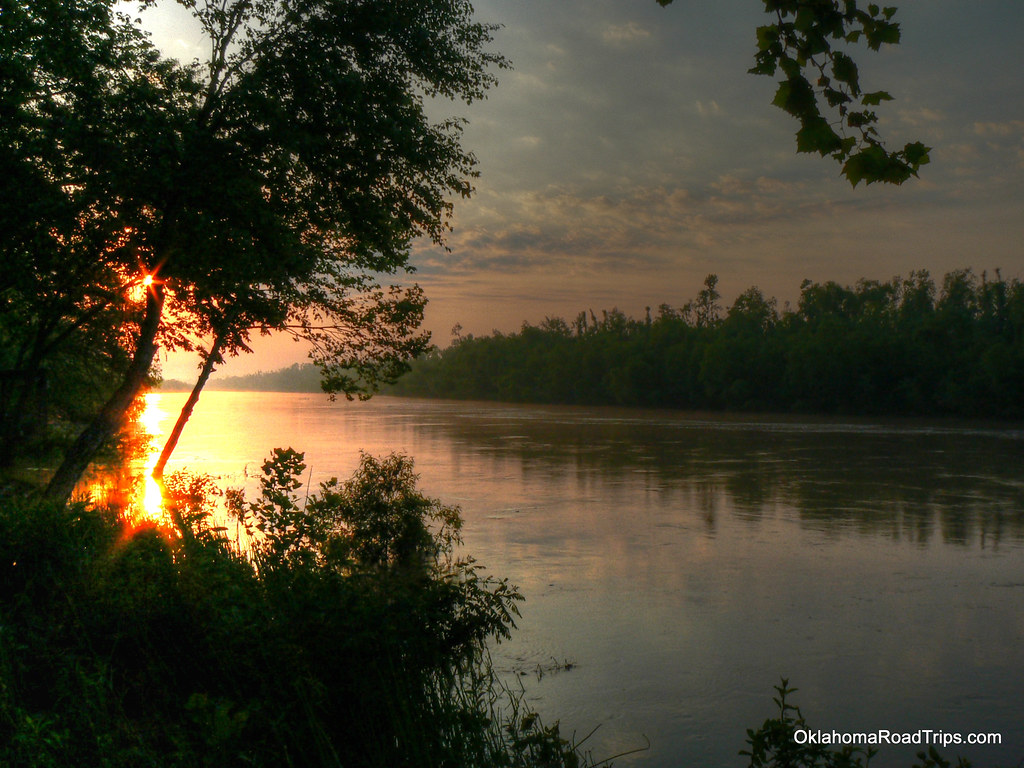
North Canadian River
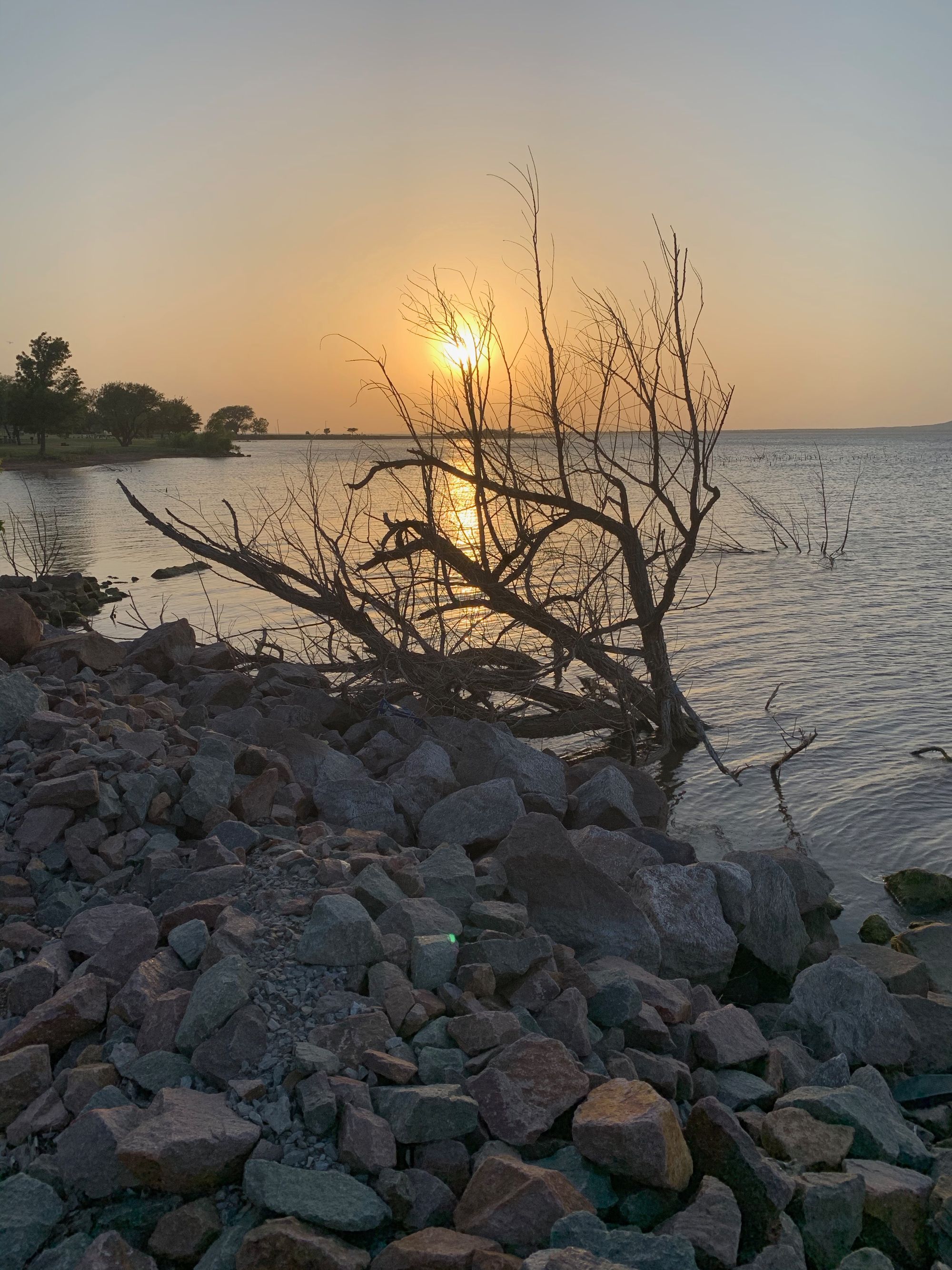
Lake Thunderbird
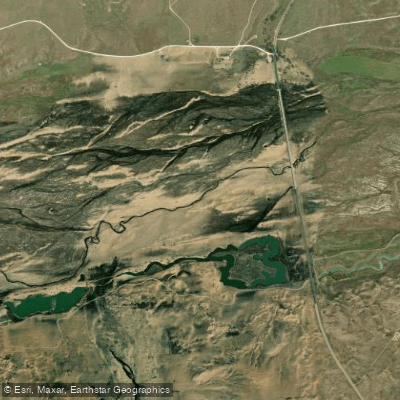
Canadian River
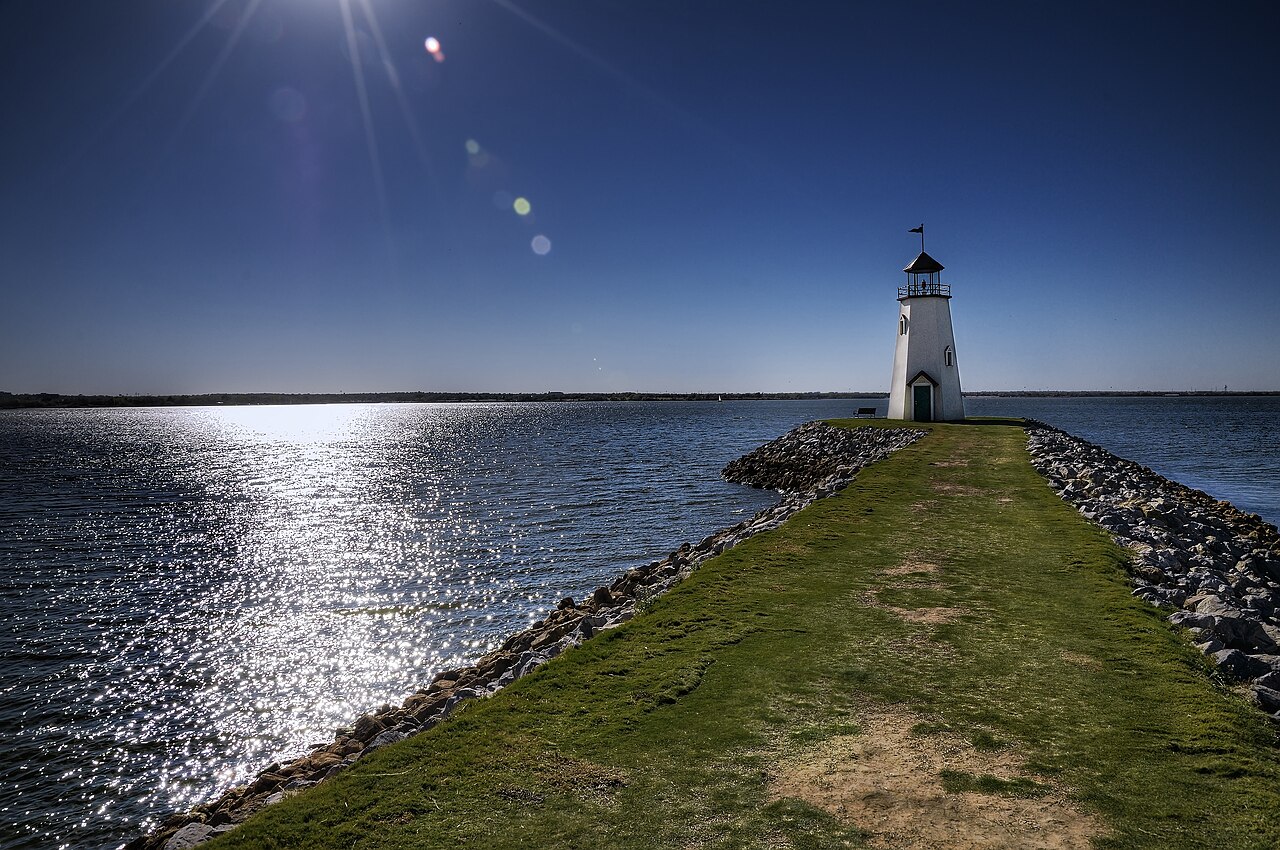
Lake Hefner
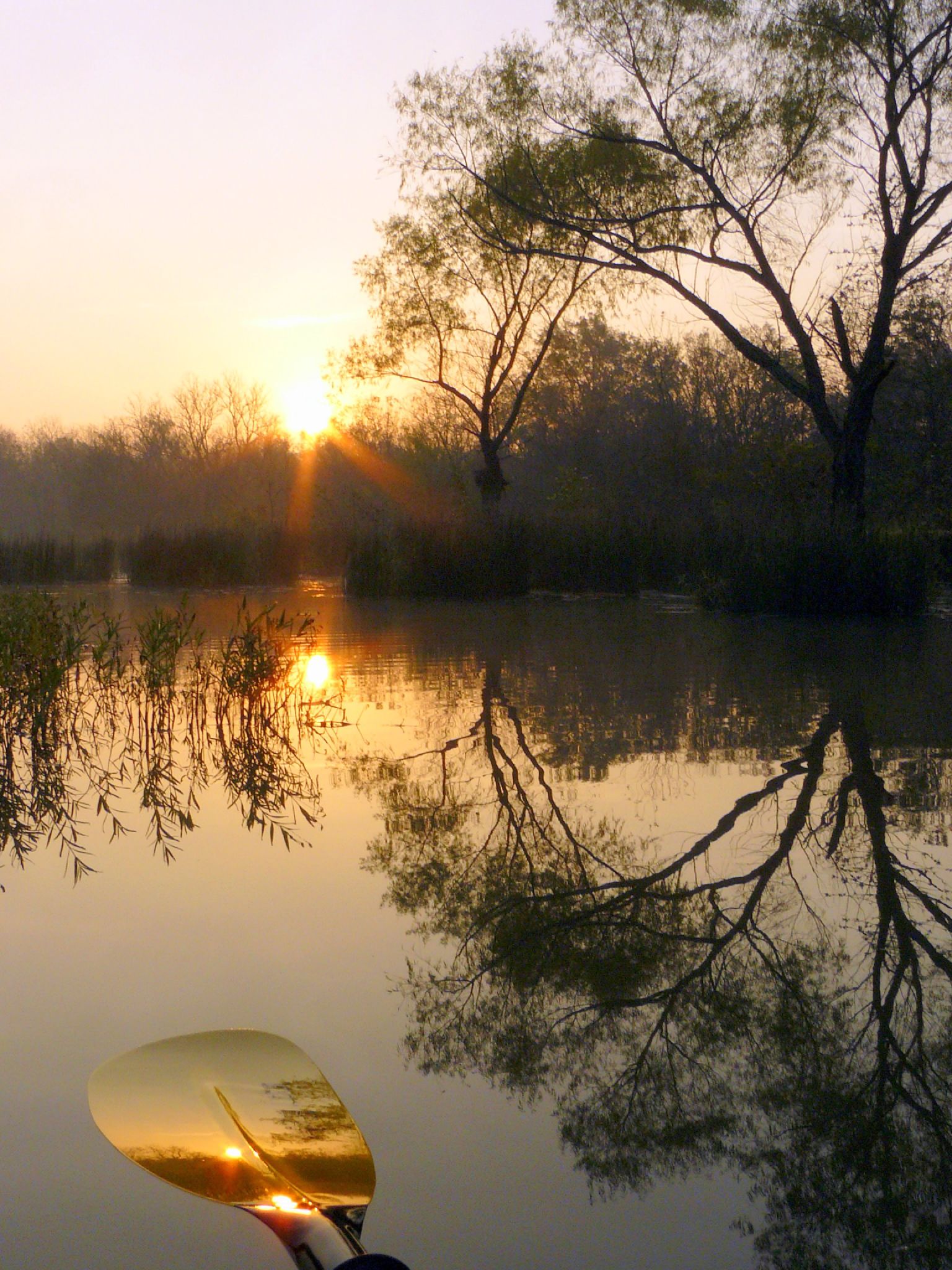
Deep Fork
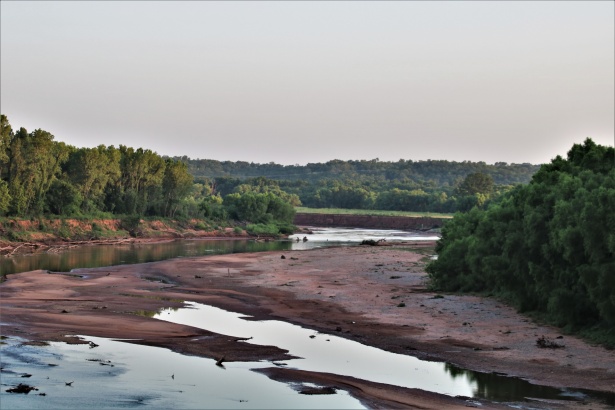
Washita River
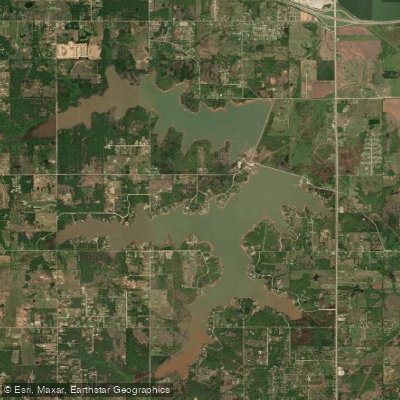
Shawnee Reservoir
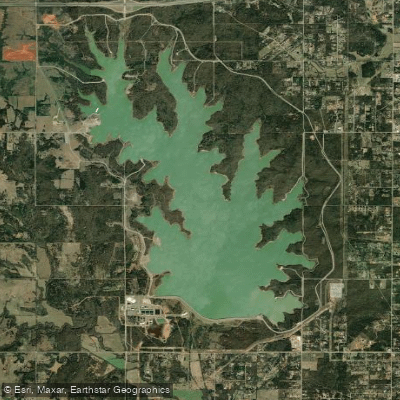
Stanley Draper Lake
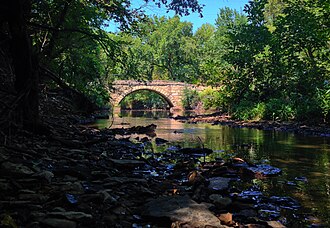
Polecat Creek
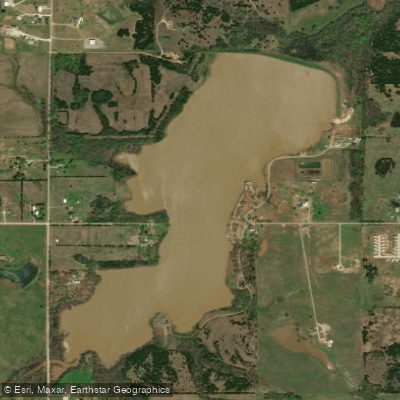
Tecumseh Lake
What to know
Habitat Distribution
- Found in virtually every body of water including streams, ponds, lakes, and reservoirs statewide.
Key Locations
- Productive locations include the riprap along Canton Lake dam during June spawning activity, creek channels at Lake Carl Blackwell, and the Canadian River cove areas.
Specific Spots
- Target dam riprap, creek channels, and areas with cover like standing timber or brush piles.
- They inhabit deeper pools and holes during the day, moving to shallow feeding areas at dusk and overnight.
- Adults prefer cover near larger pools while juveniles tolerate faster current and shallow water.
Channel Catfish FAQ
Answers from onWater's species guide.
What are the best lures and bait for Channel Catfish in Oklahoma?
Prepared baits (punch baits or fiber baits) are the most effective, particularly brands like CJ's Catfish Punch Bait, Team Catfish Sudden Impact Fiber Bait, and Sure Shot Catfish Punch Bait. Alternative baits include chicken liver, live worms, hot dogs, cut bluegill, and live minnows.
When is the best time to fish for Channel Catfish in Oklahoma?
The peak season runs from mid-May through early summer, though they can be caught year-round. Spawning occurs in late May through early July when water temperatures reach 75°F.
How do you catch Channel Catfish in Oklahoma?
Fish 3-5 feet below bobbers in summer, or use Carolina rigs with circle hooks and cut shad. Set the hook quickly when detecting bites, as channel catfish have light, tentative strikes and rarely return for second attempts.
What do Channel Catfish eat?
Channel cats are omnivorous scavengers that feed on fish (75% of diet for adults over 18 inches), mussels, snails, insects, crayfish, and organic matter both dead and alive. Primary forage includes gizzard shad, freshwater drum.
Where do Channel Catfish live in Oklahoma?
Found in virtually every body of water including streams, ponds, lakes, and reservoirs statewide.
Fish smarter with real-time insights
Whether you're en route and conditions shift or you're looking for the best spot based on current flows, we enable you to make informed decisions on the fly.




See it in the app
Most maps show you water.
onWater shows you Channel Catfish.



- 01 · Species map filter
Map every Channel Catfish water
Pick Channel Catfish and the map zeroes in on the waters they call home. No more guessing which lake holds them.
- 02 · Waterbody species
Tap any water. See what lives there.
Species, behavior and seasonal patterns for every lake, river and pond, before you leave the driveway.
- 03 · Angler Intelligence
Ask how to catch Channel Catfish
Tactics, gear and timing from onWater's AI fishing guide, tuned to the species and the water you're on.
Stop guessing where Channel Catfish are.
Open the map, filter by Channel Catfish, and head to water that holds them. Download onWater and plan your next trip in minutes.
- Species map filter
- Angler Intelligence
- Fishing journal
Explore other species
Trout, bass, salmon, panfish and everything in between. Each guide unpacks the behavior, seasons, and tactics that put fish in the net.
No species information available.
Oklahoma licenses and regulations
Explore nearby waters
Explore Oklahoma waters
Top fishing waters
Popular Cities
Loading popular cities...

Smarter Fishing Starts in the App.
onWater Fish gives you everything you need to plan smarter, fish better, and own every trip from first cast to last.