Bluegill
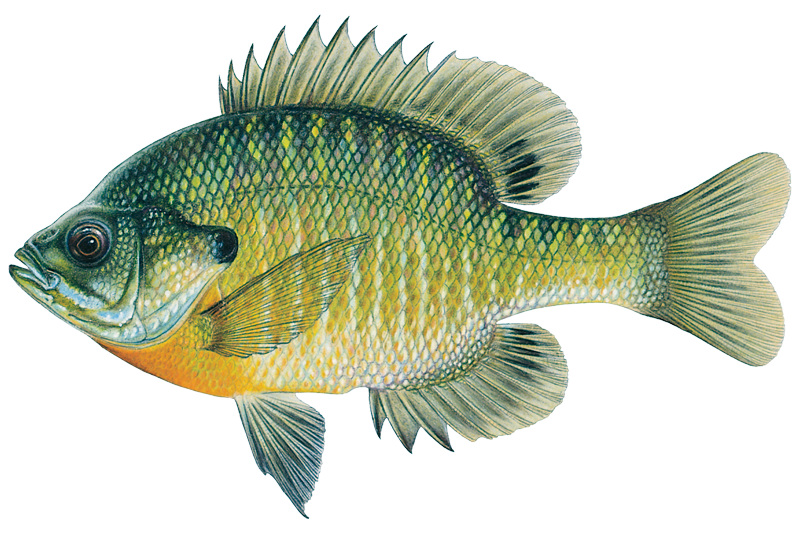
Bluegill are the most common fish in Oklahoma and can be found statewide in all types of water due to widespread hatchery stockings.
- They're a deep-bodied sunfish with a small mouth, distinctive black opercular (ear) flap, and a black spot at the rear base of the dorsal fin.
- These panfish seldom exceed 12 inches in length, with a one-pound fish considered large.
Fishing in Oklahoma
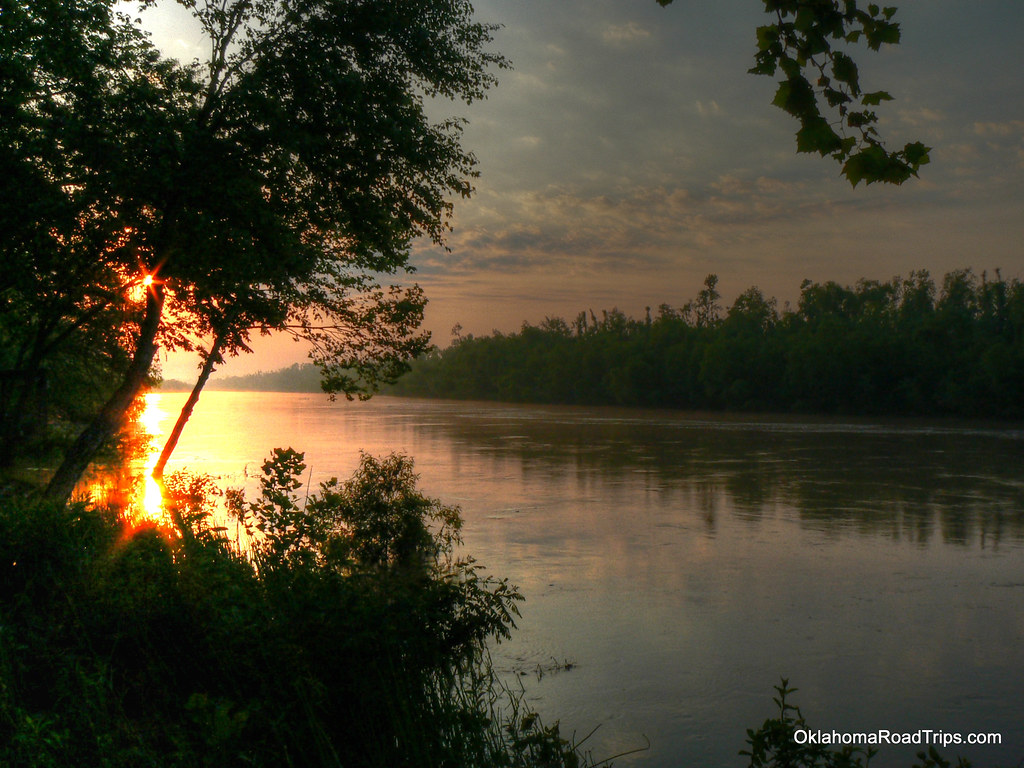
North Canadian River
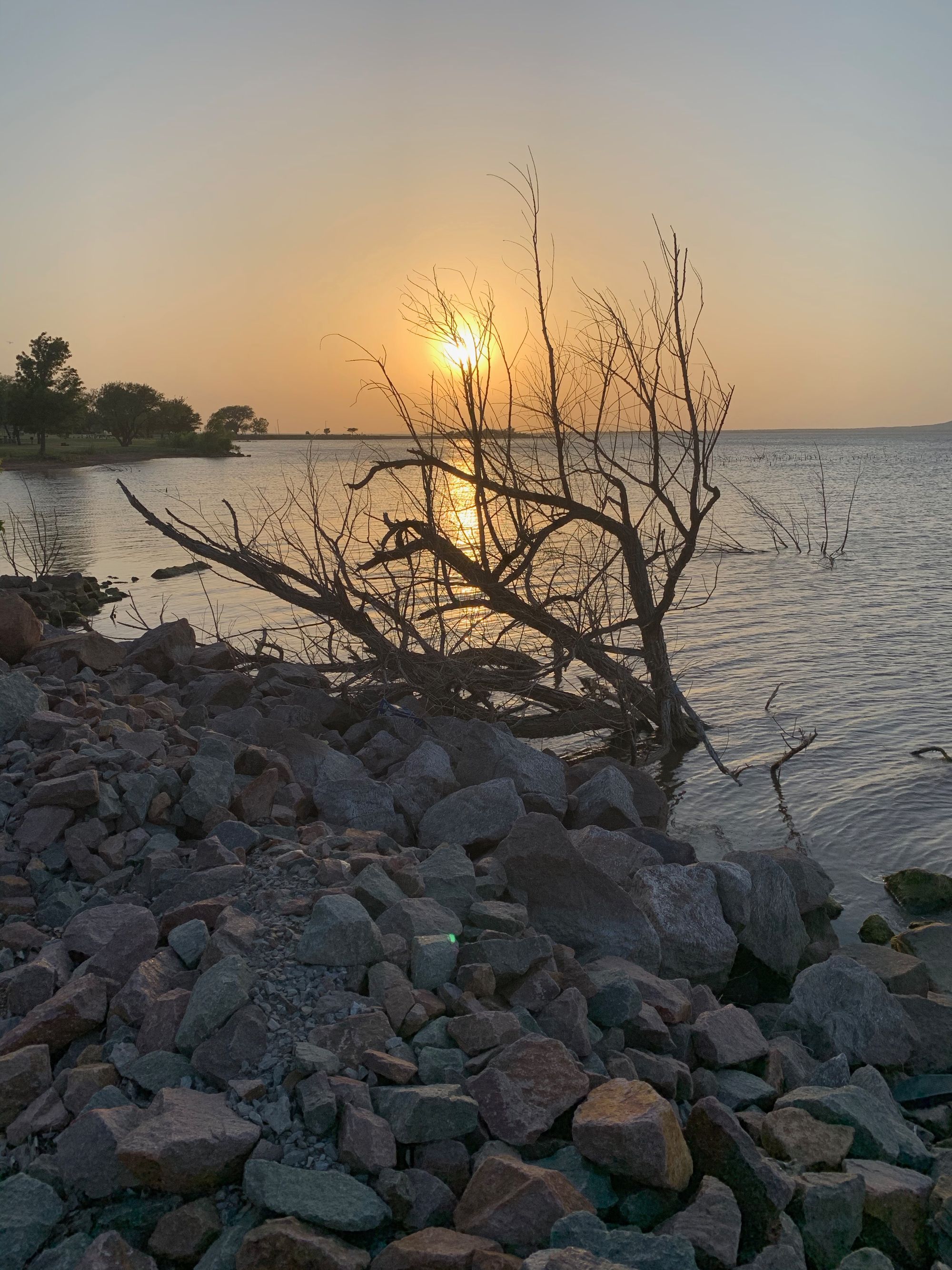
Lake Thunderbird
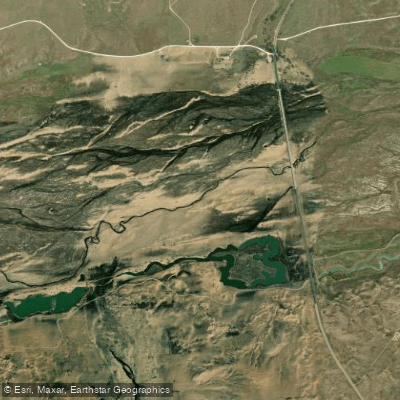
Canadian River
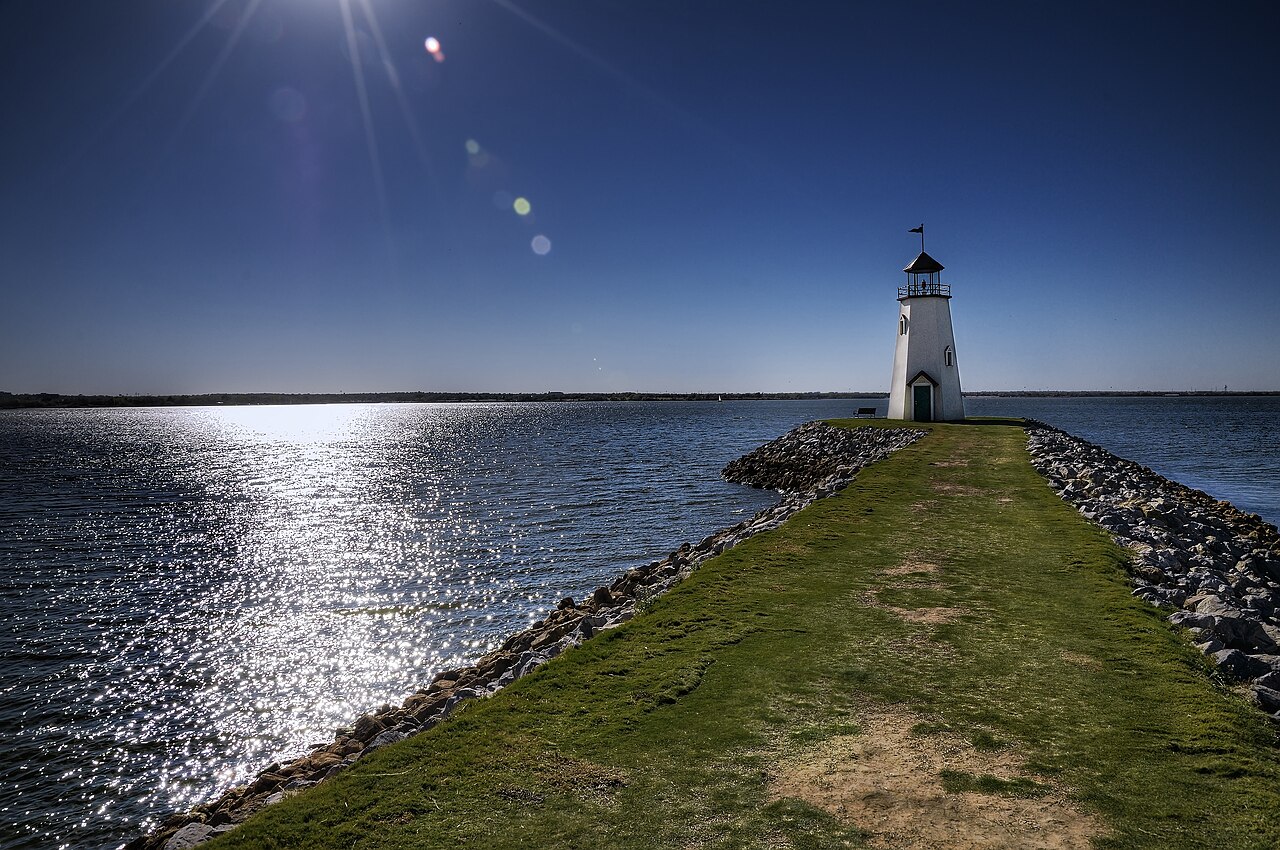
Lake Hefner
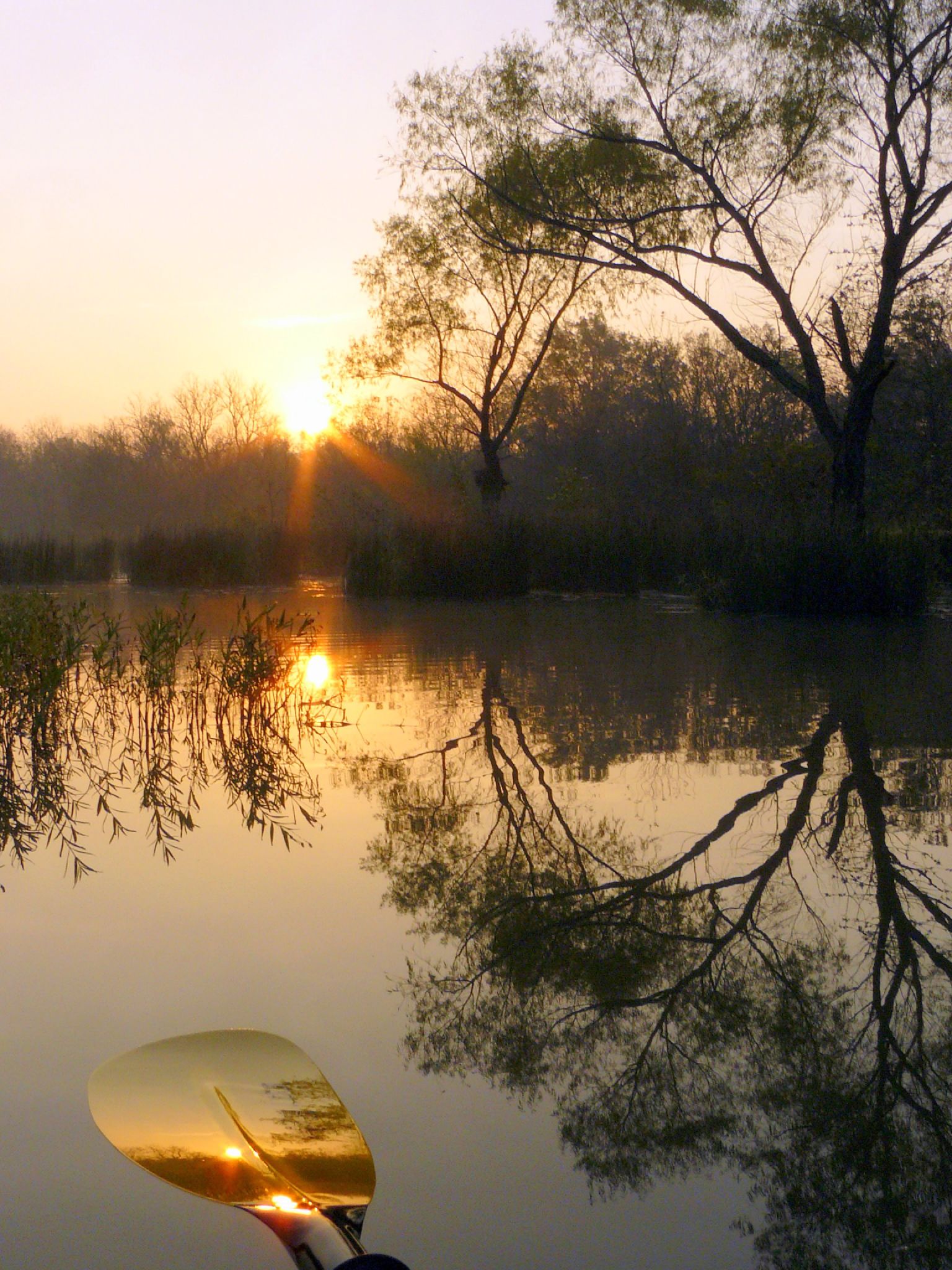
Deep Fork
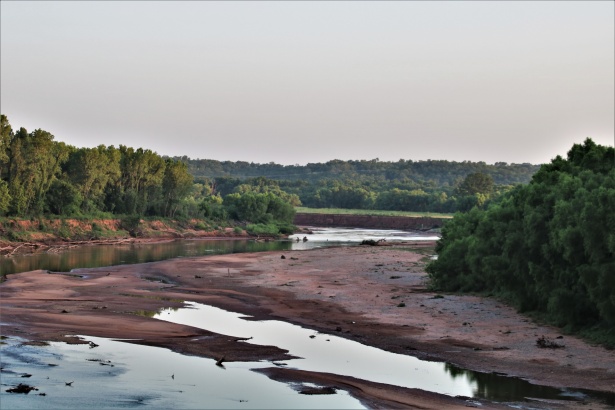
Washita River
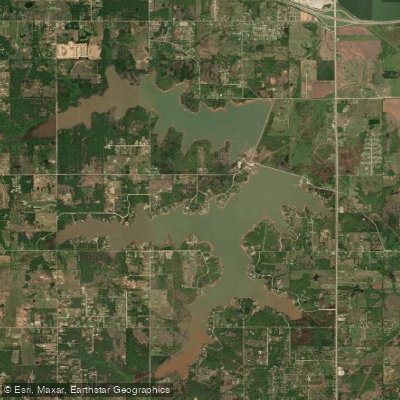
Shawnee Reservoir
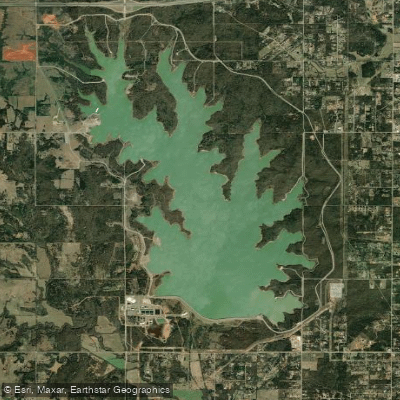
Stanley Draper Lake
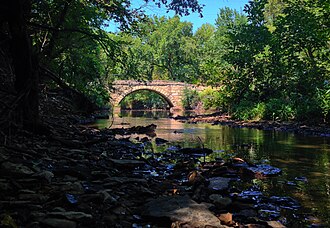
Polecat Creek
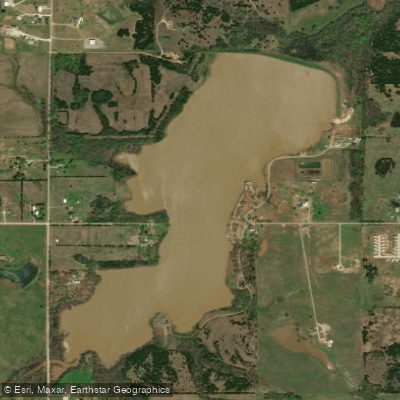
Tecumseh Lake
What to know
Habitat Distribution
- Can be found statewide in all types of water due to widespread hatchery stockings.
Key Locations
- Stilwell City Lake is noted as a top producer of large sunfish where anglers often catch bluegill weighing more than 1/2 pound.
Specific Spots
- Target shallow, weedy areas near shore, weedbeds, docks with vegetation underneath, areas protected from wind and boat traffic, and around overhanging trees.
- Young bluegill frequent shallow, weedy areas near shore while adults prefer deeper water during the day, moving to shallows during morning and evening.
Bluegill FAQ
Answers from onWater's species guide.
What are the best lures and bait for Bluegill in Oklahoma?
Live baits include red worms, nightcrawlers, crickets, grasshoppers, and crappie nibbles. For artificials, try 1-inch crankbaits, small plastic spiders or grubs on 1/32-ounce jigs, small inline spinners, tubes, and swimbaits on tungsten ice jigheads. Small pieces of bluegill fillet work excellently when action is fast.
What flies work for Bluegill in Oklahoma?
Fly fishing is highly effective with terrestrial patterns like black ants (size 14-18), beetles (size 12-14), grasshoppers (size 8-10), foam spiders, small poppers, Woolly Buggers, and Royal Coachman patterns.
When is the best time to fish for Bluegill in Oklahoma?
The best fishing occurs from April through late fall, with May and June being prime months as spawning activity increases feeding behavior. In summer, use slip-bobber rigs to fish deeper waters, and in fall target shallow brush piles just off the bank.
How do you catch Bluegill in Oklahoma?
Focus presentations around structure, weed lines, and drop-offs while maintaining light line and small presentations to match their small mouths.
What do Bluegill eat?
Bluegill are opportunistic feeders with excellent eyesight, primarily consuming insects, crustaceans, larvae, and snails. Occasionally they eat aquatic plants, and also feed on e.g.gs and fry of other fish species.
Fish smarter with real-time insights
Whether you're en route and conditions shift or you're looking for the best spot based on current flows, we enable you to make informed decisions on the fly.




See it in the app
Most maps show you water.
onWater shows you Bluegill.



- 01 · Species map filter
Map every Bluegill water
Pick Bluegill and the map zeroes in on the waters they call home. No more guessing which lake holds them.
- 02 · Waterbody species
Tap any water. See what lives there.
Species, behavior and seasonal patterns for every lake, river and pond, before you leave the driveway.
- 03 · Angler Intelligence
Ask how to catch Bluegill
Tactics, gear and timing from onWater's AI fishing guide, tuned to the species and the water you're on.
Stop guessing where Bluegill are.
Open the map, filter by Bluegill, and head to water that holds them. Download onWater and plan your next trip in minutes.
- Species map filter
- Angler Intelligence
- Fishing journal
Explore other species
Trout, bass, salmon, panfish and everything in between. Each guide unpacks the behavior, seasons, and tactics that put fish in the net.
No species information available.
Oklahoma licenses and regulations
Explore nearby waters
Explore Oklahoma waters
Top fishing waters
Popular Cities
Loading popular cities...

Smarter Fishing Starts in the App.
onWater Fish gives you everything you need to plan smarter, fish better, and own every trip from first cast to last.