Blue Catfish

Blue catfish are Oklahoma's largest catfish species, capable of exceeding 100 pounds with the state record at 98 pounds.
Originally restricted to the Red River system, they're now found throughout most of Oklahoma due to extensive transplanting and have adapted exceptionally well to the Arkansas River System.
Scientific Name: Ictalurus furcatus
- These fish are distinguished from channel catfish by their straight-edged anal fin (versus rounded), deeply forked tail, and lack of black spots on their blue-gray bodies.
Fishing in Oklahoma
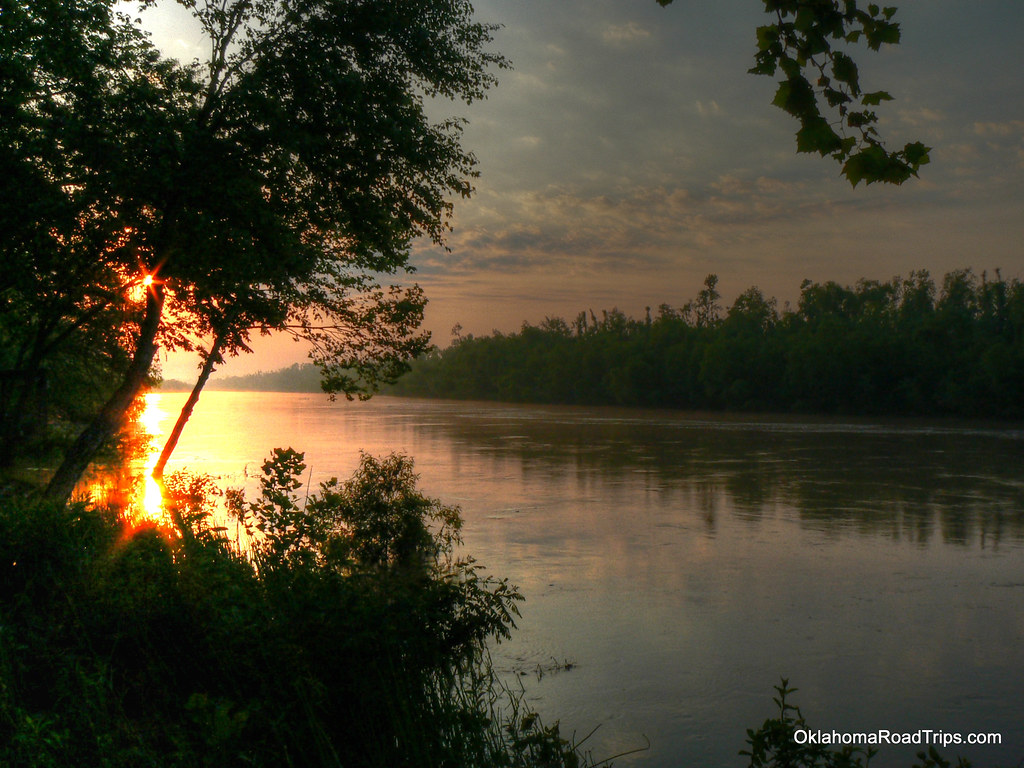
North Canadian River
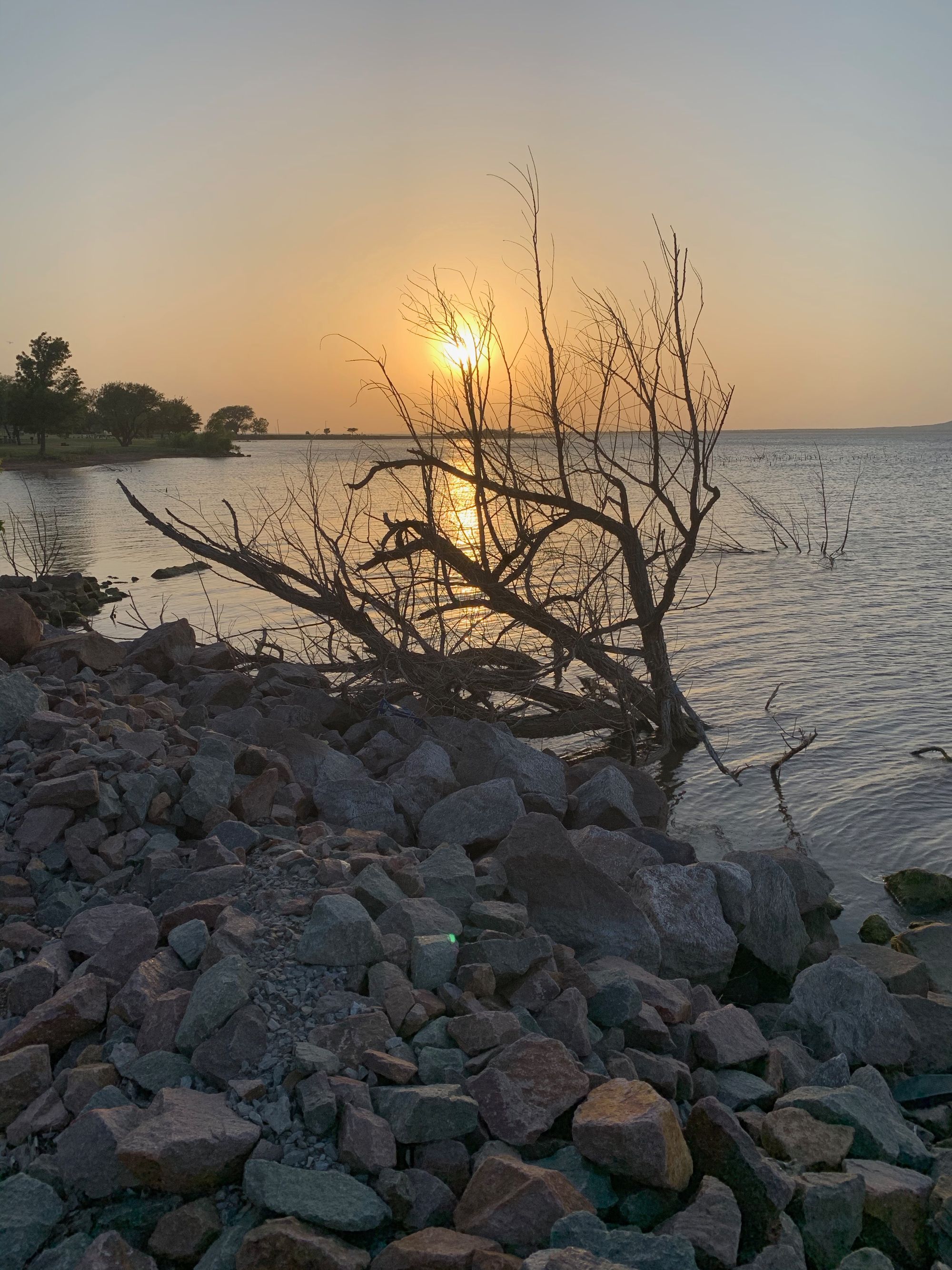
Lake Thunderbird
Canadian River
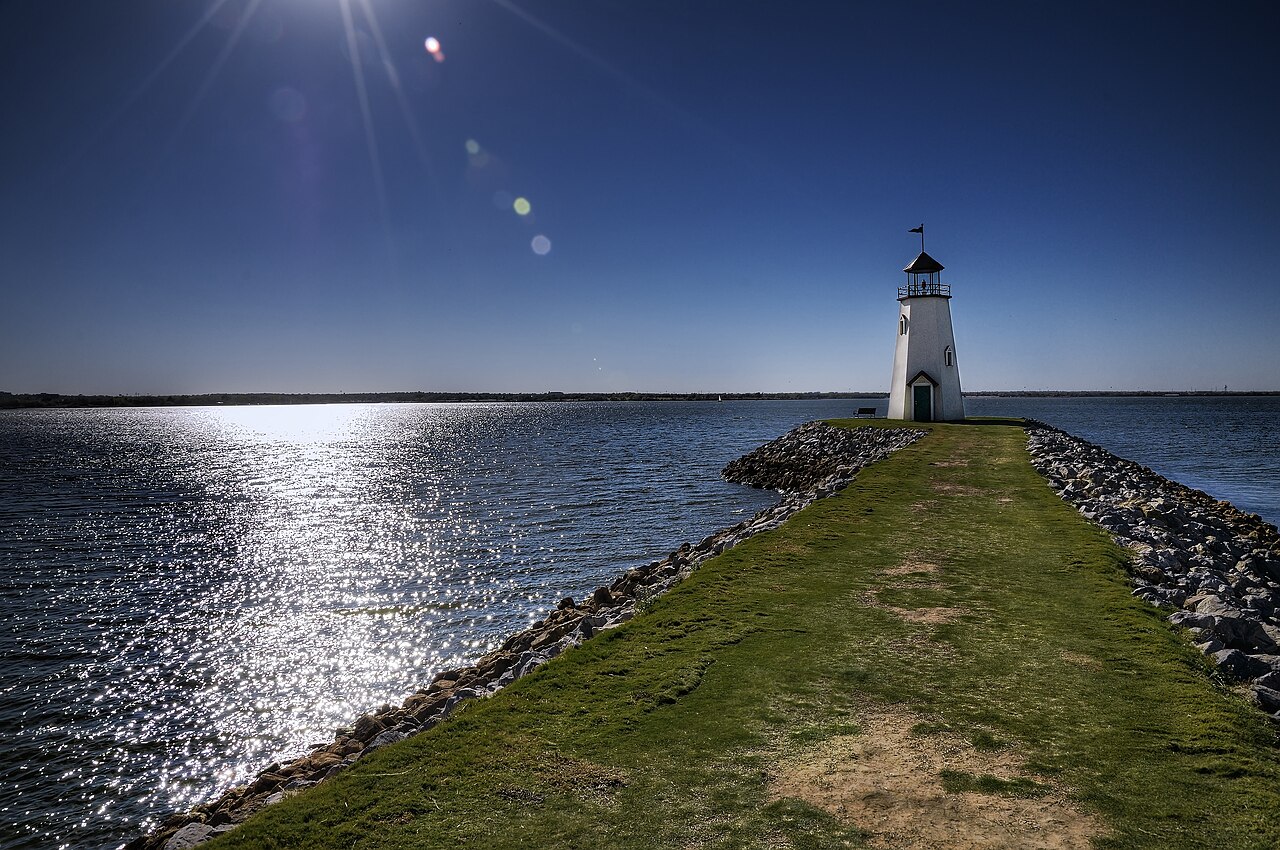
Lake Hefner
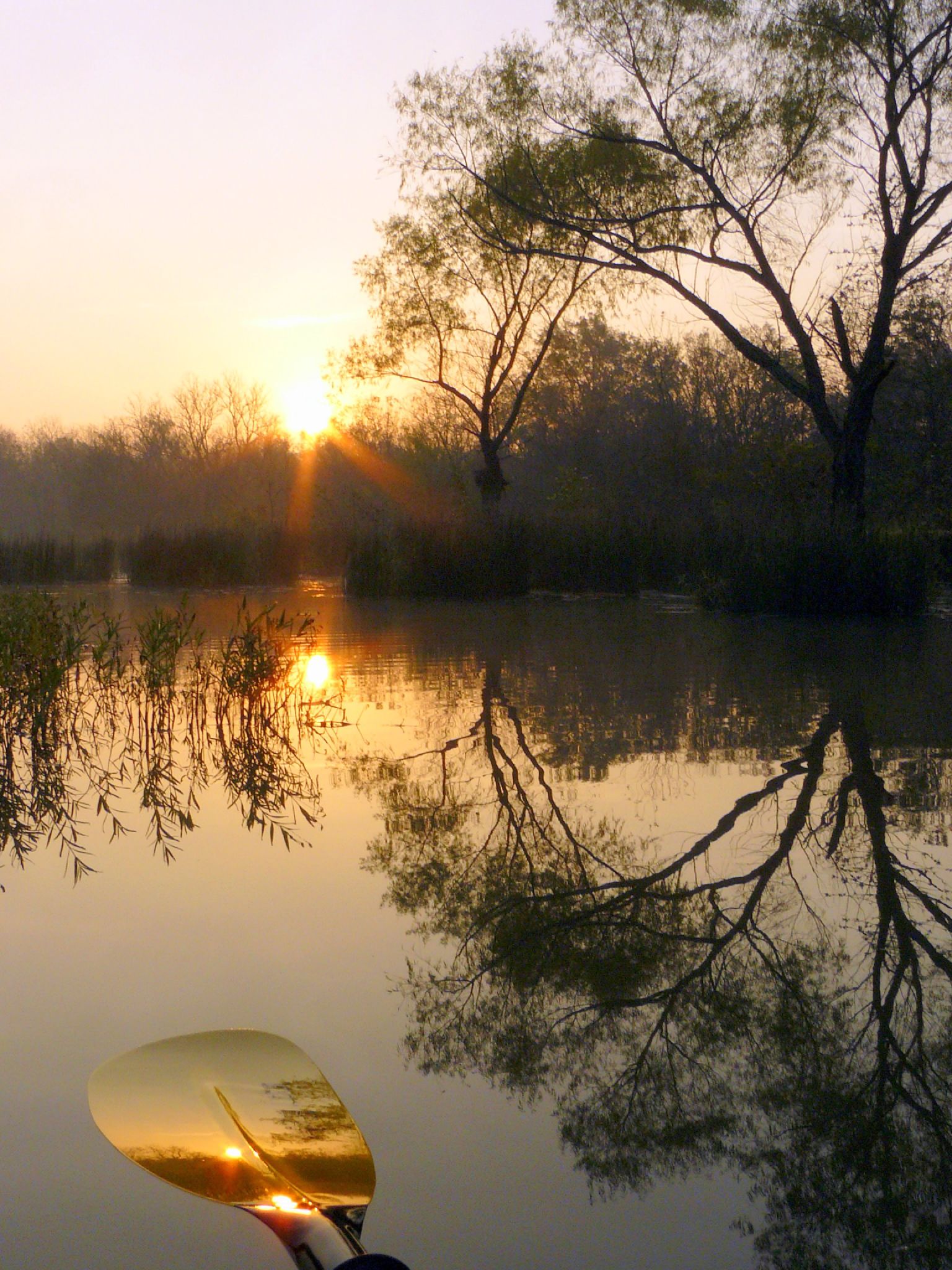
Deep Fork
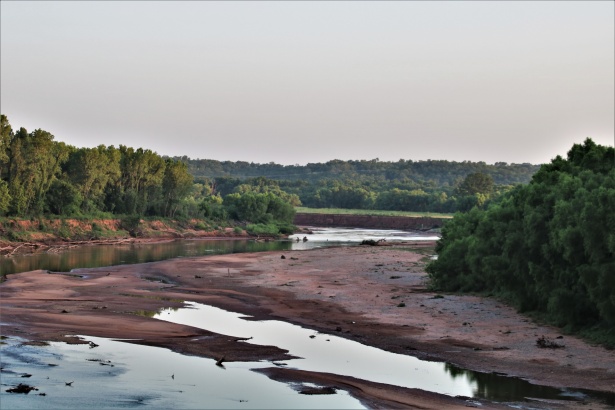
Washita River
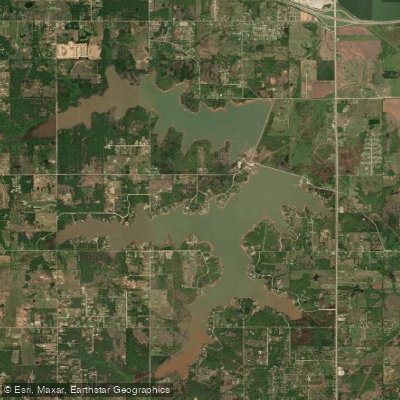
Shawnee Reservoir
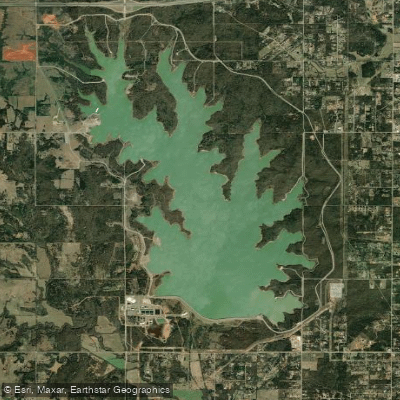
Stanley Draper Lake
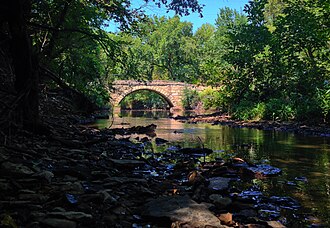
Polecat Creek
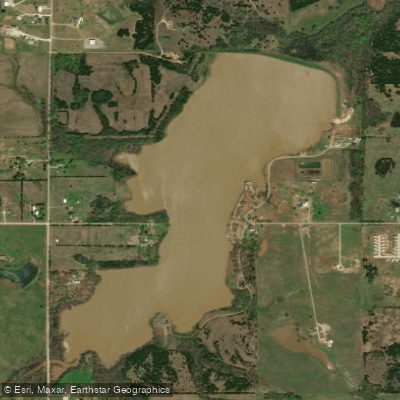
Tecumseh Lake
What to know
Habitat Distribution
- Blue catfish inhabit large rivers and major reservoirs, preferring areas with sand, gravel, or rock bottoms over depths of 15-60 feet.
Key Locations
- They're found in excellent numbers in lakes like Texoma, Eufaula, Grand, Keystone, Kaw, Waurika, Oologah, and many others across the state.
- On lakes like Texoma, Eufaula, and Grand, concentrate efforts around bridges, main lake humps, and the intersection of river channels with flats.
Specific Spots
- Focus on main lake points, channel bends with rocky structure, submerged timber, and areas where creeks enter the main lake.
- Look for areas with current breaks, fallen trees, rock piles.
- Large blues often suspend in deep water beneath schools of shad being fed upon by striped bass.
Blue Catfish FAQ
Answers from onWater's species guide.
What are the best lures and bait for Blue Catfish in Oklahoma?
Cut bait works exceptionally well - use fresh cut shad, skipjack herring, or white bass. Live bait including bluegill, goldfish, large shiners, and live shad are highly effective.
When is the best time to fish for Blue Catfish in Oklahoma?
March through May offers the best blue catfish action. Winter months (November-February) can be excellent for trophy-sized fish. During summer, fish deeper structure in 30-60 feet, while spring finds them shallower in 10-25 feet.
How do you catch Blue Catfish in Oklahoma?
Target large flats by drifting across them. Productive techniques include drift fishing across flats in 15-30 feet of water, anchoring near submerged river channels and creek mouths, and vertical fishing along drop-offs.
What do Blue Catfish eat?
As opportunistic predators, they feed primarily on fish (especially gizzard shad), mussels, snails, insects, and crayfish, with larger specimens becoming almost exclusively piscivorous.
Where do Blue Catfish live in Oklahoma?
Blue catfish inhabit large rivers and major reservoirs, preferring areas with sand, gravel, or rock bottoms over depths of 15-60 feet.
Fish smarter with real-time insights
Whether you're en route and conditions shift or you're looking for the best spot based on current flows, we enable you to make informed decisions on the fly.




See it in the app
Most maps show you water.
onWater shows you Blue Catfish.



- 01 · Species map filter
Map every Blue Catfish water
Pick Blue Catfish and the map zeroes in on the waters they call home. No more guessing which lake holds them.
- 02 · Waterbody species
Tap any water. See what lives there.
Species, behavior and seasonal patterns for every lake, river and pond, before you leave the driveway.
- 03 · Angler Intelligence
Ask how to catch Blue Catfish
Tactics, gear and timing from onWater's AI fishing guide, tuned to the species and the water you're on.
Stop guessing where Blue Catfish are.
Open the map, filter by Blue Catfish, and head to water that holds them. Download onWater and plan your next trip in minutes.
- Species map filter
- Angler Intelligence
- Fishing journal
Explore other species
Trout, bass, salmon, panfish and everything in between. Each guide unpacks the behavior, seasons, and tactics that put fish in the net.
No species information available.
Oklahoma licenses and regulations
Explore nearby waters
Explore Oklahoma waters
Top fishing waters
Popular Cities
Loading popular cities...

Smarter Fishing Starts in the App.
onWater Fish gives you everything you need to plan smarter, fish better, and own every trip from first cast to last.