Bigmouth Buffalo
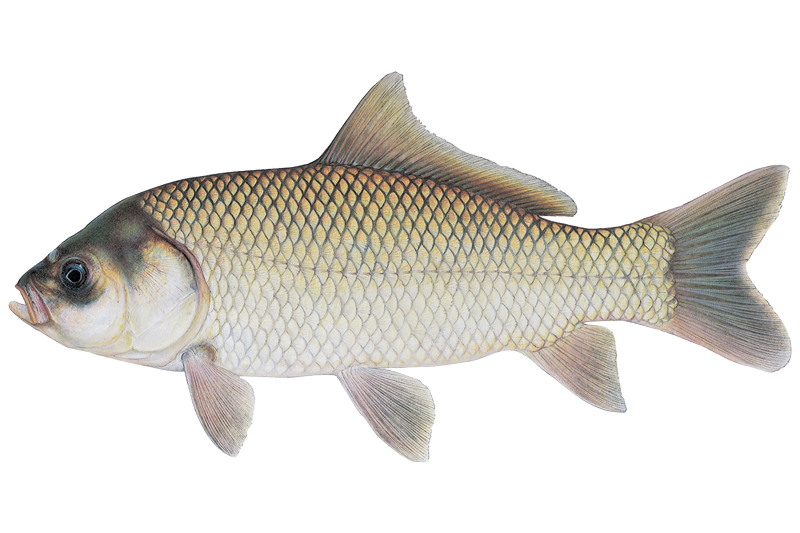
Bigmouth Buffalo are one of 16 species of sucker fish found in Oklahoma, occurring primarily in larger rivers and reservoirs in the eastern half of the state.
Unlike other suckers with downturned mouths that feed on the bottom, bigmouth buffalo are unique filter-feeding fish with terminal (forward-facing) mouths.
Scientific Name: Ictiobus cyprinellus
- These remarkable fish are the largest members of the sucker family, capable of reaching over 4 feet and 80 pounds.
Fishing in Oklahoma
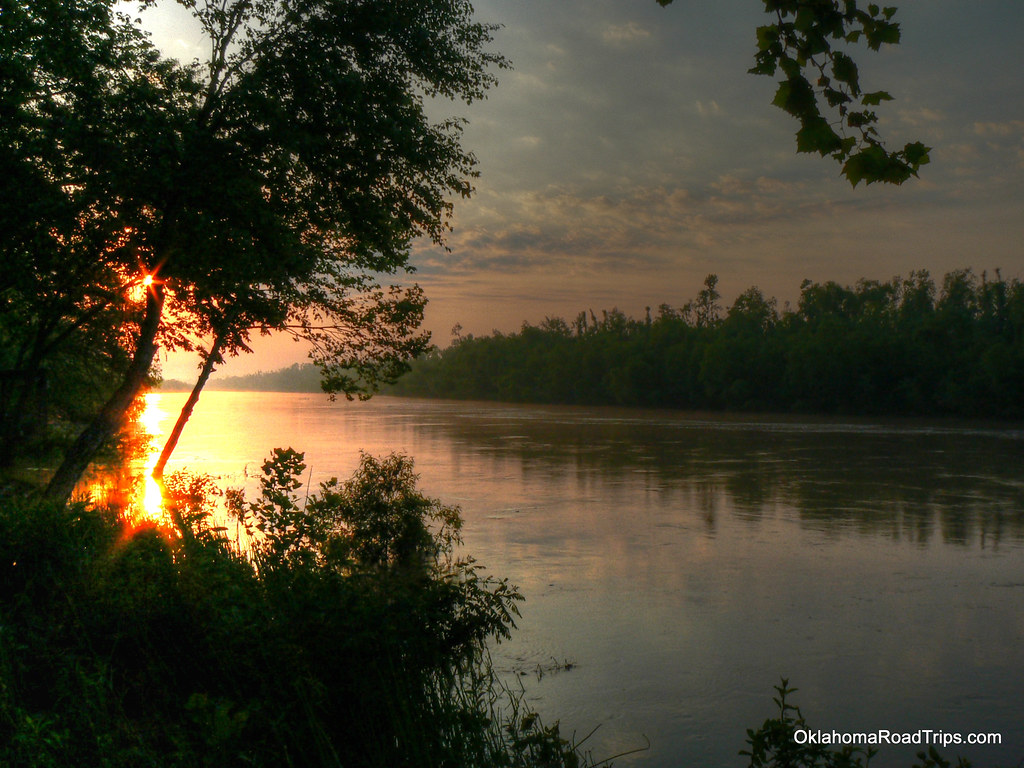
North Canadian River

Lake Thunderbird
Canadian River

Lake Hefner

Deep Fork
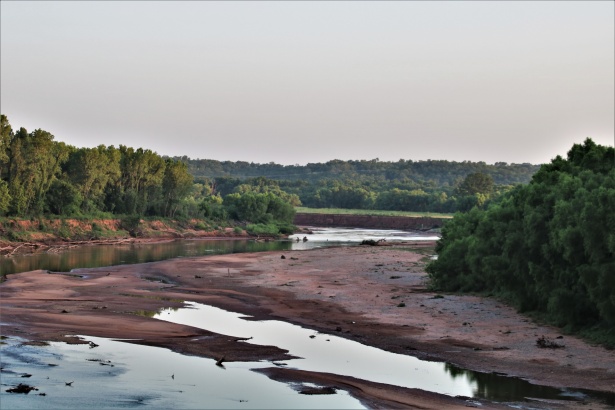
Washita River
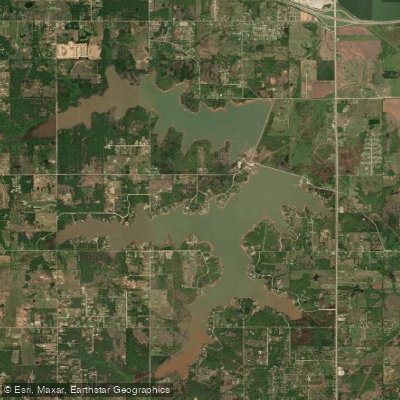
Shawnee Reservoir
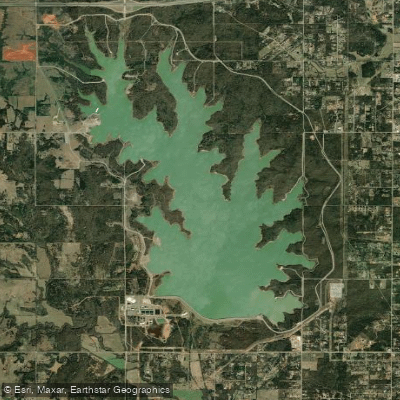
Stanley Draper Lake
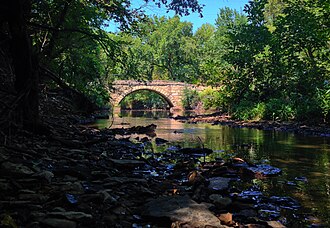
Polecat Creek
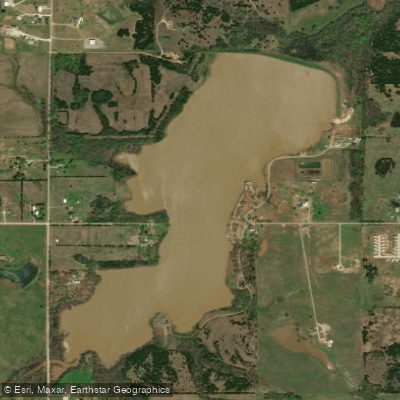
Tecumseh Lake
What to know
Habitat Distribution
- In Oklahoma reservoirs, they inhabit slow-moving backwaters, pools, and main channels of large rivers and lakes, preferring areas with vegetated flats and protected embayments.
Key Locations
- Target the transition areas and deeper pools of larger eastern Oklahoma reservoirs like Grand Lake, Fort Gibson, Eufaula, and Texoma.
- Studies from four Oklahoma reservoirs (Grand, Fort Gibson, Eufaula, and Texoma) show their diet peaks in spring and fall.
Specific Spots
- Focus on slow-moving backwaters, vegetated flats, and protected embayments in 3-15 feet of water.
Bigmouth Buffalo FAQ
Answers from onWater's species guide.
What are the best lures and bait for Bigmouth Buffalo in Oklahoma?
Small artificial lures that mimic their natural food sources work best - try tiny jigs or bread and dough balls that create a scent trail in the water.
What flies work for Bigmouth Buffalo in Oklahoma?
Fly fishing can be effective using small nymph patterns, particularly during plankton hatches. Small flies that imitate zooplankton.
When is the best time to fish for Bigmouth Buffalo in Oklahoma?
The species is most active during cooler months when plankton is more abundant, making late fall through early spring the prime seasons, while avoiding the spawning disruption period from April through June.
How do you catch Bigmouth Buffalo in Oklahoma?
Since they feed by filtering rather than actively pursuing prey, presentations should be subtle and natural. Dr.ift fishing and still fishing techniques work better than active retrieval methods. Traditional approaches require adapting to their unique feeding behavior.
What do Bigmouth Buffalo eat?
Oklahoma's bigmouth buffalo feed primarily as planktivores, straining zooplankton (especially cladocerans and copepods) from the water using fine gill rakers, while also consuming algae, chironomid larvae, ostracods, and organic detritus.
Fish smarter with real-time insights
Whether you're en route and conditions shift or you're looking for the best spot based on current flows, we enable you to make informed decisions on the fly.




See it in the app
Most maps show you water.
onWater shows you Bigmouth Buffalo.



- 01 · Species map filter
Map every Bigmouth Buffalo water
Pick Bigmouth Buffalo and the map zeroes in on the waters they call home. No more guessing which lake holds them.
- 02 · Waterbody species
Tap any water. See what lives there.
Species, behavior and seasonal patterns for every lake, river and pond, before you leave the driveway.
- 03 · Angler Intelligence
Ask how to catch Bigmouth Buffalo
Tactics, gear and timing from onWater's AI fishing guide, tuned to the species and the water you're on.
Stop guessing where Bigmouth Buffalo are.
Open the map, filter by Bigmouth Buffalo, and head to water that holds them. Download onWater and plan your next trip in minutes.
- Species map filter
- Angler Intelligence
- Fishing journal
Explore other species
Trout, bass, salmon, panfish and everything in between. Each guide unpacks the behavior, seasons, and tactics that put fish in the net.
No species information available.
Oklahoma licenses and regulations
Explore nearby waters
Explore Oklahoma waters
Top fishing waters
Popular Cities
Loading popular cities...

Smarter Fishing Starts in the App.
onWater Fish gives you everything you need to plan smarter, fish better, and own every trip from first cast to last.