Bluegill
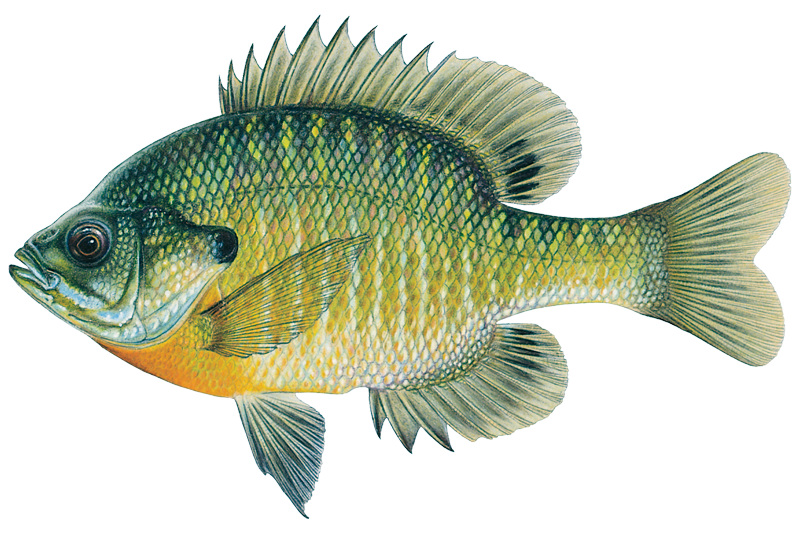
Bluegill (Lepomis macrochirus) are one of Nebraska's most popular panfish and provide excellent fishing opportunities throughout the state.
Scientific Name: Lepomis macrochirus
- These deep-bodied sunfish are characterized by their distinctive blue lower gill cover, entirely black gill cover flap, and irregular blackish spot at the base of the soft dorsal fin.
- They range in color from silver-lavender when young to greenish-brown with orange or yellow breast when mature, typically growing 4-12 inches with Nebraska's state record weighing 2 pounds, 13 ounces.
Fishing in Nebraska
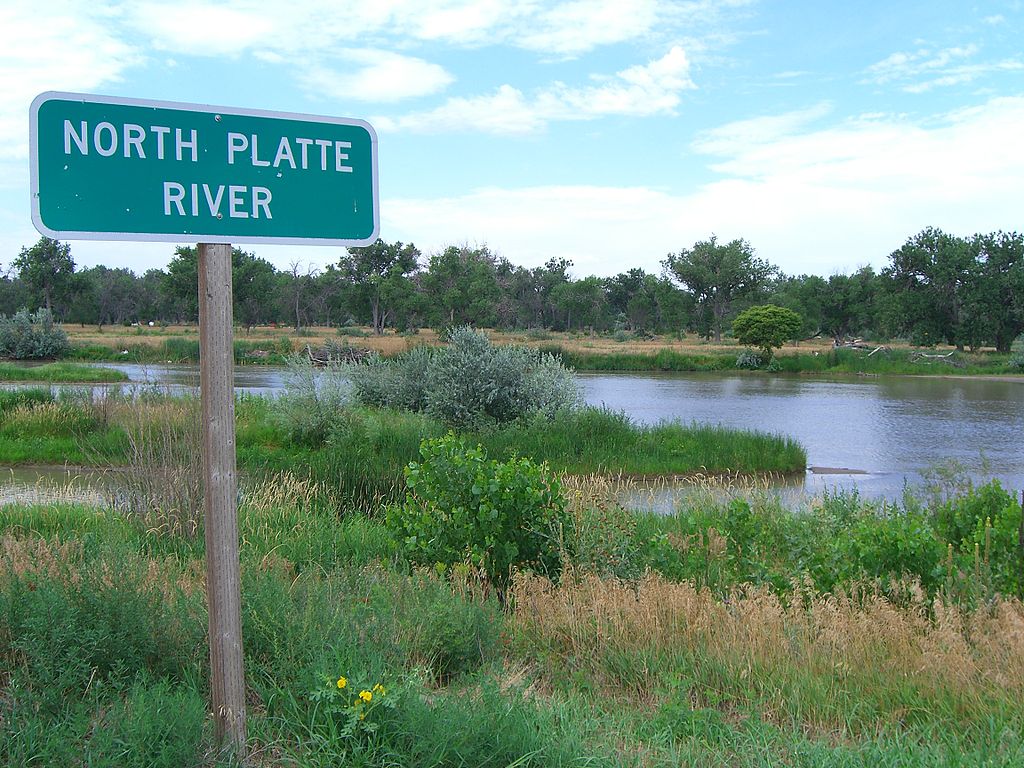
Platte River
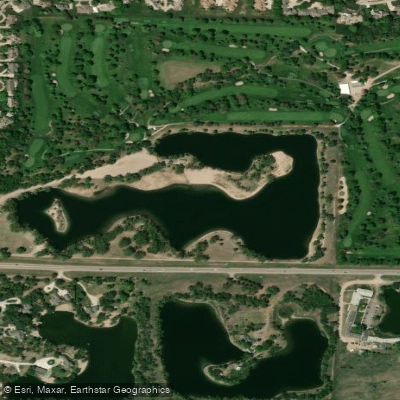
L E Ray Lake
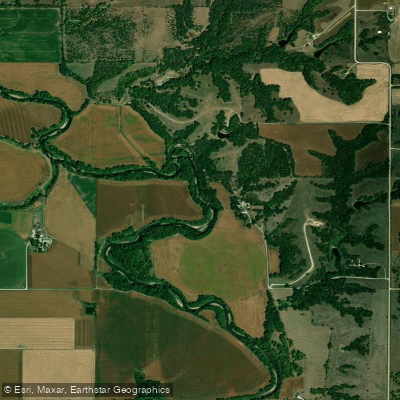
Big Blue River
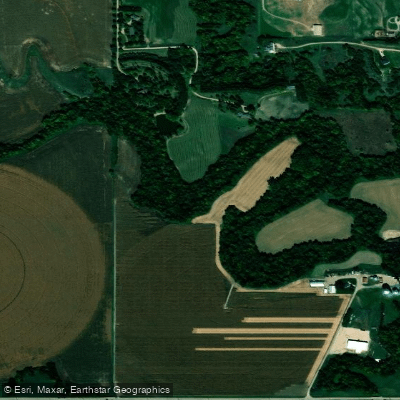
Wood River
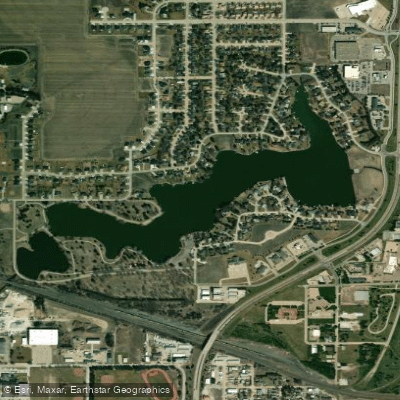
Lake Hastings
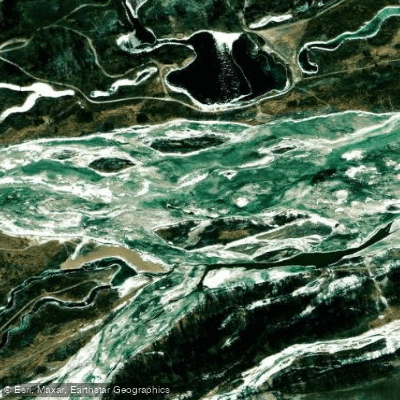
South Channel Platte River
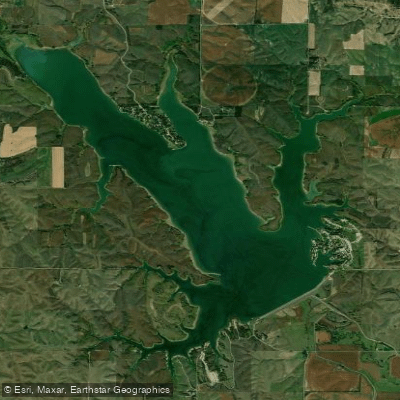
Sherman Reservoir
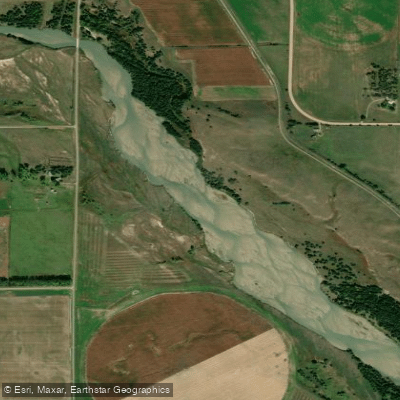
Middle Loup River
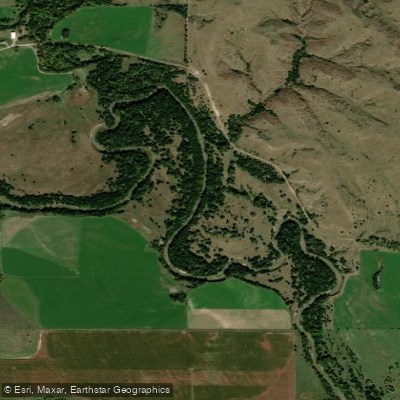
South Loup River
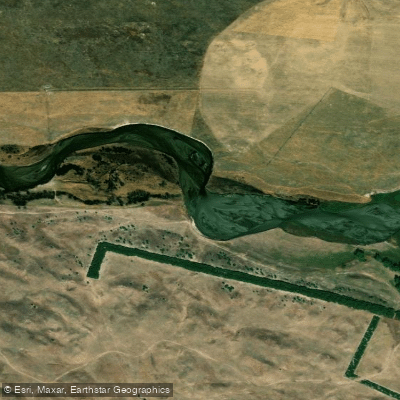
North Loup River
What to know
Habitat Distribution
- Bluegill are widely distributed across Nebraska's waters, thriving in clean water with abundant aquatic vegetation.
- They're found in small to medium reservoirs, Sandhills lakes, pits, ponds, and farm ponds statewide.
Key Locations
- Top Nebraska waters include Walnut Creek, Maskenthine, Maple Creek, Kramper, Wilson Creek 2X, Redtail, Archway #1, Yanney, Shell, Dewey, and Frye lakes.
- Sandhills lakes produce lower densities but can yield trophy fish exceeding one pound.
Specific Spots
- Target bluegill around vegetation, docks, overhanging trees, brush piles, weed lines, and shallow protected pockets.
- Bluegill prefer habitat with shallow water cover including docks, fallen trees, weed beds, brush piles, and areas with hard bottom adjacent to depth changes.
Bluegill FAQ
Answers from onWater's species guide.
What are the best lures and bait for Bluegill in Nebraska?
Top artificial lures include 1-inch curly tail grubs on 1/32-1/16 ounce jig heads (chartreuse is particularly effective), 1/16 ounce Johnson Beetle Spin spinnerbaits, 1/16 ounce Rooster Tail spinners with gold blades, small crankbaits like Rapala Ultralight Floating Minnows, 1/16 ounce Acme Phoebe spoons in gold, and...
What flies work for Bluegill in Nebraska?
Productive patterns include size 8-10 small floating poppers (chartreuse, blue, yellow), size 8-10 Woolly Buggers in olive or black, foam spiders in black, gray, or brown, and Royal Coachman patterns.
When is the best time to fish for Bluegill in Nebraska?
Spring through early summer when water temperatures range from 55-85°F, with optimal fishing occurring after spawning concludes in late June through September. In winter, target deep breaks and cover where they school in 20-50 feet of water. Summer fishing requires moving to deeper, cooler water or shaded areas.
How do you catch Bluegill in Nebraska?
Fish slowly with subtle presentations, as bluegill are easily spooked. In winter, use drop shot rigs and small jigging spoons. They use ram-suction feeding to capture prey at all water column levels.
What do Bluegill eat?
Bluegill are omnivorous, feeding primarily on aquatic insects, terrestrial insects, small crustaceans, zooplankton, worms, snails, small crayfish, and occasionally small fish.
Fish smarter with real-time insights
Whether you're en route and conditions shift or you're looking for the best spot based on current flows, we enable you to make informed decisions on the fly.




See it in the app
Most maps show you water.
onWater shows you Bluegill.



- 01 · Species map filter
Map every Bluegill water
Pick Bluegill and the map zeroes in on the waters they call home. No more guessing which lake holds them.
- 02 · Waterbody species
Tap any water. See what lives there.
Species, behavior and seasonal patterns for every lake, river and pond, before you leave the driveway.
- 03 · Angler Intelligence
Ask how to catch Bluegill
Tactics, gear and timing from onWater's AI fishing guide, tuned to the species and the water you're on.
Stop guessing where Bluegill are.
Open the map, filter by Bluegill, and head to water that holds them. Download onWater and plan your next trip in minutes.
- Species map filter
- Angler Intelligence
- Fishing journal
Explore other species
Trout, bass, salmon, panfish and everything in between. Each guide unpacks the behavior, seasons, and tactics that put fish in the net.
No species information available.
Nebraska licenses and regulations
Explore nearby waters
Explore Nebraska waters
Top fishing waters
Popular Cities
Loading popular cities...

Smarter Fishing Starts in the App.
onWater Fish gives you everything you need to plan smarter, fish better, and own every trip from first cast to last.