Redear Sunfish

Redear Sunfish are native to Mississippi and found throughout the state's central and southern regions within the Mississippi River drainage. They are opportunistic sight feeders that grow larger than bluegill in the same waters.
Scientific Name: Lepomis microlophus
Also known as chinquapin, shellcracker, stump knocker, government bream, cherry gill
- Distinguished by their distinctive red edge on males' gill covers (orange in females), elongated body, small mouth, and pointed snout.
- These fish typically weigh less than 1 pound but can exceed 4 pounds and reach 14 inches, with Mississippi's state record weighing 3.33 pounds from Tippah County Lake in 1991.
Fishing in Mississippi
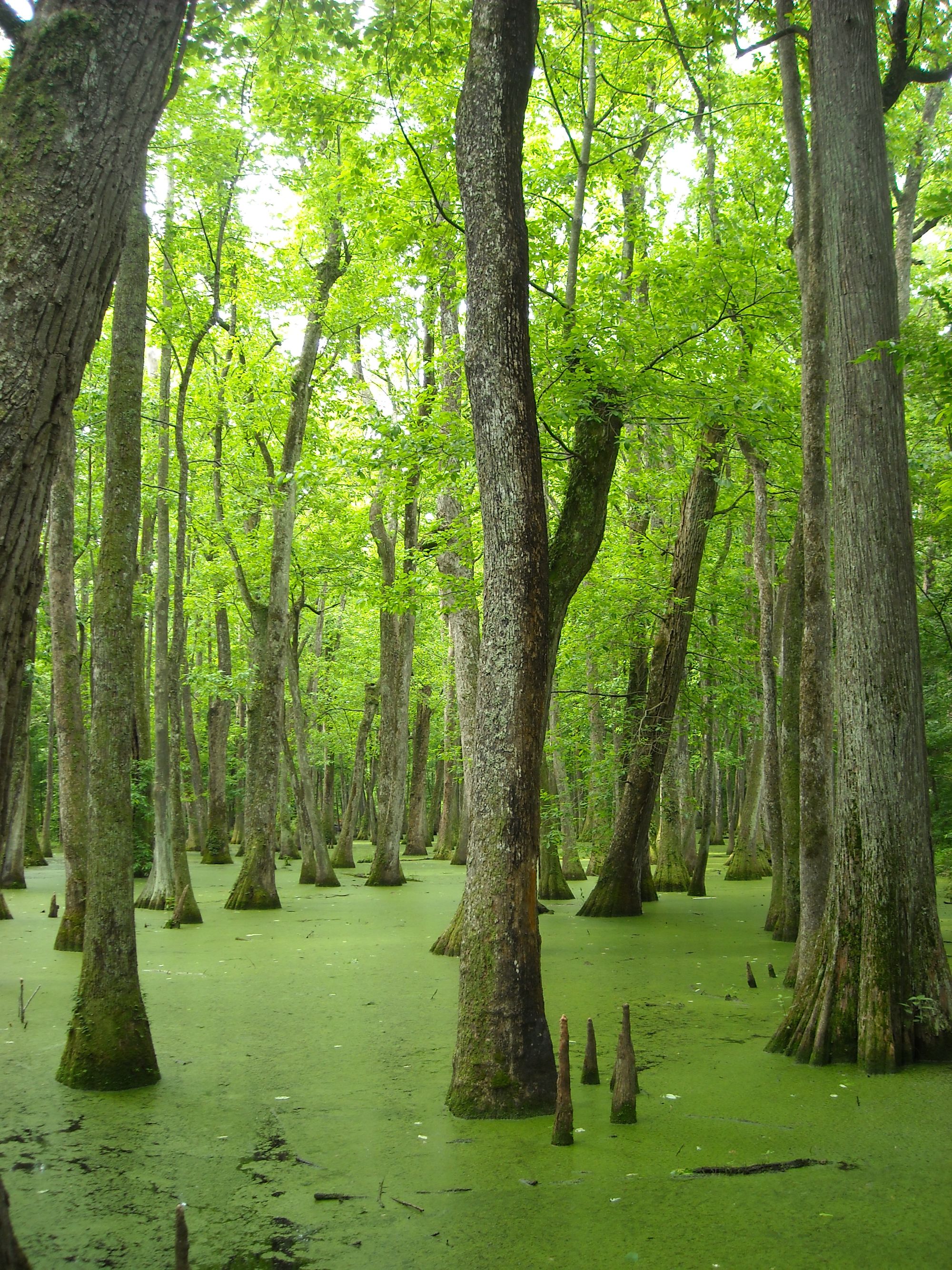
Pearl River
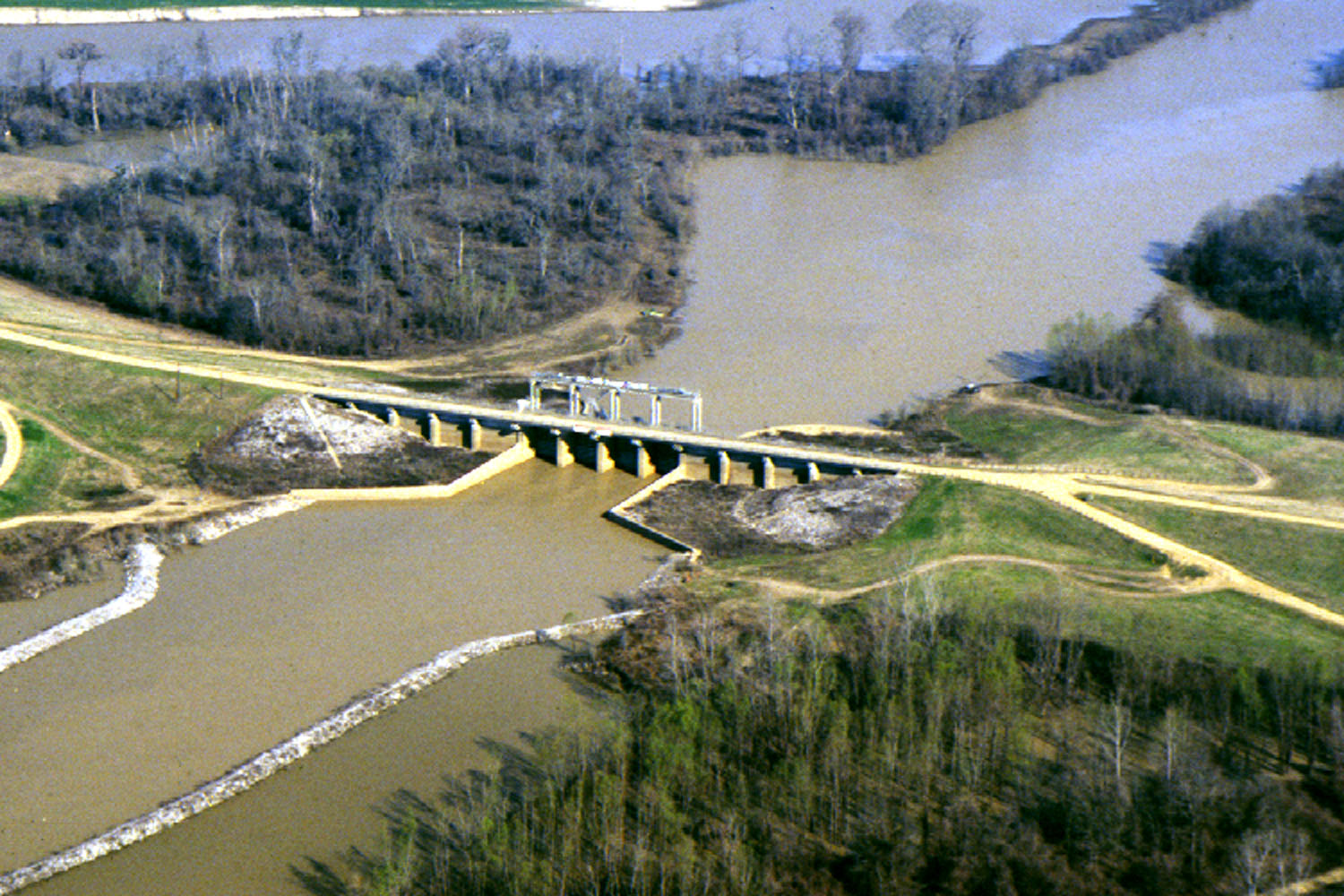
Yazoo River
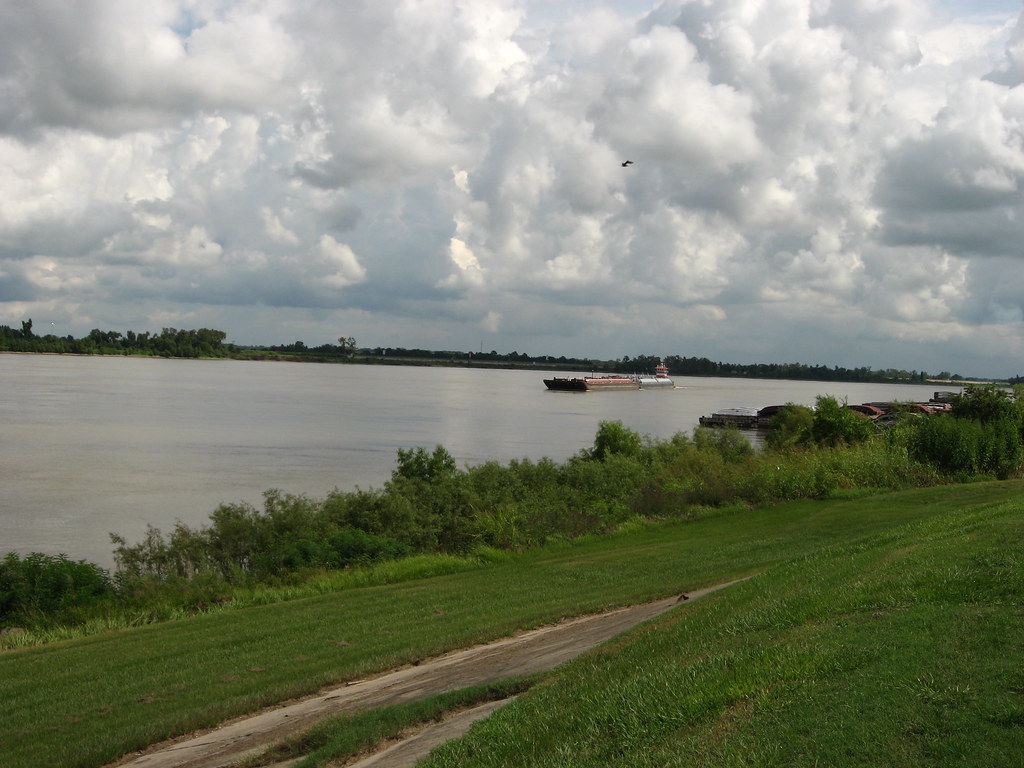
Mississippi River
Leaf River
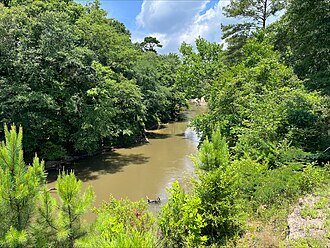
Bouie River
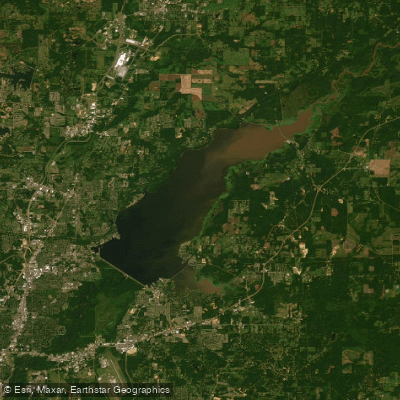
Ross R Barnett Reservoir
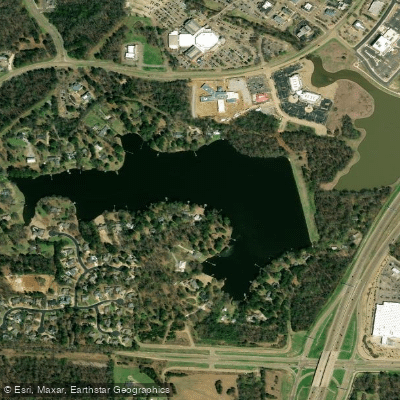
Lake Castle
Big Black River
Pelahatchie Creek
Lake Dockery
What to know
Habitat Distribution
- Found throughout the state's central and southern regions within the Mississippi River drainage.
- They prefer clear, quiet waters with abundant vegetation in ponds, lakes, river backwaters, and reservoirs, typically in depths of at least 6 feet, though they can tolerate some salinity up to 4 parts per thousand.
Key Locations
- Mississippi state lakes with notable redear populations include Tippah County Lake (state record), Lake Jeff Davis (2.45-pound record), Lake Lamar Bruce, Lake Monroe, Neshoba County Lake, Calling Panther Lake, and Lake Mike Conner.
Specific Spots
- Target areas with vegetation around hard structures like stumps, dock pillars, logs, and areas with hard substrates where snails congregate.
- Look for them in the littoral zone of lakes and ponds, typically in water at least 6 feet deep.
- Focus on areas with aquatic vegetation and hard cover where their mollusk prey concentrates.
Redear Sunfish FAQ
Answers from onWater's species guide.
What are the best lures and bait for Redear Sunfish in Mississippi?
Natural baits are most effective, including earthworms, grubs, crickets, grasshoppers, and grass shrimp - redear are less likely to take artificial baits than other sunfish. Small spoons, jigs work for conventional tackle.
When is the best time to fish for Redear Sunfish in Mississippi?
Best time to target redear sunfish in Mississippi is spring through early summer, with peak action occurring when water temperatures reach 70-74°F, typically March through June.
How do you catch Redear Sunfish in Mississippi?
Focus on bottom fishing techniques since redear are primarily bottom feeders. Fish during dawn and dusk when redear are most active. Avoid fishing during spawning periods in spring when water hits 70°F.
What do Redear Sunfish eat?
They feed primarily on bottom-dwelling mollusks including snails and clams, plus insects, insect larvae, and crustaceans. Redear have specialized pharyngeal teeth that allow them to crush shells, earning the 'shellcracker' nickname.
Where do Redear Sunfish live in Mississippi?
Found throughout the state's central and southern regions within the Mississippi River drainage. They prefer clear, quiet waters with abundant vegetation in ponds, lakes, river backwaters, and reservoirs, typically in depths of at least 6 feet, though they can tolerate some salinity up to 4 parts per thousand.
Fish smarter with real-time insights
Whether you're en route and conditions shift or you're looking for the best spot based on current flows, we enable you to make informed decisions on the fly.




See it in the app
Most maps show you water.
onWater shows you Redear Sunfish.



- 01 · Species map filter
Map every Redear Sunfish water
Pick Redear Sunfish and the map zeroes in on the waters they call home. No more guessing which lake holds them.
- 02 · Waterbody species
Tap any water. See what lives there.
Species, behavior and seasonal patterns for every lake, river and pond, before you leave the driveway.
- 03 · Angler Intelligence
Ask how to catch Redear Sunfish
Tactics, gear and timing from onWater's AI fishing guide, tuned to the species and the water you're on.
Stop guessing where Redear Sunfish are.
Open the map, filter by Redear Sunfish, and head to water that holds them. Download onWater and plan your next trip in minutes.
- Species map filter
- Angler Intelligence
- Fishing journal
Explore other species
Trout, bass, salmon, panfish and everything in between. Each guide unpacks the behavior, seasons, and tactics that put fish in the net.
No species information available.
Mississippi licenses and regulations
Explore nearby waters
Explore Mississippi waters
Top fishing waters
Popular Cities
Loading popular cities...

Smarter Fishing Starts in the App.
onWater Fish gives you everything you need to plan smarter, fish better, and own every trip from first cast to last.