Smallmouth Buffalo

The Smallmouth Buffalo is a native North American catostomid fish species found throughout Minnesota's major river systems and lakes.
Despite being commonly mistaken for invasive carp, Smallmouth Buffalo are actually native to the Mississippi River drainage and lack the characteristic barbels of carp.
In Minnesota, they represent part of the state's natural fish community and are among the most common commercially sold freshwater fish in the United States.
Scientific Name: Ictiobus bubalus
- Adult Smallmouth Buffalo typically reach 16-24 inches in length, though specimens can grow much larger - up to 66 pounds and 40 inches.
Fishing in Minnesota
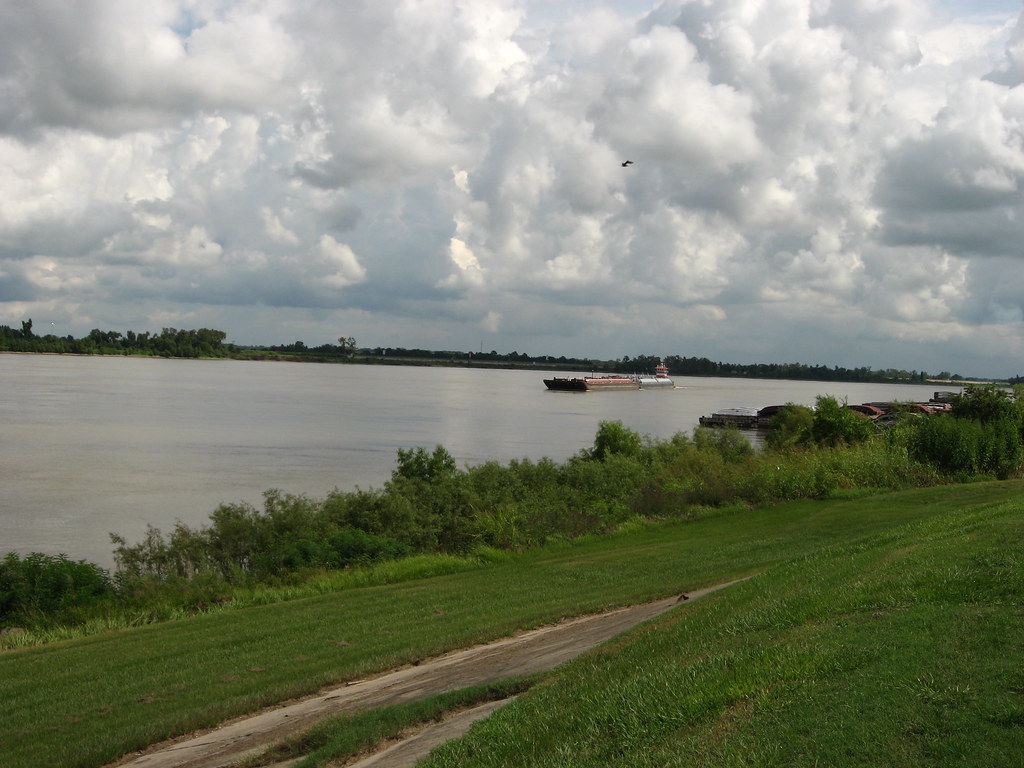
Mississippi River
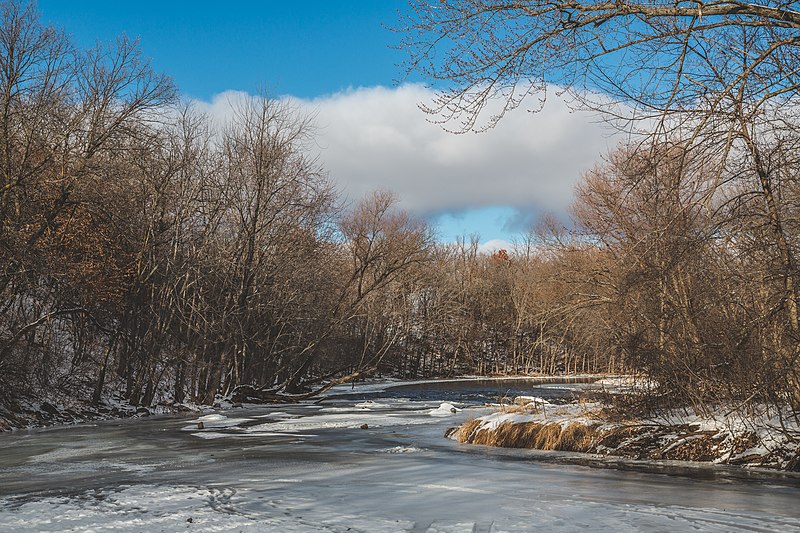
Sauk River
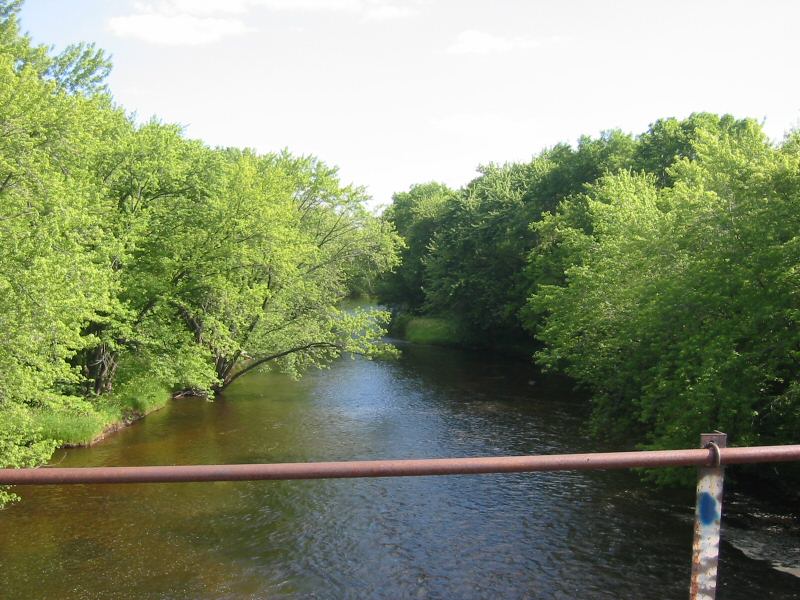
Rum River
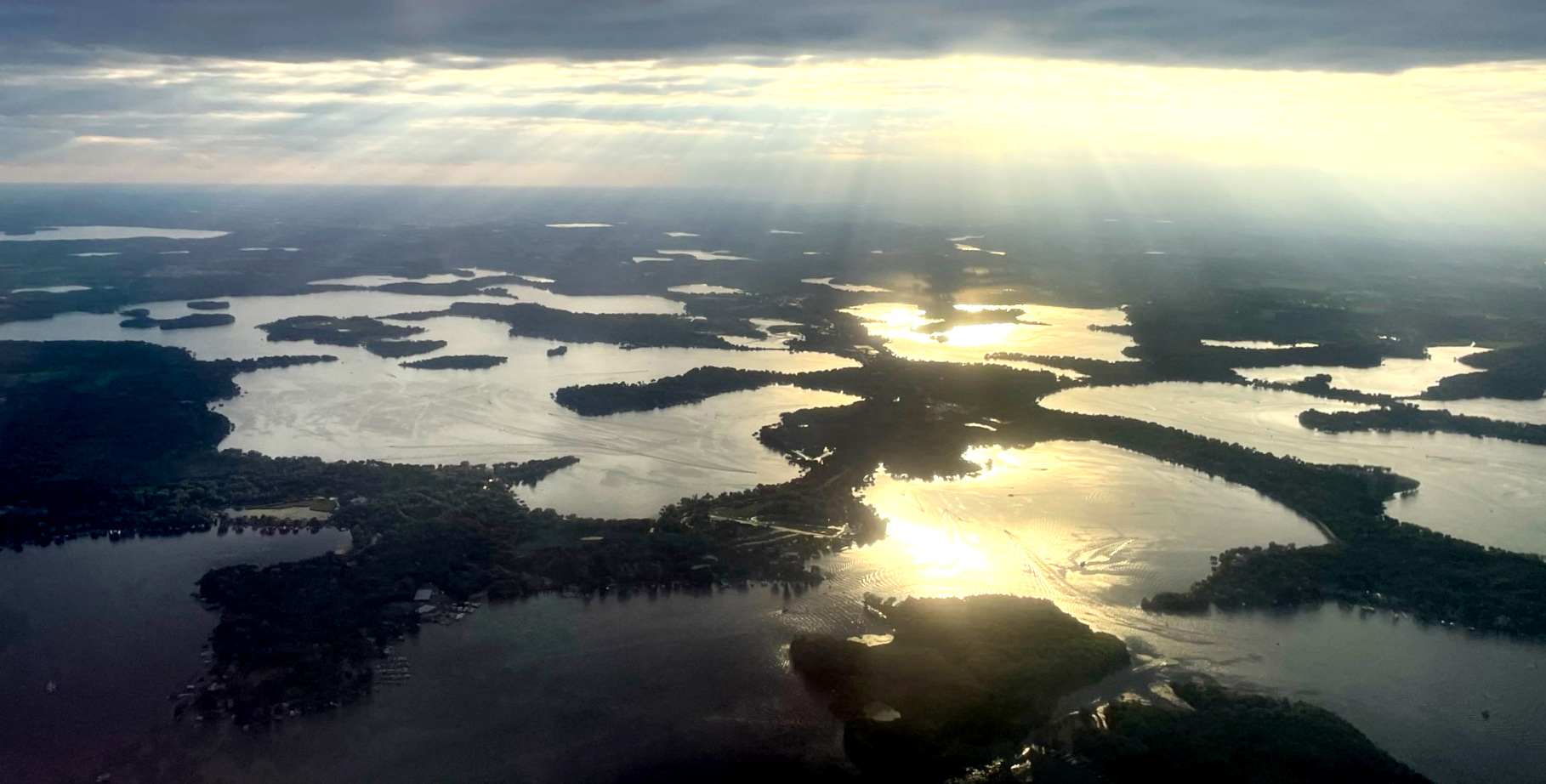
Lake Minnetonka
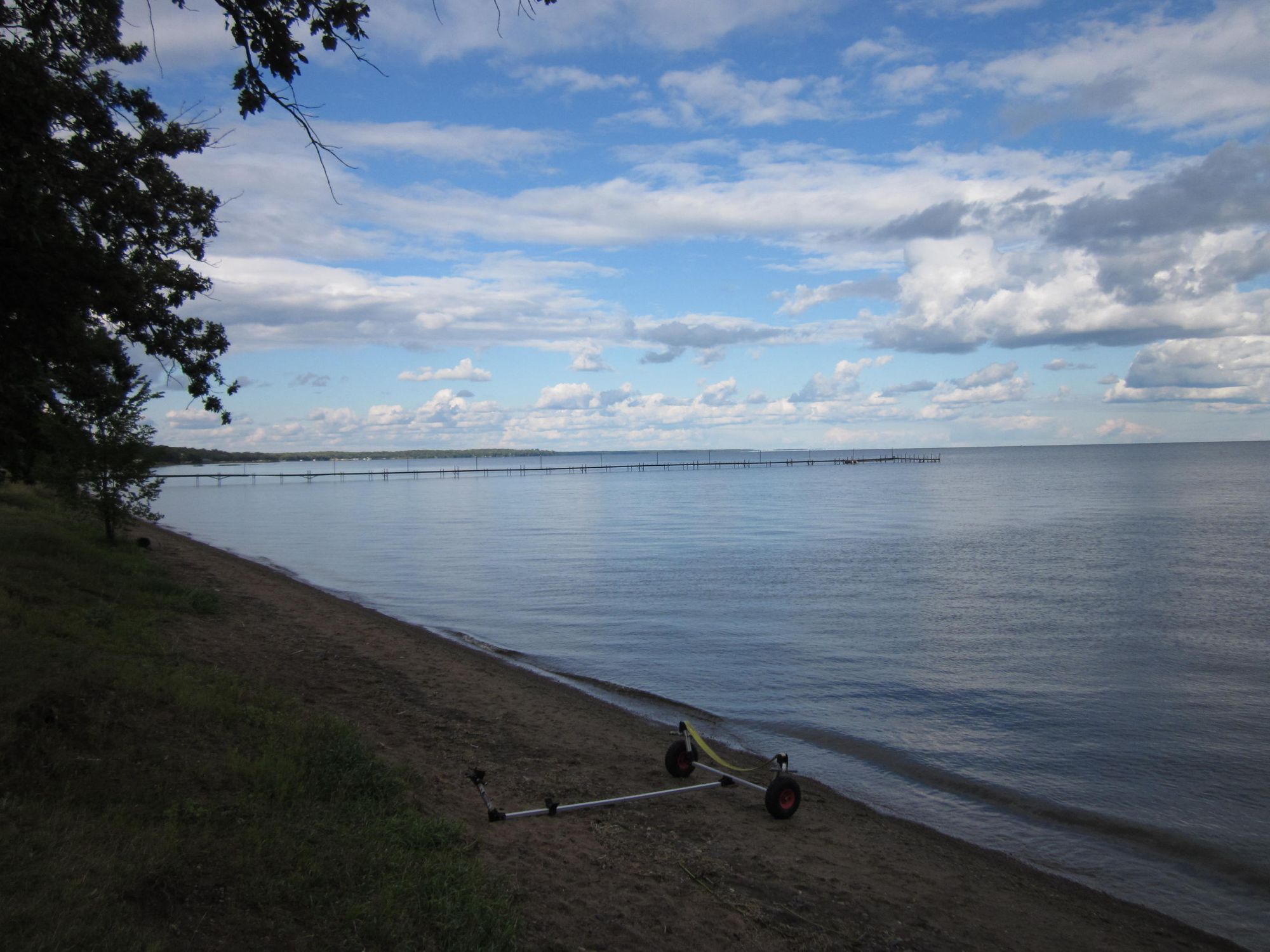
Mille Lacs Lake
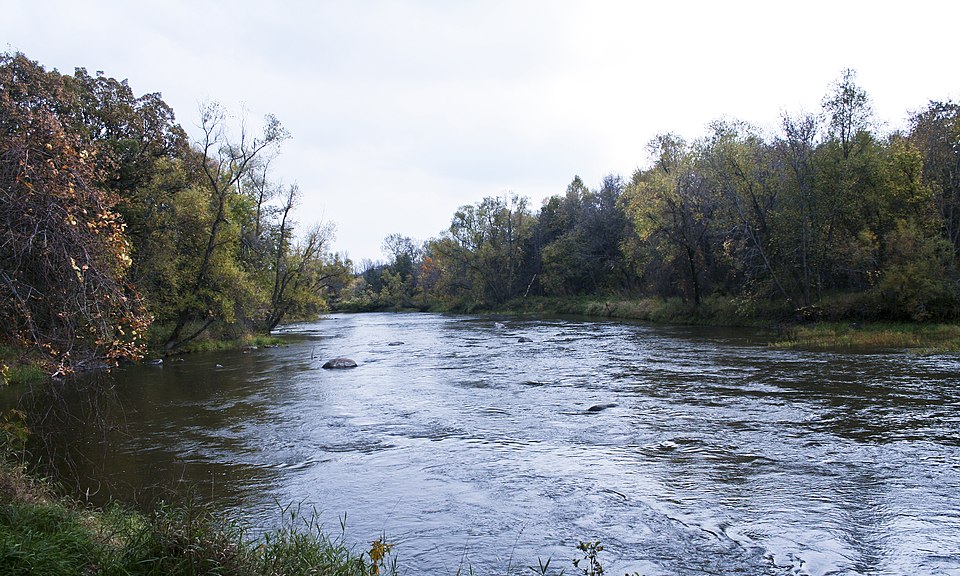
Crow River
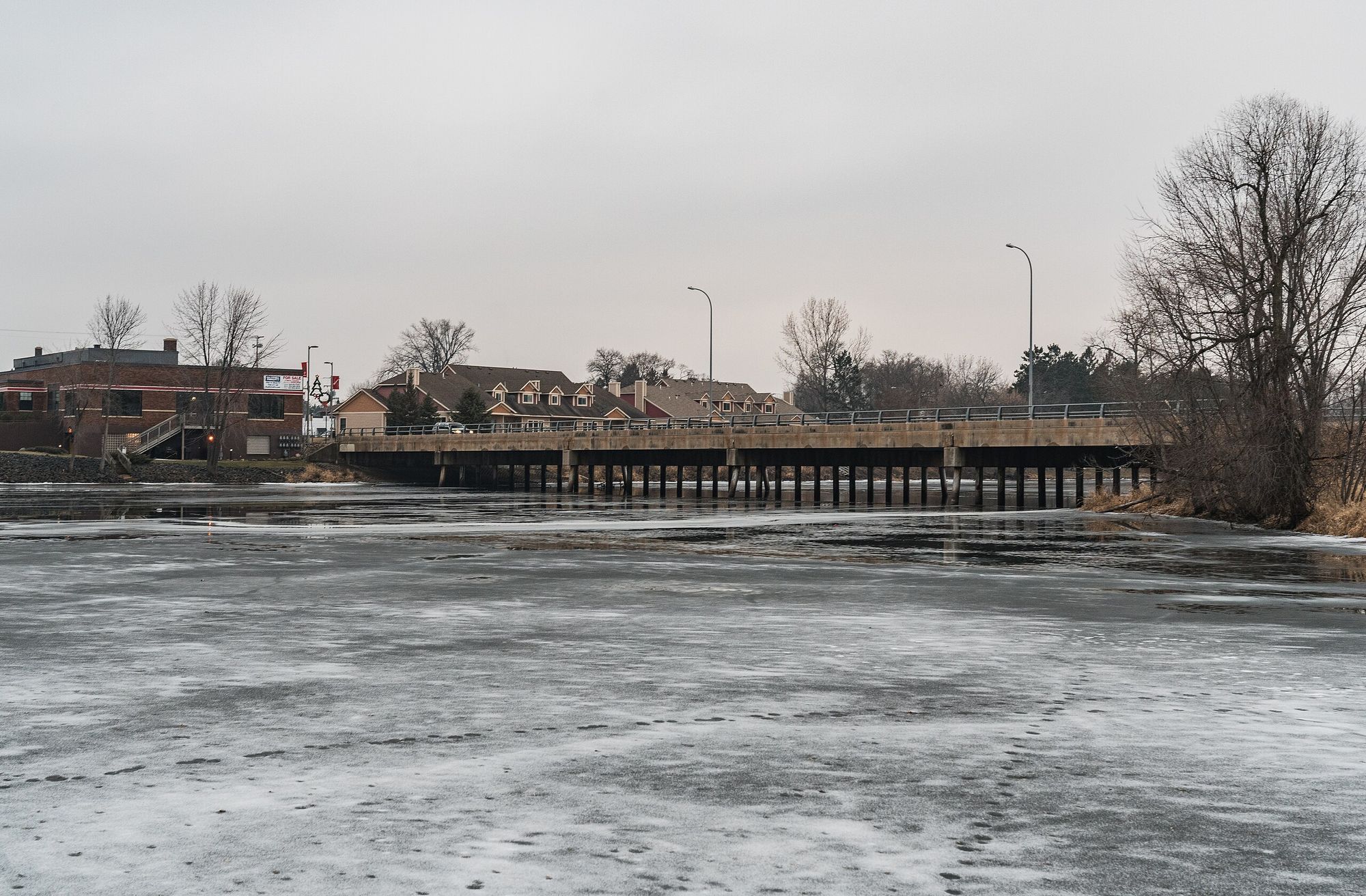
Snake River
Little Rock Lake
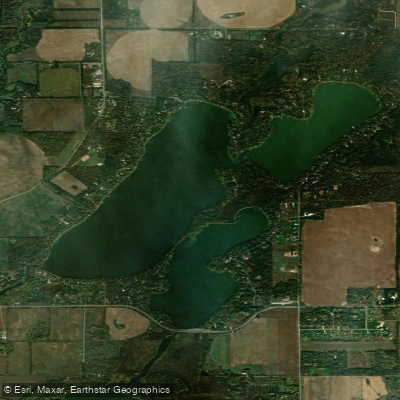
Julia Lake
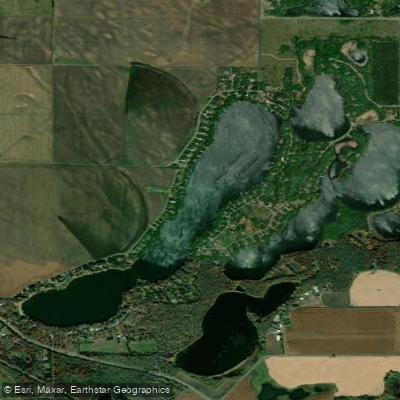
Long Lake
What to know
Habitat Distribution
- They can be found in both riverine and lacustrine environments.
Key Locations
- In Minnesota waters, they inhabit the Mississippi River system, including major tributaries.
Specific Spots
- Target areas with moderate current, fine substrates, and aquatic vegetation.
- In rivers, focus on pools, backwaters, eddies, and areas with slower current (less than 20 cm/sec), as they prefer these locations for feeding and resting.
Smallmouth Buffalo FAQ
Answers from onWater's species guide.
What are the best lures and bait for Smallmouth Buffalo in Minnesota?
Effective baits include doughballs, corn, nightcrawlers, cut bait, and minnows, with doughballs and corn being particularly successful when presented on hooks near the bottom.
What flies work for Smallmouth Buffalo in Minnesota?
For fly fishing, small patterns that imitate their natural food sources work well - consider using nymphs, small streamers, and bottom-bouncing flies.
When is the best time to fish for Smallmouth Buffalo in Minnesota?
The best fishing occurs during warmer months when they're more active, particularly in spring and fall when they move to shallower waters. Early morning and evening can be productive times.
How do you catch Smallmouth Buffalo in Minnesota?
Productive techniques include still fishing with bait on bottom, drift fishing, and slow presentations that allow the fish time to locate and inspect the offering. Fly anglers can use techniques similar to those for carp - sight fishing when possible and presenting flies quietly in the fish's path.
What do Smallmouth Buffalo eat?
Their diet consists primarily of detritus, algae scraped from rocks, zooplankton, insect larvae, mollusk larvae, and small crustaceans, using their ventral sucker mouth for bottom feeding.
Fish smarter with real-time insights
Whether you're en route and conditions shift or you're looking for the best spot based on current flows, we enable you to make informed decisions on the fly.




See it in the app
Most maps show you water.
onWater shows you Smallmouth Buffalo.



- 01 · Species map filter
Map every Smallmouth Buffalo water
Pick Smallmouth Buffalo and the map zeroes in on the waters they call home. No more guessing which lake holds them.
- 02 · Waterbody species
Tap any water. See what lives there.
Species, behavior and seasonal patterns for every lake, river and pond, before you leave the driveway.
- 03 · Angler Intelligence
Ask how to catch Smallmouth Buffalo
Tactics, gear and timing from onWater's AI fishing guide, tuned to the species and the water you're on.
Stop guessing where Smallmouth Buffalo are.
Open the map, filter by Smallmouth Buffalo, and head to water that holds them. Download onWater and plan your next trip in minutes.
- Species map filter
- Angler Intelligence
- Fishing journal
Explore other species
Trout, bass, salmon, panfish and everything in between. Each guide unpacks the behavior, seasons, and tactics that put fish in the net.
No species information available.
Minnesota licenses and regulations
Explore nearby waters
Explore Minnesota waters
Top fishing waters
Popular Cities
Loading popular cities...
Smarter Fishing Starts in the App.
onWater Fish gives you everything you need to plan smarter, fish better, and own every trip from first cast to last.