Rock Bass

Rock Bass (Ambloplites rupestris) are native to Minnesota waters and distributed throughout the state's major drainage basins including the Red River, Rainy River, Upper Mississippi River, Superior, St.
Croix, Minnesota River, Missouri River, and Lower Mississippi River systems.
Scientific Name: Ambloplites rupestris
Also known as red eyes, goggle eyes
- They're characterized by their distinctive red eyes, six anal fin spines (distinguishing them from other sunfish), large mouths capable of engulfing smallmouth bass-sized baits, and the ability to rapidly change color to match their surroundings.
- Rock Bass average 6-10 inches and rarely exceed one pound.
Fishing in Minnesota
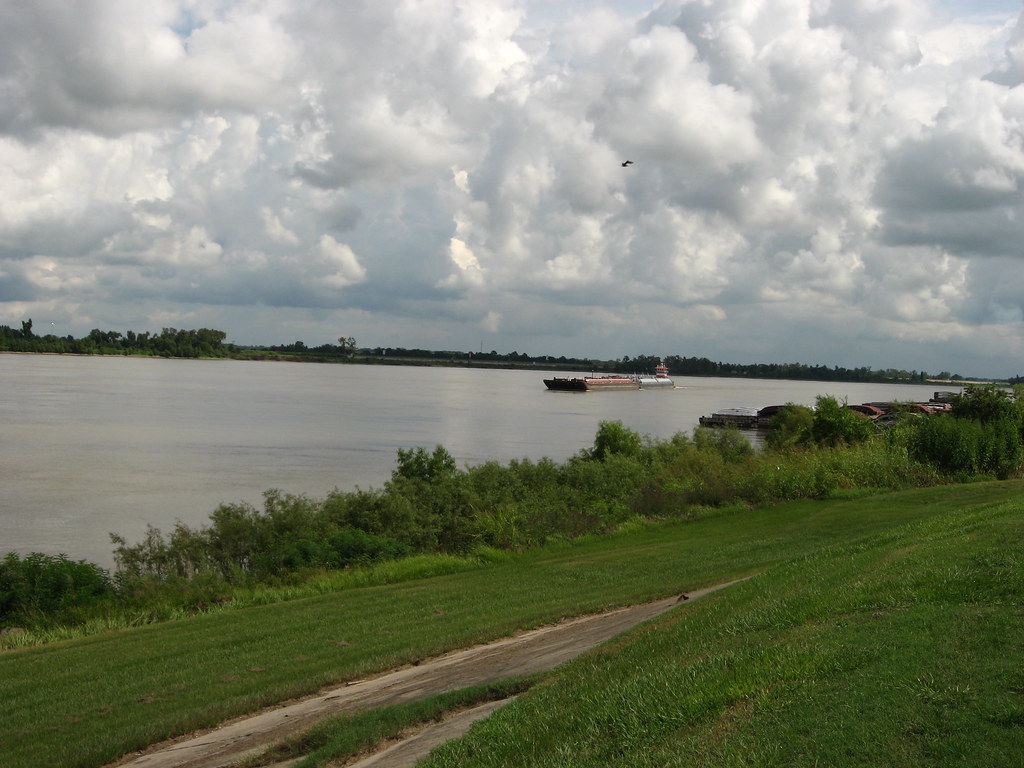
Mississippi River
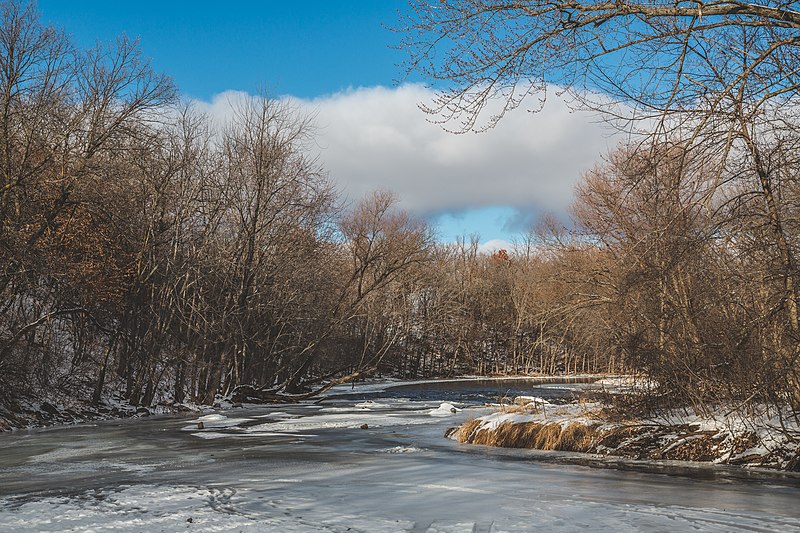
Sauk River
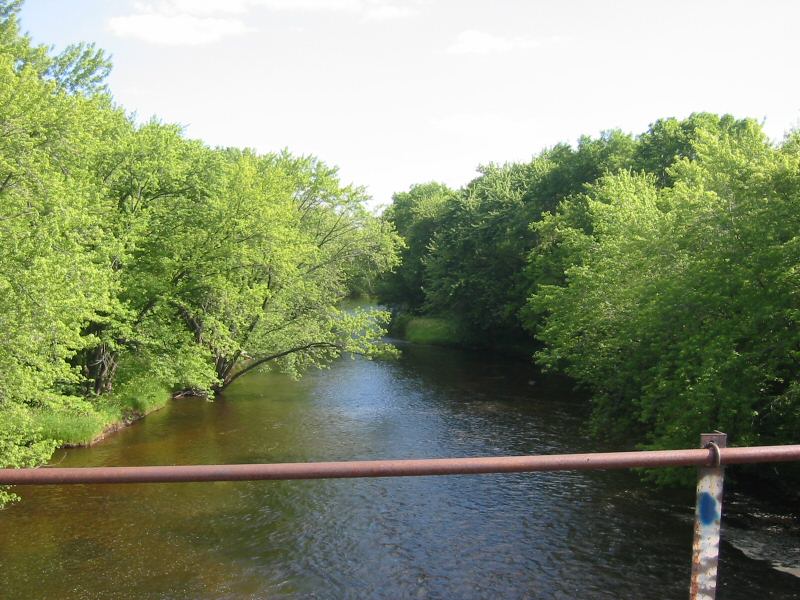
Rum River
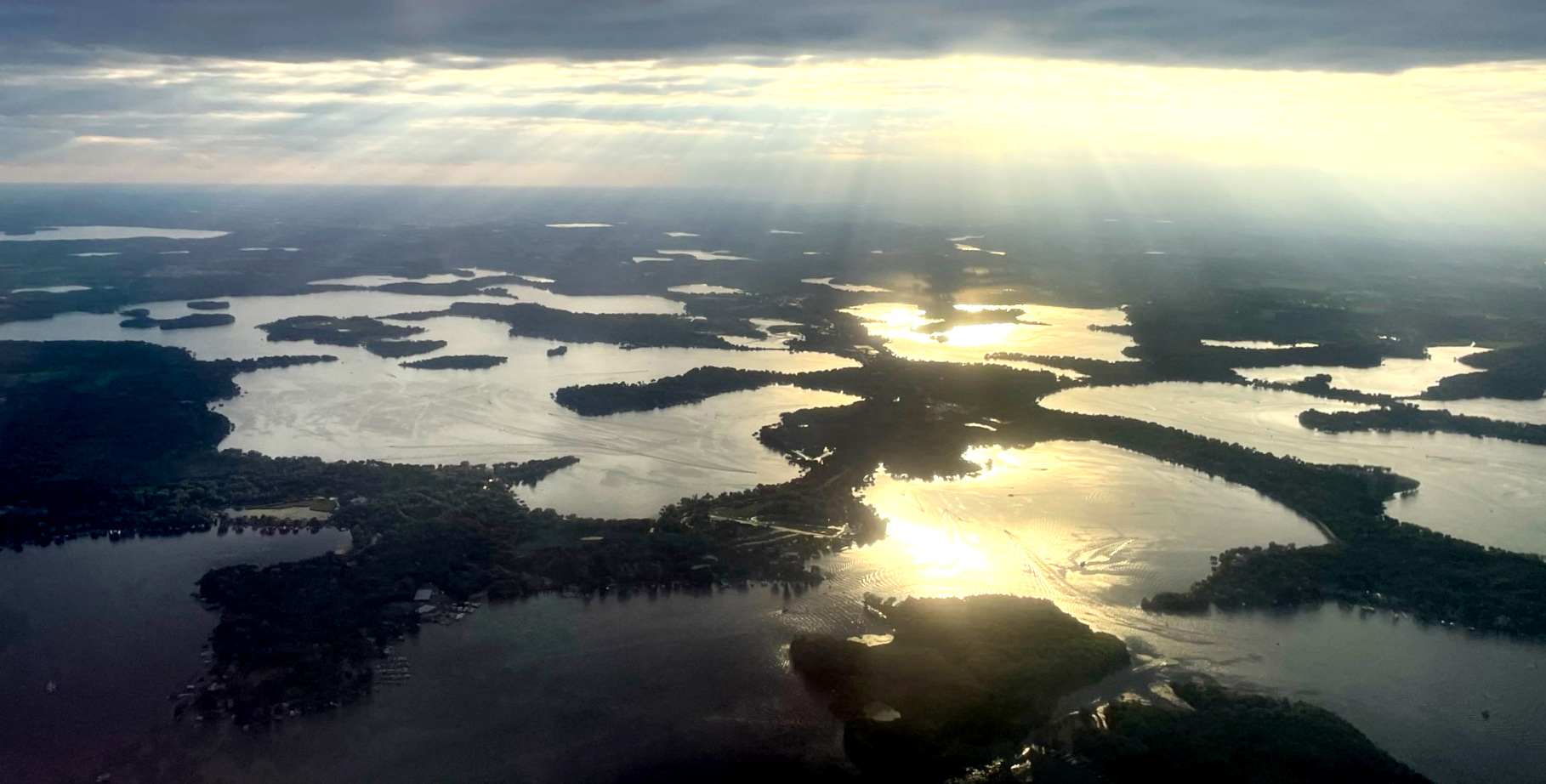
Lake Minnetonka
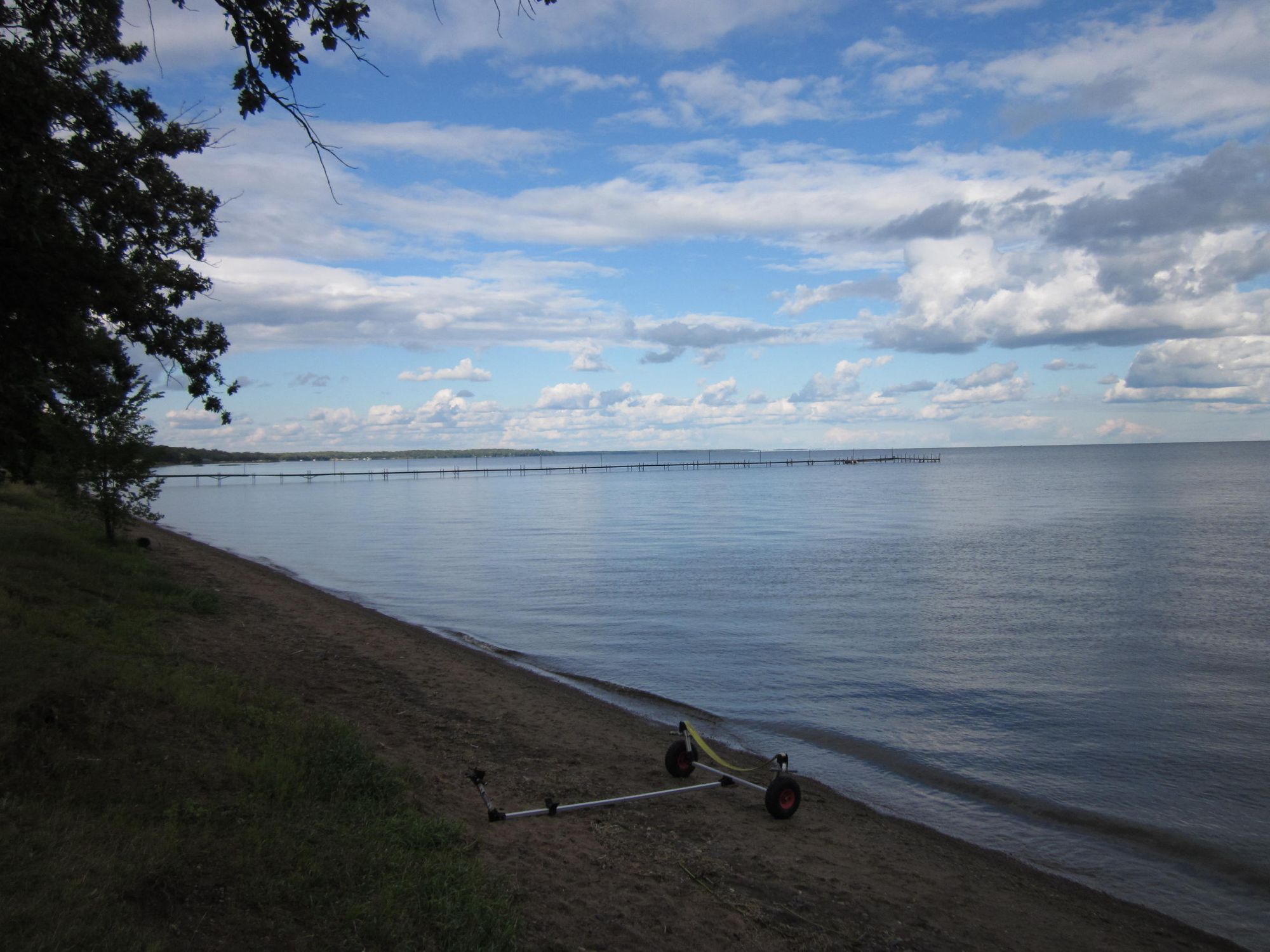
Mille Lacs Lake
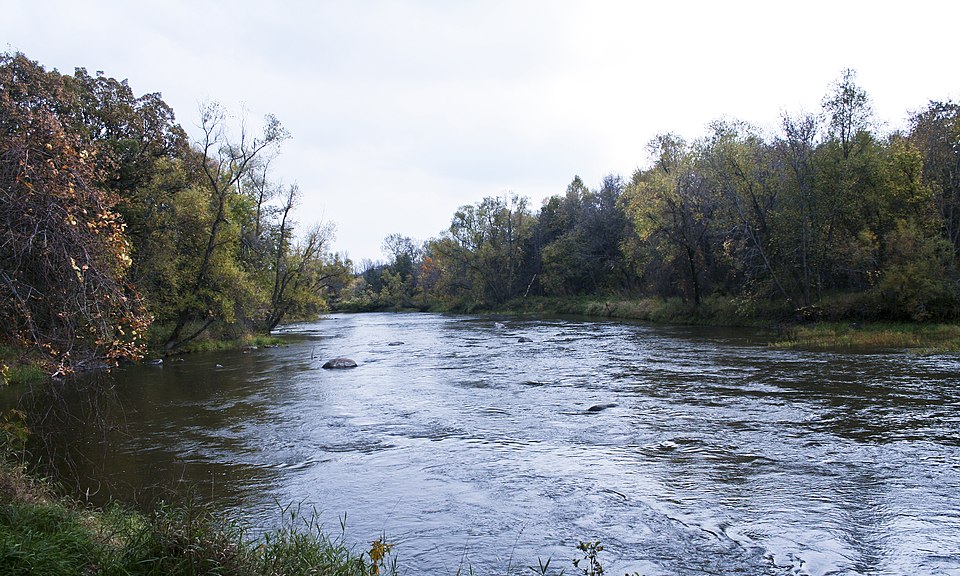
Crow River
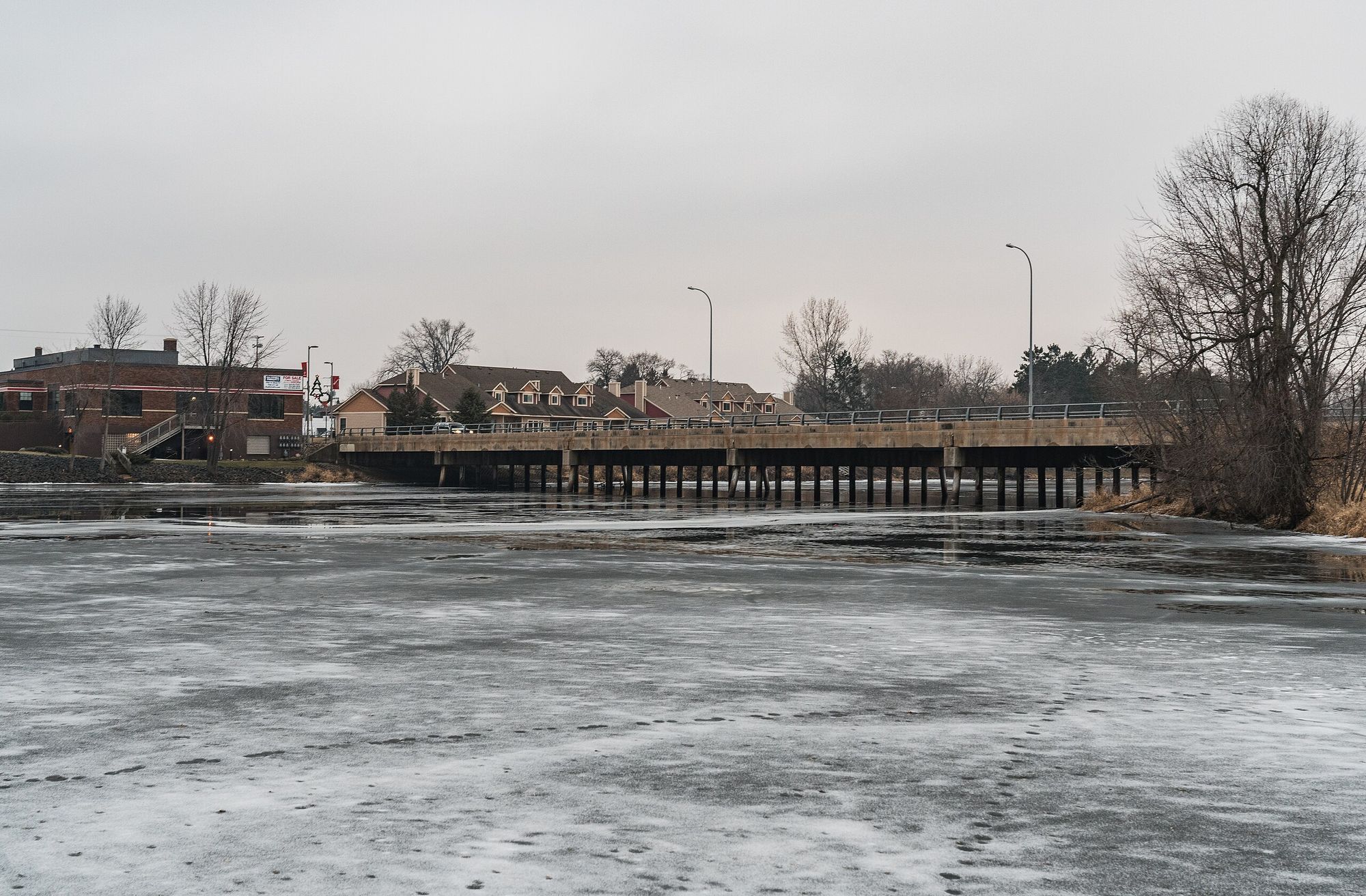
Snake River
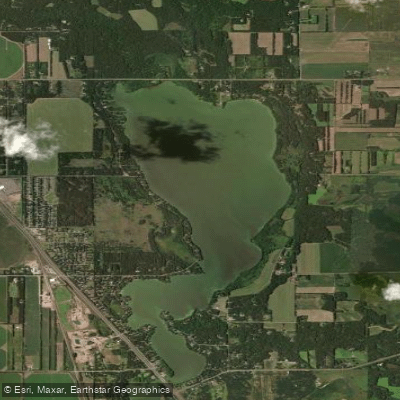
Little Rock Lake
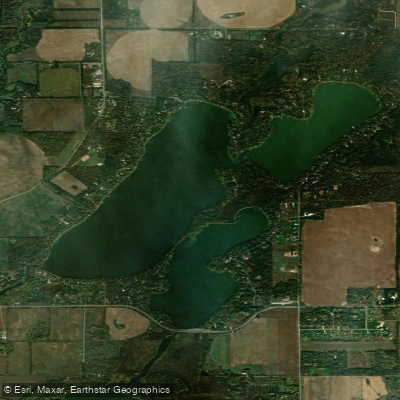
Julia Lake
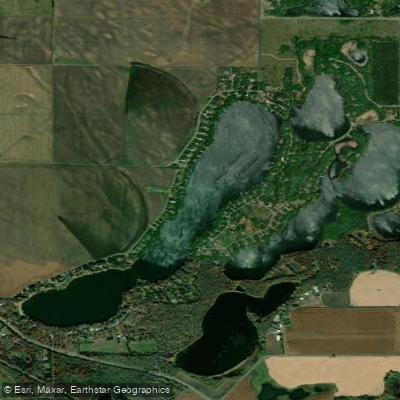
Long Lake
What to know
Habitat Distribution
- Distributed throughout the state's major drainage basins including the Red River, Rainy River, Upper Mississippi River, Superior, St.
- Croix, Minnesota River, Missouri River, and Lower Mississippi River systems.
Key Locations
- Bass Lake (Cohasset), Bowstring Lake, Caribou Lake, Cutfoot Sioux Lake, Deer Lake, Moose Lake, Pokegama Lake, Sugar Lake, and Turtle Lake.
- Some of the largest rock bass come from isolated clumps where the Mississippi River enters Minnesota lakes.
Specific Spots
- In Minnesota lakes, they prefer clear, rocky, and vegetated areas including stream pools, lake margins, rocky banks of northeastern lakes and reservoirs, woodcover, and bulrush beds.
- Target isolated bulrush beds adjacent to larger stands and expansive shallow to middle-depth flats (6-10 feet) containing patches of vegetation like milfoil and developing pondweed.
Rock Bass FAQ
Answers from onWater's species guide.
What are the best lures and bait for Rock Bass in Minnesota?
Use downsized bass baits during aggressive periods including Rapala Husky Jerk HJ06 (2½ inches), 1½- and 2-inch Rebel Crawfish, or 2-3 inch curlytail grubs on 1/8-ounce jigs.
When is the best time to fish for Rock Bass in Minnesota?
Rock Bass fishing in Minnesota is productive year-round with peak action during spawning season from late May through June. In winter, concentrate on tight schools through the ice.
How do you catch Rock Bass in Minnesota?
During and after spawn, focus on isolated bulrush beds adjacent to larger stands. Target expansive shallow to middle-depth flats (6-10 feet) containing patches of vegetation. In bulrush cover, fish Texas-rigged tubes. For searching large areas, troll Rapala Original Floaters.
What do Rock Bass eat?
They feed opportunistically on crayfish, insects, small fish including yellow perch and minnows, and invertebrates.
Where do Rock Bass live in Minnesota?
Distributed throughout the state's major drainage basins including the Red River, Rainy River, Upper Mississippi River, Superior, St. Croix, Minnesota River, Missouri River, and Lower Mississippi River systems.
Fish smarter with real-time insights
Whether you're en route and conditions shift or you're looking for the best spot based on current flows, we enable you to make informed decisions on the fly.




See it in the app
Most maps show you water.
onWater shows you Rock Bass.



- 01 · Species map filter
Map every Rock Bass water
Pick Rock Bass and the map zeroes in on the waters they call home. No more guessing which lake holds them.
- 02 · Waterbody species
Tap any water. See what lives there.
Species, behavior and seasonal patterns for every lake, river and pond, before you leave the driveway.
- 03 · Angler Intelligence
Ask how to catch Rock Bass
Tactics, gear and timing from onWater's AI fishing guide, tuned to the species and the water you're on.
Stop guessing where Rock Bass are.
Open the map, filter by Rock Bass, and head to water that holds them. Download onWater and plan your next trip in minutes.
- Species map filter
- Angler Intelligence
- Fishing journal
Explore other species
Trout, bass, salmon, panfish and everything in between. Each guide unpacks the behavior, seasons, and tactics that put fish in the net.
No species information available.
Minnesota licenses and regulations
Explore nearby waters
Explore Minnesota waters
Top fishing waters
Popular Cities
Loading popular cities...

Smarter Fishing Starts in the App.
onWater Fish gives you everything you need to plan smarter, fish better, and own every trip from first cast to last.