Bluegill
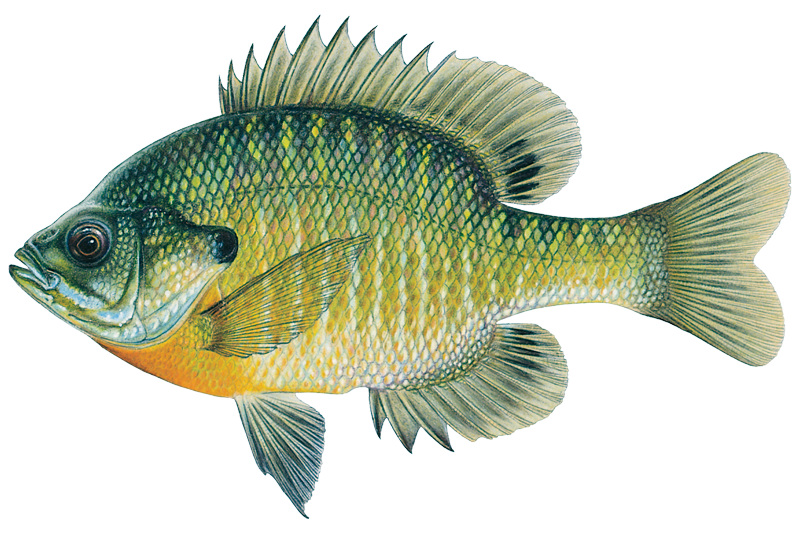
Bluegill are Minnesota's largest and most popular sunfish species, found in approximately 65% of the state's lakes and many slow-moving streams including Mississippi River backwaters.
They're rare in the Lake Superior drainage but abundant throughout central Minnesota.
Scientific Name: Lepomis macrochirus
- Bluegills typically grow 4-8 inches in length, reaching up to 10 inches in optimal conditions.
- These pan-shaped fish display distinctive coloration with dark blue ear flaps, olive-colored bodies with bluish cheeks, and bright breeding colors in males during spawning season.
Fishing in Minnesota
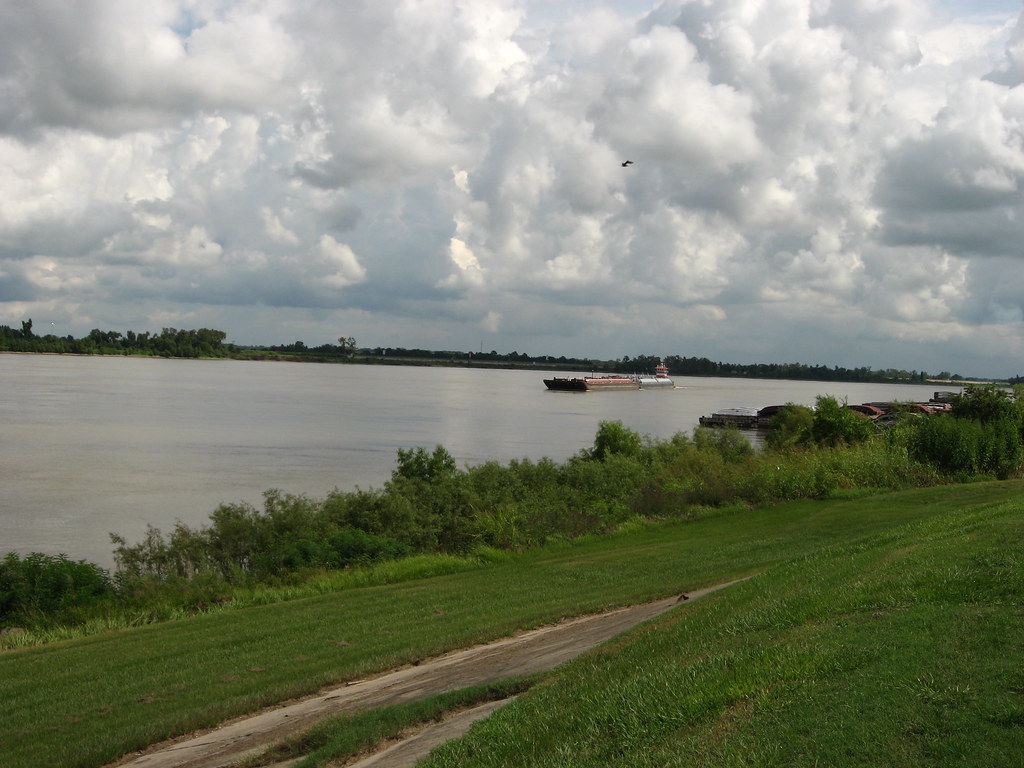
Mississippi River
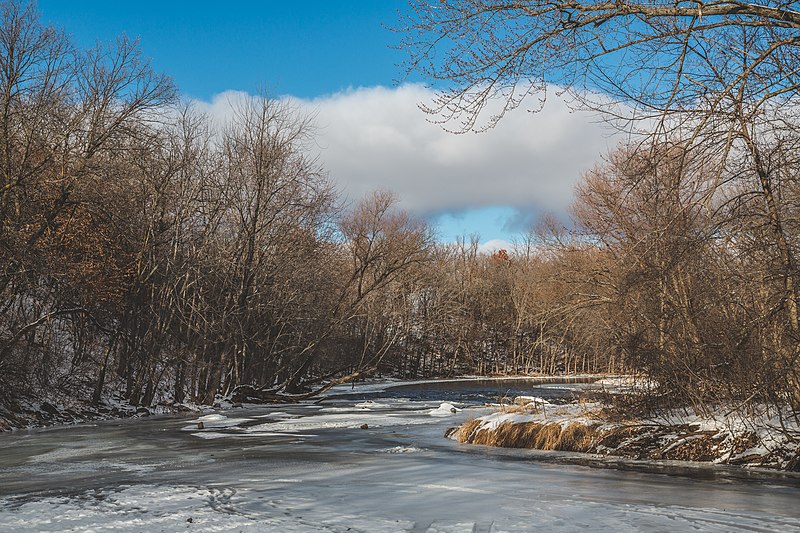
Sauk River
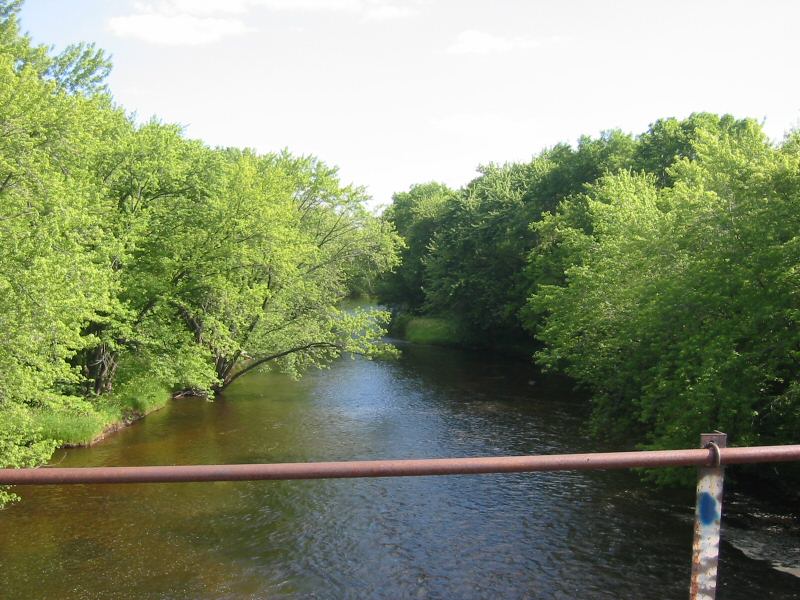
Rum River
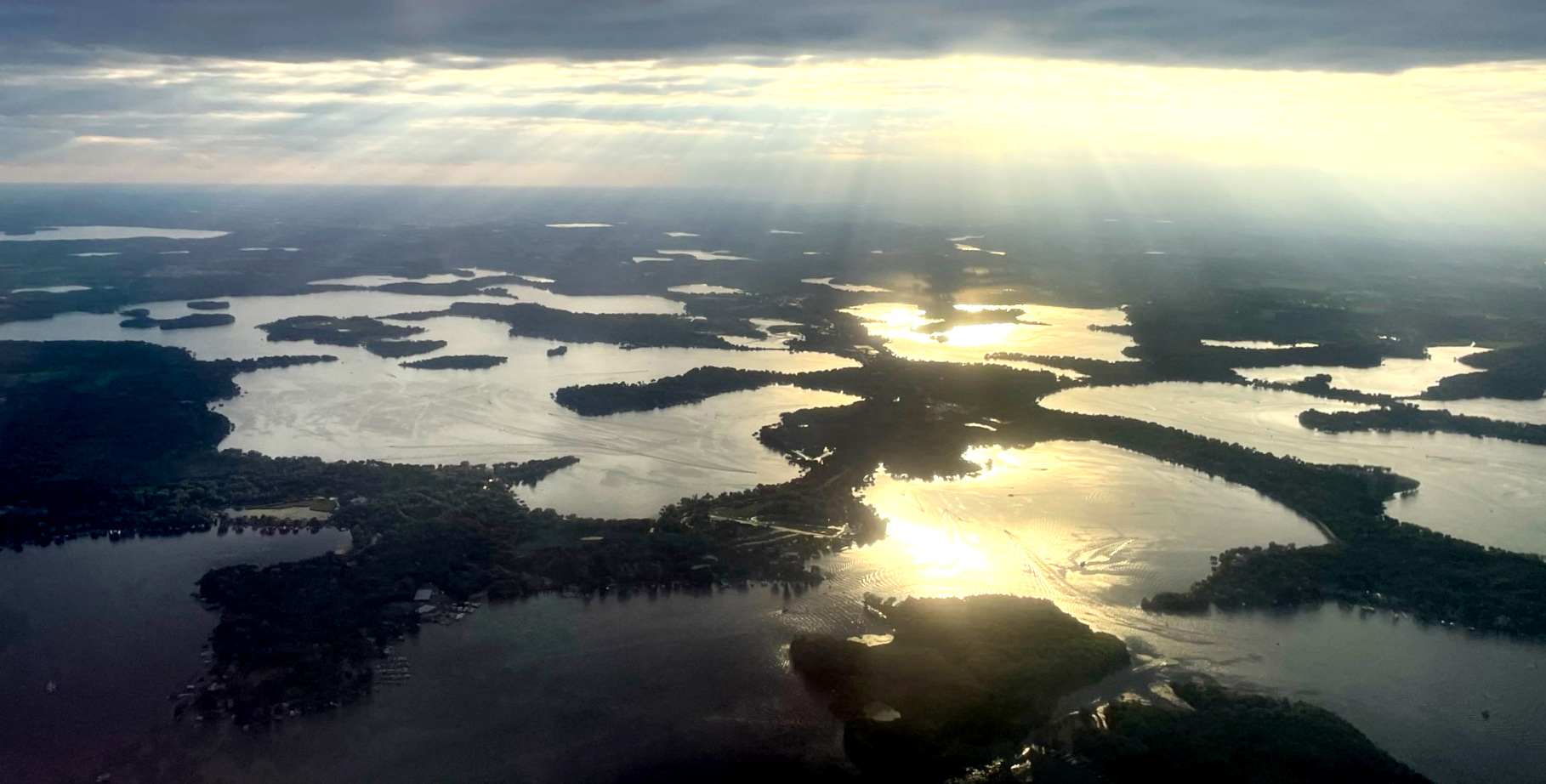
Lake Minnetonka
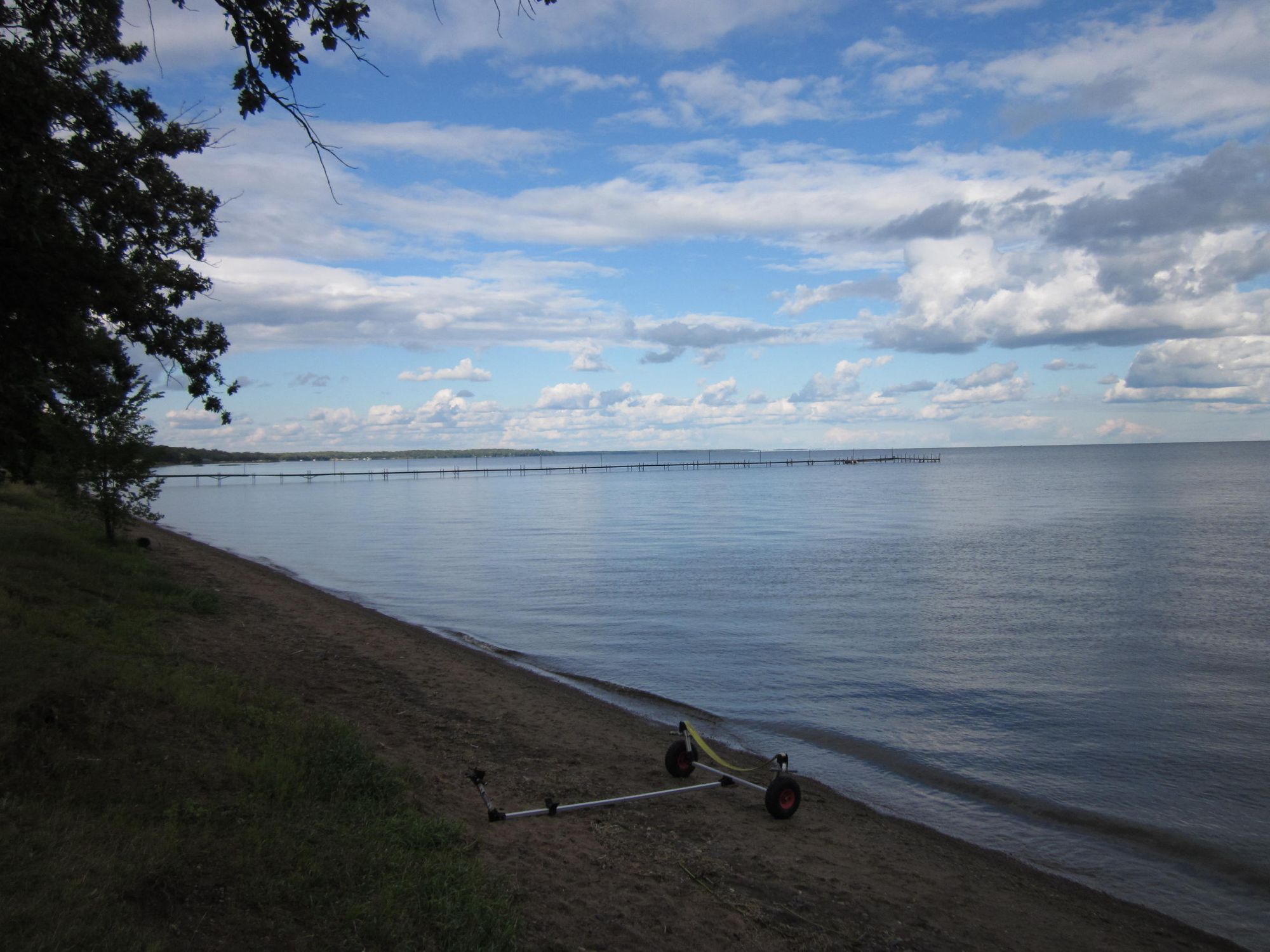
Mille Lacs Lake
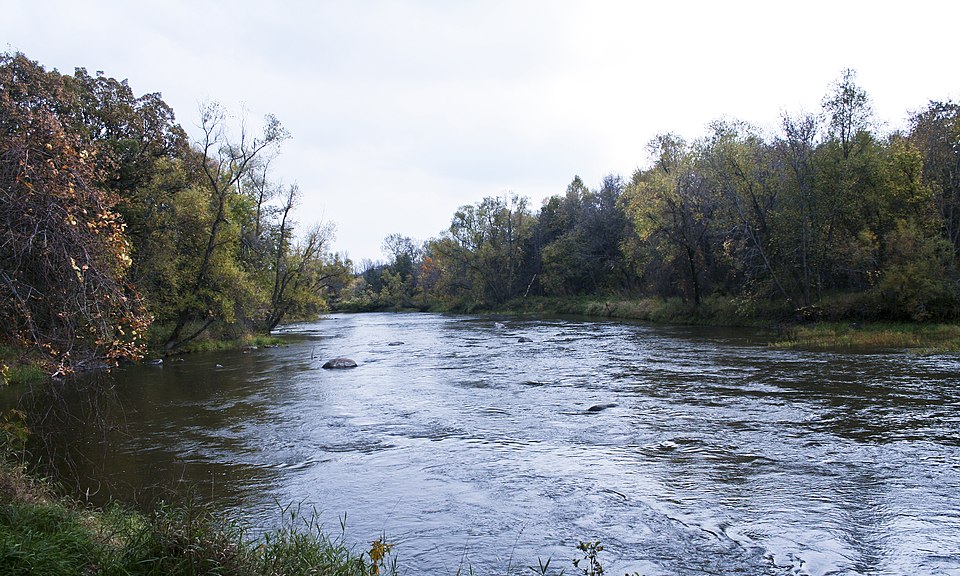
Crow River
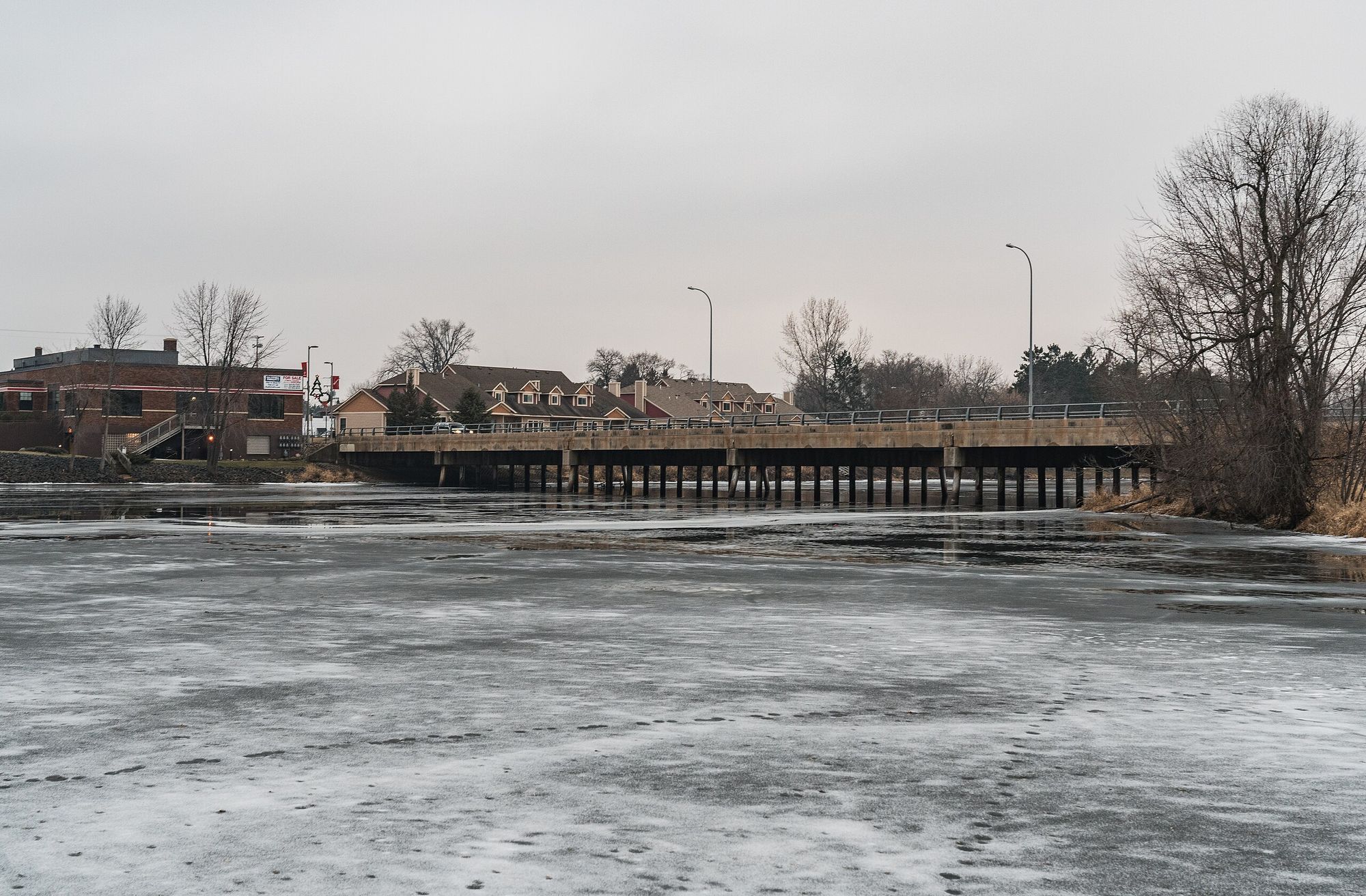
Snake River
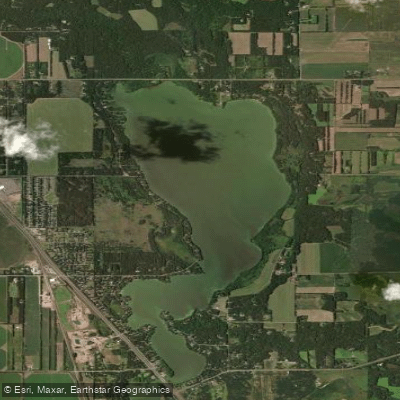
Little Rock Lake
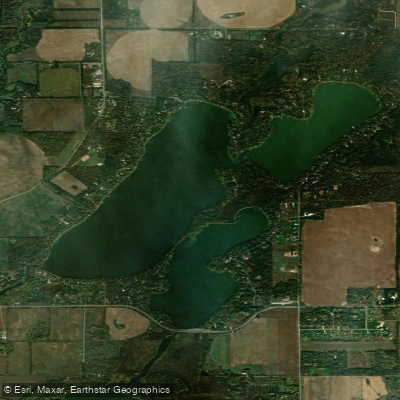
Julia Lake
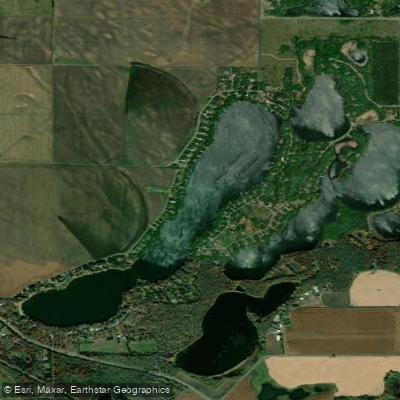
Long Lake
What to know
Habitat Distribution
- Bluegills prefer warm, weedy shallow waters of lakes, ponds, and slow rivers.
- They're rare in the Lake Superior drainage but abundant throughout central Minnesota.
Key Locations
- Top Minnesota destinations include Lake Vermilion's coves and weed-lined shores, Crane Lake's shallow bays and inlets, Lake of the Woods backwaters, plus lakes Mille Lacs, Minnetonka, and Winnibigoshish.
Specific Spots
- Often found around fallen logs, brush piles, aquatic vegetation, and pier pylons.
- In spring, target shallow areas (1-3 feet) near shoreline vegetation.
- Summer fishing moves to deeper water (10+ feet) along weedlines, sunken brush, underwater humps, and rocky points just above the thermocline.
- Fall finds them in late summer locations plus shallow weed beds and bulrush areas.
Bluegill FAQ
Answers from onWater's species guide.
What are the best lures and bait for Bluegill in Minnesota?
Nightcrawlers, waxworms, small jigs, tiny spinners (1/32-1/16 oz), beetle-spin lures. Use chartreuse, white/pink, or contrasting color combinations in darker waters.
What flies work for Bluegill in Minnesota?
Terrestrial patterns like black ants (size 14-18), beetles (size 12-14), grasshoppers (size 8-10), foam spiders, woolly buggers, poppers, and rubber spiders.
When is the best time to fish for Bluegill in Minnesota?
Prime fishing occurs in spring and early summer when they're in shallow spawning areas, and again in fall. In spring, target shallow areas (1-3 feet) near shoreline vegetation. Summer fishing moves to deeper water (10+ feet) along weedlines, sunken brush, underwater humps, and rocky points just above the thermocline.
How do you catch Bluegill in Minnesota?
Three effective techniques include: 1) Bobber fishing with small pencil-style floats - cast beyond beds and retrieve slowly; 2) Casting tiny spinners, beetle-spin lures, or small jigs; 3) Fly fishing with terrestrial patterns.
What do Bluegill eat?
They're omnivorous with relatively small mouths, feeding primarily on aquatic insects like mayflies, caddisflies, and dragonflies, plus crayfish, leeches, snails, zooplankton, and occasionally small fish. Young bluegills consume rotifers and water fleas, while larger adults may feed on plankton in open water.
Fish smarter with real-time insights
Whether you're en route and conditions shift or you're looking for the best spot based on current flows, we enable you to make informed decisions on the fly.




See it in the app
Most maps show you water.
onWater shows you Bluegill.



- 01 · Species map filter
Map every Bluegill water
Pick Bluegill and the map zeroes in on the waters they call home. No more guessing which lake holds them.
- 02 · Waterbody species
Tap any water. See what lives there.
Species, behavior and seasonal patterns for every lake, river and pond, before you leave the driveway.
- 03 · Angler Intelligence
Ask how to catch Bluegill
Tactics, gear and timing from onWater's AI fishing guide, tuned to the species and the water you're on.
Stop guessing where Bluegill are.
Open the map, filter by Bluegill, and head to water that holds them. Download onWater and plan your next trip in minutes.
- Species map filter
- Angler Intelligence
- Fishing journal
Explore other species
Trout, bass, salmon, panfish and everything in between. Each guide unpacks the behavior, seasons, and tactics that put fish in the net.
No species information available.
Minnesota licenses and regulations
Explore nearby waters
Explore Minnesota waters
Top fishing waters
Popular Cities
Loading popular cities...

Smarter Fishing Starts in the App.
onWater Fish gives you everything you need to plan smarter, fish better, and own every trip from first cast to last.