Largemouth Bass
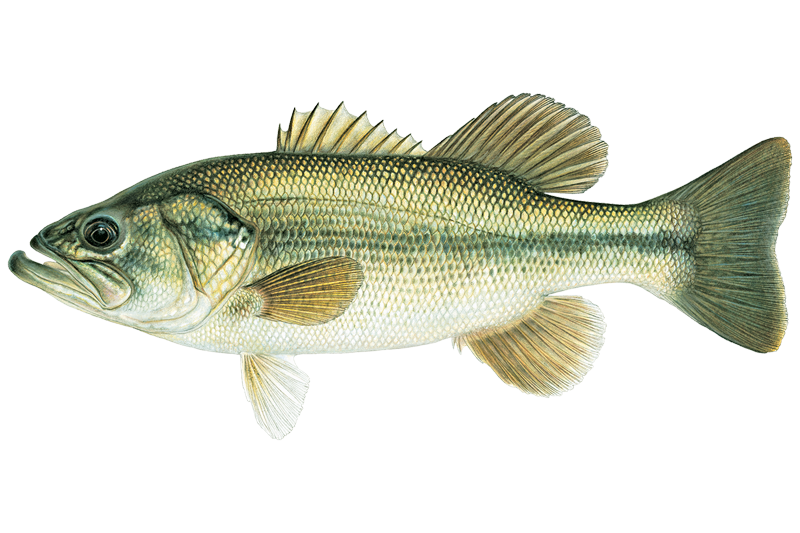
Largemouth Bass are one of Minnesota's most popular sportfish, found in over 2,000 lakes across all major drainages. They're most common in central to north-central portions of the state.
Scientific Name: Micropterus salmoides
These bass are characterized by their football-shaped, laterally compressed bodies with dark-green backs, white to grayish bellies, and a distinctive dark black lateral stripe from gill plate to tail. Their large mouths extend past the eyes when closed.
In Minnesota, they typically reach 10-13 inches and 2-3 pounds in 3-4 years, with the state record being 8 pounds 15 ounces from Auburn Lake.
Fishing in Minnesota,
No nearby waters found.
What to know
Habitat Distribution
They inhabit small to medium-sized clear lakes with warm waters, sandy shorelines, and numerous weed beds. They also thrive in muddy lakes of southern Minnesota and backwaters of the Mississippi and St. Croix Rivers.Key Locations
Lake Minnetonka (which hosts more bass tournaments than any other Minnesota lake), Mille Lacs Lake, Leech Lake, Lake Vermilion, Green Lake near Spicer, the Mississippi River pools, and numerous central and northern Minnesota lakes.Specific Spots
Target bass around weedlines, fallen trees, brush piles, docks, lily pad bays, rocky points, and submerged structure.Largemouth Bass FAQ
Answers from onWater's species guide.
What are the best lures and bait for Largemouth Bass in Minnesota,?
Plastic worms, soft plastic jigs, tube jigs, swim baits, surface lures, spinners, spoons, buzzbaits, spinnerbaits, and crankbaits.
What flies work for Largemouth Bass in Minnesota,?
Poppers (Boogle Bug, Double Barrel Popper patterns), streamers (Wooly Bugger, Clouser Minnow, Deceiver), and bug patterns.
When is the best time to fish for Largemouth Bass in Minnesota,?
The best fishing for Largemouth Bass in Minnesota runs from mid-May through February, with peak action occurring from May through September.
How do you catch Largemouth Bass in Minnesota,?
In heavy vegetation, use weedless presentations with buried hooks. Fish poppers with foot-long strips followed by 5-15 second pauses. In summer heat, target bass around deeper structure with deep-diving crankbaits and weighted presentations.
What do Largemouth Bass eat?
Largemouth Bass are carnivorous predators that undergo dietary shifts throughout their lives - larvae feed on copepods and waterfleas, juveniles consume small insect larvae and eventually small fish, while adults primarily eat fish (including sunfish, yellow perch, and minnows), crayfish, surface insects, and frogs.
Fish smarter with real-time insights
Whether you're en route and conditions shift or you're looking for the best spot based on current flows, we enable you to make informed decisions on the fly.







See it in the app
Most maps show you water.
onWater shows you Largemouth Bass.



- 01 · Species map filter
Map every Largemouth Bass water
Pick Largemouth Bass and the map zeroes in on the waters they call home. No more guessing which lake holds them.
- 02 · Waterbody species
Tap any water. See what lives there.
Species, behavior and seasonal patterns for every lake, river and pond, before you leave the driveway.
- 03 · Angler Intelligence
Ask how to catch Largemouth Bass
Tactics, gear and timing from onWater's AI fishing guide, tuned to the species and the water you're on.
Stop guessing where Largemouth Bass are.
Open the map, filter by Largemouth Bass, and head to water that holds them. Download onWater and plan your next trip in minutes.
- Species map filter
- Angler Intelligence
- Fishing journal
Explore other species
Trout, bass, salmon, panfish and everything in between. Each guide unpacks the behavior, seasons, and tactics that put fish in the net.

Find which waters have the species you want to catch

Smallmouth Bass

Brown Trout
Salmo trutta

Brook Trout
Salvelinus fontinalis

Northern Pike
Esox lucius

Muskellunge
Esox masquinongy

Walleye
Sander vitreus

Black Crappie
Pomoxis nigromaculatus

Channel Catfish
Ictalurus punctatus

Lake Sturgeon
Acipenser fulvescens

Rock Bass
Ambloplites rupestris
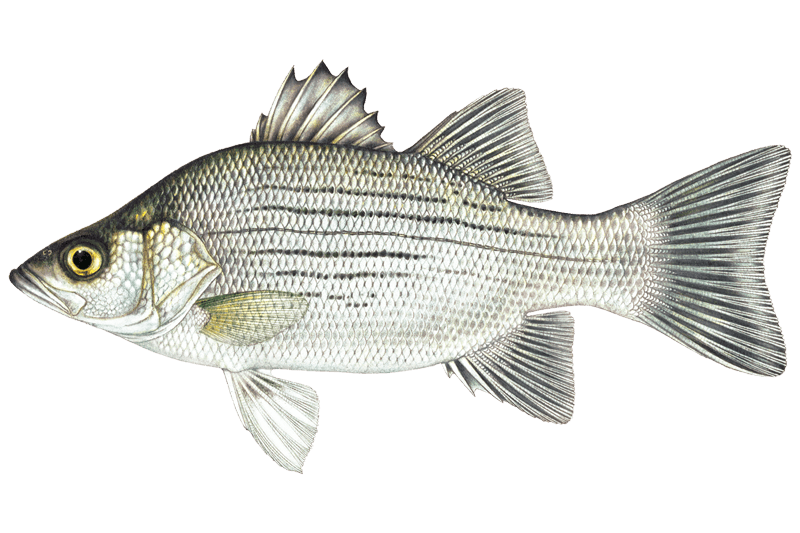
White Bass
Morone chrysops
Minnesota, licenses and regulations
No licenses or regulations available for Minnesota,.
Explore nearby waters
Explore Minnesota, waters
Top fishing waters
No waters available right now.
Popular Cities
Loading popular cities...
Smarter Fishing Starts in the App.
onWater Fish gives you everything you need to plan smarter, fish better, and own every trip from first cast to last.