Bluegill
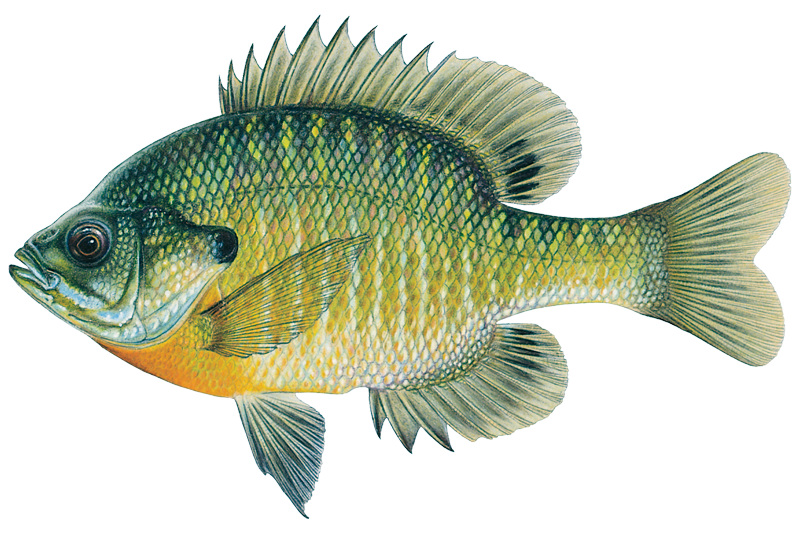
Bluegill are native to Michigan's waters east of the Rocky Mountains and are among the state's most abundant panfish species.
They're omnivorous opportunistic feeders and school together, serving as important forage for bass, northern pike, muskellunge, walleye, and other predators in Michigan's aquatic ecosystems.
Scientific Name: Lepomis macrochirus
- Bluegill typically reach 4-12 inches in Michigan waters, with some specimens exceeding 8-9 inches.
Fishing in Michigan
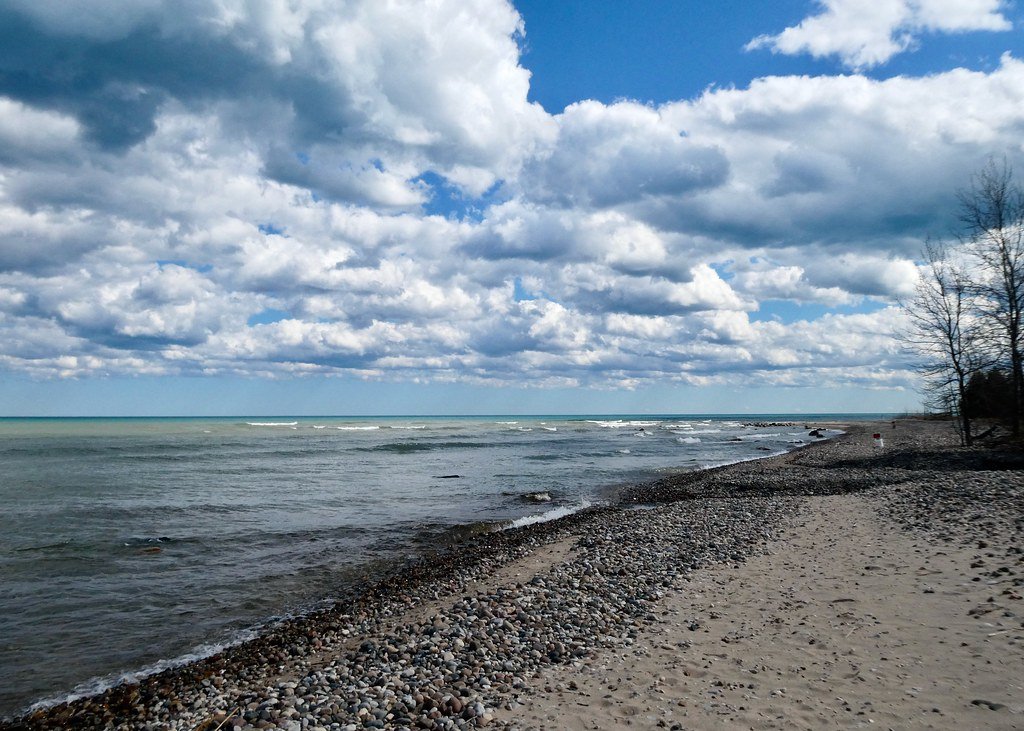
Lake Huron
Flat River
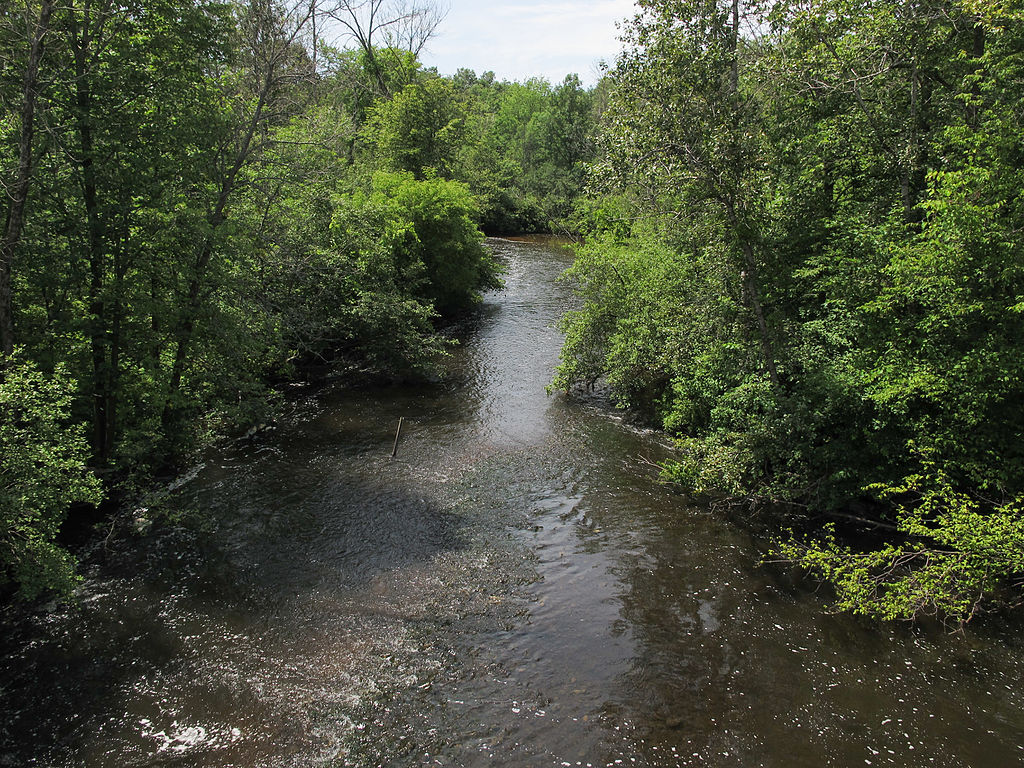
Muskegon River
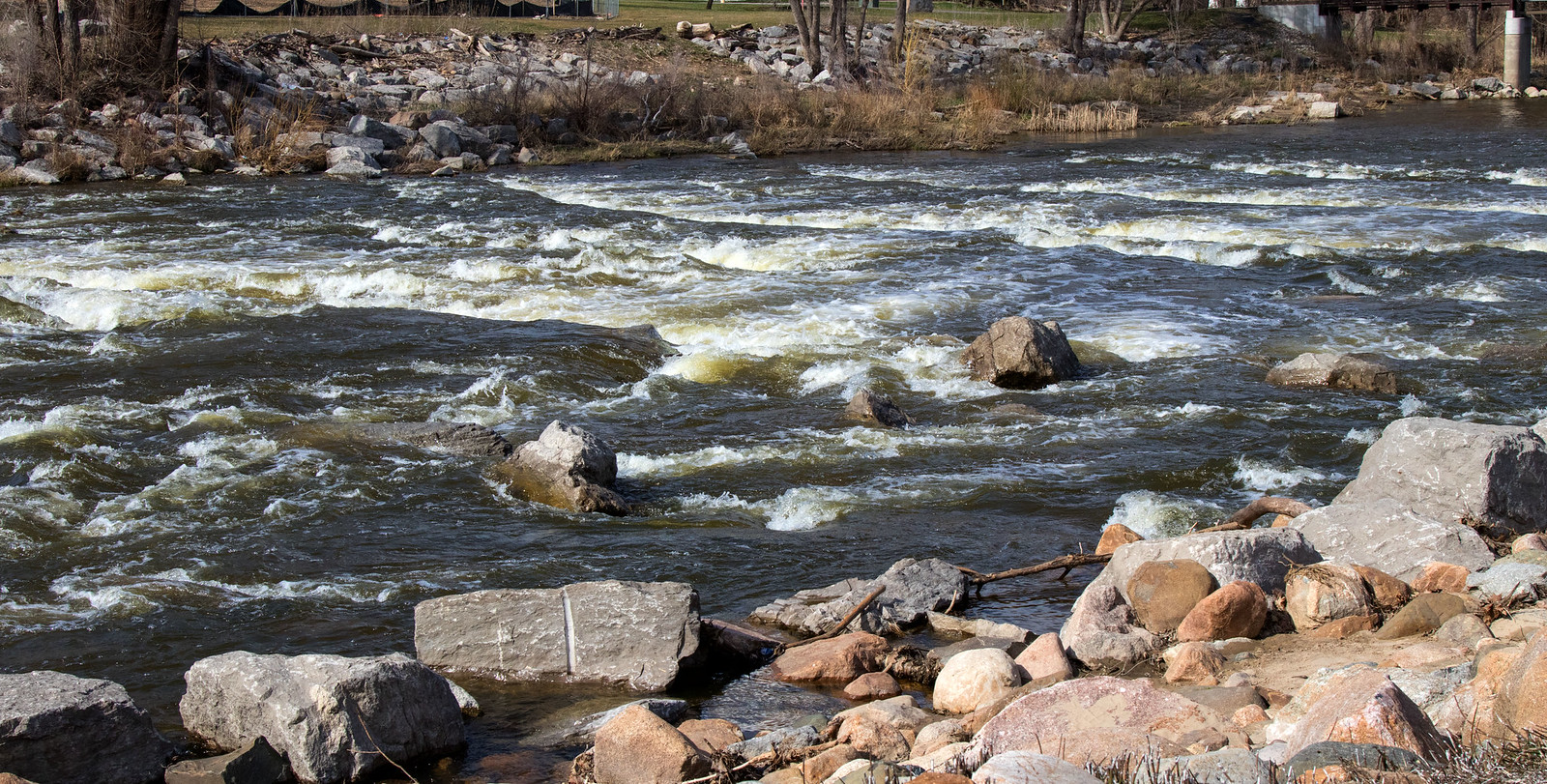
Shiawassee River
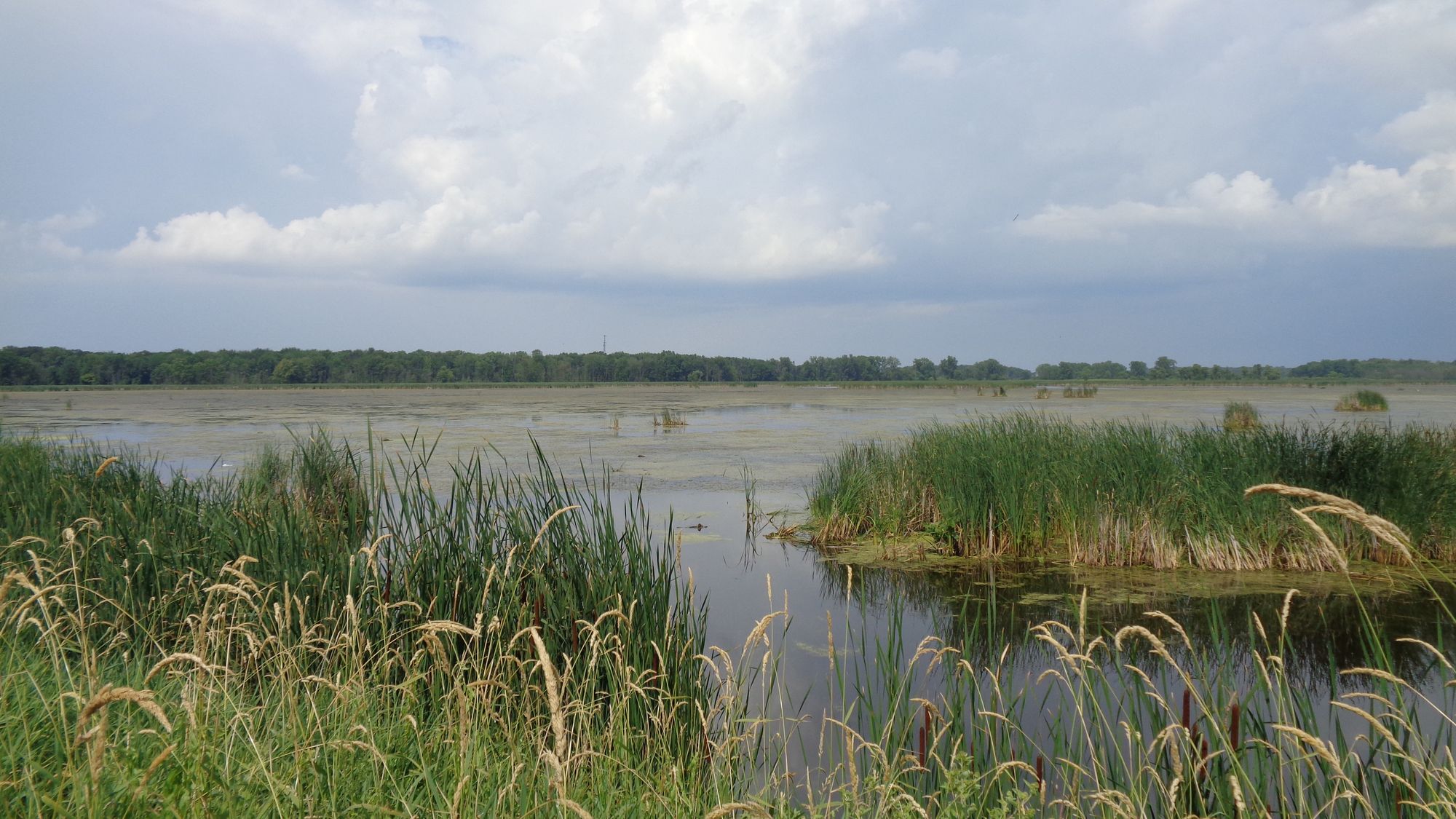
Maple River
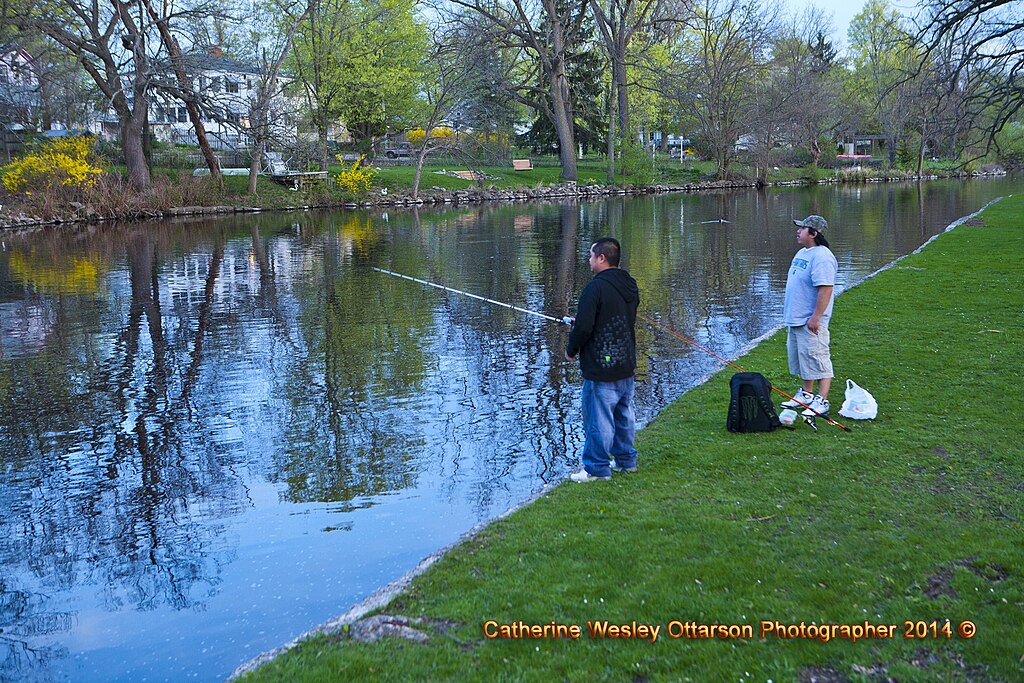
Grand River
Saginaw River
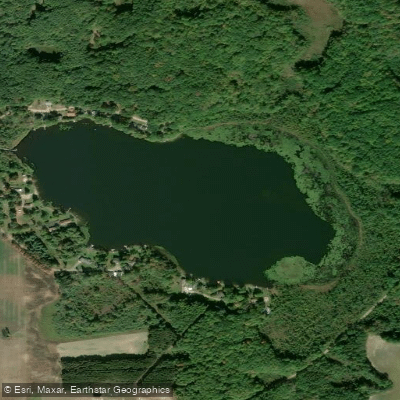
Halls Lake
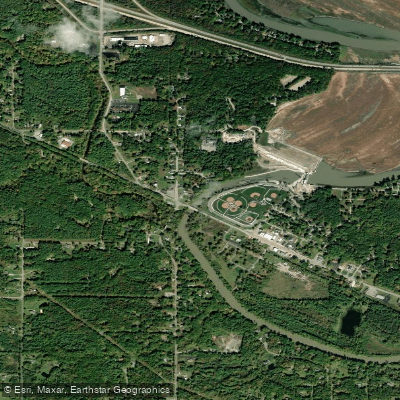
Tittabawassee River
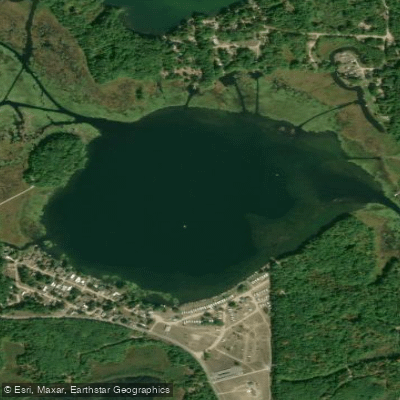
Tubbs Lake
What to know
Habitat Distribution
- Commonly found in lakes, ponds, reservoirs, and slow-moving streams throughout both peninsulas.
Key Locations
- Gun Lake (Barry County), Houghton Lake, Union Lake, Bennett Lake (Livingston County), Cedar Lake (Van Buren County), Big Fish Lake (Cass County), Loon Lake and Oakland Lake (Oakland County), Lake Ovid (Clinton County), Hamlin Lake (Mason County), Bear Lake (Manistee County), and the Fortune Lakes Chain (Iron County).
- For ice fishing: Saginaw Bay, Hamlin Lake, Gun Lake, Upper and Lower Crooked Lakes, and Lake Gogebic.
Specific Spots
- Target shallow areas (1-6 feet) around vegetation, fallen timber, docks, and protected bays during spring.
- Prefer areas with adequate cover including vegetation like cabbage, coontail, lily pads, and woody structure such as downed trees, brush piles, and docks.
- In summer, focus on deeper water (10-20 feet) around mid-lake humps and submerged structure.
- Target weed lines, drop-offs, and structure.
Bluegill FAQ
Answers from onWater's species guide.
What are the best lures and bait for Bluegill in Michigan?
1-inch Mister Twister curly tail grubs on 1/32-1/16 oz jig heads in chartreuse, Johnson Beetle Spin spinnerbaits (1/16 oz in black with yellow/white stripes), Worden's Original Rooster tail spinners (1/16 oz with gold blade), Rapala Ultralight Floating Minnows, small crankbaits, and Acme Phoebe spoons (1/16 oz in...
What flies work for Bluegill in Michigan?
Woolly buggers (size 8-10 in olive or black), small foam spiders (black, gray, or brown), Royal Coachman flies, small floating poppers (size 8-10 with chartreuse, blue, and yellow colors), foam beetles, bumblebees, and mobile ants. The Pass Lake Special and James Wood Bucktail work well for larger bluegill.
When is the best time to fish for Bluegill in Michigan?
Spring through early summer offers the best bluegill fishing in Michigan, with prime action occurring from May through August. In summer, focus on deeper water (10-20 feet) around mid-lake humps and submerged structure.
How do you catch Bluegill in Michigan?
Fish under bobbers or on drop-shot rigs. Target weed lines, drop-offs, and structure. Ice fishing using small jigs.
What do Bluegill eat?
They consume zooplankton, aquatic and terrestrial insects, small baitfish, crayfish, snails, and occasionally aquatic vegetation. Their diet includes chironomids (midges), mayflies, caddisflies, dragonflies, ants, grasshoppers, and spiders.
Fish smarter with real-time insights
Whether you're en route and conditions shift or you're looking for the best spot based on current flows, we enable you to make informed decisions on the fly.




See it in the app
Most maps show you water.
onWater shows you Bluegill.



- 01 · Species map filter
Map every Bluegill water
Pick Bluegill and the map zeroes in on the waters they call home. No more guessing which lake holds them.
- 02 · Waterbody species
Tap any water. See what lives there.
Species, behavior and seasonal patterns for every lake, river and pond, before you leave the driveway.
- 03 · Angler Intelligence
Ask how to catch Bluegill
Tactics, gear and timing from onWater's AI fishing guide, tuned to the species and the water you're on.
Stop guessing where Bluegill are.
Open the map, filter by Bluegill, and head to water that holds them. Download onWater and plan your next trip in minutes.
- Species map filter
- Angler Intelligence
- Fishing journal
Explore other species
Trout, bass, salmon, panfish and everything in between. Each guide unpacks the behavior, seasons, and tactics that put fish in the net.
No species information available.
Michigan licenses and regulations
Explore nearby waters
Explore Michigan waters
Top fishing waters
Popular Cities
Loading popular cities...

Smarter Fishing Starts in the App.
onWater Fish gives you everything you need to plan smarter, fish better, and own every trip from first cast to last.