Redbreast Sunfish

Redbreast sunfish are native to Maryland's eastern watersheds, found throughout the state's rivers, lakes, and streams including the Monocacy River, Patapsco River, and Potomac River systems.
Scientific Name: Lepomis auritus
- In Maryland, they're distinguishable by their olive to brownish gray backs merging to blue with golden sides and bright orange to yellow undersides, plus several irregular bluish stripes on their cheeks and distinctive long black opercular (gill) flaps.
- These panfish reach about 8 inches on average, with a maximum of 12 inches.
Fishing in Maryland
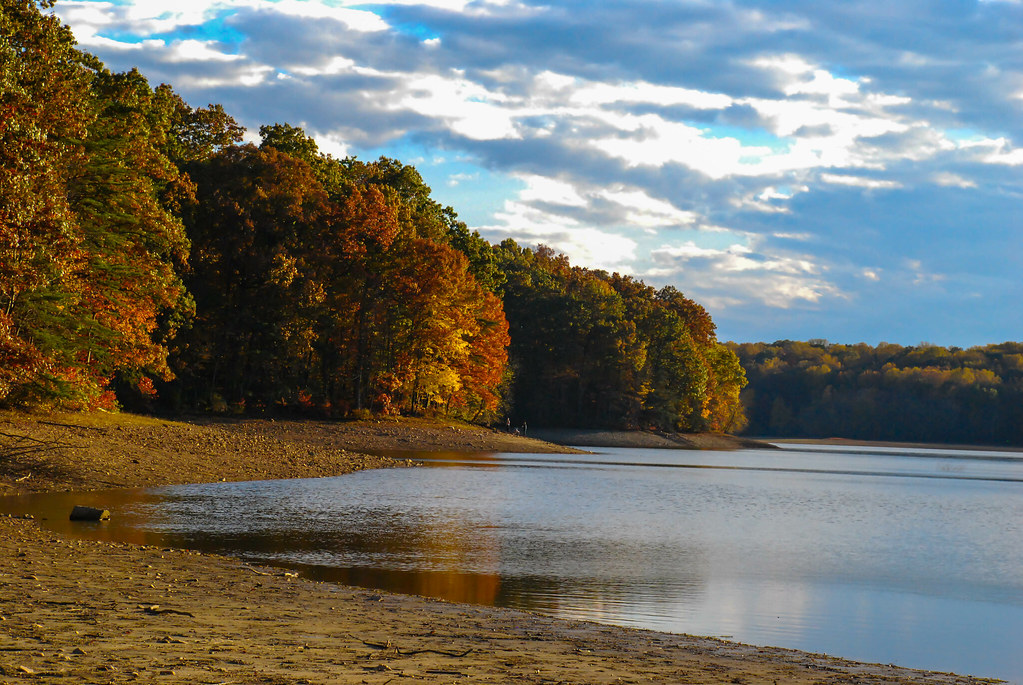
Triadelphia Reservoir
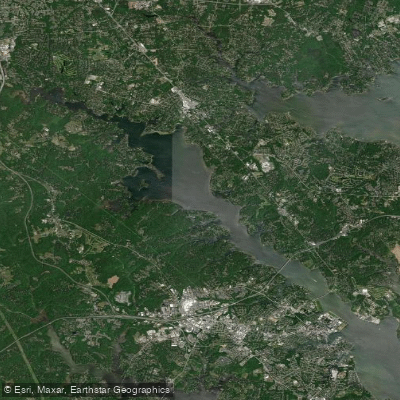
Severn River
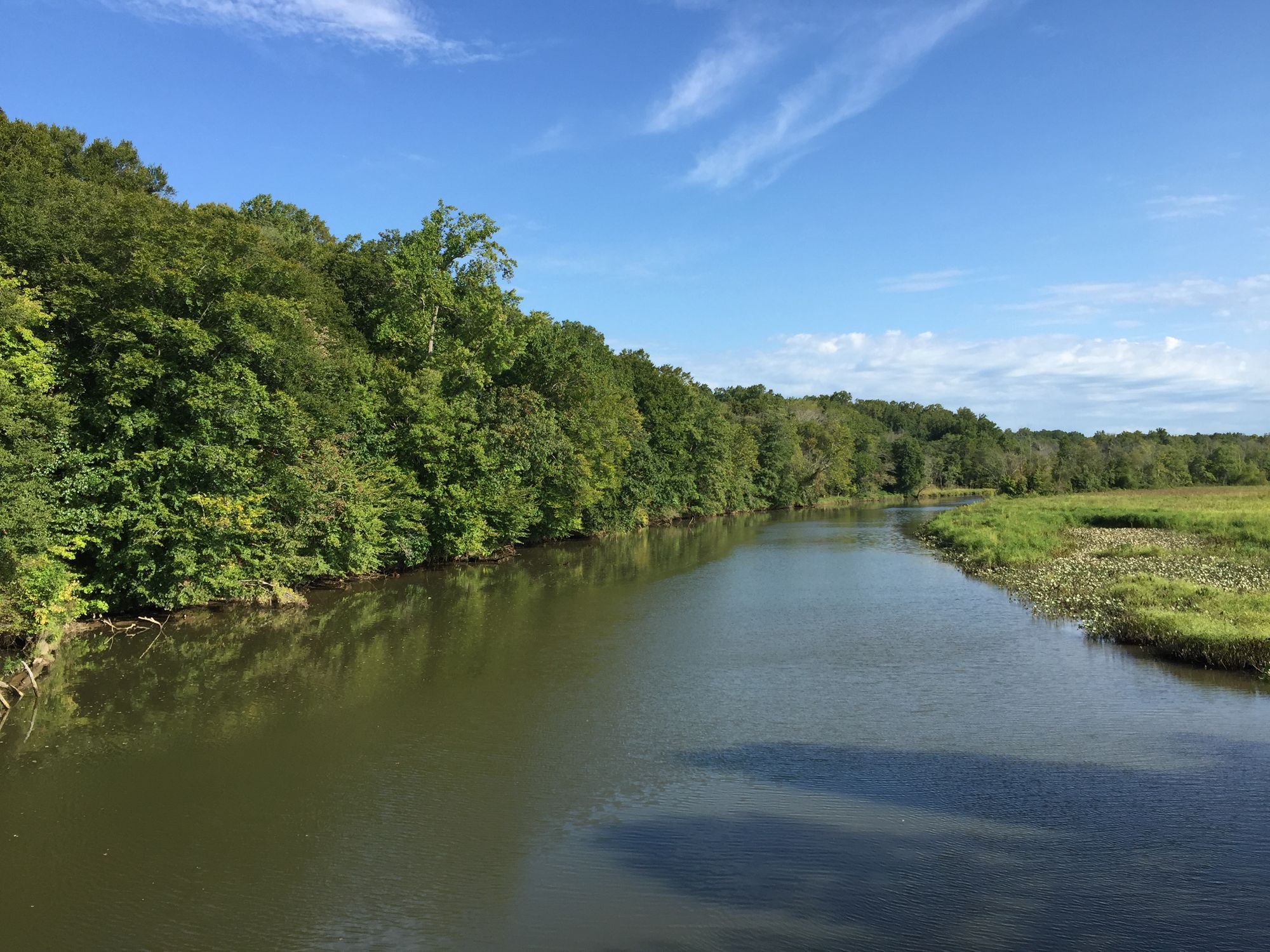
Patuxent River
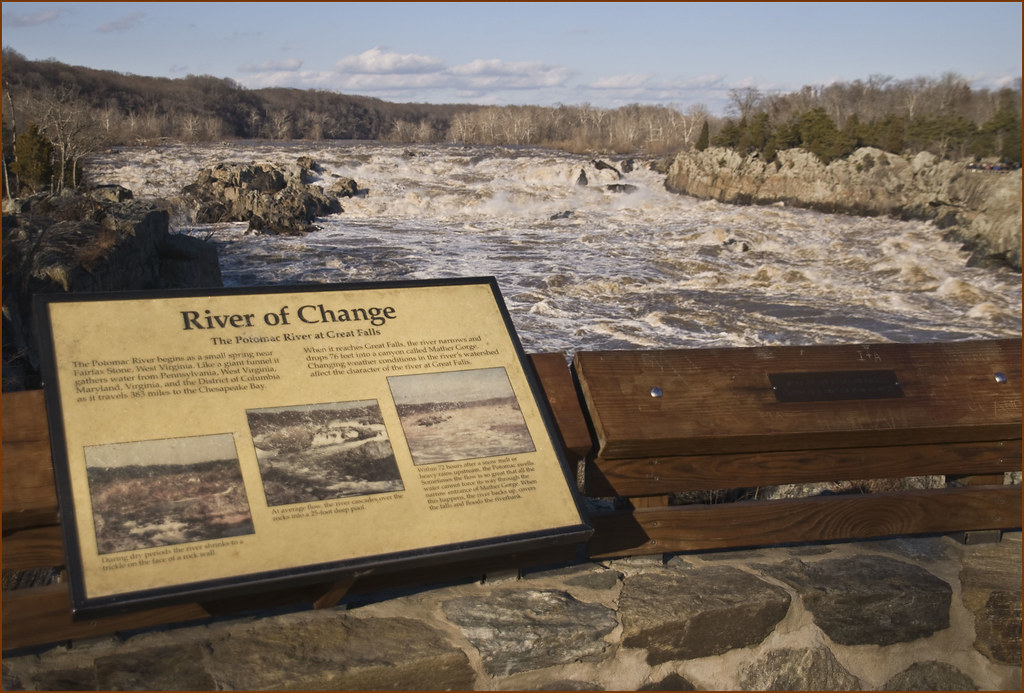
Potomac River
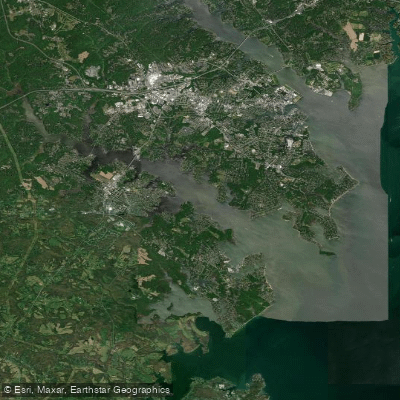
South River
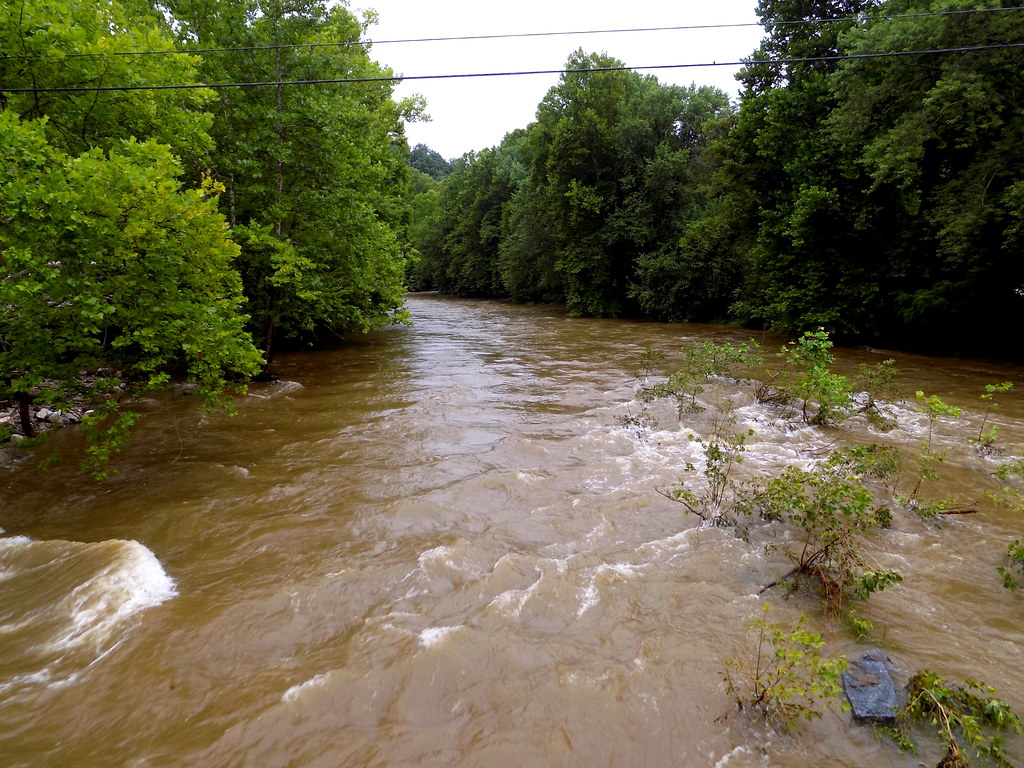
Patapsco River
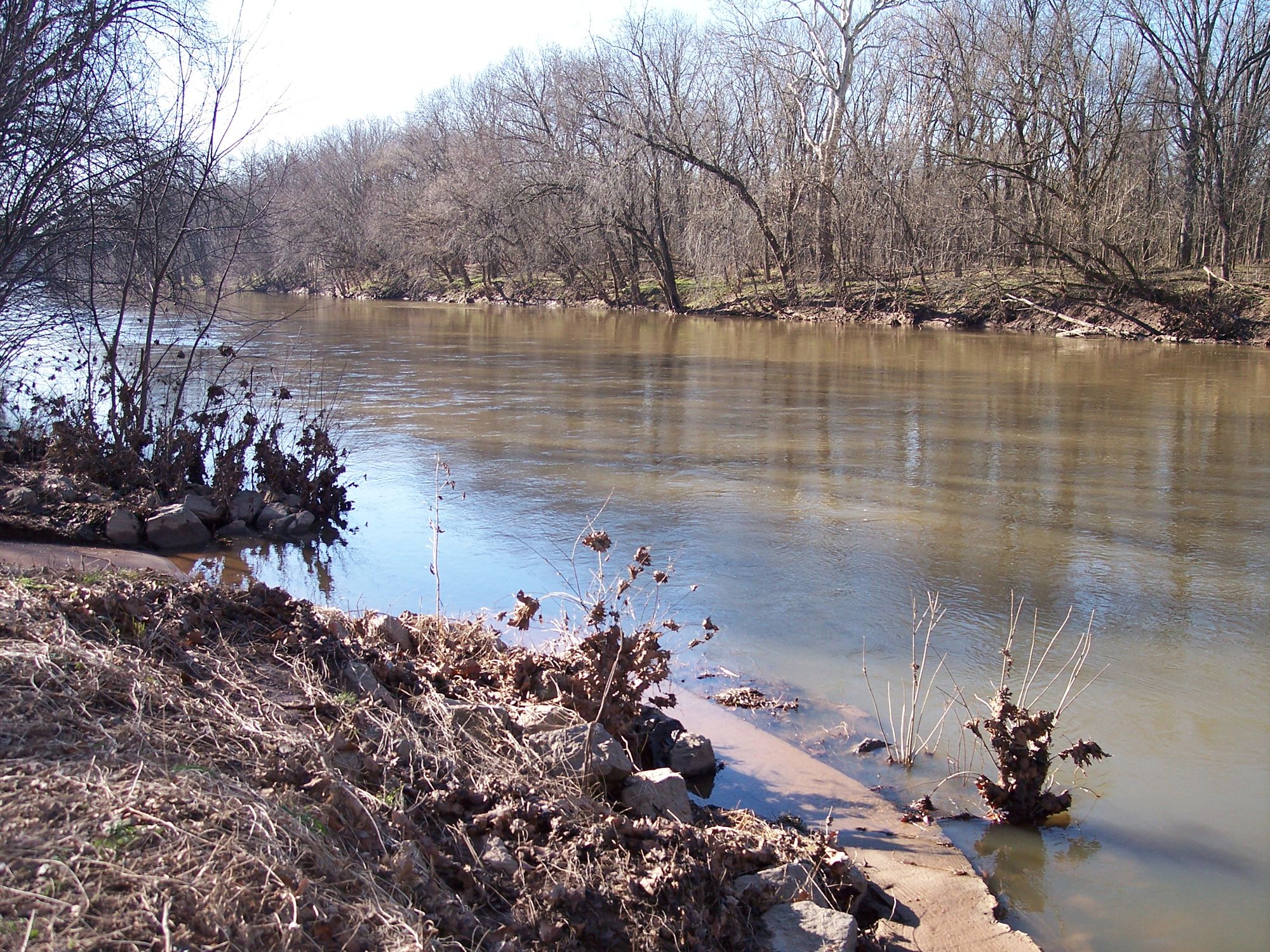
Monocacy River
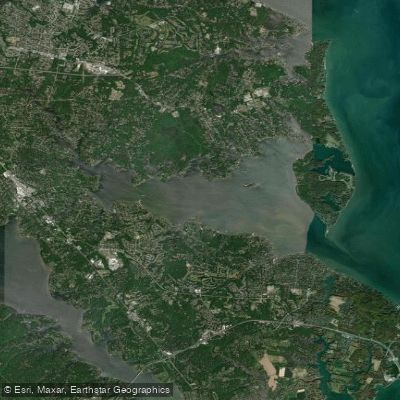
Magothy River
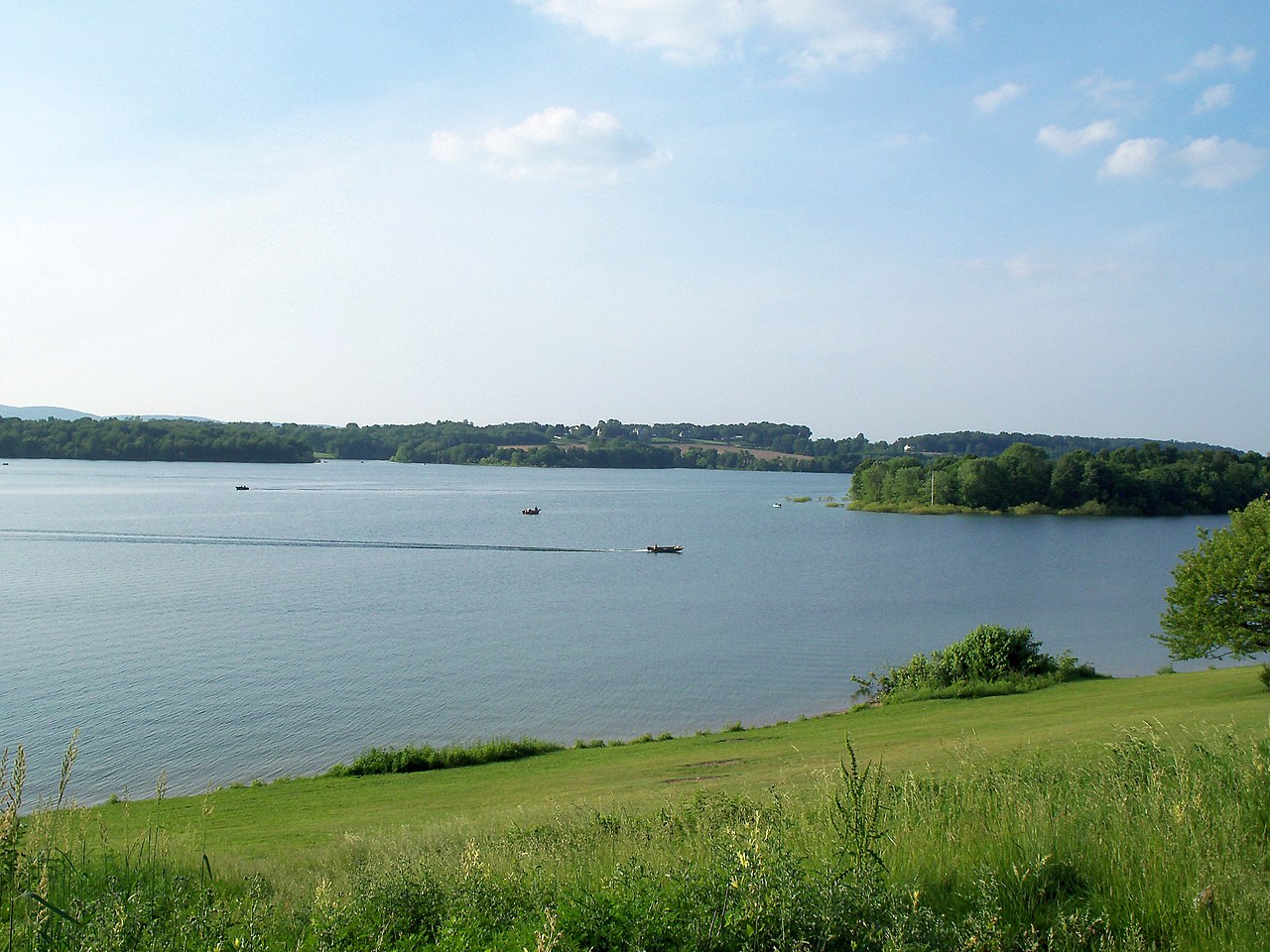
Lake Marburg
What to know
Habitat Distribution
- They prefer cool-river environments with moderate current over still waters, thriving in shadows and holes around submerged rocks, overhanging banks, and at the ends of long swirling currents.
Key Locations
- Monocacy River, Patapsco River, and Potomac River systems.
Specific Spots
- Target depths of 2-6 feet around rocky areas, sandy bottoms near cover, and current breaks.
Redbreast Sunfish FAQ
Answers from onWater's species guide.
What are the best lures and bait for Redbreast Sunfish in Maryland?
1/32 to 1/16 ounce jigs with tubes or grubs in natural colors, small spinners (particularly 1/16 ounce Rooster Tail in natural patterns), tiny crankbaits, and spinner bucktails. For bait fishing, try small earthworms, red worms, crickets, or grasshoppers on size 6-8 thin wire long shank hooks under a bobber.
What flies work for Redbreast Sunfish in Maryland?
Small nymphs work best - tie narrow profile patterns in bright colors on longer shank hooks (size 12-14) for easier removal from their small mouths. Effective patterns include small beadhead nymphs, prince nymphs, and pheasant tails.
When is the best time to fish for Redbreast Sunfish in Maryland?
Spring and fall are the prime times for targeting redbreast sunfish in Maryland, though they remain active throughout summer.
How do you catch Redbreast Sunfish in Maryland?
Fish dead drift presentations rather than moving lures, as sunfish rarely bite moving baits. When they become inactive, jig lures then let them sit still. For bait fishing, use small earthworms, red worms, crickets, or grasshoppers on size 6-8 thin wire long shank hooks under a bobber.
What do Redbreast Sunfish eat?
Redbreast sunfish are opportunistic feeders with a more varied diet than other sunfish, consuming aquatic insects (especially mayflies, dragonfly larvae, and chironomids), terrestrial insects, snails, small crayfish, clams, and occasionally small fish.
Fish smarter with real-time insights
Whether you're en route and conditions shift or you're looking for the best spot based on current flows, we enable you to make informed decisions on the fly.




See it in the app
Most maps show you water.
onWater shows you Redbreast Sunfish.



- 01 · Species map filter
Map every Redbreast Sunfish water
Pick Redbreast Sunfish and the map zeroes in on the waters they call home. No more guessing which lake holds them.
- 02 · Waterbody species
Tap any water. See what lives there.
Species, behavior and seasonal patterns for every lake, river and pond, before you leave the driveway.
- 03 · Angler Intelligence
Ask how to catch Redbreast Sunfish
Tactics, gear and timing from onWater's AI fishing guide, tuned to the species and the water you're on.
Stop guessing where Redbreast Sunfish are.
Open the map, filter by Redbreast Sunfish, and head to water that holds them. Download onWater and plan your next trip in minutes.
- Species map filter
- Angler Intelligence
- Fishing journal
Explore other species
Trout, bass, salmon, panfish and everything in between. Each guide unpacks the behavior, seasons, and tactics that put fish in the net.
No species information available.
Maryland licenses and regulations
Explore nearby waters
Explore Maryland waters
Top fishing waters
Popular Cities
Loading popular cities...

Smarter Fishing Starts in the App.
onWater Fish gives you everything you need to plan smarter, fish better, and own every trip from first cast to last.