White Catfish
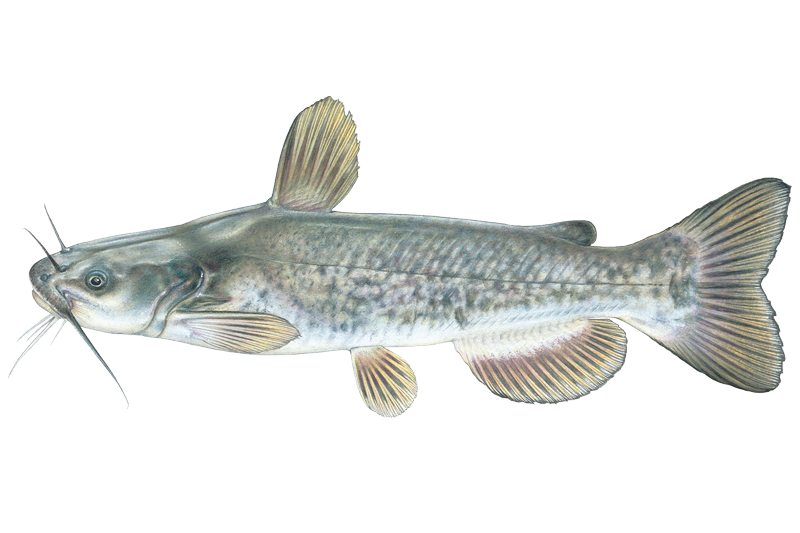
White Catfish are not native to Louisiana waters, as they naturally occur along the Atlantic coastal states from New York to Florida and into some Gulf states.
However, they have been introduced to various waters outside their native range and can occasionally be found in Louisiana's freshwater systems.
Scientific Name: Ameiurus catus
- White Catfish are the smallest of the North American catfish species with forked tails, typically weighing 1-10 pounds and reaching 10-18 inches, though some can grow up to 37 inches.
- They're distinguished by their gray coloration with white bellies, broad heads with eight barbels, and moderately forked tail fins with 19-23 anal fin rays.
Fishing in Louisiana
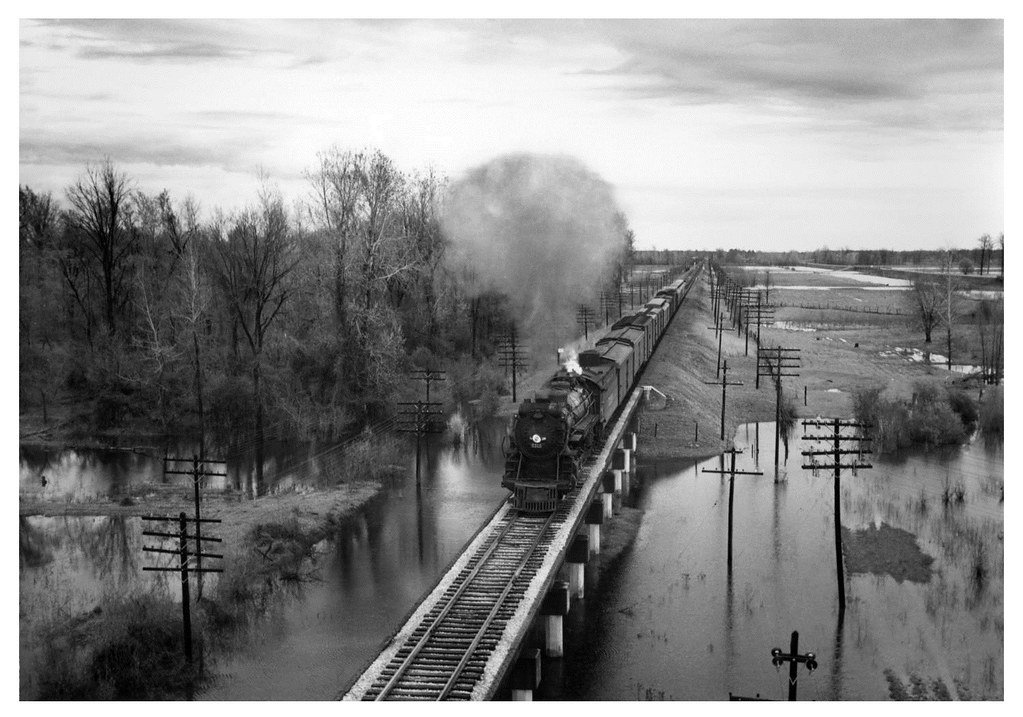
Red River
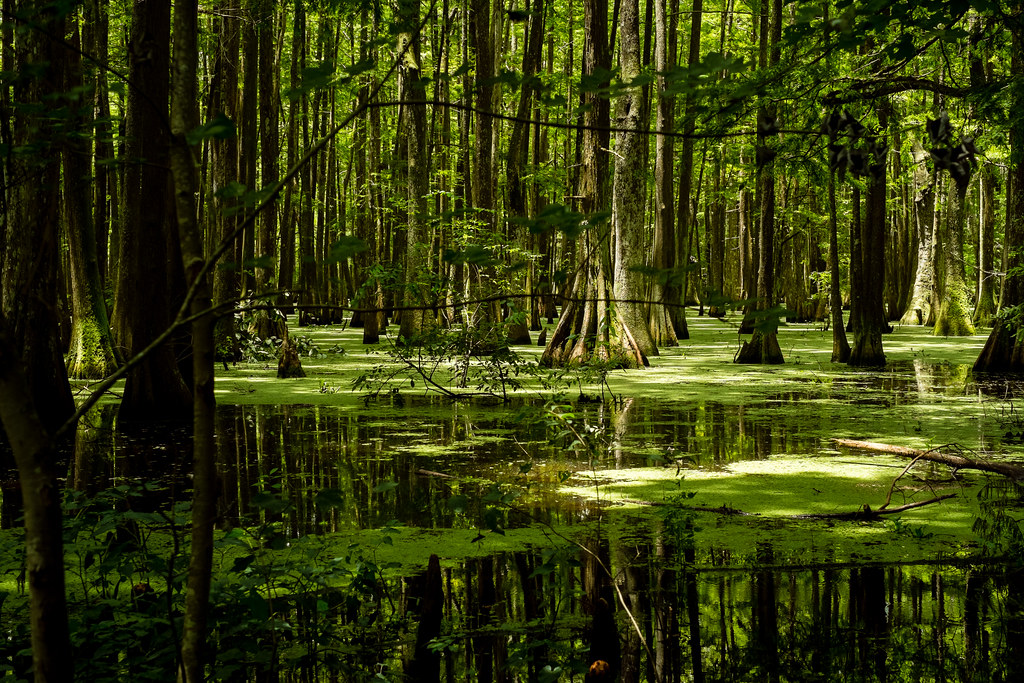
Lake Chicot
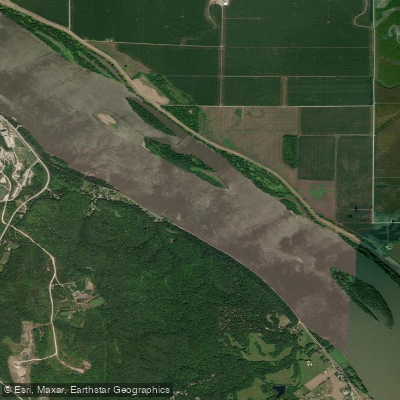
Mississippi River
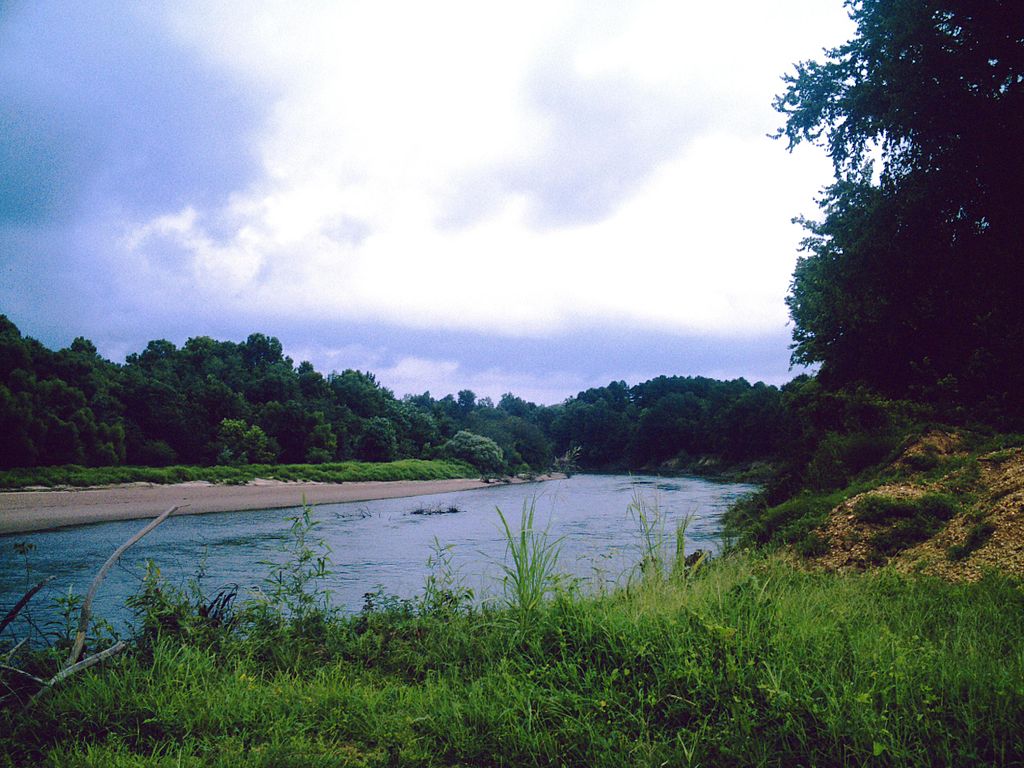
Ouachita River
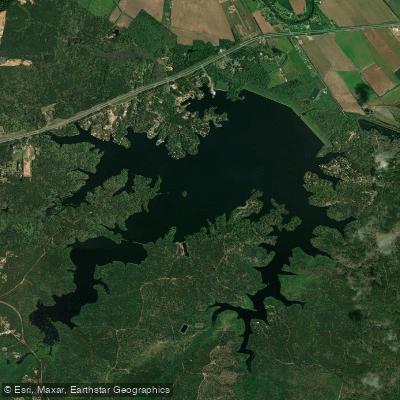
Kincaid Reservoir
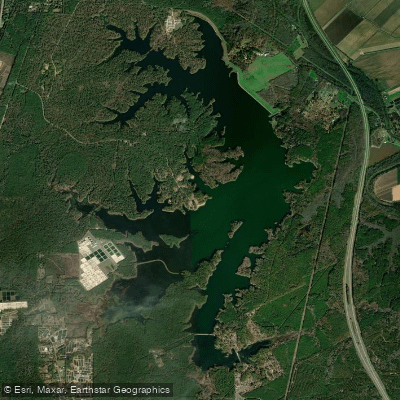
Indian Creek Reservoir
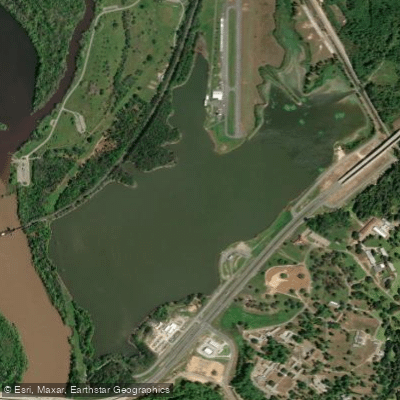
Lake Buhlow
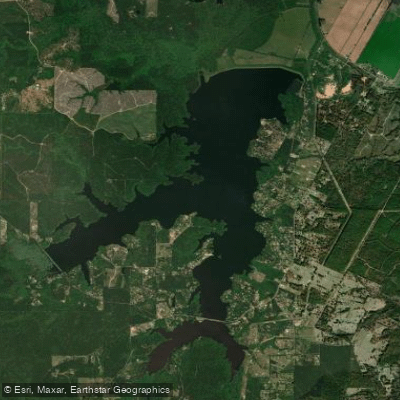
Cotile Lake
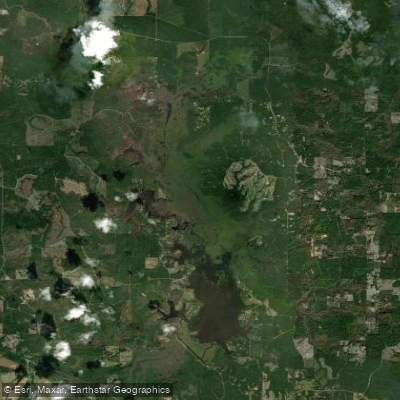
Lake Iatt
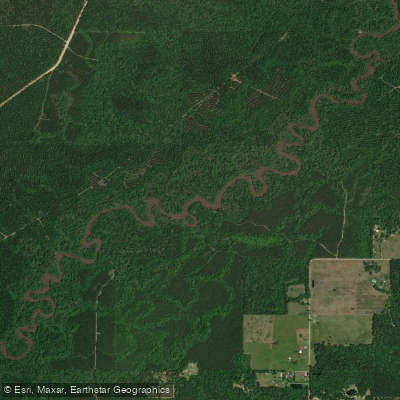
Calcasieu River
What to know
Habitat Distribution
- They prefer sluggish, warm waters with muddy bottoms in rivers, lakes, reservoirs, and can tolerate higher salinity levels than other freshwater catfish species.
Key Locations
- In Louisiana's diverse freshwater systems including Toledo Bend Reservoir, Lake Maurepas, and various bayous.
Specific Spots
- Target them in slower-moving waters like reservoirs, lakes, and river backwaters with muddy or sandy bottoms, focusing on areas with woody debris, logs, undercut banks, and submerged vegetation.
White Catfish FAQ
Answers from onWater's species guide.
What are the best lures and bait for White Catfish in Louisiana?
Effective baits include nightcrawlers, cut bait, live or dead shrimp, chicken liver, small minnows, crawfish, and even processed baits like dough balls or commercial catfish baits. White Catfish respond well to baits with strong scents due to their excellent chemoreception abilities.
When is the best time to fish for White Catfish in Louisiana?
Best targeted during spring and fall when they're actively feeding, particularly March through June and September through October. Fish deeper waters during winter months and move to shallower feeding areas as water temperatures warm.
How do you catch White Catfish in Louisiana?
White Catfish in Louisiana are best targeted during spring and fall when they're actively feeding, particularly March through June and September through October.
What do White Catfish eat?
These catfish are omnivorous bottom feeders, consuming aquatic insects, small fish, crustaceans like crawfish and shrimp, aquatic plants, and various invertebrates.
Where do White Catfish live in Louisiana?
They prefer sluggish, warm waters with muddy bottoms in rivers, lakes, reservoirs, and can tolerate higher salinity levels than other freshwater catfish species.
Fish smarter with real-time insights
Whether you're en route and conditions shift or you're looking for the best spot based on current flows, we enable you to make informed decisions on the fly.




See it in the app
Most maps show you water.
onWater shows you White Catfish.



- 01 · Species map filter
Map every White Catfish water
Pick White Catfish and the map zeroes in on the waters they call home. No more guessing which lake holds them.
- 02 · Waterbody species
Tap any water. See what lives there.
Species, behavior and seasonal patterns for every lake, river and pond, before you leave the driveway.
- 03 · Angler Intelligence
Ask how to catch White Catfish
Tactics, gear and timing from onWater's AI fishing guide, tuned to the species and the water you're on.
Stop guessing where White Catfish are.
Open the map, filter by White Catfish, and head to water that holds them. Download onWater and plan your next trip in minutes.
- Species map filter
- Angler Intelligence
- Fishing journal
Explore other species
Trout, bass, salmon, panfish and everything in between. Each guide unpacks the behavior, seasons, and tactics that put fish in the net.
No species information available.
Louisiana licenses and regulations
Explore nearby waters
Explore Louisiana waters
Top fishing waters
Popular Cities
Loading popular cities...

Smarter Fishing Starts in the App.
onWater Fish gives you everything you need to plan smarter, fish better, and own every trip from first cast to last.