Southern Flounder

Southern Flounder are Louisiana's most commonly harvested flatfish and the dominant flounder species in the northern Gulf of Mexico.
These distinctive left-eyed flatfish have laterally compressed bodies with olive-brown tops featuring dark and white spots that resemble sandy or muddy bottoms, while their undersides are completely white.
Both eyes migrate to the left side during development, allowing them to lie flat on the bottom with both eyes looking upward.
Scientific Name: Paralichthys lethostigma
- Louisiana Southern Flounder can reach up to 20 pounds but typically range 1-5 pounds, with significant sexual dimorphism - females grow much larger (up to 25+ inches) and live longer (up to 8 years) than males, which rarely exceed 13.5 inches or live beyond 3-4 years.
Fishing in Louisiana
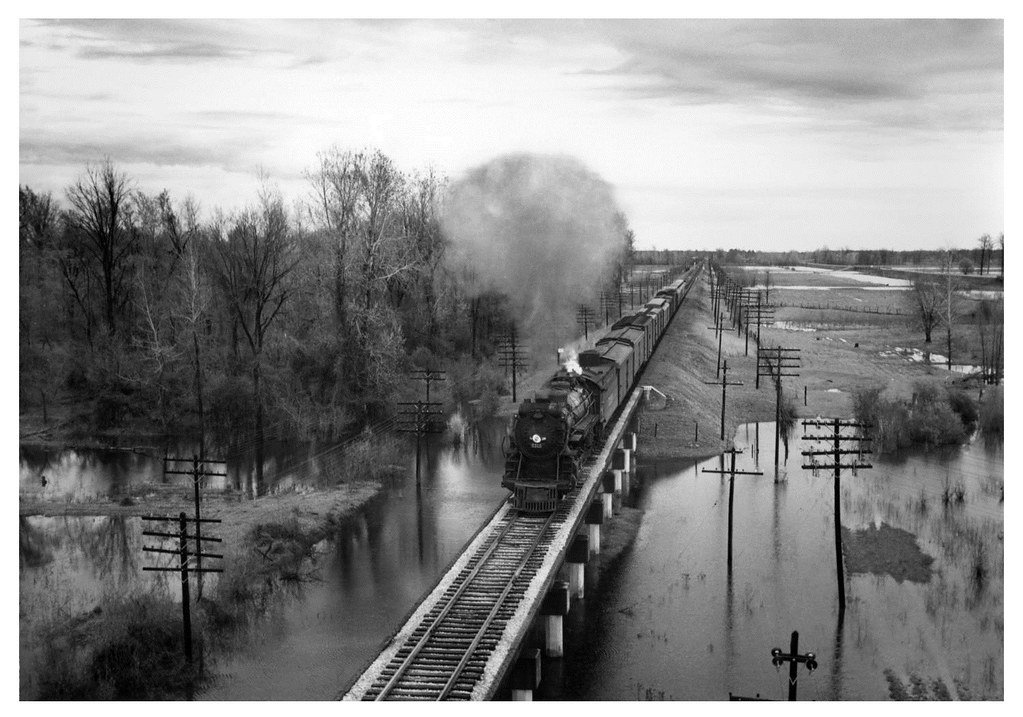
Red River
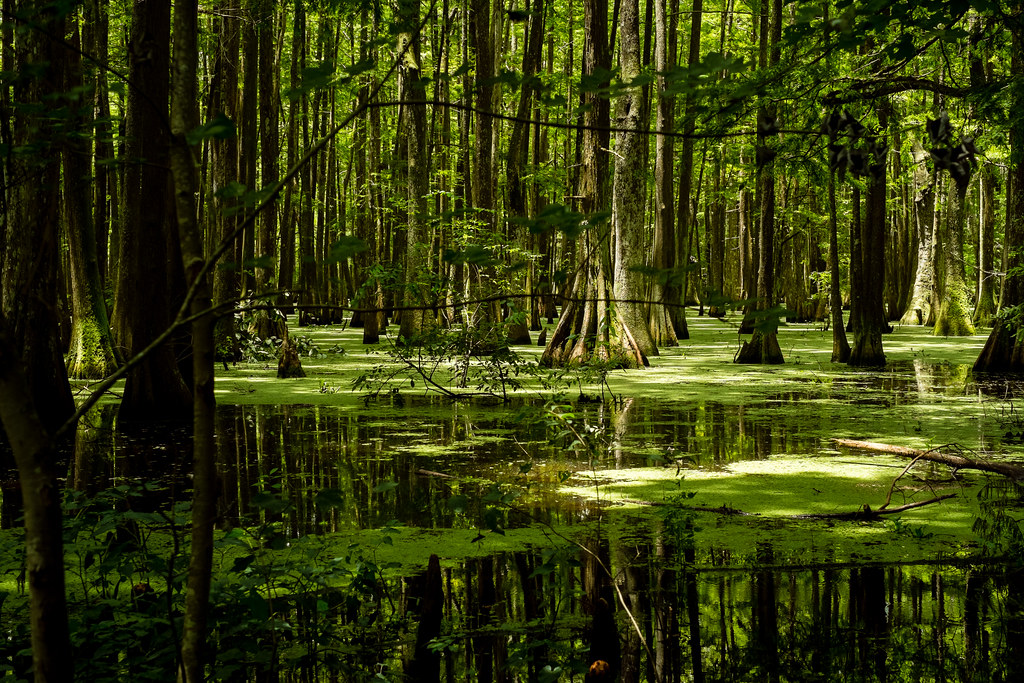
Lake Chicot
Mississippi River
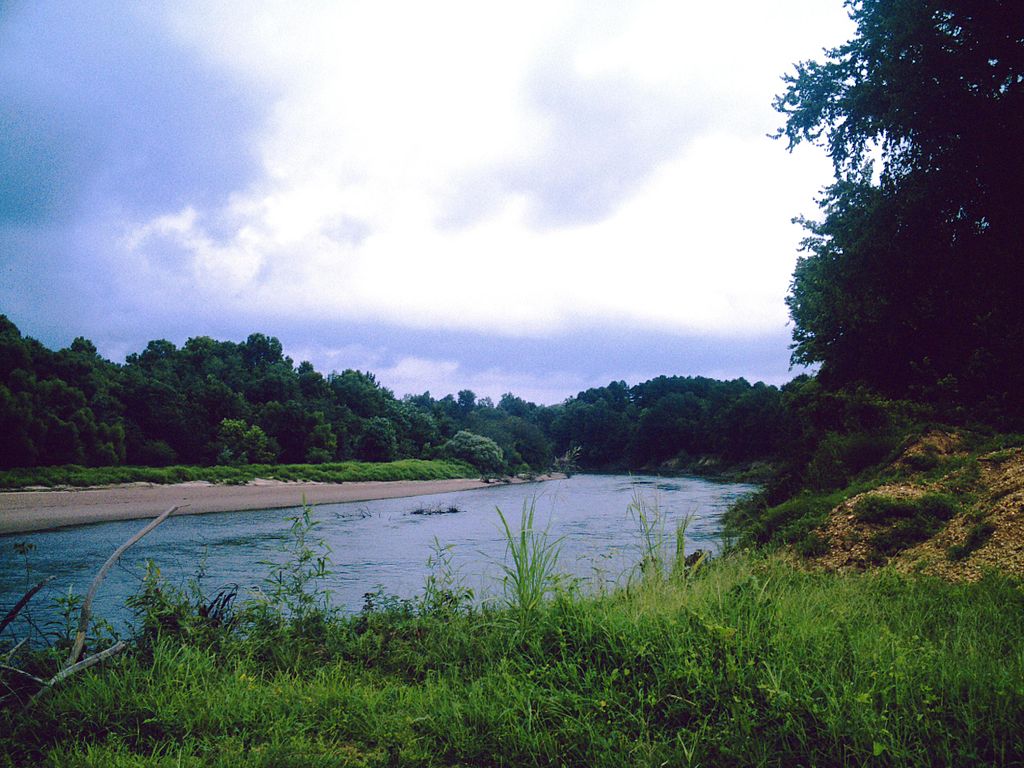
Ouachita River
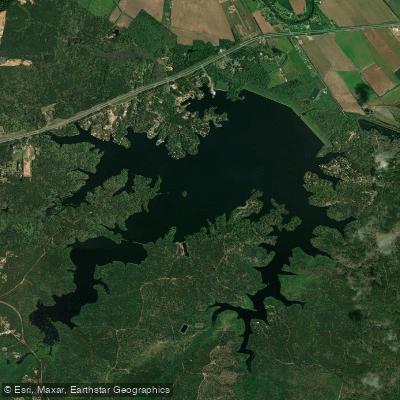
Kincaid Reservoir
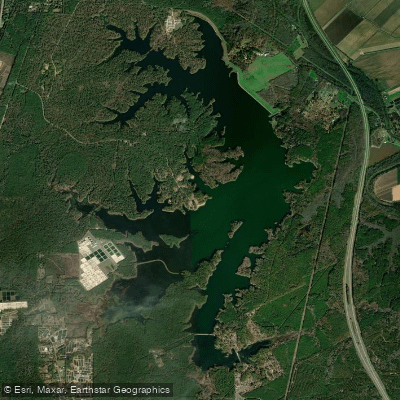
Indian Creek Reservoir
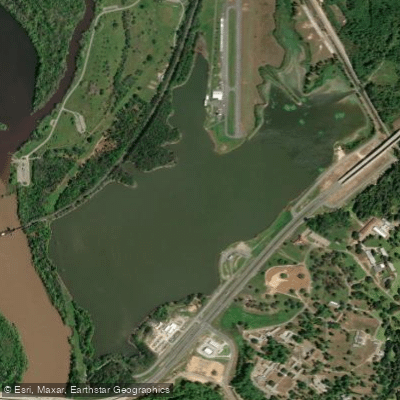
Lake Buhlow
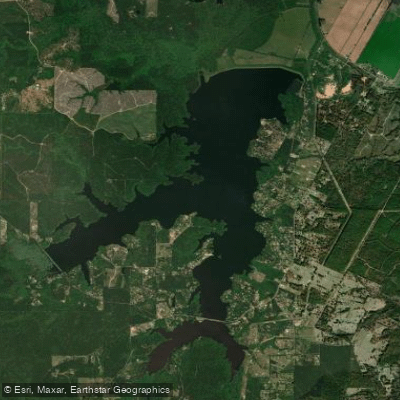
Cotile Lake
Lake Iatt
Calcasieu River
What to know
Habitat Distribution
- They inhabit an incredible range of salinities, from 100 miles up the Mississippi River in pure freshwater to full-strength seawater offshore, though they're most common at moderate salinities.
- These ambush predators lie nearly invisible on muddy, sandy, or gravel bottoms in estuaries, marshes, channels, bays, and around structures.
Key Locations
- Louisiana's barrier islands, throughout the coastal zone from the Mississippi River delta to Lake Charles, Lake Pontchartrain.
Specific Spots
- Fish muddy bottoms in estuaries, channels with current, oyster bars, grass flat edges, around docks, piers, pilings, and jetties.
- Target current-swept points, channel edges, tidal creek mouths, and areas where different bottom types meet.
Southern Flounder FAQ
Answers from onWater's species guide.
What are the best lures and bait for Southern Flounder in Louisiana?
Berkeley Gulp Swimming Mullet and 3" Gulp Shrimp (top choices), DOA CAL 3-4" Shad with paddle tails, shrimp-tipped feather jigs, DOA 3" Shrimp, and weedless gold spoons. White and chartreuse are the most productive colors, with white/red head combinations also effective.
When is the best time to fish for Southern Flounder in Louisiana?
Peak Southern Flounder fishing in Louisiana occurs from January through September, with the season closed October 15 - November 30 during their critical spawning migration. Prime months are January, April-June, and December when fish concentrate in predictable locations.
How do you catch Southern Flounder in Louisiana?
Night fishing with lights can be productive, and gigging is popular in shallow, clear water on rising tides around barrier islands. Use live shrimp hooked in the tail or horn, finger mullet, mud minnows, or cocahoe minnows with split shot or under Carolina rigs.
What do Southern Flounder eat?
Their diet consists primarily of fish (89% in Lake Pontchartrain studies) including anchovies (41%), mullet, menhaden, and croakers, plus shrimp and crabs. They consume 4-8% of their body weight daily.
Where do Southern Flounder live in Louisiana?
They inhabit an incredible range of salinities, from 100 miles up the Mississippi River in pure freshwater to full-strength seawater offshore, though they're most common at moderate salinities.
Fish smarter with real-time insights
Whether you're en route and conditions shift or you're looking for the best spot based on current flows, we enable you to make informed decisions on the fly.




See it in the app
Most maps show you water.
onWater shows you Southern Flounder.



- 01 · Species map filter
Map every Southern Flounder water
Pick Southern Flounder and the map zeroes in on the waters they call home. No more guessing which lake holds them.
- 02 · Waterbody species
Tap any water. See what lives there.
Species, behavior and seasonal patterns for every lake, river and pond, before you leave the driveway.
- 03 · Angler Intelligence
Ask how to catch Southern Flounder
Tactics, gear and timing from onWater's AI fishing guide, tuned to the species and the water you're on.
Stop guessing where Southern Flounder are.
Open the map, filter by Southern Flounder, and head to water that holds them. Download onWater and plan your next trip in minutes.
- Species map filter
- Angler Intelligence
- Fishing journal
Explore other species
Trout, bass, salmon, panfish and everything in between. Each guide unpacks the behavior, seasons, and tactics that put fish in the net.
No species information available.
Louisiana licenses and regulations
Explore nearby waters
Explore Louisiana waters
Top fishing waters
Popular Cities
Loading popular cities...

Smarter Fishing Starts in the App.
onWater Fish gives you everything you need to plan smarter, fish better, and own every trip from first cast to last.