Smallmouth Buffalo

Smallmouth Buffalo are native Louisiana fish in the sucker family (Catostomidae), not the minnow family like carp despite their similar appearance.
These long-lived fish can survive over 40 years and are found throughout Louisiana's large rivers and lakes, being most common in the Mississippi River system and major tributaries.
Scientific Name: Ictiobus bubalus
Also known as razorbacks
- Distinguished by their deep, laterally compressed bodies with high-arched backs, they have small downward-pointing mouths located beneath the snout (subterminal), large eyes, and lack the barbels found on carp.
- Their coloration ranges from bronze to gray-brown with a distinctive greenish tinge on the upper sides and back.
- Louisiana specimens typically reach 16-24 inches and 6-8 pounds, though they can grow much larger with some reaching 35+ inches and 50+ pounds.
- They're commonly called 'razorbacks' due to their narrow, high-arched profile when viewed head-on.
Fishing in Louisiana
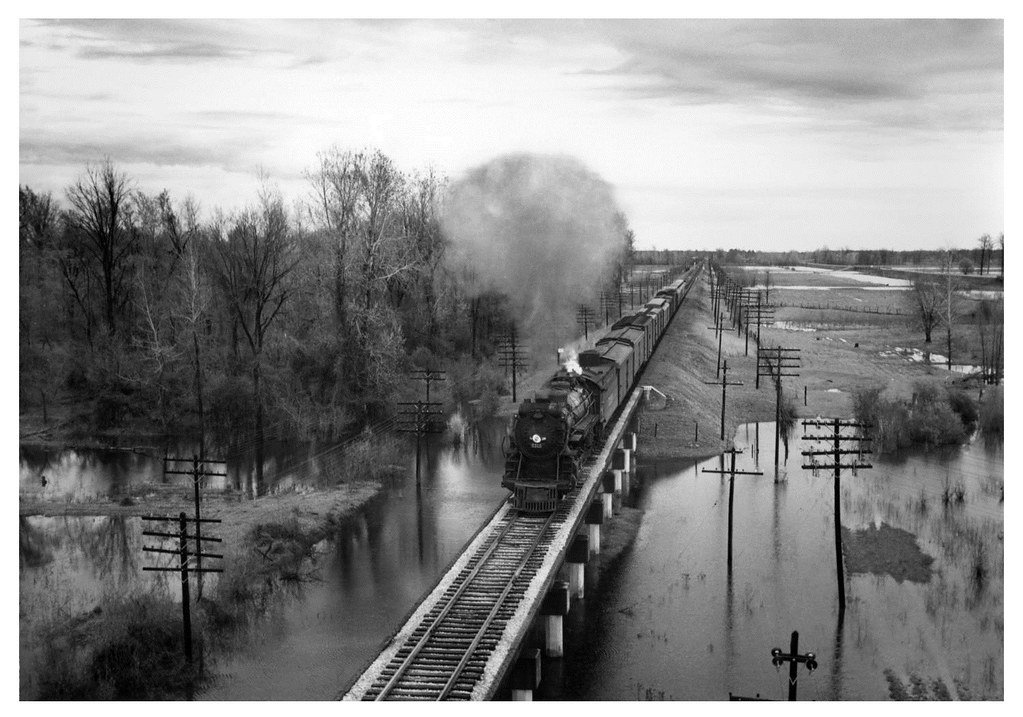
Red River
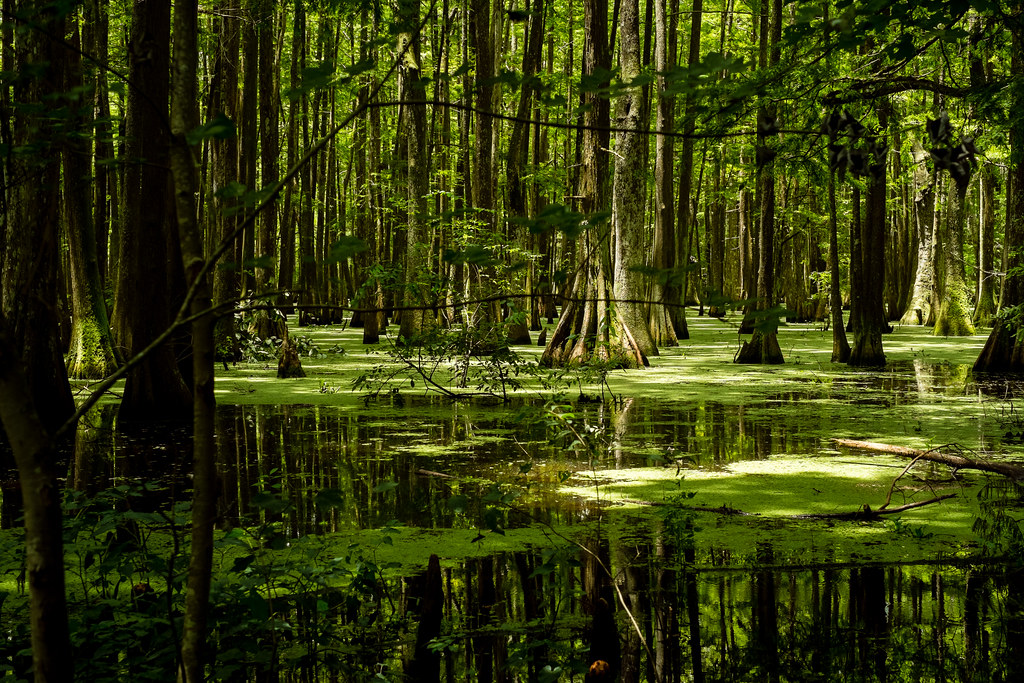
Lake Chicot
Mississippi River
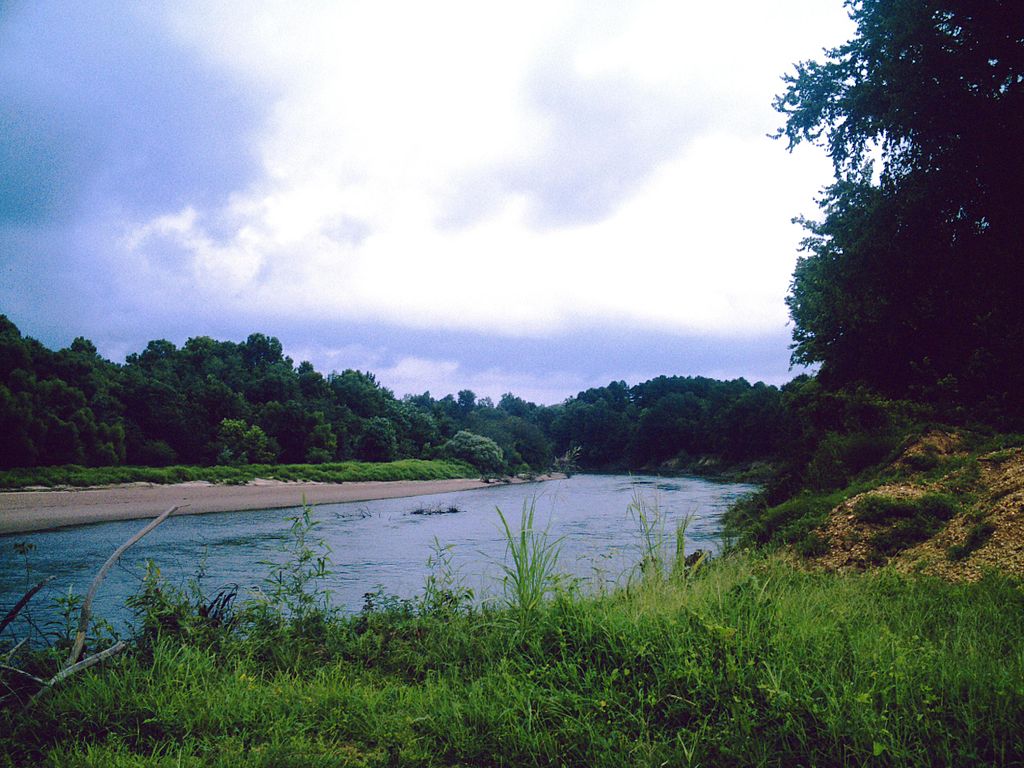
Ouachita River
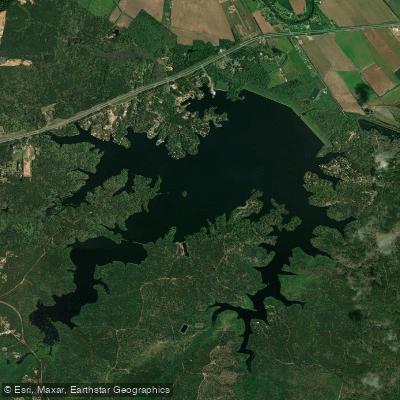
Kincaid Reservoir
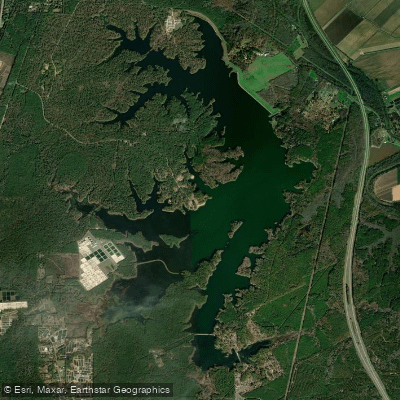
Indian Creek Reservoir
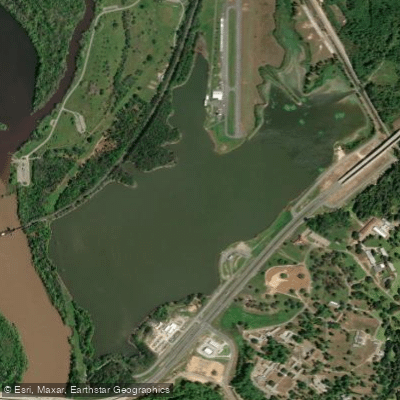
Lake Buhlow
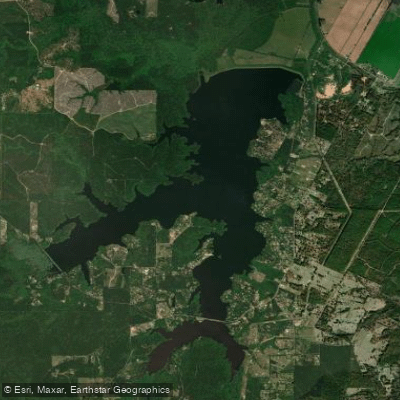
Cotile Lake
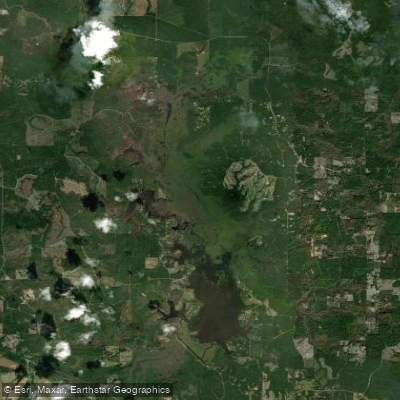
Lake Iatt
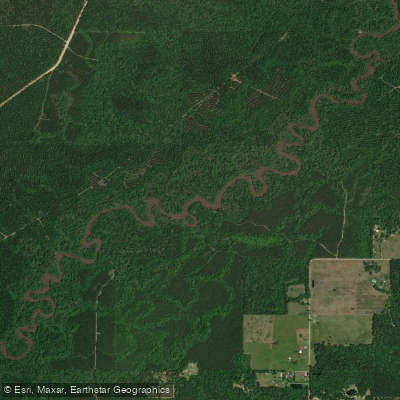
Calcasieu River
What to know
Habitat Distribution
- Found throughout Louisiana's large rivers and lakes, being most common in the Mississippi River system and major tributaries.
Key Locations
- Louisiana's large rivers like the Mississippi, Red River, and Atchafalaya Basin, as well as major lakes and reservoirs.
Specific Spots
- Focus on deeper holes, current breaks, areas with flooded vegetation, and muddy flats where they create bubble trails while feeding.
Smallmouth Buffalo FAQ
Answers from onWater's species guide.
What are the best lures and bait for Smallmouth Buffalo in Louisiana?
Doughballs and corn as top baits - many anglers swear by 'spicy' baits like chili peppers or baits dipped in hot sauce. Other productive baits include nightcrawlers, bloodworms, mayflies, semolina balls, and cut bait.
What flies work for Smallmouth Buffalo in Louisiana?
Carp patterns, glo bugs, woolly buggers, small stonefly nymphs, foam patterns, and marabou jigs.
When is the best time to fish for Smallmouth Buffalo in Louisiana?
Best fishing occurs outside spawning season (March-June), with prime times being late summer through early winter when they're actively feeding.
How do you catch Smallmouth Buffalo in Louisiana?
Still fishing, bottom fishing, and drift fishing are most productive. These fish are famous for 'mouthing' bait rather than striking aggressively, so watch your rod closely and feel for subtle takes. They may nibble or touch the bait before committing, requiring precise timing on the hookset.
What do Smallmouth Buffalo eat?
As detritivores, they feed primarily on bottom organisms including tiny crustaceans, snails, clams, insect larvae, algae, zooplankton, and decaying plant and animal matter.
Fish smarter with real-time insights
Whether you're en route and conditions shift or you're looking for the best spot based on current flows, we enable you to make informed decisions on the fly.




See it in the app
Most maps show you water.
onWater shows you Smallmouth Buffalo.



- 01 · Species map filter
Map every Smallmouth Buffalo water
Pick Smallmouth Buffalo and the map zeroes in on the waters they call home. No more guessing which lake holds them.
- 02 · Waterbody species
Tap any water. See what lives there.
Species, behavior and seasonal patterns for every lake, river and pond, before you leave the driveway.
- 03 · Angler Intelligence
Ask how to catch Smallmouth Buffalo
Tactics, gear and timing from onWater's AI fishing guide, tuned to the species and the water you're on.
Stop guessing where Smallmouth Buffalo are.
Open the map, filter by Smallmouth Buffalo, and head to water that holds them. Download onWater and plan your next trip in minutes.
- Species map filter
- Angler Intelligence
- Fishing journal
Explore other species
Trout, bass, salmon, panfish and everything in between. Each guide unpacks the behavior, seasons, and tactics that put fish in the net.
No species information available.
Louisiana licenses and regulations
Explore nearby waters
Explore Louisiana waters
Top fishing waters
Popular Cities
Loading popular cities...

Smarter Fishing Starts in the App.
onWater Fish gives you everything you need to plan smarter, fish better, and own every trip from first cast to last.