Spotted Sucker
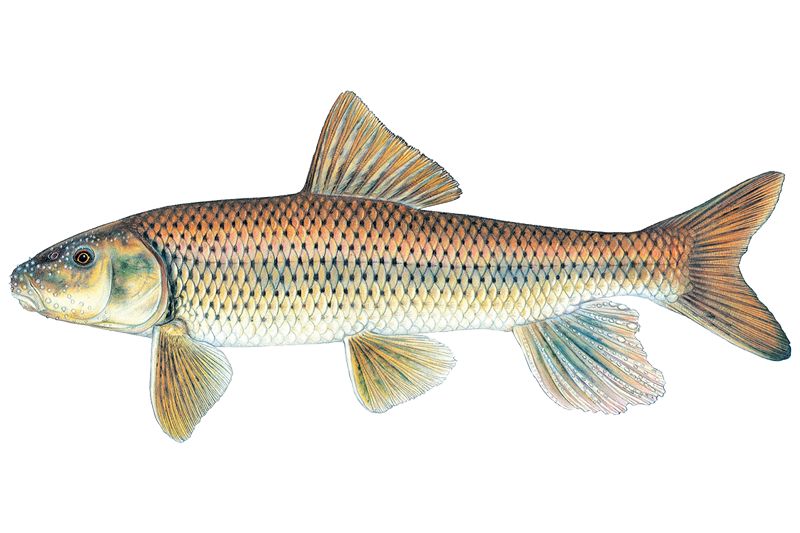
The Spotted Sucker is a native Kentucky species found throughout the state and serves as an indicator of good water quality.
Scientific Name: Minytrema melanops
- Distinguished by 8-12 parallel rows of dark spots on the base of each scale, they typically reach 12-19 inches and can weigh up to 2.6 pounds, with some specimens over 1,300 grams.
Fishing in Kentucky

Herrington Lake
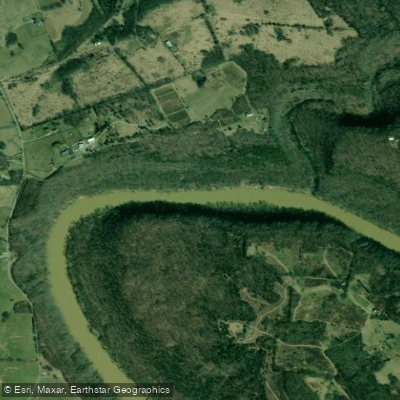
Kentucky River

North Elkhorn Creek

Taylorsville Lake
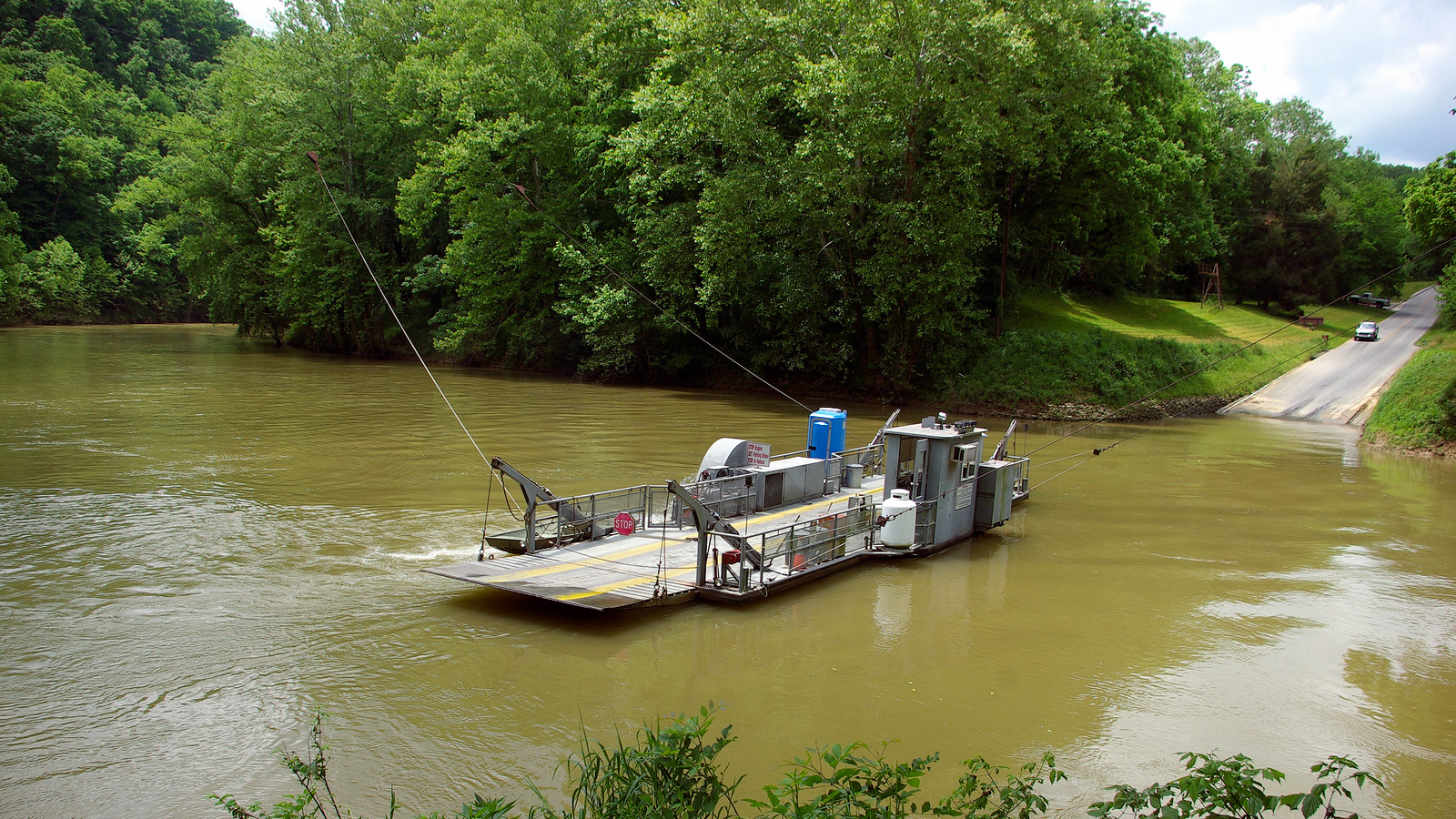
Green River

Red River

Licking River
Rockcastle River

Lexington Reservoir Number 4
Salt River
What to know
Habitat Distribution
- Found throughout the state in deep pools of small to medium rivers over clay, sand, or gravel substrates, but are also found in large rivers, oxbow lakes, backwater areas, and reservoirs.
Key Locations
- Major rivers like the Ohio, Mississippi, Tennessee, Cumberland, Green, Salt, Kentucky, and Licking rivers.
- Kentucky, Barkley, and Cumberland lakes.
- Ohio River system, Green River drainage, Tennessee and Cumberland river systems.
- Kentucky Lake, Lake Barkley, and the Cumberland River below Wolf Creek Dam offer excellent opportunities.
Specific Spots
- Target deep pools of rivers, channel drops, rocky areas with firm substrates, and areas with woody snags or cover.
- Look for areas where springs or tributaries enter main rivers.
Spotted Sucker FAQ
Answers from onWater's species guide.
What are the best lures and bait for Spotted Sucker in Kentucky?
Top baits include nightcrawlers (break into halves or thirds to make them last longer), red worms, leeches, small crayfish, and minnows.
What flies work for Spotted Sucker in Kentucky?
Use wet flies in nymph and scud patterns, along with flies that imitate worms and fish e.g.gs. Weighted streamers (conehead and beadhead patterns in sizes 4-8).
When is the best time to fish for Spotted Sucker in Kentucky?
Spring before spawning (late March-early April) when they're actively feeding, and fall through early winter when they're preparing for winter.
How do you catch Spotted Sucker in Kentucky?
For fly fishing, sight-fishing works best by casting weighted streamers a few inches in front of feeding fish and giving action as they approach.
What do Spotted Sucker eat?
Their diet consists primarily of organic fragments, small crustaceans, benthic invertebrates, copepods, chironomids, diatoms, and mollusks, with feeding habits changing seasonally - spring, summer, and autumn bring increased zooplankton consumption, while summer and autumn also include chironomids.
Fish smarter with real-time insights
Whether you're en route and conditions shift or you're looking for the best spot based on current flows, we enable you to make informed decisions on the fly.




See it in the app
Most maps show you water.
onWater shows you Spotted Sucker.



- 01 · Species map filter
Map every Spotted Sucker water
Pick Spotted Sucker and the map zeroes in on the waters they call home. No more guessing which lake holds them.
- 02 · Waterbody species
Tap any water. See what lives there.
Species, behavior and seasonal patterns for every lake, river and pond, before you leave the driveway.
- 03 · Angler Intelligence
Ask how to catch Spotted Sucker
Tactics, gear and timing from onWater's AI fishing guide, tuned to the species and the water you're on.
Stop guessing where Spotted Sucker are.
Open the map, filter by Spotted Sucker, and head to water that holds them. Download onWater and plan your next trip in minutes.
- Species map filter
- Angler Intelligence
- Fishing journal
Explore other species
Trout, bass, salmon, panfish and everything in between. Each guide unpacks the behavior, seasons, and tactics that put fish in the net.
No species information available.
Kentucky licenses and regulations
Explore nearby waters
Explore Kentucky waters
Top fishing waters
Popular Cities
Loading popular cities...

Smarter Fishing Starts in the App.
onWater Fish gives you everything you need to plan smarter, fish better, and own every trip from first cast to last.