Rock Bass

Rock Bass in Kentucky are thick-bodied sunfish distinguished by their large mouths, bright red eyes, and five to six anal fin spines - a key identifier separating them from other sunfish species that have only three.
They display dark olive coloration with rows of brown-black spots along their sides and can rapidly change color to match their surroundings for camouflage.
Scientific Name: Ambloplites rupestris
Also known as redeye, goggle-eye
- Thick-bodied sunfish with large mouths, bright red eyes, five to six anal fin spines, dark olive coloration with rows of brown-black spots along their sides.
- Most Kentucky rock bass range 6-10 inches and rarely exceed one pound, though the species can reach up to 17 inches.
Fishing in Kentucky

Herrington Lake
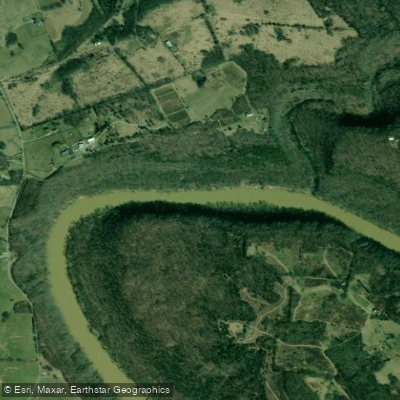
Kentucky River

North Elkhorn Creek
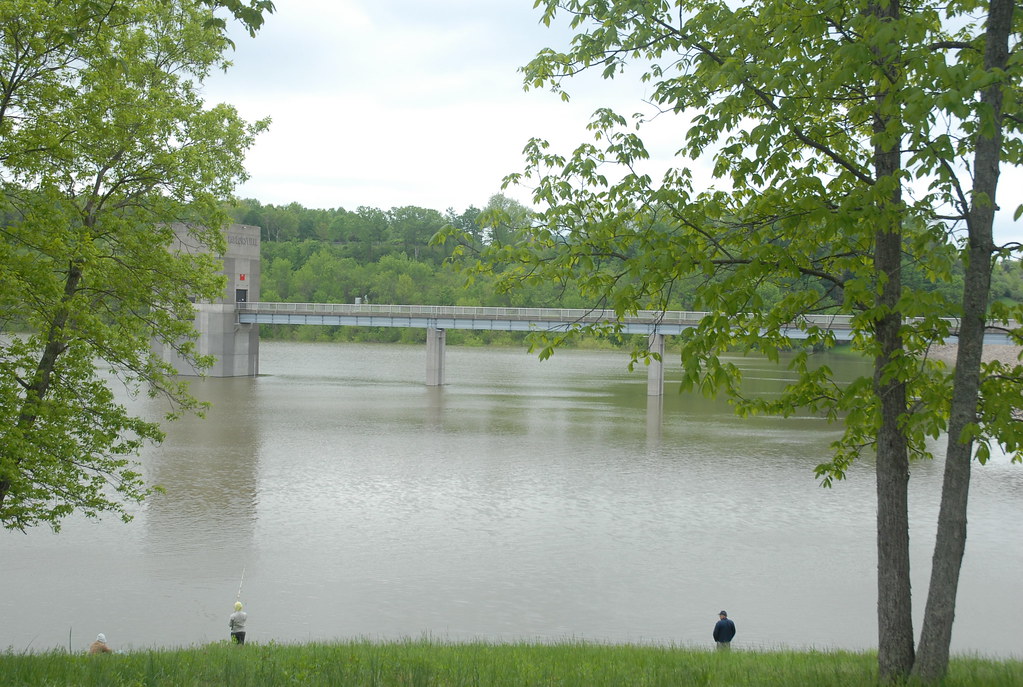
Taylorsville Lake
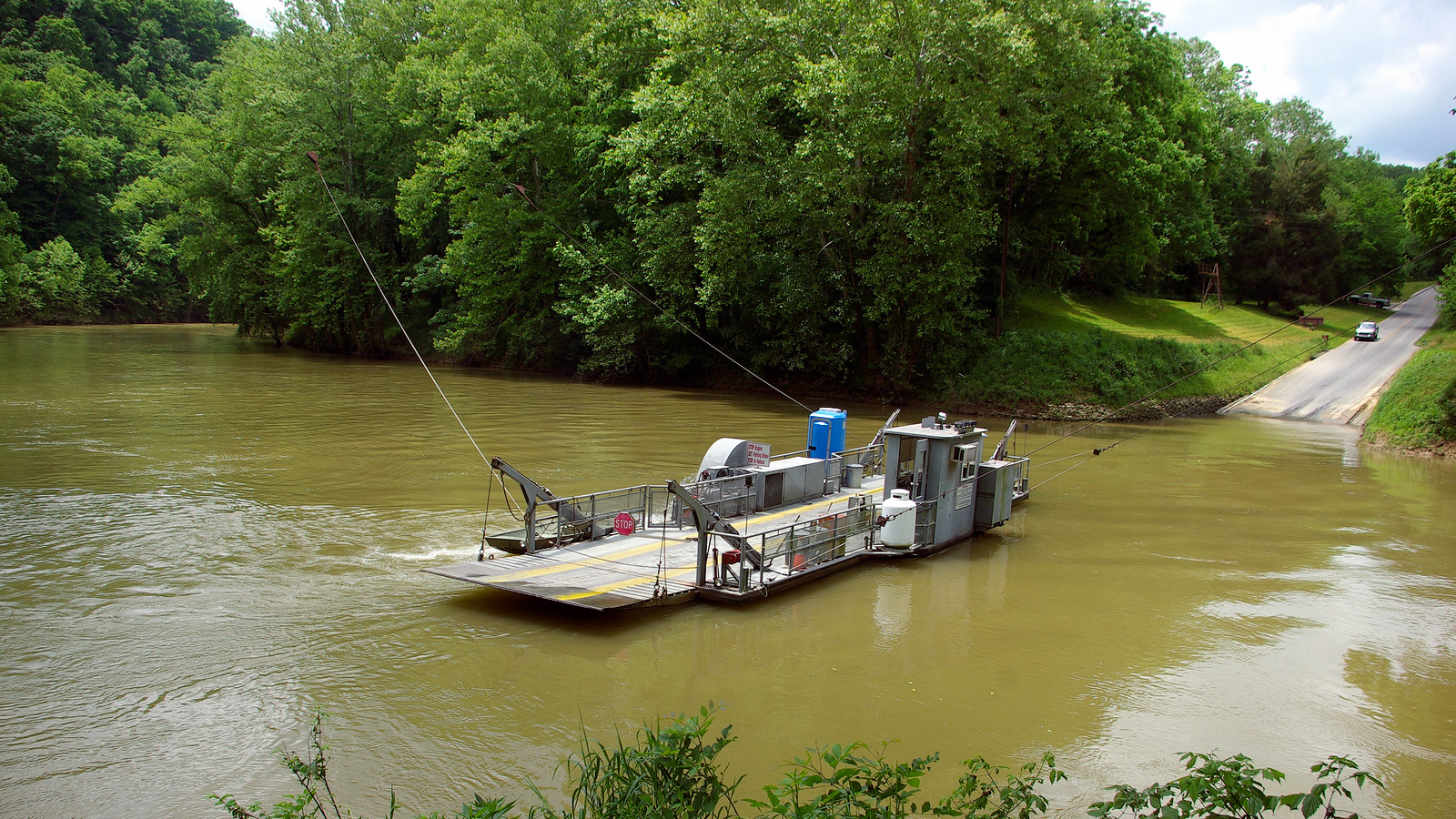
Green River
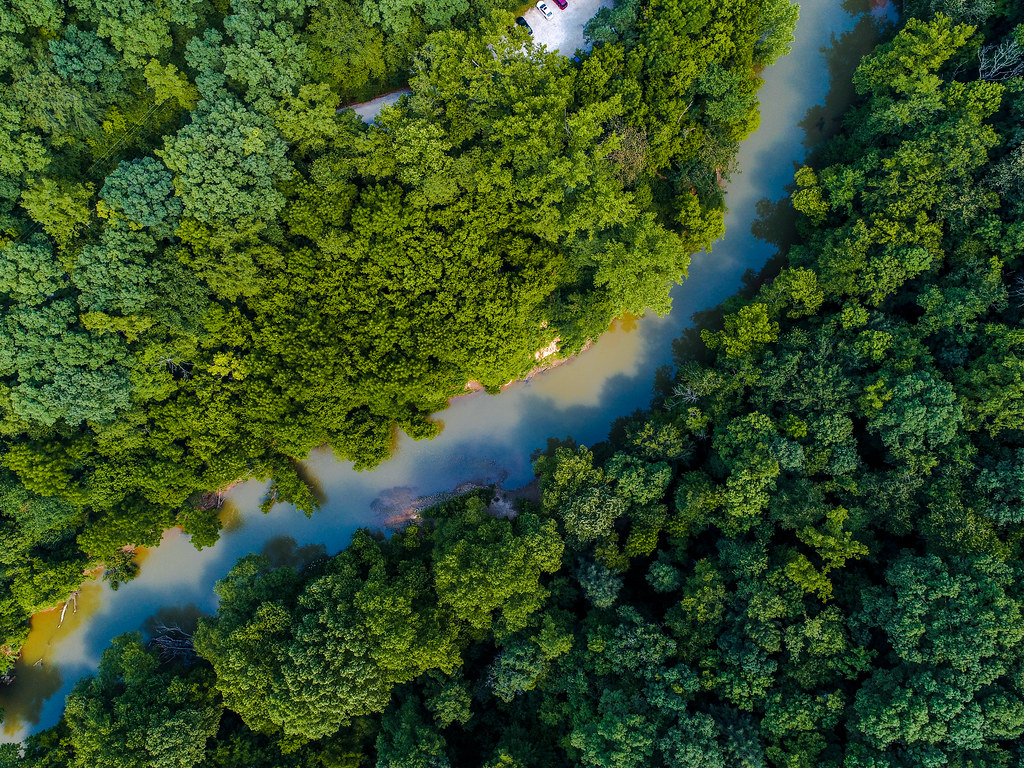
Red River

Licking River
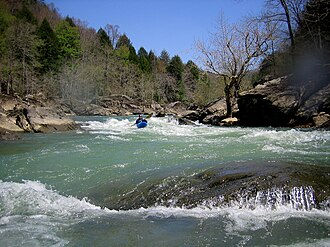
Rockcastle River
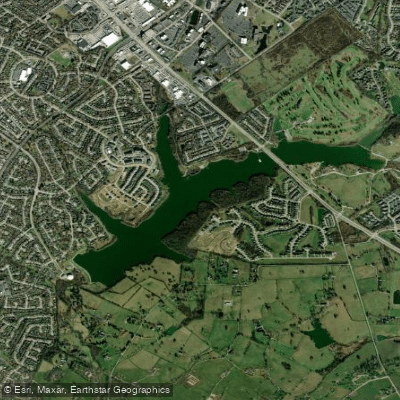
Lexington Reservoir Number 4
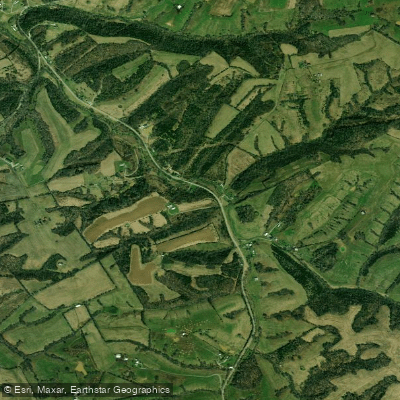
Salt River
What to know
Habitat Distribution
- Mainly confined to clear, rocky streams and rivers throughout central and eastern Kentucky.
- They inhabit clear, upland streams with rocky bottoms.
Key Locations
- Central and eastern Kentucky, Rockcastle River, Red River in southern Kentucky.
Specific Spots
- Target clear, rocky stream pools and areas around boulders, logs, undercut banks, and beds of water willow.
- Fish deep, rocky pools near vegetation or woody debris, target undercut banks and the base of boulders where rock bass typically lurk.
Rock Bass FAQ
Answers from onWater's species guide.
What are the best lures and bait for Rock Bass in Kentucky?
Common earthworms (most recommended and effective bait), small tube lures or curly-tailed grubs in black, pumpkinseed, or watermelon colors rigged on 1/16-ounce leadhead jigs, finesse worms in the same color patterns, small jigs, crickets, meal worms, wax worms, crayfish, hellgrammites, minnows, small crankbaits and...
When is the best time to fish for Rock Bass in Kentucky?
Best avoided during spawning season from April to early June when water temperatures reach 54-59°F to protect reproducing fish.
How do you catch Rock Bass in Kentucky?
Use finesse techniques, make long casts while wearing drab clothing to blend with the background. Traditional panfish tactics work well. Use a simple worm on a weedless hook in snag-prone areas around rocky structure.
What do Rock Bass eat?
Carnivorous, feeding heavily during evening and early morning hours on crayfish (their preferred food), insects like dragonflies, small fish including minnows and their own young, crustaceans, worms, and leeches.
Where do Rock Bass live in Kentucky?
Mainly confined to clear, rocky streams and rivers throughout central and eastern Kentucky. They inhabit clear, upland streams with rocky bottoms.
Fish smarter with real-time insights
Whether you're en route and conditions shift or you're looking for the best spot based on current flows, we enable you to make informed decisions on the fly.




See it in the app
Most maps show you water.
onWater shows you Rock Bass.



- 01 · Species map filter
Map every Rock Bass water
Pick Rock Bass and the map zeroes in on the waters they call home. No more guessing which lake holds them.
- 02 · Waterbody species
Tap any water. See what lives there.
Species, behavior and seasonal patterns for every lake, river and pond, before you leave the driveway.
- 03 · Angler Intelligence
Ask how to catch Rock Bass
Tactics, gear and timing from onWater's AI fishing guide, tuned to the species and the water you're on.
Stop guessing where Rock Bass are.
Open the map, filter by Rock Bass, and head to water that holds them. Download onWater and plan your next trip in minutes.
- Species map filter
- Angler Intelligence
- Fishing journal
Explore other species
Trout, bass, salmon, panfish and everything in between. Each guide unpacks the behavior, seasons, and tactics that put fish in the net.
No species information available.
Kentucky licenses and regulations
Explore nearby waters
Explore Kentucky waters
Top fishing waters
Popular Cities
Loading popular cities...

Smarter Fishing Starts in the App.
onWater Fish gives you everything you need to plan smarter, fish better, and own every trip from first cast to last.